What Is a Capsule Wardrobe?
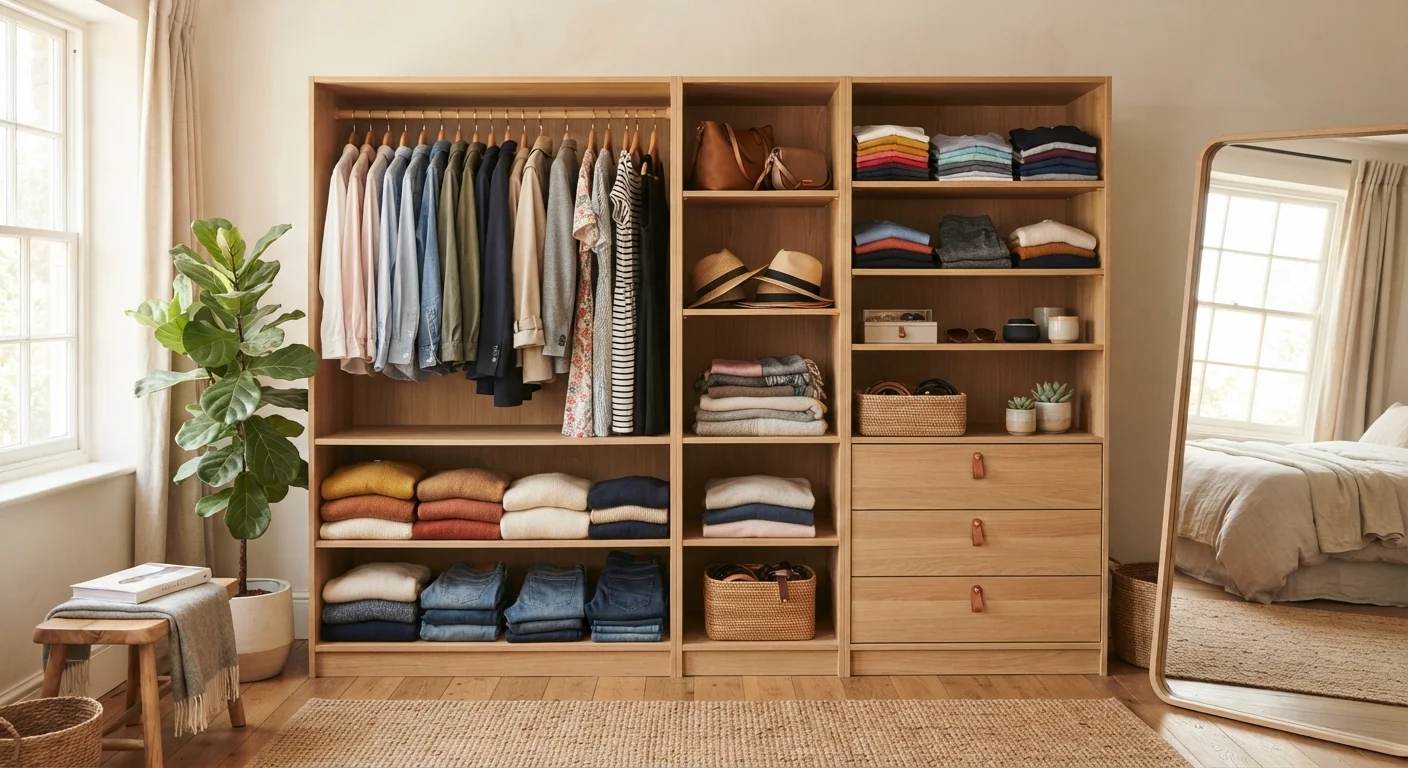
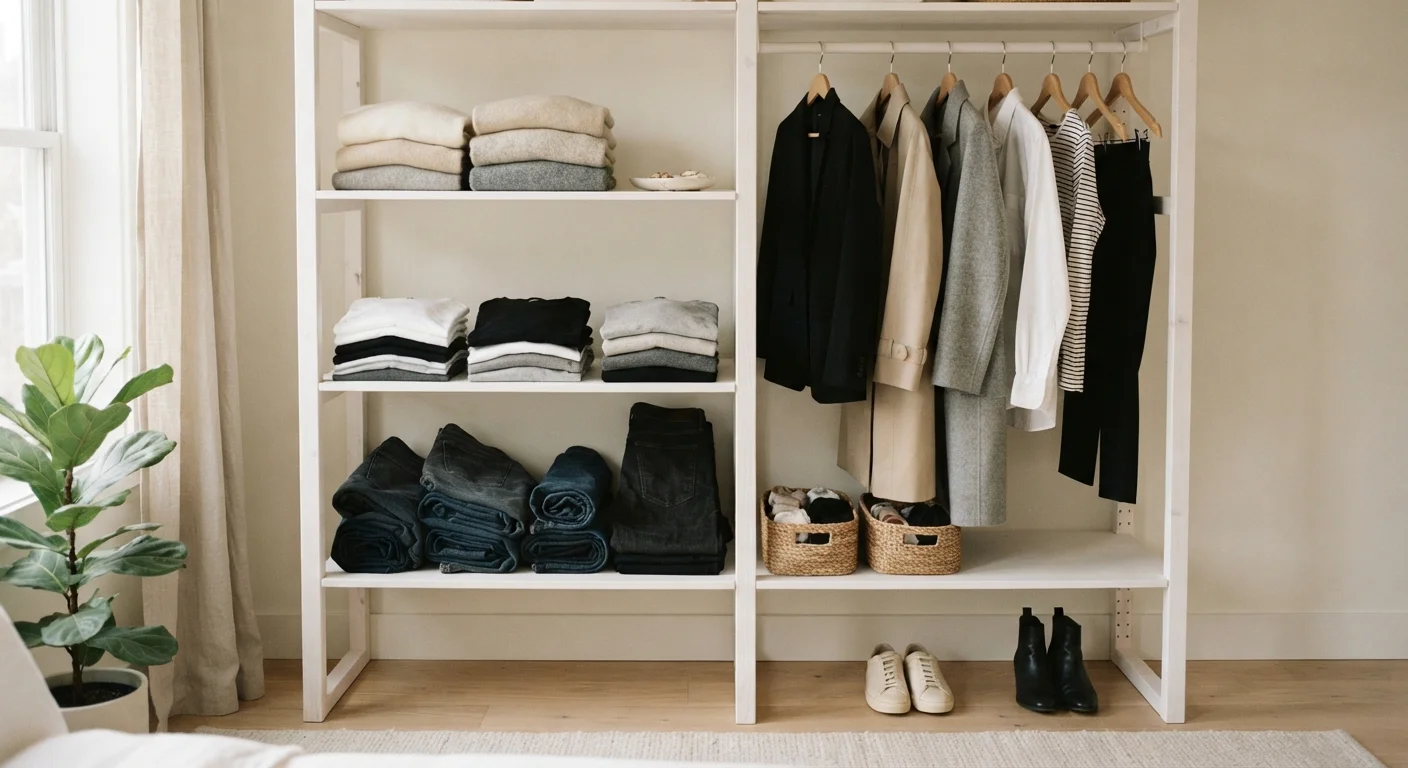
A capsule wardrobe is a carefully edited collection of clothing where every piece earns its place. The idea is simple: instead of a jam-packed closet full of things you never reach for, you keep a smaller set of versatile items that mix, match, and carry you through most of your daily life.
The concept was popularized in the 1970s by London boutique owner Susie Faux, who described it as a collection of essential, timeless pieces supplemented by seasonal additions. Today, it has evolved beyond any single aesthetic - a capsule can look polished and corporate, relaxed and bohemian, or anywhere in between, as long as it reflects your actual life.
Capsule wardrobe
A small, intentionally chosen set of clothing items that all work together, designed to cover most of your daily dressing needs.
Decision fatigue
The mental exhaustion that builds up from making too many choices throughout the day, including small ones like picking an outfit.
Versatility
The quality of a clothing item that allows it to be worn in multiple ways or paired with many other pieces in your wardrobe.
Color palette
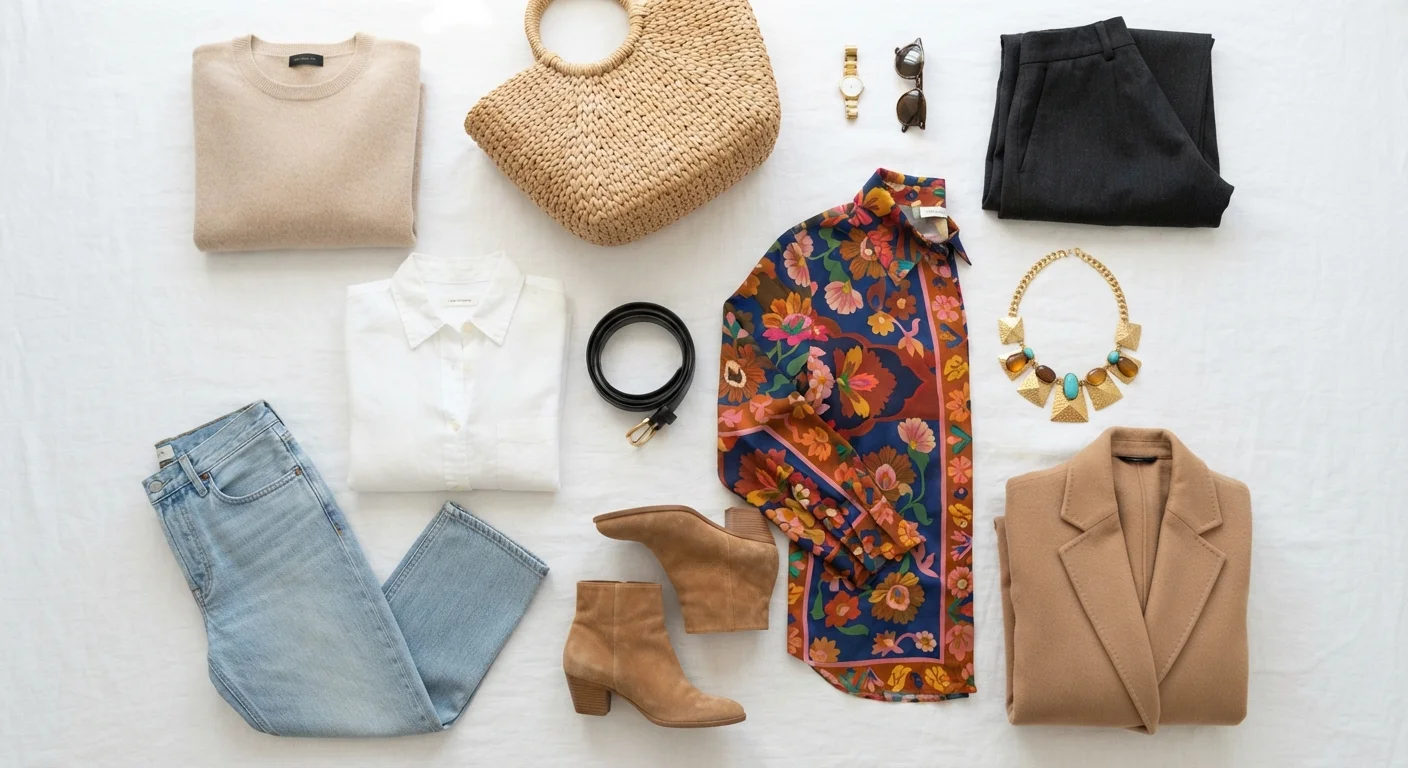
A personal set of colors - usually two or three neutrals plus one or two accents - that you consistently build your outfits around so everything coordinates naturally.
Core categories
The main types of clothing items (tops, bottoms, layers, shoes) that form the foundation of a functional wardrobe for your specific lifestyle.
Before you buy a single thing, explore what you already own - you may already have more capsule-ready pieces than you realize.
Why It Works: The Case for Less
Opening a crowded closet and feeling like you have nothing to wear is a genuinely common frustration. Psychologists refer to the mental exhaustion that comes from making too many choices as decision fatigue - and your wardrobe contributes to it every single morning.
A capsule sidesteps this by reducing the number of decisions without reducing your options in a meaningful way. When every item pairs well with several others, getting dressed becomes faster and far less stressful. Research in behavioral science consistently suggests that constraints can actually boost creativity - fewer items often leads to more interesting outfit combinations, not fewer.
Track What You Actually Wear
For two weeks before building your capsule, take a quick photo of each outfit or jot it in a notes app. You will quickly see which items you instinctively reach for - and which ones just take up space. This data makes editing your closet far more objective and far less emotional.
There is also an environmental upside. Buying less, choosing more intentionally, and caring for pieces so they last longer all reduce fashion's environmental footprint - though the size of that impact depends on many factors beyond just closet size.
How to Build Your Capsule Wardrobe
Building your capsule is a process, not a weekend shopping spree. Follow these steps in order:
- Audit your current closet. Pull everything out. Try on items you haven't worn in over a year. Be honest about fit, condition, and whether you genuinely like how something makes you feel.
- Identify your lifestyle needs. Count the types of days in your week - work-from-home, office, active, social, errands. Your capsule should reflect actual life, not an aspirational version of it.
- Define your color palette. Choose two or three neutrals and one or two accent colors that you already gravitate toward. This is what makes mixing and matching effortless.
- Select your core categories. Most capsules include: tops (tees, blouses, or shirts), bottoms (trousers, jeans, or skirts), layering pieces (cardigans, blazers, jackets), one or two dresses or jumpsuits, and two to three pairs of shoes for different contexts.
- Fill genuine gaps thoughtfully. Only shop for what is truly missing. See our guide to balancing basics and statement pieces for help deciding what deserves a spot.
Avoid the "Capsule Shopping Spree" Trap
One of the most common missteps is decluttering everything and then immediately replacing it with a new haul of "capsule-approved" basics. This defeats the purpose and can be costly. Build your capsule slowly, starting with what you already own, and only add new pieces after living with your edited closet for a few weeks.
Making It Work for Your Body and Budget
A capsule wardrobe is not a uniform - it is a framework. That framework works on every body type when you apply one principle consistently: prioritize fit above all else. A beautifully simple linen shirt that fits well will always look more intentional than a trend piece that pulls or gaps. If something needs alterations to feel right, factor that into whether it truly belongs in your capsule.
Budget-wise, the goal is not to replace everything at once with expensive basics. Work with what you have, add pieces gradually, and invest a little more only in items you will wear constantly - like everyday trousers or a go-to jacket. You do not need a designer price point to build something that genuinely works.
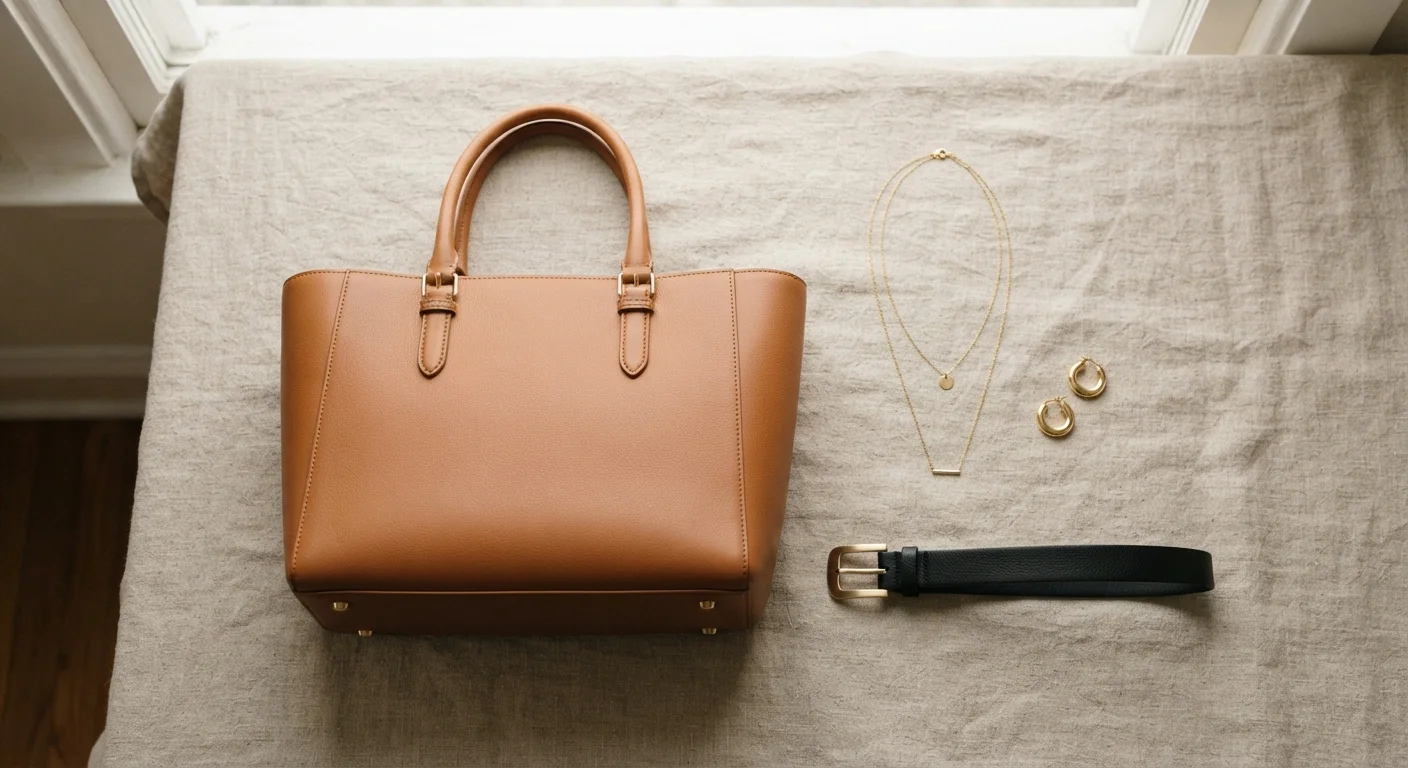
Accessories can stretch your capsule significantly without adding bulk. Choosing accessories with intention lets you shift the mood of an outfit without adding more clothing to the mix.
There Is No One-Size Template
You will find many "capsule wardrobe lists" online specifying exactly 33 items or a particular set of pieces. Treat these as starting points for inspiration, not prescriptions. A teacher, a nurse, and a remote-working creative all have genuinely different needs - and a good capsule reflects yours specifically.
Maintaining and Evolving Your Capsule
A capsule wardrobe is a living system, not a one-time project. Plan a light review at the start of each season - swap out pieces that are not weather-appropriate, notice what you reached for most, and retire anything that is worn out or no longer fits your life. The seasonal wardrobe transition process makes this feel routine rather than overwhelming.
For the physical side of rotating clothes in and out of storage, a repeatable seasonal closet rotation system keeps things manageable year-round without a full reorganization each time.
Your style will evolve - and your capsule should too. Give yourself permission to edit, swap, and refine. The whole point is a closet that genuinely serves you, not a rigid set of rules you feel pressured to follow perfectly.
This article is for general informational and educational purposes only. Style and wardrobe choices are deeply personal; what works for one person may not suit another's needs, body, or lifestyle.