Why Shopping Your Own Closet Actually Works
The average American closet is significantly fuller than the number of outfits its owner feels they have. Research from wardrobe psychology and consumer behavior studies consistently suggests that most people rotate through a small fraction of what they own - leaving a large portion unworn, unseen, or simply forgotten behind other items. The result is a familiar paradox: a packed closet and nothing to wear.
Shopping your own wardrobe before buying anything new is a practical antidote to that cycle. It costs nothing, takes less time than a shopping trip, and often turns up pieces you genuinely enjoy. It's also a useful exercise in understanding your actual style preferences versus what appealed to you in a store - two things that don't always align.
Beyond the practical benefits, there's a real mental clarity that comes from getting organized. A cleaner, more intentional wardrobe can reduce the low-level stress of daily decision fatigue. For more on how your environment and routines affect everyday wellbeing, the Mental Wellbeing hub offers a range of accessible strategies.
What you will need
Full-length mirror
Lets you evaluate complete outfits on your body rather than guessing how pieces will look together.
Smartphone with camera
Photograph successful outfit combinations to create a personal reference lookbook.
Laundry basket or donation bag
Sort items to wash, repair, donate, or discard as you work through your wardrobe.
Sticky notes or masking tape
Flag items that need alterations, repairs, or a second opinion before deciding their fate.
Hangers of consistent style
Uniform hangers make it easier to see your clothing clearly and keep things organized after the audit.
How to Do It: A Step-by-Step Closet Shop
Don't Skip the Try-On Step
It's tempting to just look at clothes on the hanger and assume you know how they'll work together. But fit, drape, and proportion only reveal themselves on your body. Skipping the try-on phase is the single biggest reason closet audits fail to surface new combinations. Set aside real time to actually wear the pieces - you may be genuinely surprised.
Clear the Space and Gather Everything
Pull all of your clothing into one visible space - including items stuffed in drawers, stored in bins, or pushed to the back of the closet. You can't shop what you can't see. Lay everything out on the bed or a clean floor so you have a full picture of what you actually own.
Sort Into Honest Categories
As you handle each piece, sort it into one of four groups: Keep and wear regularly, Haven't worn but worth trying, Needs repair or alteration, and Remove (donate, sell, or discard). Be honest - if you've been skipping something consistently, there's usually a reason worth examining.
Try On Your 'Haven't Worn' Pile
This is the heart of the exercise. Work through items you've been ignoring and actually put them on. Notice how they fit your body right now - not how they fit two years ago or how they're supposed to fit according to the label. Pay attention to what feels comfortable and what you'd genuinely reach for again.
Build and Document New Combinations
Now the fun part: start mixing and matching. Try pairing pieces you've never thought to combine - a structured blazer with casual trousers, a dress worn as a top over wide-leg pants, a layer you usually keep for weekends brought into a work context. Photograph every combination that works. This becomes your personal style reference.
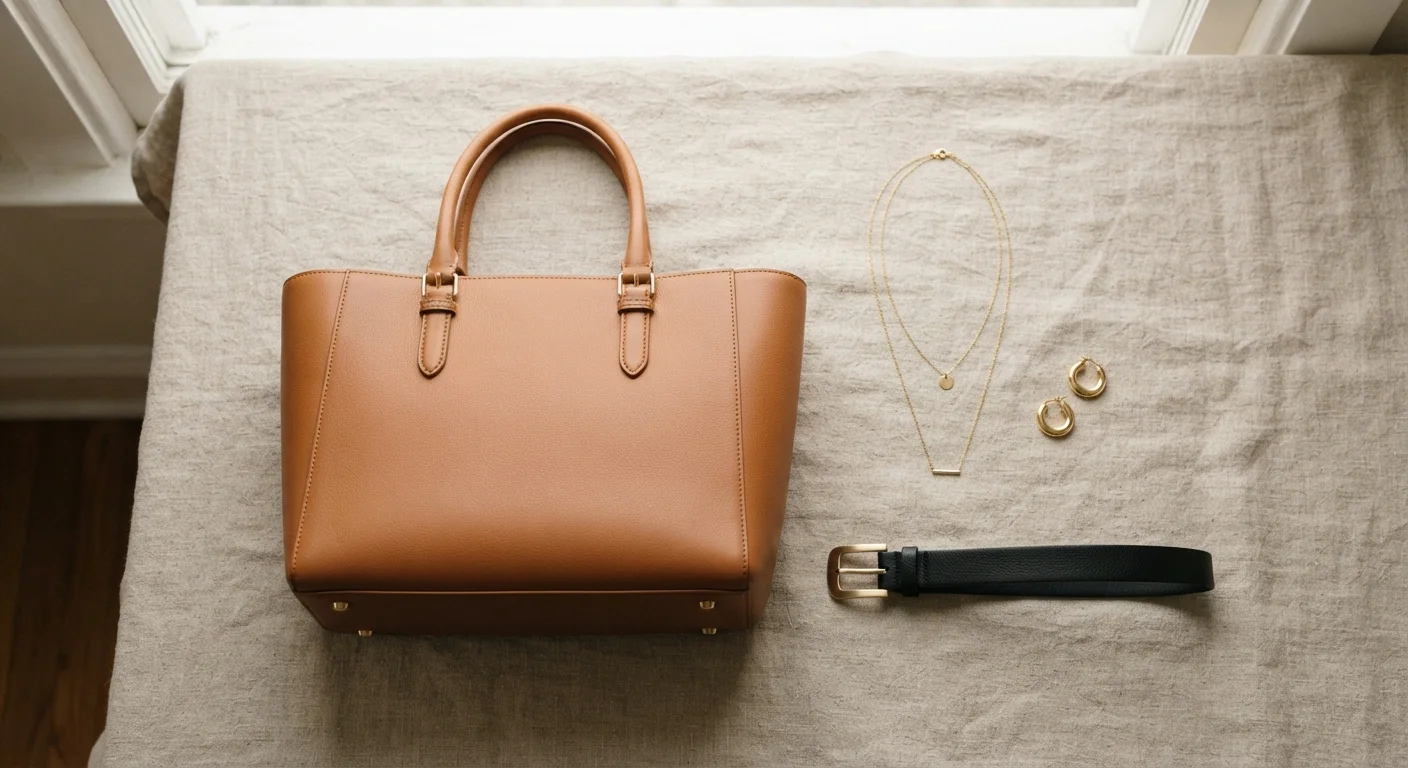
If you want guidance on how accessories can elevate (or crowd) an outfit, see our practical approach to accessorizing for a grounded framework.
Identify Real Gaps - Not Just Wants
After building your combinations, you'll have a clearer view of what's actually missing versus what you've simply been craving. A real gap is a functional need: perhaps every outfit needs a neutral layer and you don't own one that fits well. A want is adding a third floral top when two already exist. Write down only the genuine gaps - these are what justify future shopping.
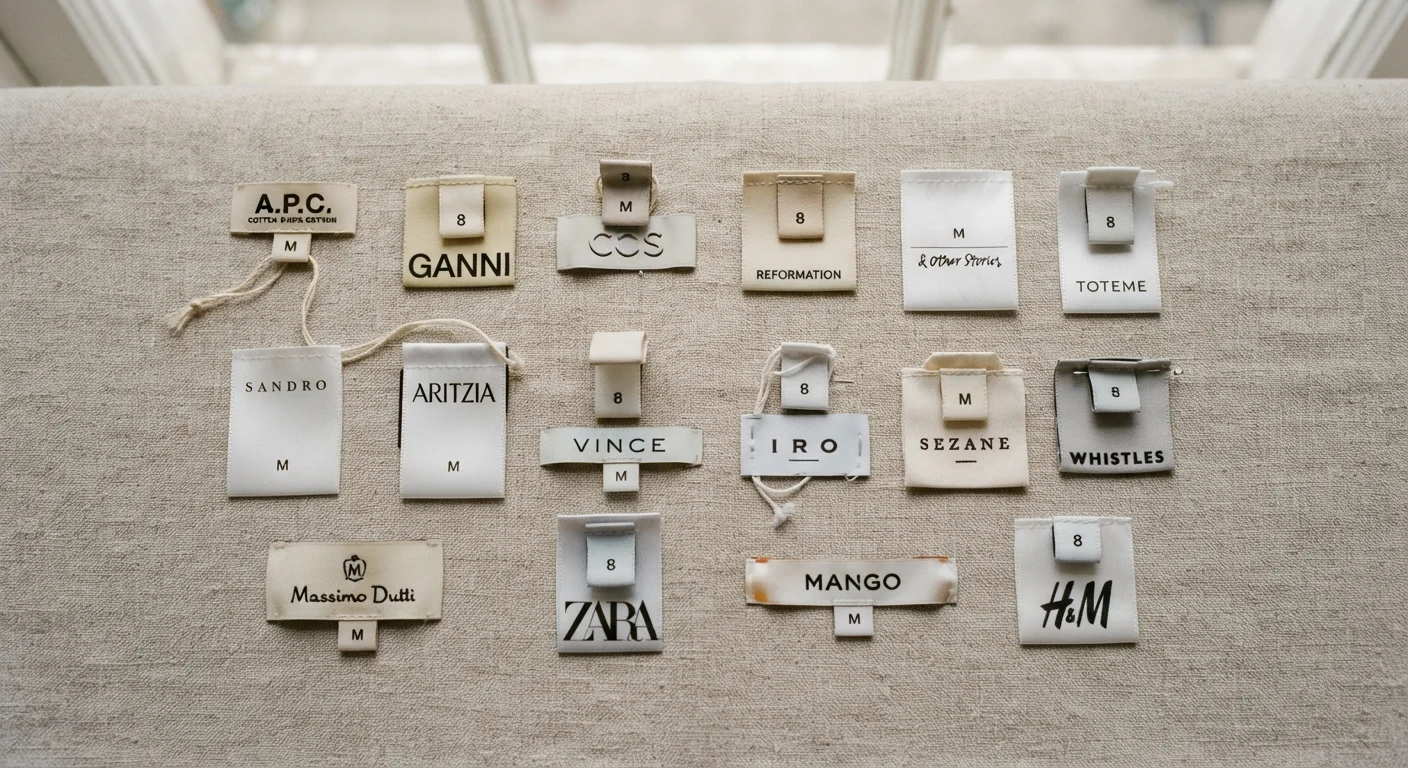
For a closer look at how sizing inconsistencies can complicate shopping for those gaps, our guide on why clothes fit differently across brands is worth reading before you buy.
Reorganize What Stays
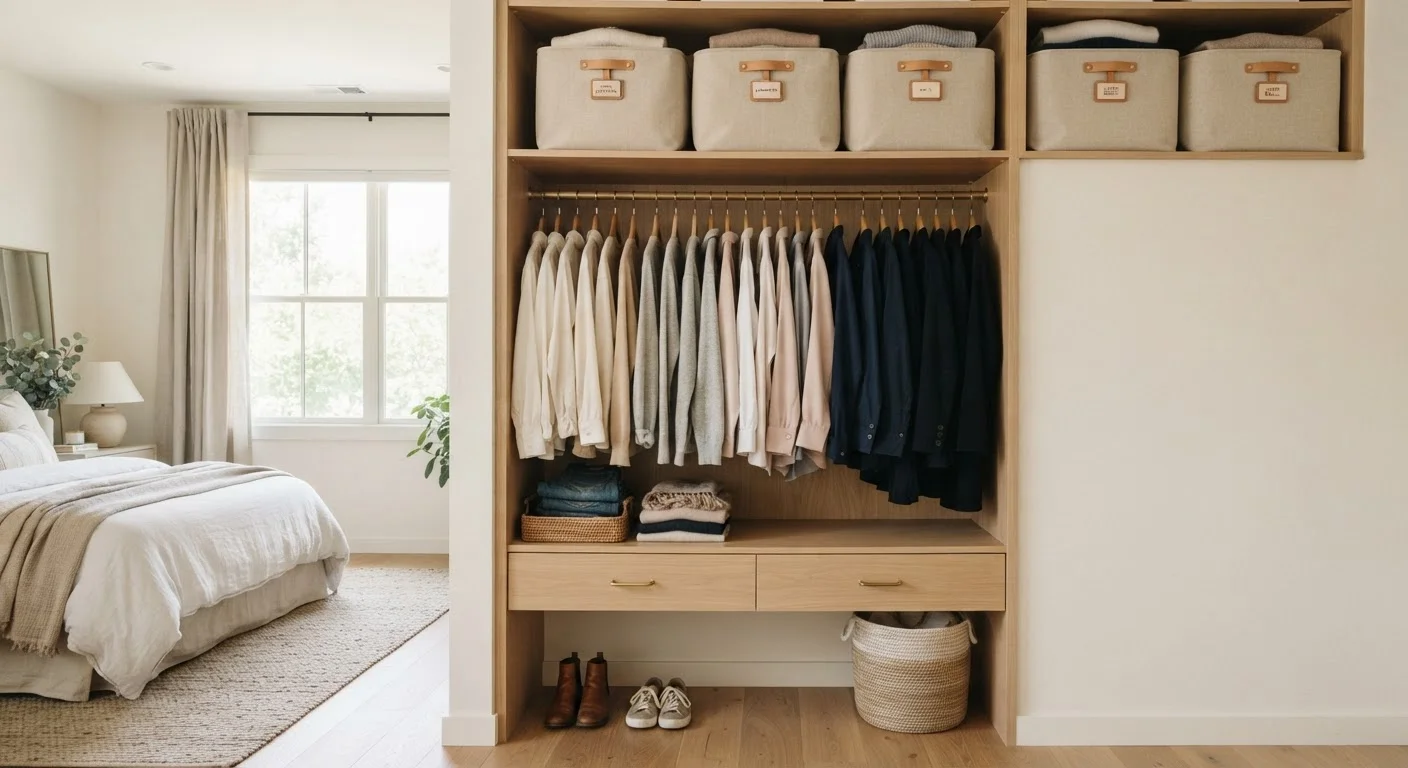
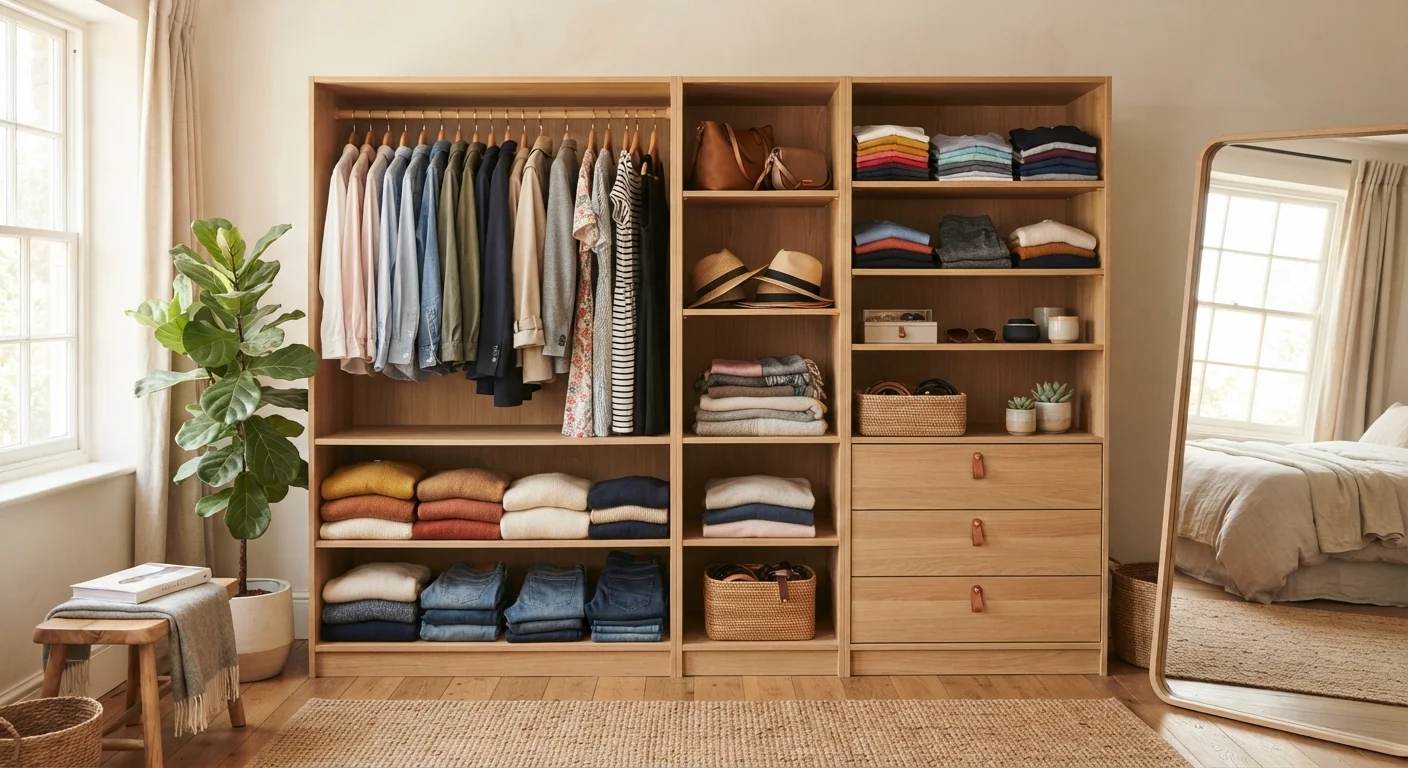
Put back only what passed the test. Organize by category, color, or occasion - whichever system makes getting dressed easiest for you. Ensure frequently worn items are front and center. Items flagged for repair go in a designated spot so they actually get fixed rather than forgotten again.
If you want to extend this process across the full year, our article on seasonal closet rotation without the chaos walks through a repeatable system for keeping your wardrobe manageable every season.
Photograph Your New Combinations
After you assemble an outfit you love during your closet shop, snap a quick photo on your phone. A simple outfit folder in your camera roll becomes a personal lookbook you can reference on rushed mornings. It also reveals which pieces are pulling their weight - and which just look good on the hanger but never make the final cut.
Making the Most of What You Already Have
Once you've completed your closet shop, maintaining the clarity is straightforward. When you do buy something new, the rule is simple: it should work with at least three items you already own. This prevents one-wear purchases and ensures new pieces integrate rather than just accumulate.
Fit is one of the most overlooked factors in why clothes go unworn. A piece that's slightly off can feel uncomfortable or just wrong - and gets skipped every time. Our guide on getting clothes to actually fit without paying a tailor every time covers simple adjustments and when a professional alteration is genuinely worth it.
Avoid the 'Just in Case' Trap
Holding onto items you haven't worn in years because you might need them someday is one of the most common reasons closets feel overwhelming. If a piece hasn't been worn in over 12 months and doesn't fit your current life or body, it's probably not serving you. Be honest with yourself - a smaller, functional wardrobe is more useful than a large, paralyzing one.
If you do decide to shop for those genuine gaps you identified, making thoughtful choices - whether secondhand or new - has real implications for both budget and environmental impact. Our article on thrift store vs. fast fashion trade-offs lays out the full picture.