Defining the Two Categories
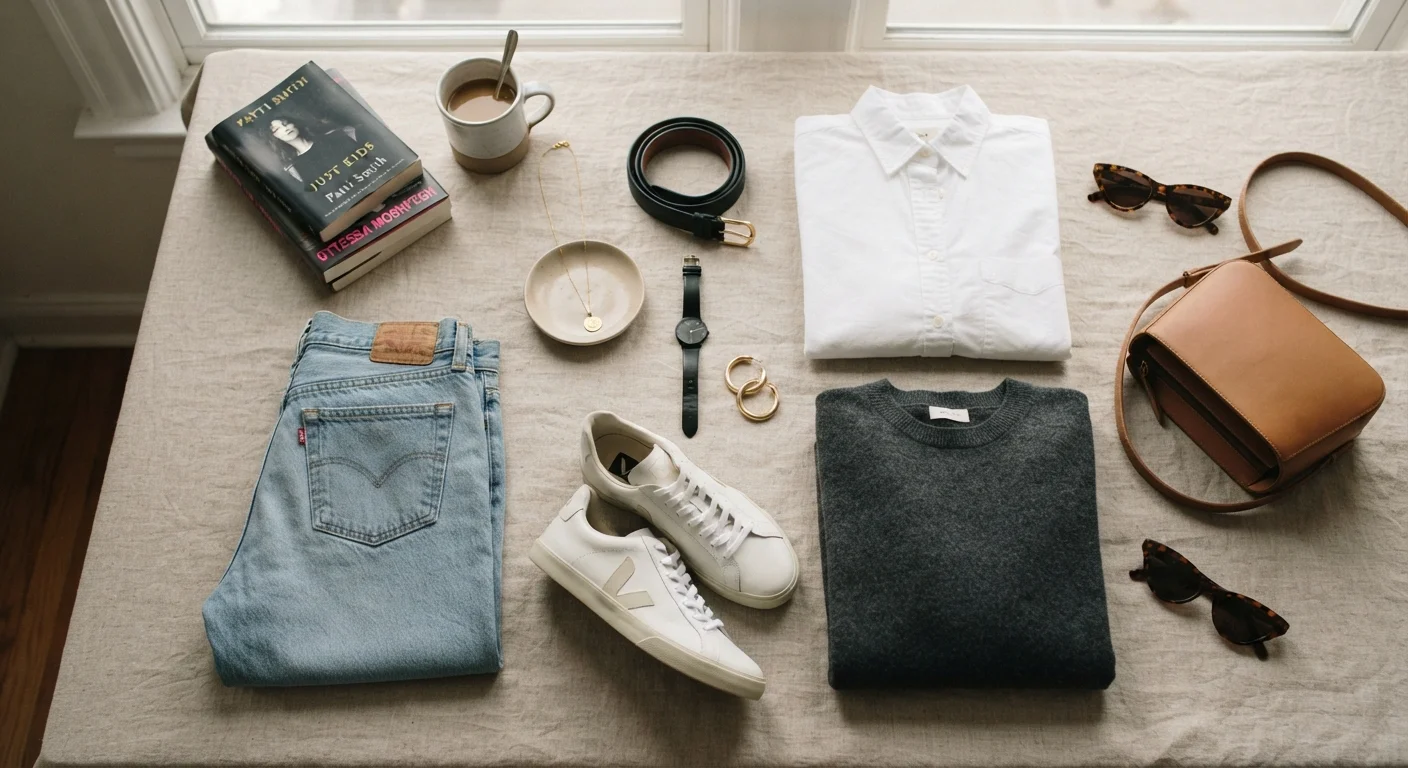
Wardrobe basics (sometimes called wardrobe staples) are the workhorse pieces you reach for again and again. Think solid-color tees, well-fitting dark jeans, a tailored blazer in a neutral tone, or a simple white button-down. They're designed to be versatile, easy to layer, and compatible with nearly everything else in your closet.
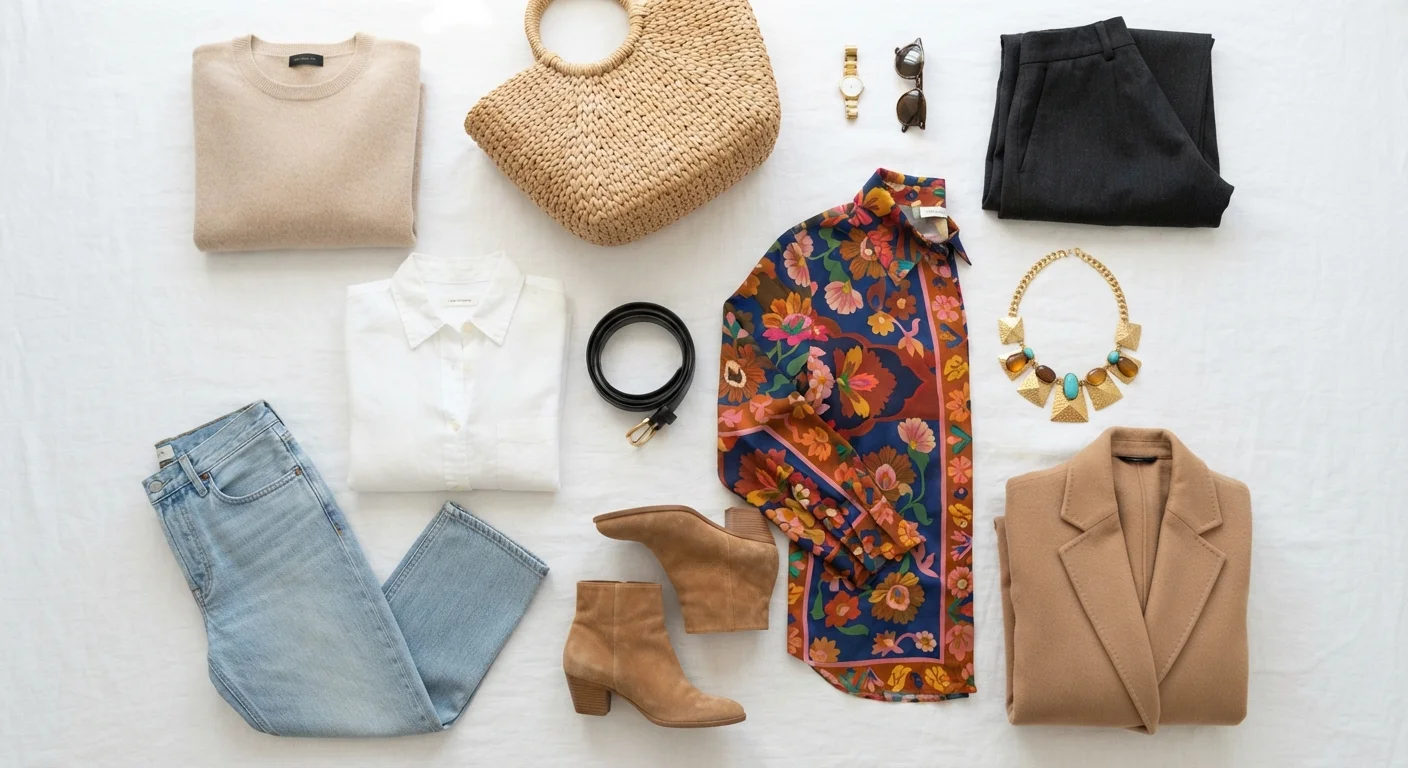
Statement pieces are the attention-grabbers - a boldly printed midi skirt, a jewel-toned velvet jacket, wide-leg trousers in a vivid color, or anything that reads as intentional and distinctive at a glance. They express personality, signal a mood, and tend to anchor an entire outfit around themselves.
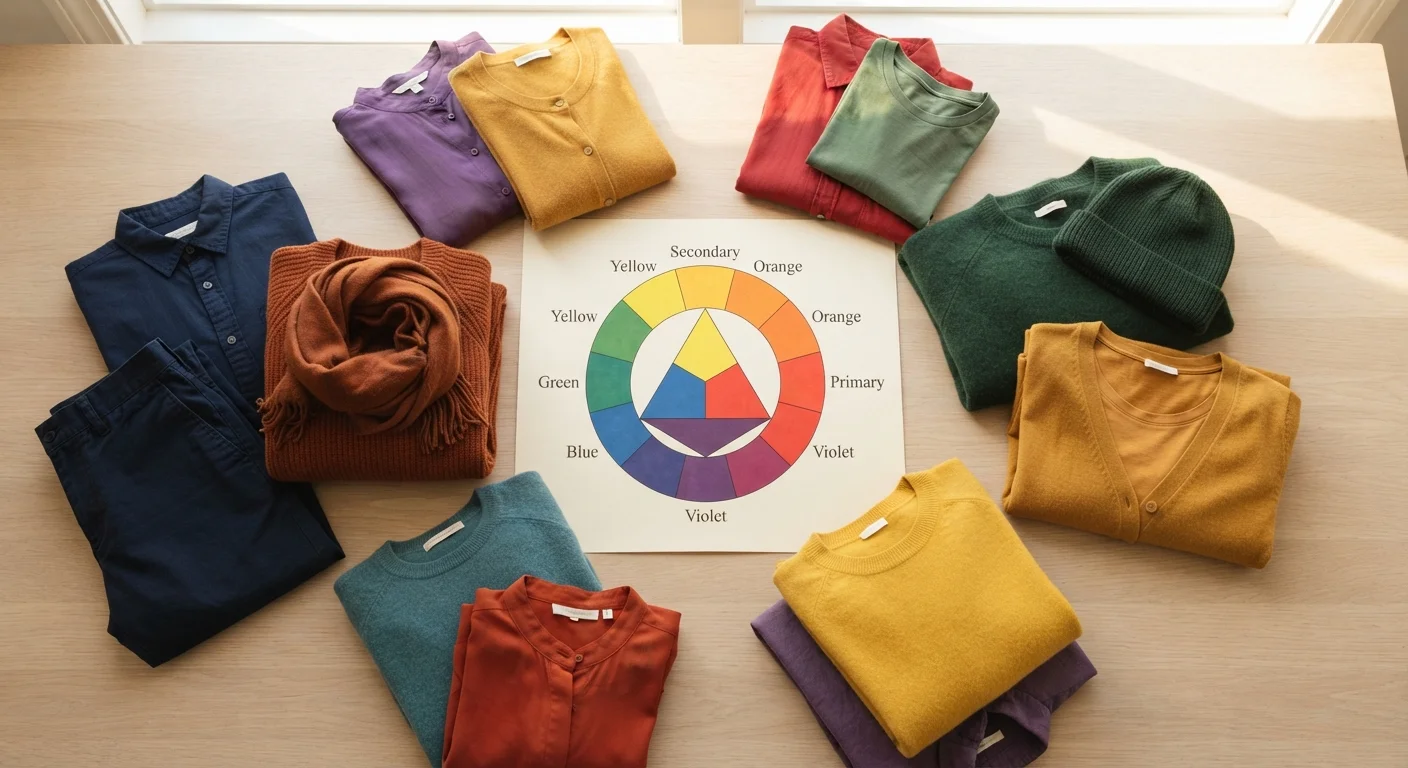
Neither category is objectively better. Basics without any statements can feel uniform and forgettable; statements without a strong basics foundation can feel chaotic and hard to style. Understanding what each brings to the table is the real starting point. If you're unsure about how color choices play into this dynamic, our color theory guide for casual dressers is a helpful companion read.
How They Compare Across Key Criteria
The table below lays out how basics and statement pieces stack up where it actually counts - from daily wearability to cost-per-wear considerations.
| Wardrobe Basics | Statement Pieces | |
|---|---|---|
| Daily wearability | Very high - works across many contexts | Lower - context-dependent |
| Cost-per-wear value | High due to frequent rotation | Lower but delivers impact per wear |
| Outfit-building ease | Easy to mix and match | Requires basics to pair with |
| Visual personality | Minimal on their own | Immediately expressive |
| Risk of going out of style | Low - neutral and durable | Higher - trend-adjacent styles fade faster |
| Budget flexibility | Wide range; quality varies by price | Can be affordable or investment-level |
| Styling learning curve | Low - forgiving and flexible | Moderate - requires thoughtful pairing |
One thing the table makes clear: neither category is universally superior. The right blend depends on your lifestyle, how often you dress for varied occasions, and how much mental energy you want to spend getting dressed each morning.
The Case for a 70/30 Framework
A widely cited starting point among stylists and wardrobe consultants is a rough 70% basics, 30% statement pieces split. That doesn't mean counting every item obsessively - it's a guiding mindset. For every bold printed dress you add, aim to have two or three neutral separates that can absorb it into multiple outfit combinations.
This framework is especially useful if you're working with a limited budget. Basics tend to offer more cost-per-wear value because they're in rotation constantly. Statement pieces, by contrast, may get fewer wears but deliver outsized visual impact when they do appear.
Start With Three Outfit Tests
Before adding any new piece - basic or statement - mentally (or physically) style it three different ways with what you already own. If you can't build three distinct looks around it, it may not earn a place in your closet. This simple test dramatically reduces impulse purchases that end up unworn.
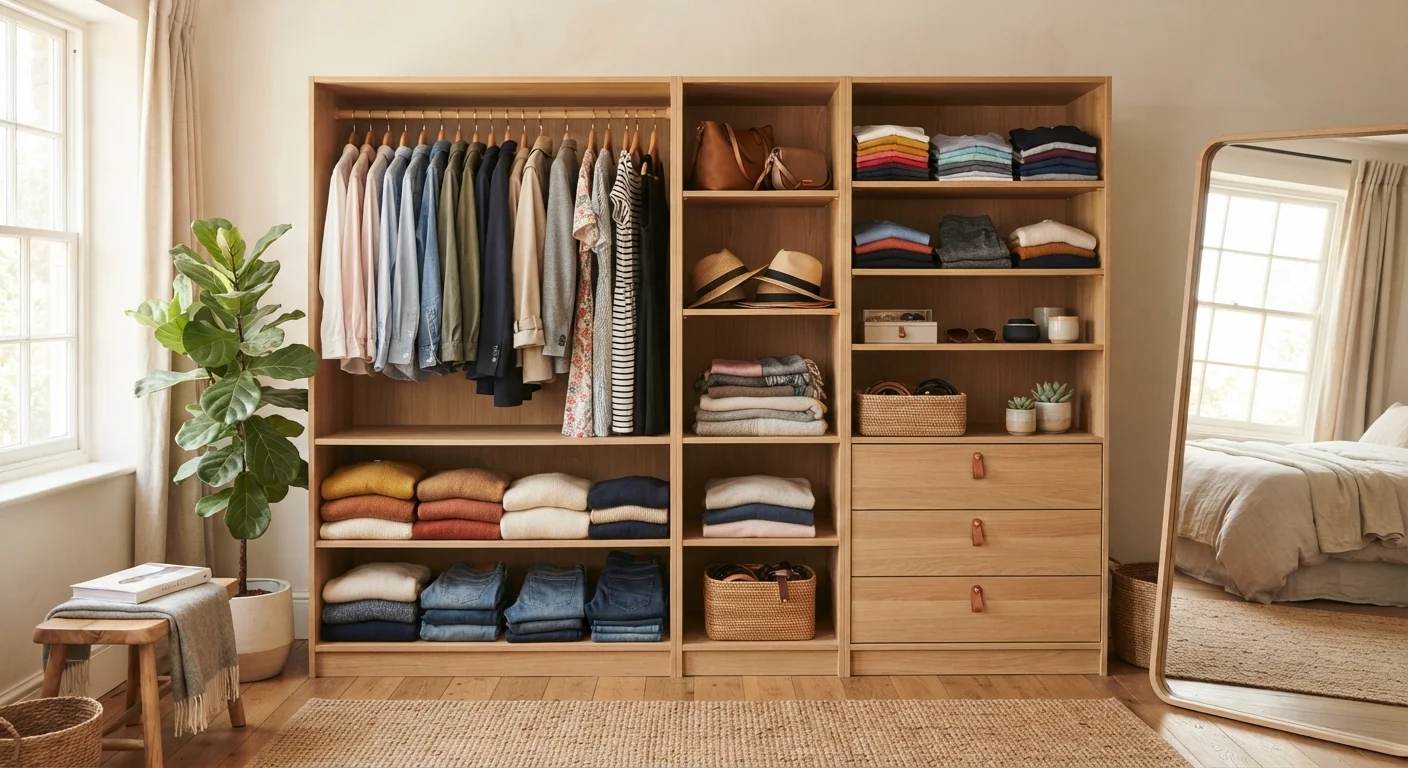
If you're not sure where your current wardrobe lands, try shopping your own closet first - it's one of the most effective ways to spot gaps and avoid duplicate purchases. You might already own more of one category than you realize.
Common Mistakes - and How to Avoid Them
Even with good intentions, it's easy to tip the balance in ways that make getting dressed harder, not easier.
Watch for These Wardrobe Balance Pitfalls
Impulse-buying heavily discounted statement pieces is one of the most common ways wardrobes get thrown out of balance. A great deal on something bold is only a great deal if it pairs with what you already own. Pause and cross-check against your basics before committing.
- Buying basics in poor-quality fabrics: A flimsy white tee that pills after three washes isn't really a basic - it's a replacement cycle. Prioritize fabric weight and construction over price alone.
- Treating every trend as a statement piece: Not all trend items carry lasting wearability. Our article on personal style vs. trend chasing explores when following a trend genuinely adds value and when it quietly drains your wardrobe budget.
- Ignoring fit: A statement piece that doesn't fit well won't make a statement you intended. Basics that are too loose or boxy lose their mix-and-match magic. Fit matters equally in both categories - across all body types.
- Overloading on statements: If every item competes for attention, nothing stands out. Restraint is what lets a great piece actually land.
For occasions where the dress code itself dictates your ratio - formal events, workplace settings - our dress codes guide can help you calibrate which category to lean on.
Building Your Balance in Practice
There's no single correct wardrobe - but there are some practical steps that make finding your personal balance easier:
- Audit before you shop. Pull everything out, assess what you actually wear, and identify whether you're sitting on too many basics-in-name-only (things you never reach for) or too many orphaned statements (pieces with nothing to pair with them).
- Anchor your statement pieces. For every statement item you own or consider buying, think through at least three basics it can work with. If you can't identify three, reconsider the purchase.
- Give basics a texture upgrade. Neutral doesn't have to mean flat. A linen-blend basic or a ribbed knit reads as more elevated than a thin cotton version - without crossing into statement territory.
- Revisit your ratio seasonally. Your lifestyle shifts; your wardrobe can too. A job change, new hobby, or different social calendar may legitimately call for adjusting the mix.
A capsule wardrobe approach can be a useful structure for those who want a more intentional framework - it naturally encourages a high-basics foundation with selective statement additions. And if budget is a factor, reviewing general spending habits through a resource like budgeting basics can help you allocate thoughtfully across wardrobe categories.