The Core Question: Risk, Regulation, and Reversibility
Every home repair decision comes down to three factors: how risky the work is, whether it's regulated, and how reversible a mistake would be. A paint job done poorly looks bad but costs little to redo. A gas line installed incorrectly can cause injury, fire, or worse. That gap - not skill pride or budget - should drive your call.
The home maintenance landscape divides roughly into two categories. The first includes tasks that are cosmetic or mechanical in nature, carry limited risk if done imperfectly, and require no permit. The second includes work that affects structural integrity, fire safety, or utility systems - areas that building codes exist specifically to regulate. For a deeper look at when permits apply, see our guide to permits, inspections, and codes.
What Belongs in the DIY Column
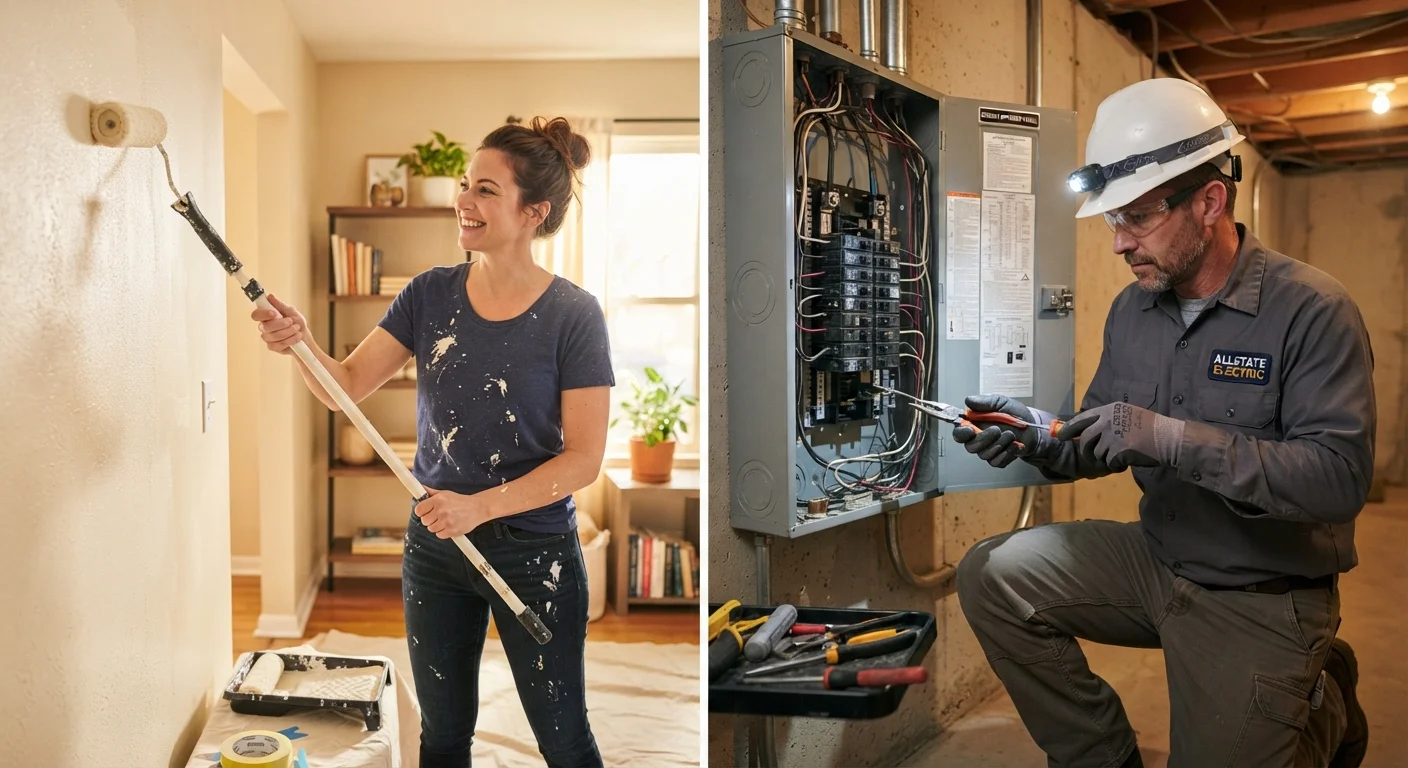
Capable homeowners can confidently handle a wide range of projects without professional help. Good candidates share a few traits: they're low-voltage or no-voltage, don't touch structural elements, and produce results that are easy to inspect and correct.
- Painting and patching: Interior and exterior painting, drywall patching, and caulking are ideal DIY territory. Mistakes are visible and fixable.
- Fixture swaps: Replacing a faucet, showerhead, toilet flapper, or light fixture (on an existing, properly wired circuit) is manageable with basic tools and manufacturer instructions.
- Weatherproofing: Adding weatherstripping, door sweeps, or attic insulation (batts, not spray foam near mechanicals) falls well within DIY range.
- Minor landscaping and drainage: Grading soil away from a foundation, maintaining gutters, and installing simple garden drainage are achievable weekend tasks.
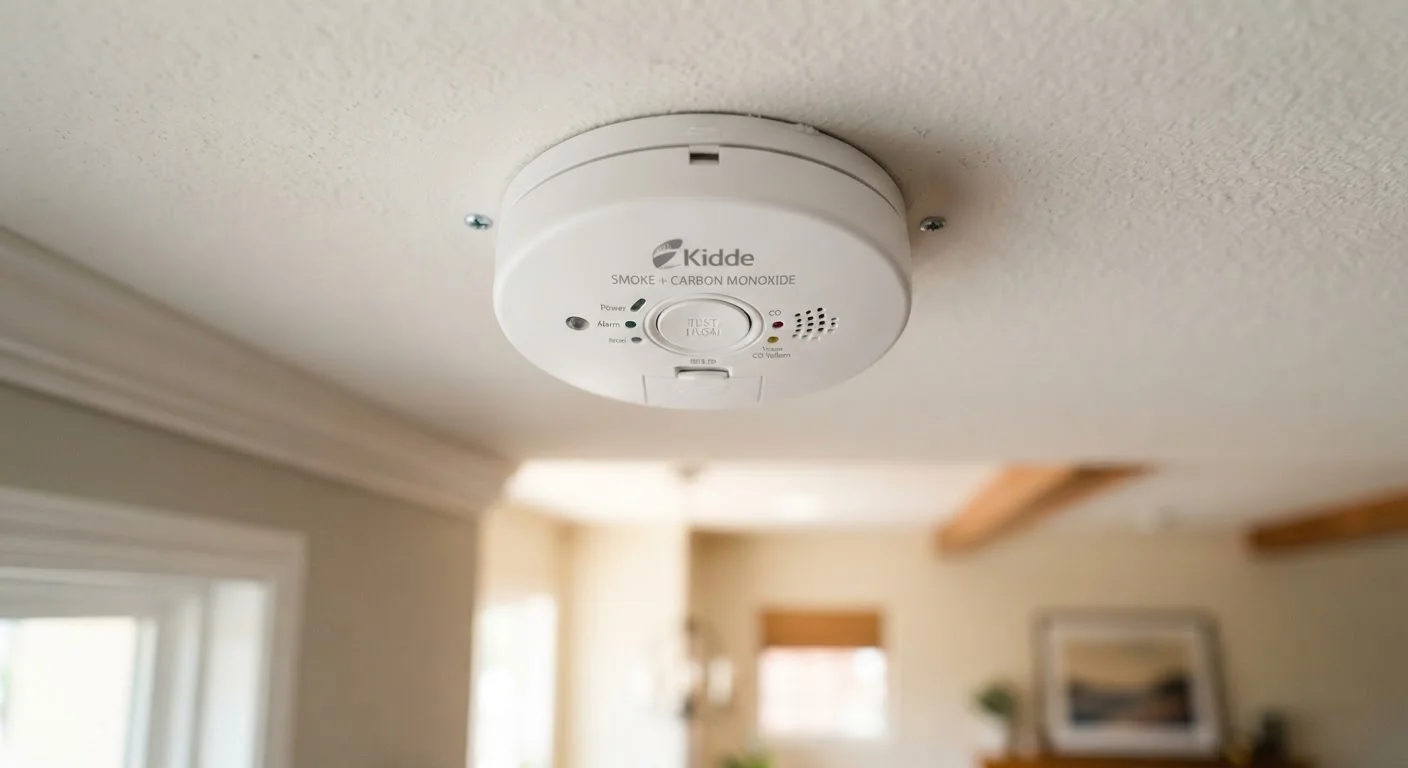
- Detector maintenance: Testing and replacing smoke and carbon monoxide detectors is straightforward - though our article on common detector mistakes shows that even this simple task is often done incorrectly.
Start With the Instruction Manual
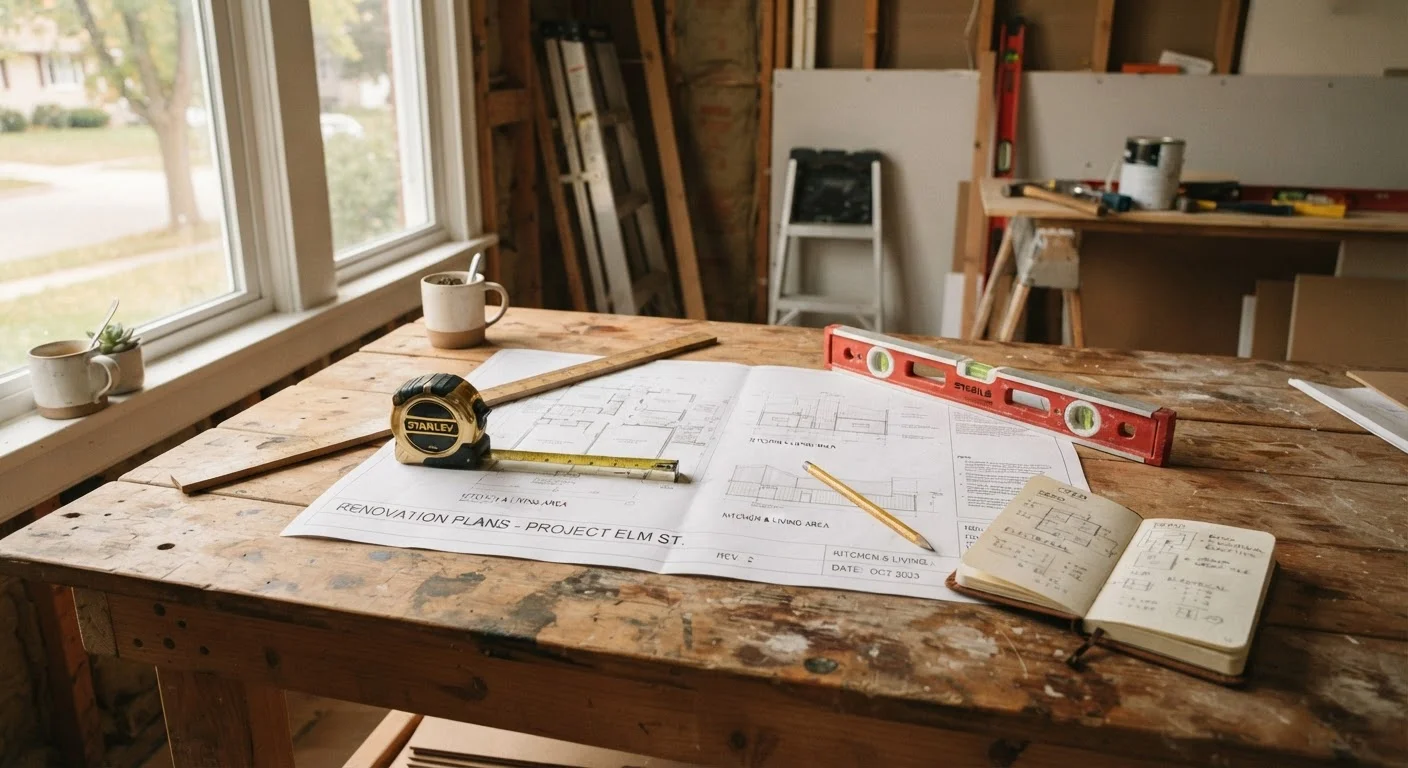
Before assuming a job is too complex, read through the manufacturer instructions or a reputable how-to guide completely. If you reach a step involving your main electrical panel, gas shut-off, or structural framing and feel uncertain, that's a natural stopping point - not a failure. Many projects can be partially DIY'd up to the point where a professional takes over.
If you're unfamiliar with any home improvement terminology you encounter in instructions or permit applications, the DIY vocabulary reference is a useful plain-language starting point.
What Belongs With a Licensed Professional
Certain work carries consequences that extend far beyond the task itself - into your insurance policy, your home's resale value, and in worst cases, the safety of everyone inside. This is not about capability; it's about accountability and code compliance.
| DIY | Licensed Professional | |
|---|---|---|
| Typical cost | Materials only | Labor plus materials |
| Permit usually required | No | Often yes |
| Insurance implications | Low if done correctly | Work covered by contractor's liability |
| Skill requirement | Basic to intermediate | Trade-certified |
| Safety risk if done wrong | Low to moderate | High (hence the regulation) |
| Resale / inspection impact | Minimal for cosmetic work | Documented, inspected, code-compliant |
Work in the professional column typically includes:
- Electrical panel work: Adding circuits, replacing a panel, or rewiring rooms requires a licensed electrician and almost always a permit. Improper wiring is a leading cause of residential fires.
- Gas lines: Installing, modifying, or repairing gas supply lines is regulated in virtually every jurisdiction. This includes gas dryer hookups in many areas.
- Structural changes: Removing or modifying walls - especially load-bearing ones - requires engineering knowledge and, in most municipalities, a permit and inspection.
- Main plumbing work: Tapping into main supply or drain lines, relocating fixtures, or installing new plumbing runs typically requires a licensed plumber and inspection.
- Roofing over a certain scope: Full roof replacements involve building-envelope moisture control and may affect homeowner's insurance coverage if not done to standard.
For more on which specific maintenance tasks sit on either side of this line, see DIY home maintenance tasks vs. jobs that need a licensed professional.
Unpermitted Work Can Cost You Later
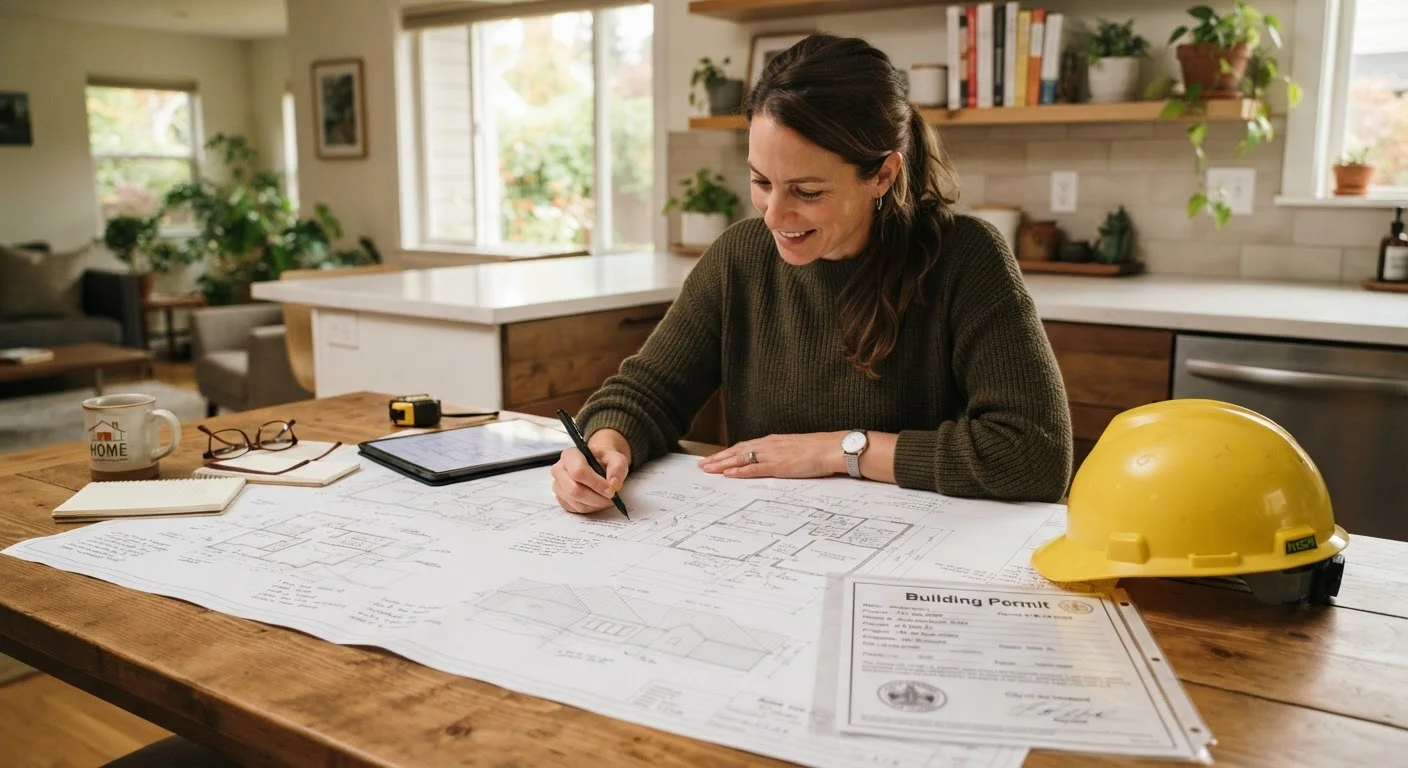
Completing regulated work without the required permits can create serious problems when you sell your home or file an insurance claim. Buyers' inspectors often flag unpermitted additions or alterations, which can delay or derail a sale. Some insurers may also reduce or deny claims for damage connected to unpermitted work. Always verify local permit requirements before starting any regulated project.
Hiring Smart When You Do Call a Pro
Deciding to hire a professional is only the first step. How you hire matters just as much. Vague scopes of work, skipped reference checks, and large upfront payments are among the most common homeowner missteps - detailed fully in our guide on things homeowners get wrong when hiring contractors. At minimum: verify licensing and insurance, get scope and price in writing, and don't pay in full before work is complete.
The decision between DIY and professional help isn't about confidence versus caution. It's about matching the right approach to the actual demands of the job. A reliable home maintenance strategy accounts for both - building your own skills where it's appropriate, and knowing exactly when to hand off the work.