Preparation Is Half the Work
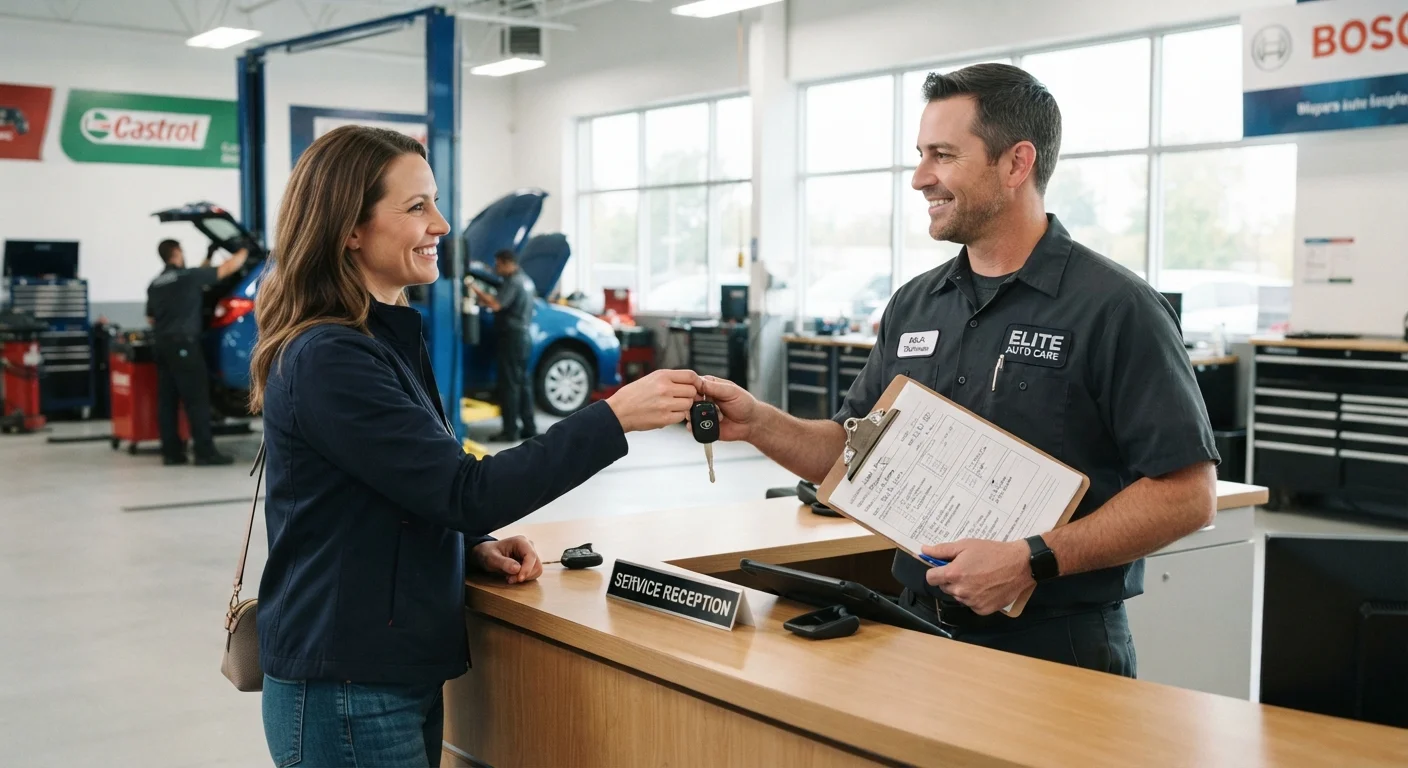
Most drivers arrive at a service appointment with little more than a vague sense that something is due. The shops that serve them well compensate for this - but you'll get faster, more accurate service when you walk in prepared. That means bringing your service records, knowing your mileage milestones, and having a written list of anything you've noticed since the last visit.
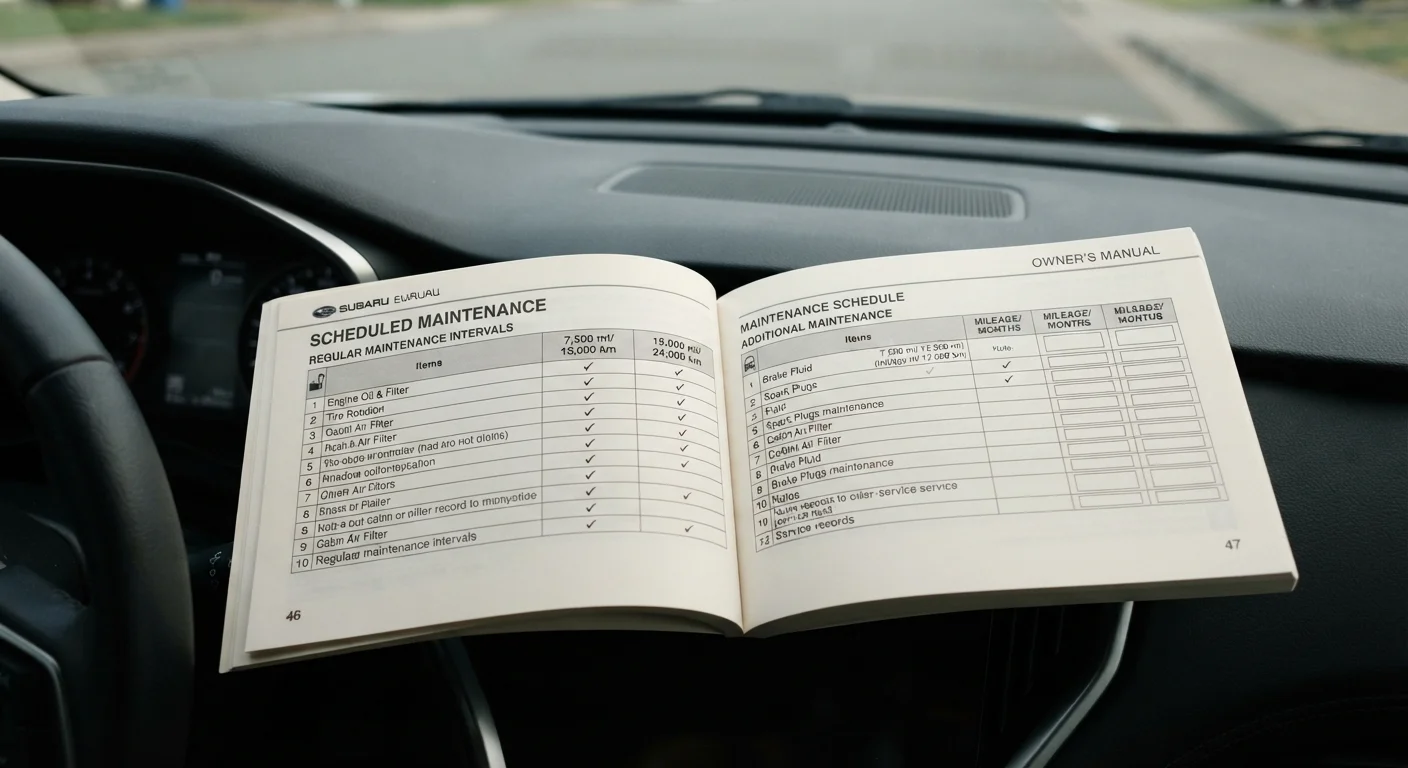
Understanding your maintenance schedule is the foundation. Without knowing what your vehicle's manufacturer actually recommends - and when - it's difficult to evaluate whether a suggested service is genuinely due or simply convenient for someone else's revenue. Your owner's manual is the authoritative source; don't rely solely on a shop's recommendation sticker. For a deeper look at interpreting those specs, the maintenance sections most drivers ignore in their owner's manual are worth reviewing before your next appointment.
Best Practices for the Appointment Itself
How you communicate during the appointment shapes the quality of what happens under the hood. These practices help you get accurate diagnoses, fair pricing, and work you actually need done.
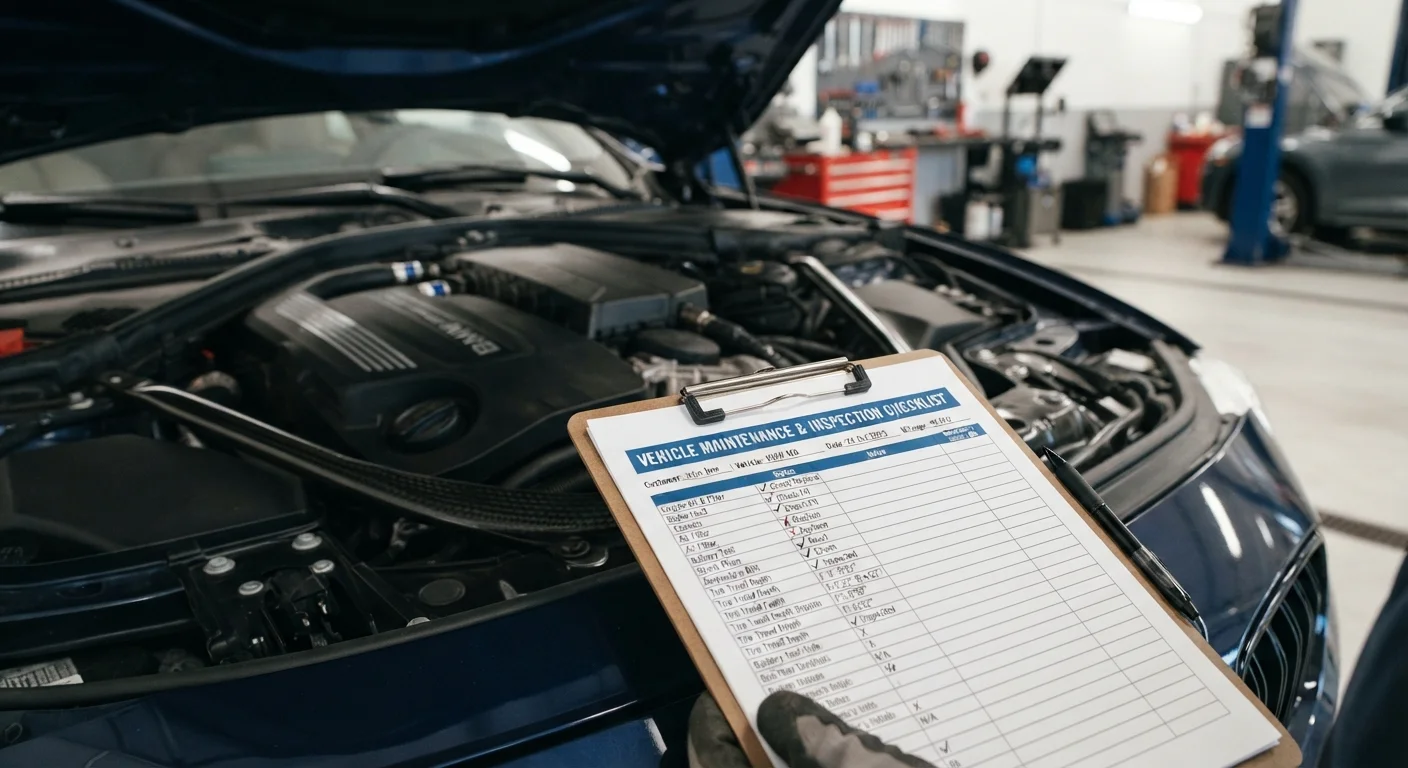
Bring your complete service history to every appointment.
A clear paper trail helps technicians understand what has already been done, prevents duplicate services, and surfaces patterns - such as recurring issues - that might point to an underlying problem. Without records, shops may recommend services already completed.
Review your owner's manual intervals before scheduling any service.
Manufacturer-specified intervals are based on engineering data for your exact vehicle. Services recommended earlier than the manual specifies may not be necessary, and delaying critical ones can accelerate wear. The manual is your baseline for evaluating any recommendation.
Write down your symptoms or concerns before arriving.
Technicians diagnose more efficiently when they have precise descriptions of what you've noticed - when a sound occurs, under what conditions, and how long it's been present. Vague descriptions lead to longer diagnostic time and potentially missed issues.
Ask for the written estimate before authorizing any work.
Verbal estimates are difficult to dispute. A written estimate locks in the scope of work, parts pricing, and labor charges, making it easier to compare against what you're billed and to question unexpected additions.
Prioritize repairs by urgency and safety impact.
Not every flagged item requires immediate action. Understanding which issues affect safe operation versus which are routine maintenance lets you make informed decisions about timing and budget without being pressured into addressing everything at once.
Ask technicians to show you - or photograph - the part or condition they're describing.
Visual evidence gives you a concrete basis for evaluating a recommendation. Reputable shops routinely offer this; being shown the actual worn part or a photo of the issue removes ambiguity from the conversation.
When to Seek a Second Opinion
If a technician recommends a repair that feels unexpected or unusually expensive, it's reasonable to ask for the written estimate and consult another shop before authorizing work. A reputable service center will not pressure you to decide on the spot. Getting two estimates on major repairs - anything involving the transmission, suspension, or engine - is a common and sensible practice.
After the Visit: What to Do With What You Learned
The invoice you receive isn't just a receipt - it's a maintenance record. File it immediately with your other service documents and note any items the technician flagged for future attention. These 'monitor and address later' items are easy to forget, but tracking them helps you anticipate upcoming costs and schedule proactively rather than reactively.
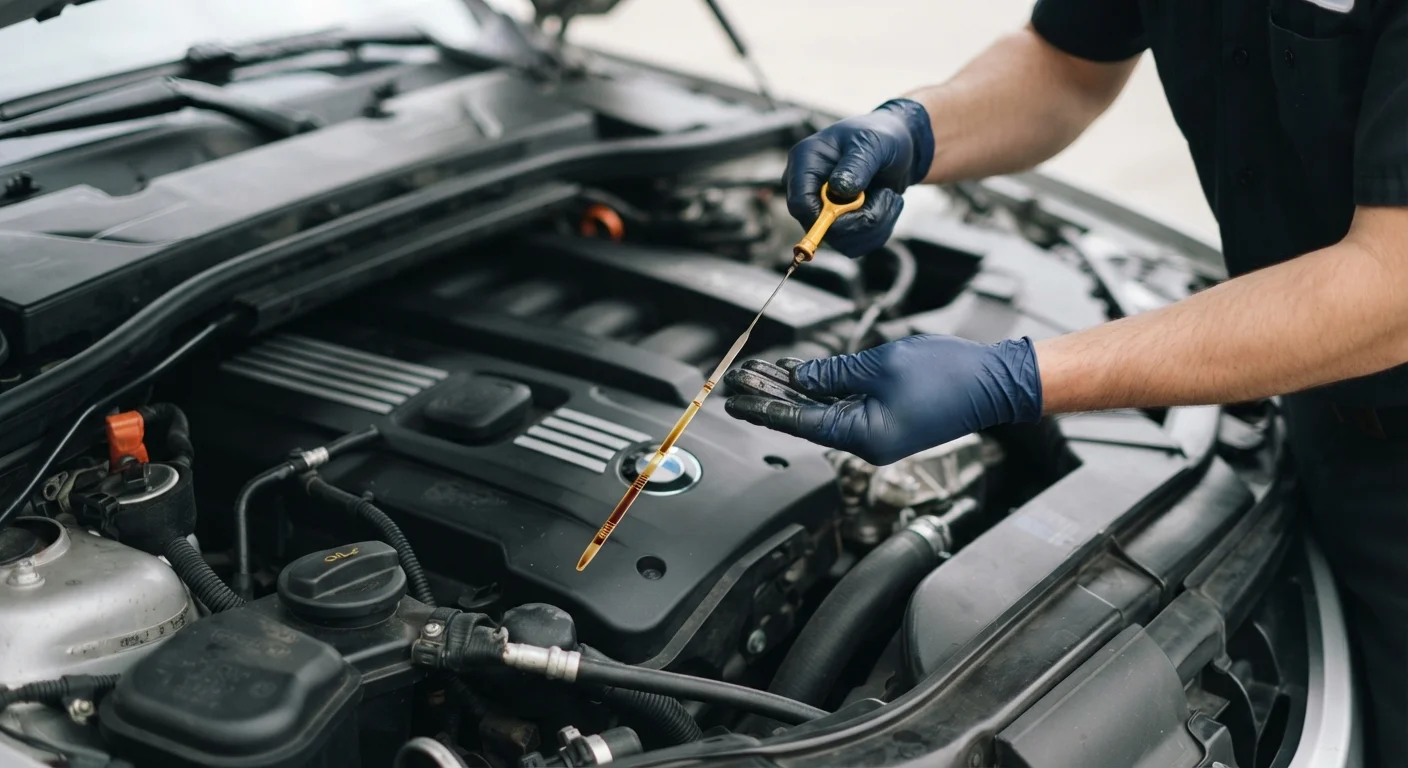
Between visits, basic fluid checks keep you informed about your vehicle's condition and can catch developing issues early. Fluid checks every driver should perform between service visits walks you through exactly what to look for and how often. Building this habit reduces the likelihood of an expensive surprise at your next appointment.
Over the long run, consistent, well-documented maintenance is one of the most reliable ways to control what you spend on a vehicle. For a broader view of managing those costs, see our guidance on keeping vehicle ownership costs manageable over the long haul.
“The single best thing a car owner can do is keep records. A technician with a full service history can diagnose faster, recommend more accurately, and catch patterns that would otherwise be invisible.”
— ASE Education Foundation, National automotive technician training and certification organization
This article provides general vehicle maintenance information for educational purposes. For diagnosis, repair decisions, or safety-related concerns, consult a qualified automotive technician.