The Most Common - and Harmless - Reasons Brakes Squeal
Before assuming the worst, it helps to understand that brake squeal has several entirely benign causes. The most common is surface moisture. When a vehicle sits overnight, especially in humid or rainy weather, a thin layer of oxidation forms on the iron rotor surface. Your first few brake applications grind that layer away, producing a brief squeal or light grinding sound that disappears within a block or two.
Dusty or gritty road conditions can produce similar short-lived noise. Fine particles get trapped between pad and rotor, create friction-induced sound, then clear themselves. Cold temperatures also affect brake compounds temporarily - some pads are stiffer when cold and generate noise until they warm up.
The tell-tale sign these causes are at play: the noise stops on its own within minutes of driving, doesn't return under normal conditions, and isn't accompanied by any change in braking feel or pedal behavior.
Quick Self-Check Before You Worry
Ask yourself: Did the squealing start this morning after a rainy night, and did it stop within a few minutes? Did it happen once after a dusty drive? If yes to either, you're likely dealing with a normal, self-clearing condition. If the noise has persisted across multiple days or driving sessions, it's time to have a mechanic take a look.
When the Squeal Is Telling You Something Important
A squeal that persists across multiple drives - especially one that showed up recently and keeps coming back - is your braking system signaling that something needs attention. The most frequent culprit is worn brake pads.
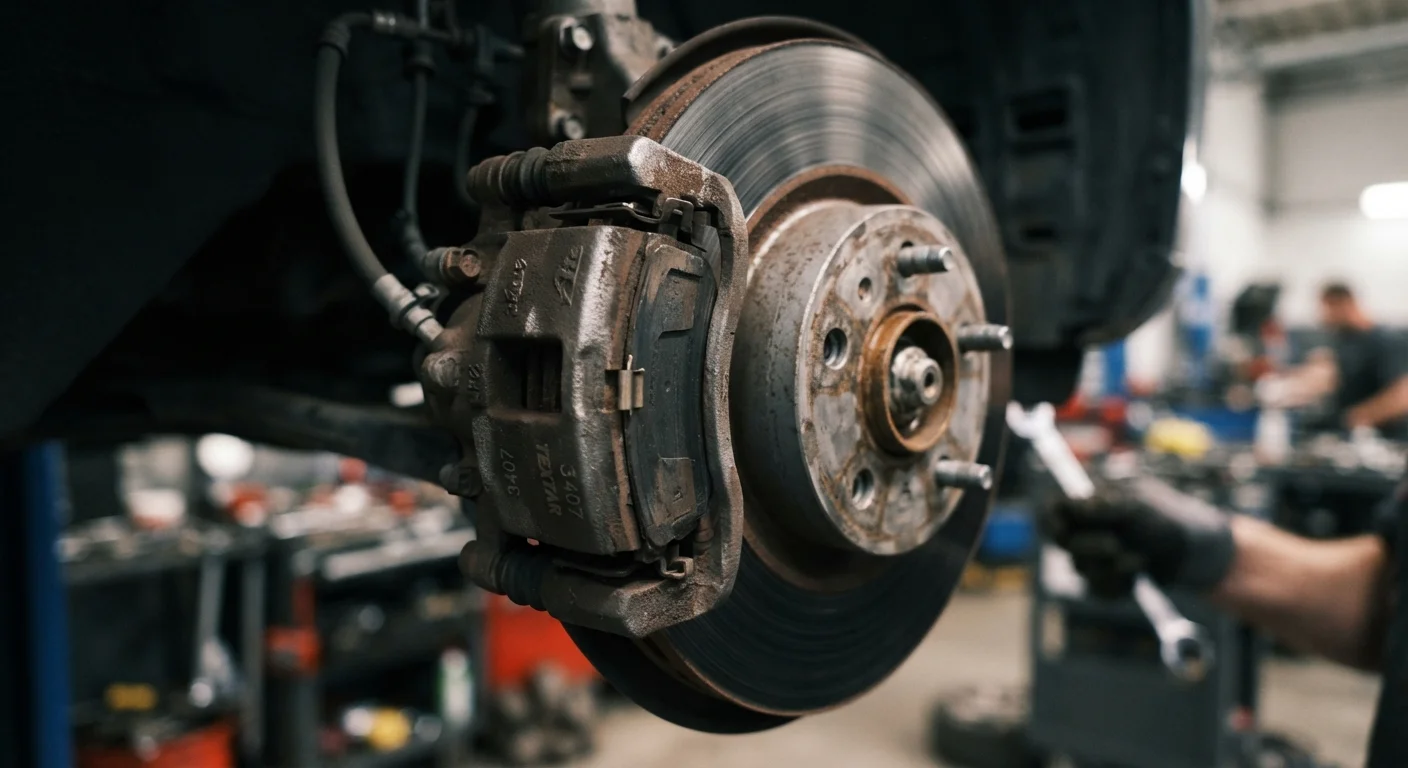
As mentioned in the definition above, brake pads are engineered with a metal wear indicator tab. Once the friction material wears thin, that tab drags against the rotor continuously, producing the characteristic high-pitched squeal you can hear even without pressing the brake pedal. This is not a glitch; it's a deliberate design feature telling you replacement is overdue.
Other mechanical causes include:
- Glazed pads or rotors: Overheated or improperly bedded-in brake components can develop a hardened, glassy surface that reduces friction and produces noise.
- Missing or worn anti-squeal shims: These thin layers of rubber or metal sit between the pad and caliper to dampen vibration. When they deteriorate, resonance turns into squeal.
- Warped rotors: Uneven rotor surfaces cause inconsistent pad contact, which can generate intermittent squealing or pulsation through the brake pedal.
~$300-$750
Typical cost when rotors also need replacing
Industry repair estimates suggest rotor replacement per axle adds significant cost beyond pads alone - reinforcing the value of early intervention.
20-50%
Brake pad life consumed by city vs. highway driving
Stop-and-go urban driving can wear brake pads significantly faster than steady highway miles, affecting how often inspections are needed.
See our guide to fluid checks between service visits for how monitoring brake fluid levels fits into your routine.
Sounds That Mean Stop Driving and Call a Mechanic
There is a clear escalation in brake noise that drivers should understand. Squealing is a warning. Grinding is an emergency.
A metal-on-metal grinding sound - deeper, harsher, and often felt through the brake pedal - means the pad material has worn through entirely. The steel backing plate is now contacting the rotor directly. At this stage, rotors are being actively damaged with every stop, your braking distance is likely increasing, and what was a pad-only replacement job has become a significantly more expensive repair.
Other sounds and sensations that demand prompt professional inspection include:
- A scraping sound that occurs even when not braking (possible debris lodged in the caliper, or a dragging caliper piston)
- Vibration or pulsing through the brake pedal when stopping
- The vehicle pulling to one side during braking
- A soft or spongy pedal that sinks further than usual
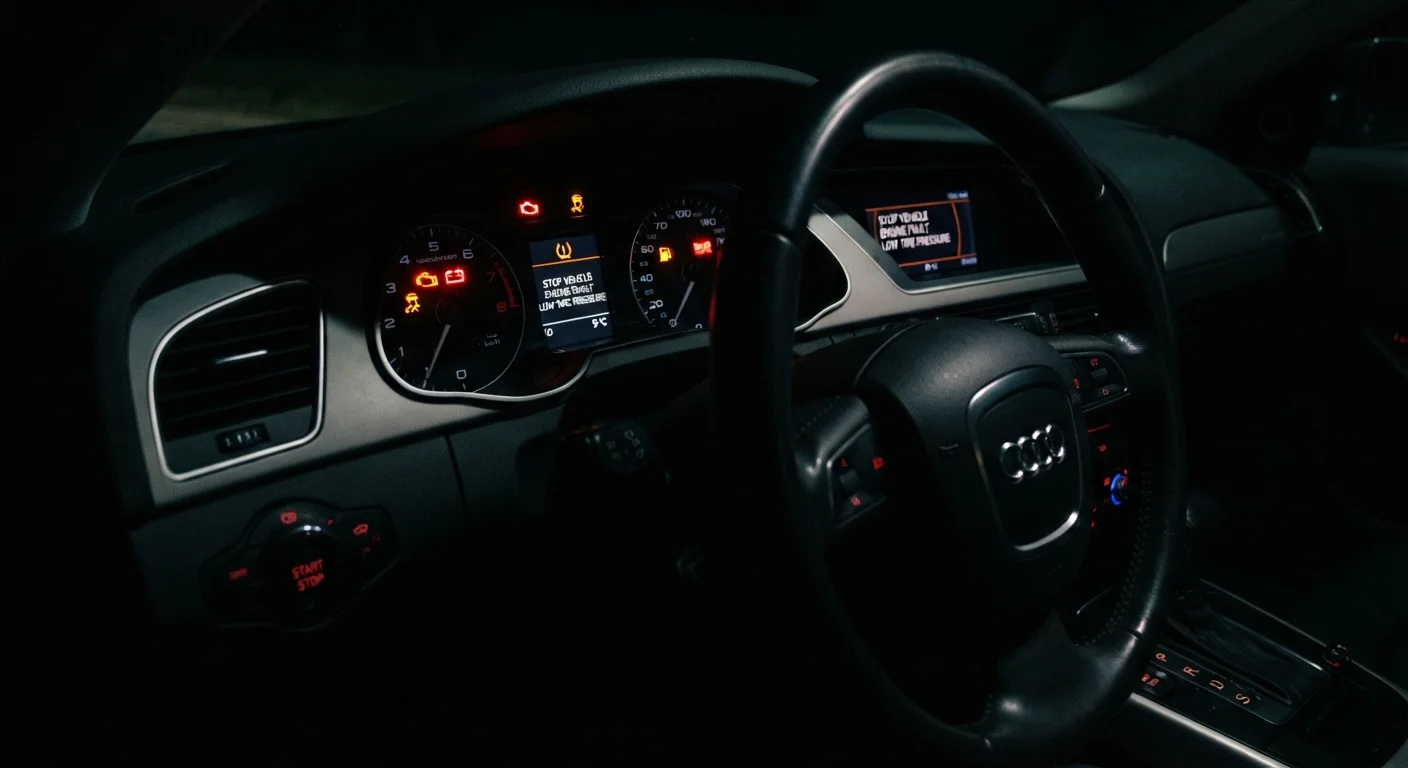
Any of these symptoms, especially in combination, warrant an immediate mechanic visit. Brake systems are safety-critical; these are not issues to monitor and revisit later. See our guide to dashboard warning lights if a brake-related light has also appeared.
Brake Inspections Are Usually Low-Cost or Free
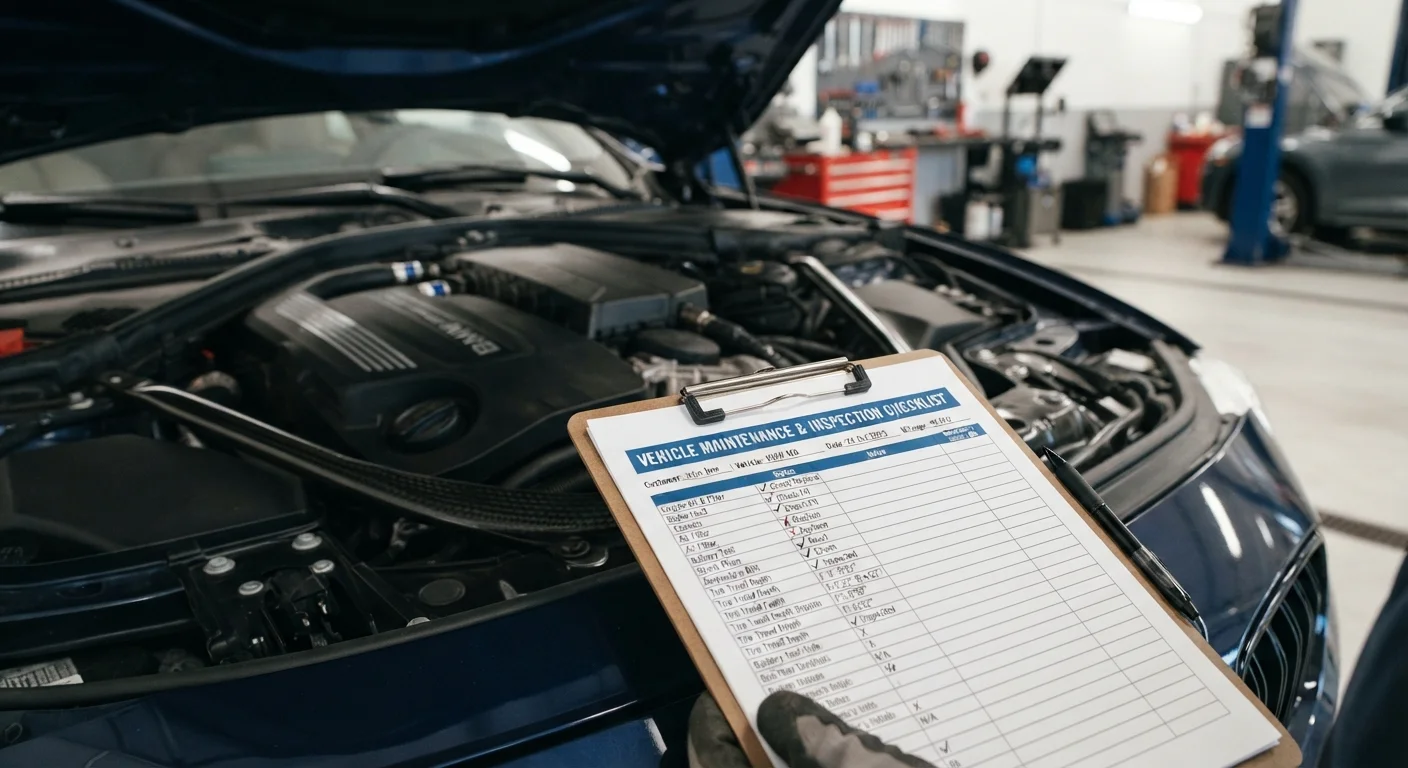
Many repair shops offer complimentary brake inspections when you bring a vehicle in for other service, or as a standalone appointment. An inspection gives you an accurate read on pad thickness, rotor condition, and caliper function - far more reliable than guessing from sound alone. If a shop recommends immediate replacement, ask to see the measurements.
How to Stay Ahead of Brake Problems
Brake maintenance doesn't have to be reactive. Most brake issues that turn into expensive repairs were detectable well before they escalated.
A few practical habits make a real difference:
- Know your service intervals. Most vehicles recommend brake inspections every 12,000 miles or at least annually. Pad life varies by driving style and conditions - city driving wears pads faster than highway driving. Check your owner's manual and see our maintenance schedule explainer for context on service milestones.
- Listen actively. Pay attention when braking in a quiet environment - a parking lot, for example. New sounds are informative.
- Check brake fluid. Low or dark brake fluid can indicate a system leak or fluid degradation, both of which affect braking performance.
- Don't ignore warning signs. A squeal that started a week ago and hasn't gone away is not going to resolve itself.
Catching worn pads early - before they reach the wear indicator - typically means replacing only the pads. Waiting until you hear grinding almost always means replacing rotors too, which roughly doubles or triples the cost.