How Dashboard Warning Lights Work
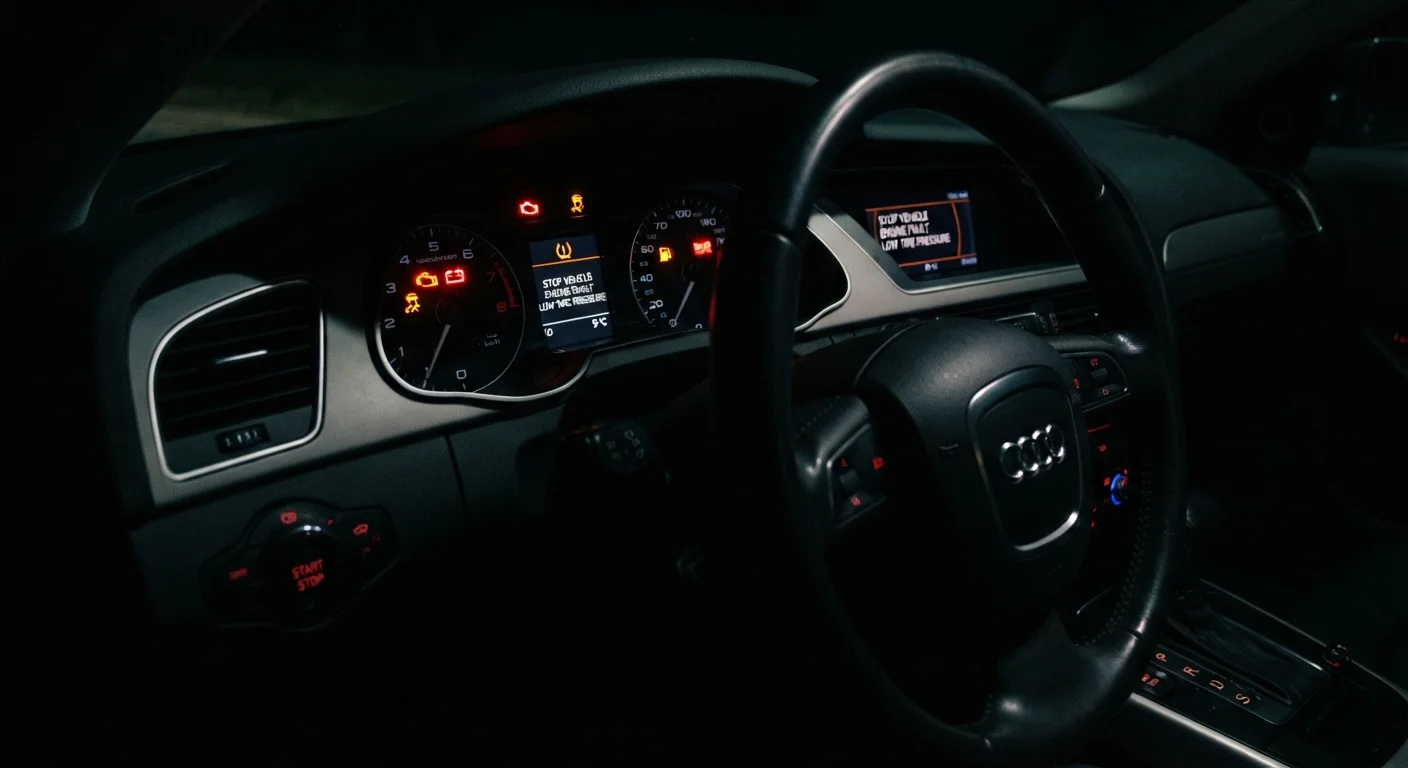
Modern vehicles monitor dozens of systems simultaneously through an onboard diagnostics network. When a sensor detects a reading outside its acceptable range, it triggers a warning light on your instrument cluster. The color of the light is your first signal about urgency.
Red means stop or act immediately - continuing to drive could cause serious damage or create a safety hazard. Amber/yellow means something needs attention soon, but you typically have time to schedule service. Green or blue lights are informational, confirming an active system like high beams or cruise control.
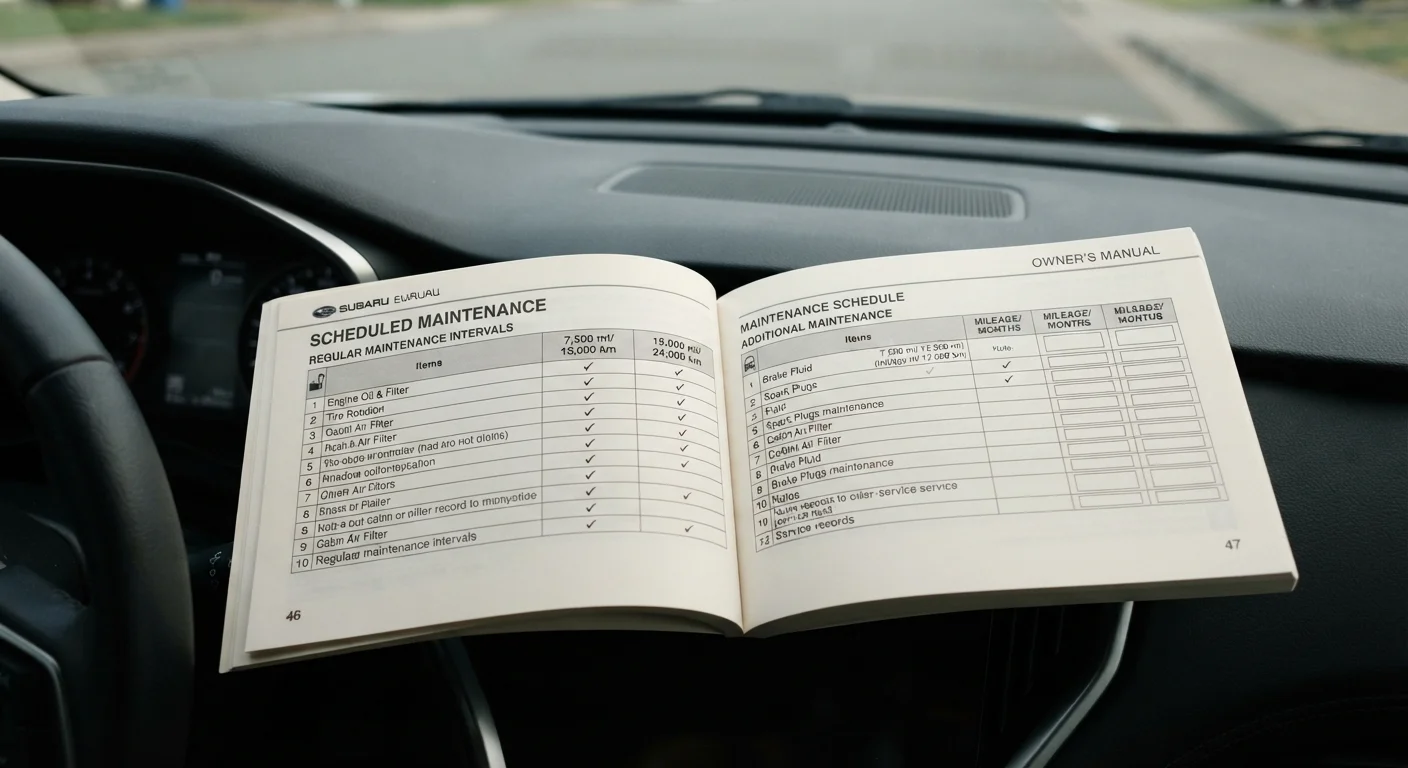
Your owner's manual is the most accurate source for your specific vehicle's indicator symbols. See how to navigate the maintenance sections most drivers skip for guidance on getting the most from that resource.
| Colors and urgency levels | Red = immediate; Amber = soon; Green/Blue = informational |
| OBD-II standardization date | Required on all US passenger vehicles since 1996 (US Environmental Protection Agency) |
| TPMS federal requirement | Mandatory on all new US passenger vehicles since 2008 (National Highway Traffic Safety Administration (NHTSA)) |
| Flashing check engine light | Treat as urgent - may indicate active engine misfire |
| Door jamb tire placard | Lists the manufacturer's recommended tire pressure for your specific vehicle |
The Warning Lights That Demand Immediate Attention
The following red-category lights should prompt you to pull over safely as soon as possible and avoid driving further until the issue is resolved.
- Oil Pressure Warning (oil can icon): Low oil pressure can starve your engine of lubrication within minutes, causing catastrophic internal damage. Pull over, shut off the engine, and check your oil level. Do not restart the engine and drive if the light returns immediately.
- Engine Temperature Warning (thermometer in water icon): Your engine is overheating. Turn off the air conditioning, pull over, and let the engine cool before opening the hood. Never open a hot radiator cap.
- Battery/Charging System Warning (battery icon): The charging system has failed. Your vehicle is running on battery power alone and may stop soon. Minimize electrical use and get to a service facility quickly.
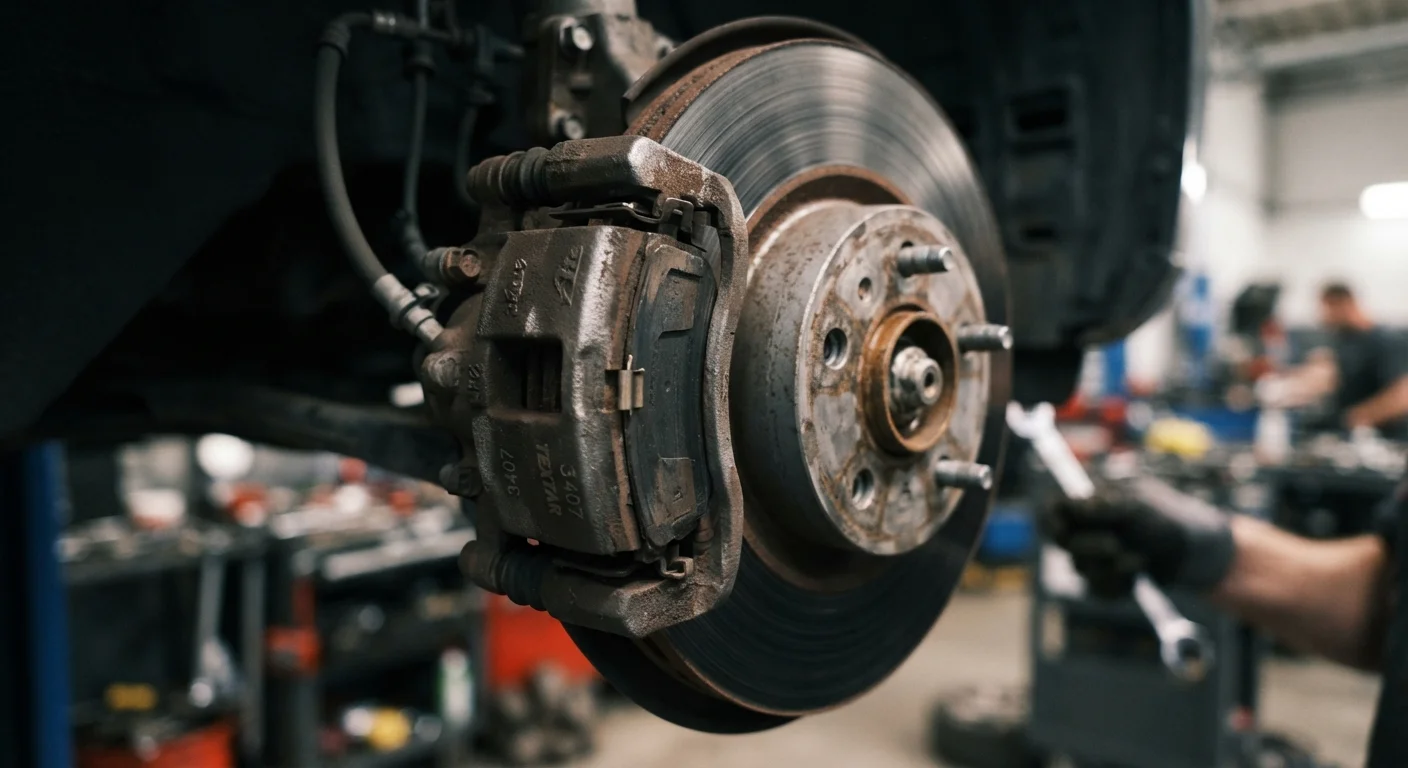
- Brake System Warning (exclamation in circle or "BRAKE"): If the parking brake is fully released and this light is on, it may indicate low brake fluid or a hydraulic failure. Brake system problems that can't wait should be evaluated by a qualified mechanic immediately.
When in Doubt, Don't Drive
If a red warning light appears and you are unsure of the cause, the safest choice is to stop driving and contact a qualified mechanic or roadside assistance. Continuing to operate a vehicle with an unknown critical fault can turn a manageable repair into a far more expensive - or dangerous - situation. No appointment or errand is worth risking engine failure or brake loss.
Amber Lights: Schedule Service Promptly
These indicators signal a problem that doesn't require stopping immediately but should be addressed within days, not weeks.
OBD-II
On-Board Diagnostics, second generation - a standardized system built into all US vehicles since 1996 that monitors emissions, engine, and drivetrain performance and stores fault codes technicians can retrieve.
Diagnostic Trouble Code (DTC)
A standardized alphanumeric code stored by your vehicle's computer when a sensor reading falls outside its normal range. A mechanic uses a scanner to read these codes and diagnose the root cause.
TPMS
Tire Pressure Monitoring System - federally required on all US passenger vehicles since 2008, it alerts the driver when a tire drops roughly 25% below the recommended inflation pressure.
Catalytic Converter
An exhaust system component that converts harmful combustion byproducts into less harmful gases. Engine misfires can force raw fuel into the converter, causing heat damage that is expensive to repair.
- Check Engine Light (engine silhouette): One of the most misunderstood lights on any dashboard. It can indicate anything from a loose gas cap to a misfiring cylinder. A mechanic can retrieve the stored diagnostic trouble code (DTC) with an OBD-II scanner to identify the cause. If the light is flashing rather than steady, treat it as urgent - a flashing check engine light typically signals an active engine misfire that can damage your catalytic converter.
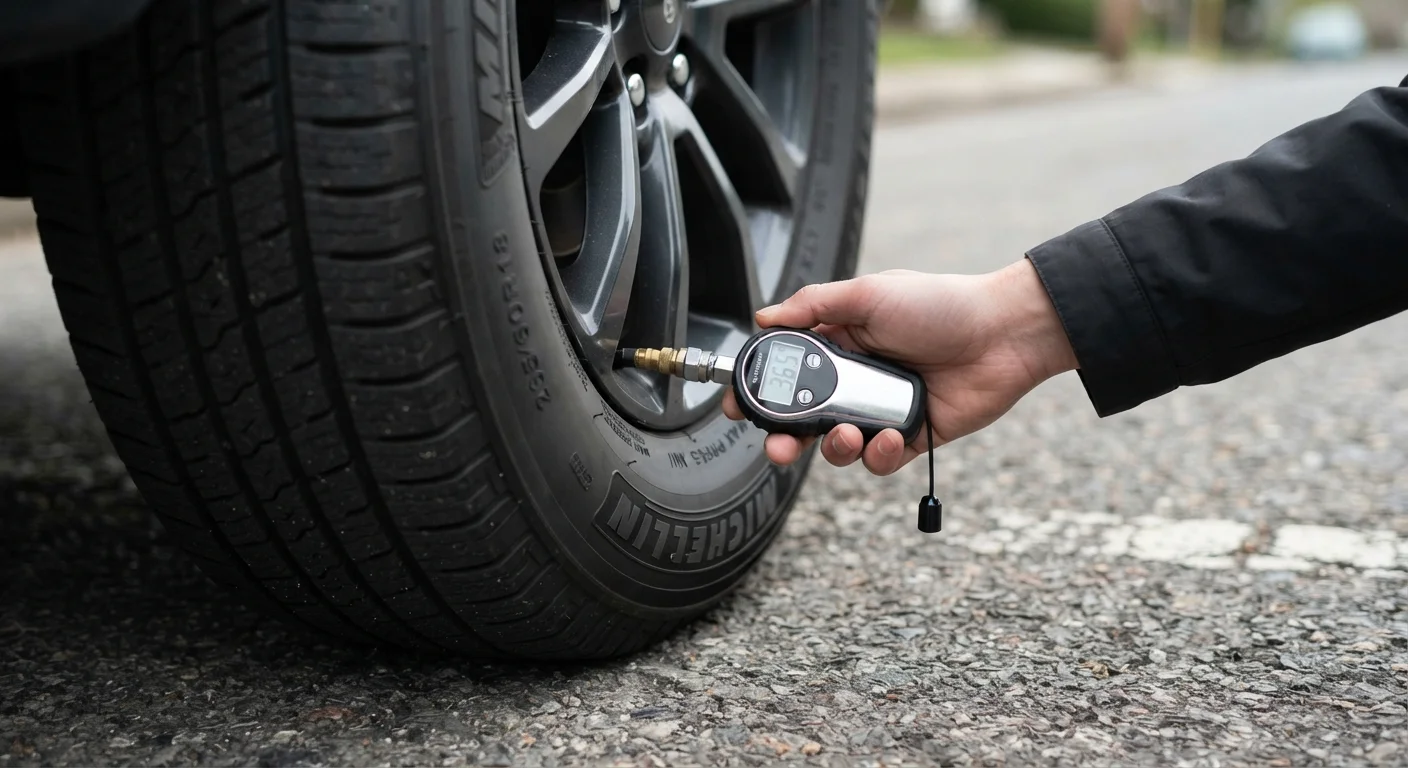
- Tire Pressure Monitoring System / TPMS (flat tire icon): One or more tires have dropped significantly below the recommended pressure. Check all four tires with a gauge and inflate to the placard specification found on your driver's door jamb. See the key tire safety numbers every driver should know for a fuller reference.
- Traction Control / Stability Control (car with wavy lines): When lit while driving on a slippery surface, it's working as designed. If it stays on in normal conditions, a wheel speed sensor or other system component may need attention.
- Transmission Temperature Warning: The transmission fluid is running hotter than normal. Reduce load if possible (avoid towing) and have the system inspected soon.
Staying current with your vehicle's service intervals helps prevent many amber-light situations before they develop. Review what each milestone on your maintenance schedule actually means to stay ahead of issues.