What a Maintenance Schedule Actually Contains
At its core, a maintenance schedule is a list of tasks organized by mileage milestones - commonly every 5,000, 15,000, 30,000, 60,000, and 100,000 miles - alongside time-based thresholds such as every 6 or 12 months. Each milestone targets specific components that wear, degrade, or accumulate contamination at predictable rates.
Common items across most schedules include:
- Engine oil and filter: The most frequent task. Oil lubricates moving parts and breaks down over time and mileage.
- Tire rotation: Evens out wear patterns across all four tires, extending their usable life.
- Air and cabin filters: Protect the engine and passenger compartment from dust and debris.
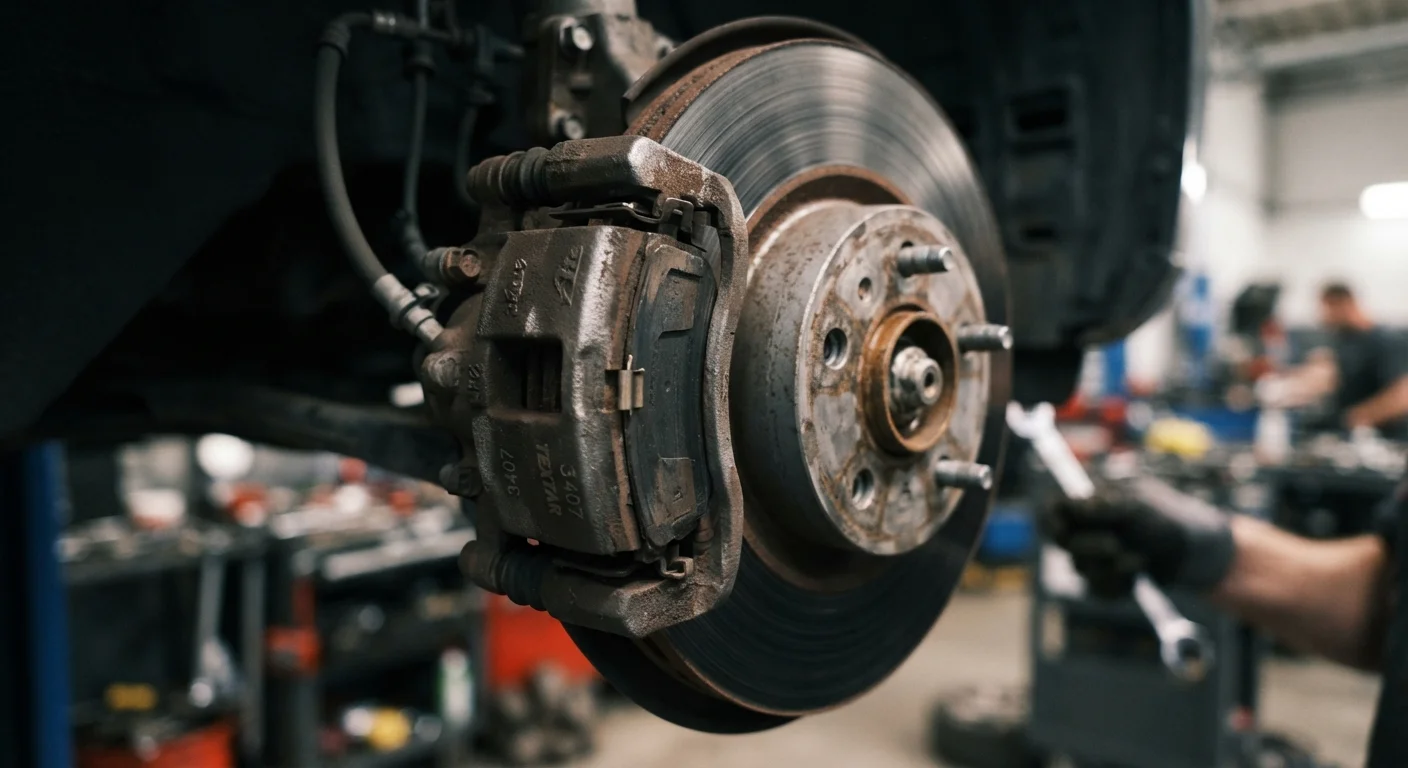
- Brake inspection: Pads, rotors, and fluid are checked for wear and contamination. If you notice noise, see why your brakes may be squealing for context on when it warrants immediate attention.
- Coolant and transmission fluid: Fluids degrade and lose effectiveness, potentially causing significant component damage if left too long.
- Spark plugs and drive belts: Typically addressed at higher mileage milestones but critical for engine performance and preventing failures.
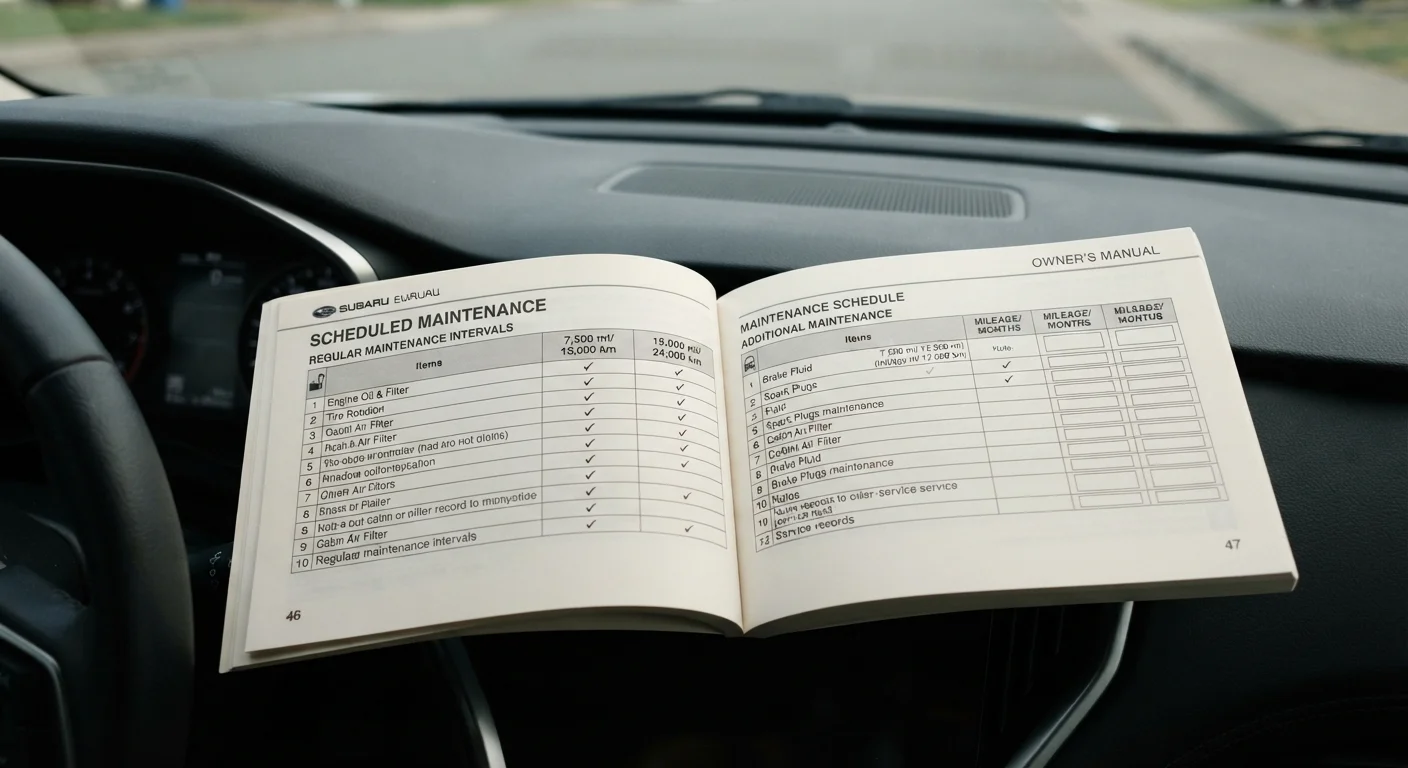
For a complete breakdown specific to your vehicle, your owner's manual holds more detail than most drivers realize.
Dealer vs. Independent Shop Schedules
Some dealership service departments promote additional services not listed in your owner's manual - such as fuel injector cleaning or throttle body service - at mileages where the manufacturer doesn't require them. Your owner's manual is the authoritative reference. It's reasonable to ask any service advisor to point to the specific manual page or manufacturer bulletin that supports a recommended service before agreeing to it.
How to Read Mileage and Time Intervals
Every maintenance item carries two thresholds: a mileage figure and a time period. The rule is straightforward - service is due when either threshold is reached first. A driver who puts only 5,000 miles per year on their vehicle still needs an annual oil change even if the mileage interval hasn't been hit, because oil ages chemically regardless of use.
7,500-10,000 mi
Typical synthetic oil change interval
Many modern vehicles using full-synthetic oil carry manufacturer-recommended oil change intervals well beyond the outdated 3,000-mile guideline.
30,000 mi
Common milestone for major fluid services
Transmission fluid, coolant, and brake fluid are frequently flagged for inspection or replacement around the 30,000-mile mark, though intervals vary by manufacturer.
2x
Repair cost multiplier for deferred maintenance
Industry service data consistently shows that repairs resulting from neglected scheduled maintenance cost substantially more than the original service would have.
This dual-trigger system trips up many drivers who assume low usage exempts them from scheduled service. It doesn't. Rubber degrades, fluids oxidize, and moisture can accumulate in brake fluid over time - none of which depends on the odometer.
Understanding this distinction also helps you budget. Mapping out the next two or three service intervals gives you a clearer picture of upcoming costs - something explored in more depth in managing vehicle ownership costs over the long haul.
Normal vs. Severe Driving Conditions
Most owner's manuals include two maintenance tracks: one for normal driving and one for severe or special operating conditions. The severe schedule applies more frequently and covers drivers who regularly experience:
- Extended idling or heavy stop-and-go traffic
- Frequent short trips under five miles, especially in cold weather
- Towing, hauling, or carrying heavy loads
- Dusty, muddy, or off-road environments
- Extreme heat or cold
If several of these describe your driving, the standard schedule may not be sufficient. Many urban commuters, for instance, technically fall into the severe category despite never leaving city streets - repeated short trips prevent the engine from reaching full operating temperature, which accelerates oil degradation and moisture buildup.
Use Your Owner's Manual as Your Starting Point
Before scheduling any service, open your owner's manual to the maintenance section and check both the mileage and time thresholds for every item due. Some automakers also provide digital versions of their manuals through official websites or apps. Cross-referencing what a shop recommends against what your manual actually specifies keeps you informed and in control of service decisions.
Seasonal factors add another layer of complexity. Seasonal maintenance preparation covers which components deserve extra attention as temperatures shift, particularly for drivers in climates with harsh winters or intense summer heat.
Why Sticking to the Schedule Protects Your Investment
Routine maintenance is, at its core, a cost-control strategy. Components like timing belts, water pumps, and transmission fluid are relatively inexpensive to service on schedule. Left unattended, their failure typically damages surrounding parts - turning a $150 service into a $1,500 or higher repair bill.
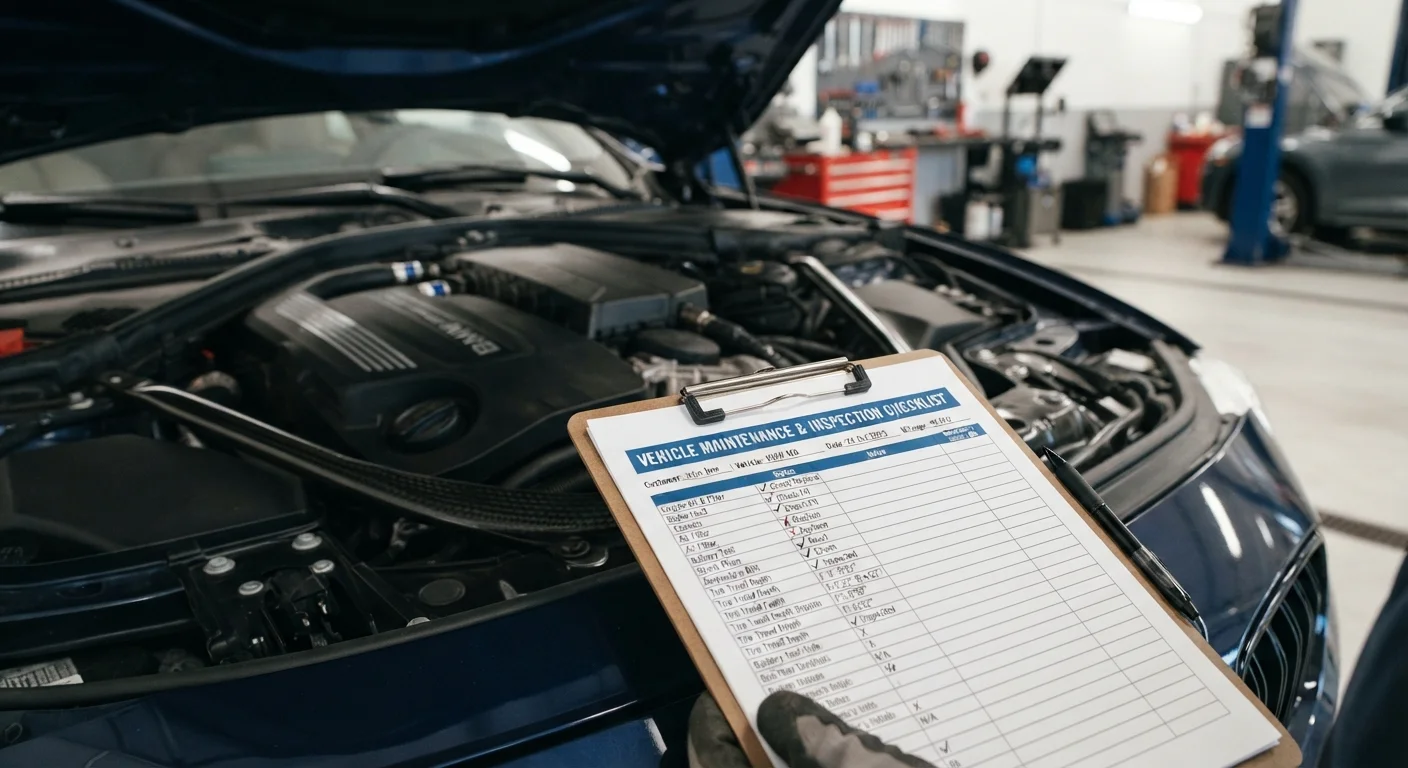
Beyond individual repairs, a documented service history supports your vehicle's resale value. Buyers and dealers routinely factor maintenance records into their assessments. It also keeps you informed: regular inspections catch developing problems - worn brake pads, a fraying belt, a leaking seal - before they become roadside emergencies.
Dashboard warning lights are one signal that something has already escalated. Understanding what those lights mean helps you respond appropriately, but proactive maintenance reduces the likelihood you'll see most of them in the first place.
For a closer look at the specific financial consequences of delayed services, the real costs of skipping routine maintenance traces how small deferrals compound into significant expenses.