What Each Approach Actually Does
Stretching and mobility work are often mentioned in the same breath - and sometimes used as synonyms - but they target different aspects of physical function. Understanding the distinction helps you use each tool more intentionally.
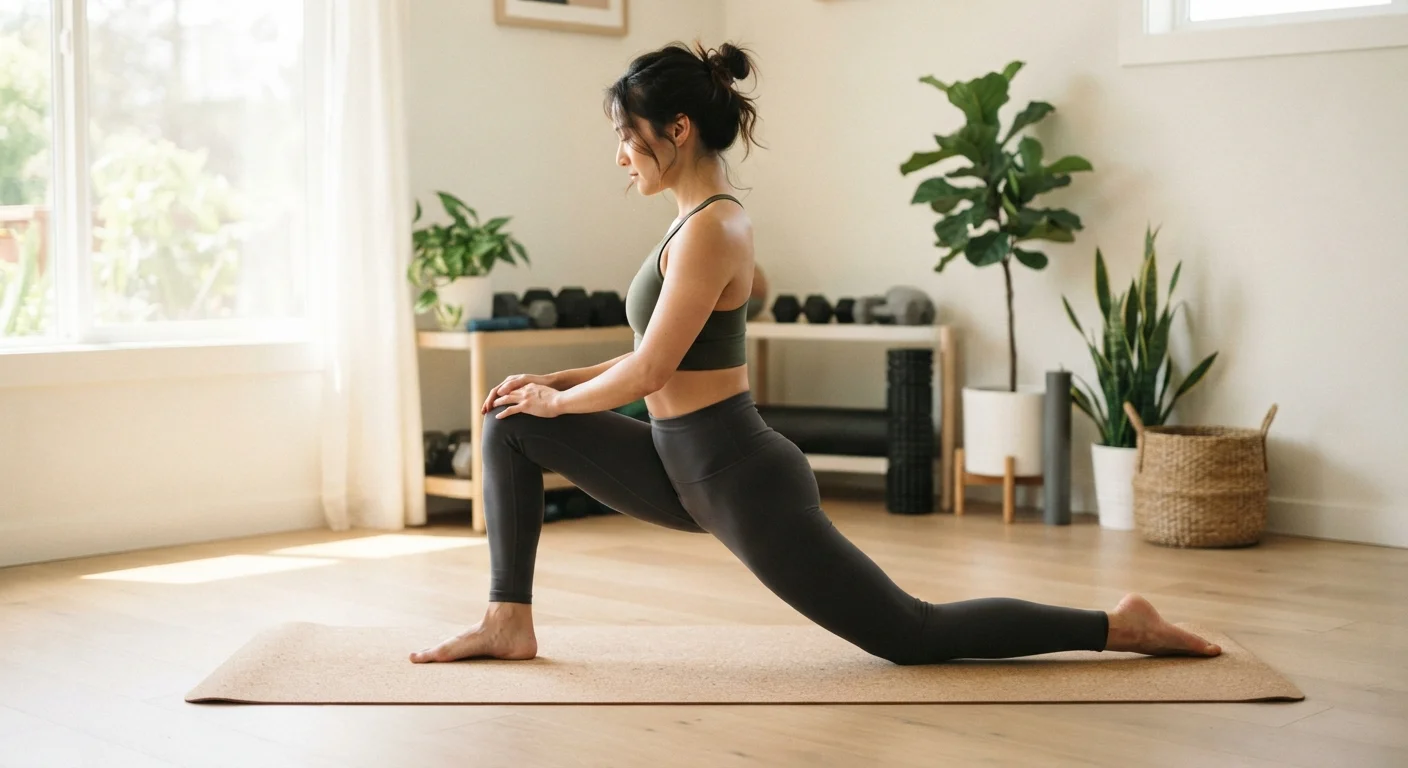
Stretching refers to techniques that lengthen a muscle or group of muscles, typically by holding a position for a period of time (static stretching) or moving through a controlled range repeatedly (dynamic stretching). The goal is to reduce tension and increase the muscle's ability to elongate. This is what most people picture when they think about touching their toes or holding a quad stretch.
Mobility work is broader. It focuses on a joint's ability to move through its full range of motion actively - meaning under muscular control, not just passive lengthening. Mobility exercises often include elements of strength at end ranges, joint circles, and movement patterns that train your nervous system to feel safe and stable in a wider range of positions. Having a flexible hamstring is not the same as having full hip mobility; you need both length and control.
For desk workers especially, this distinction matters. Movement strategies for desk workers often need to address both the tight muscles that come from sustained postures and the reduced joint control that develops when certain ranges go unused for hours each day.
| Criterion | Stretching | Mobility Work |
|---|---|---|
| Primary goal | Lengthen muscles, reduce tension | Improve joint range and active control |
| Type of range targeted | Passive (held or assisted) | Active (under muscular control) |
| Best timing | Post-workout or standalone | Pre-workout warm-up or standalone |
| Skill level required | Beginner-friendly | Low to moderate learning curve |
| Injury prevention role | Moderate - reduces muscle tightness | Stronger - builds joint stability |
| Equipment needed | None (strap optional) | None (resistance band optional) |
| Time commitment | 5-15 minutes effective | 10-20 minutes for full benefit |
When and How to Use Each One
Timing and context shape how effective either approach will be. Research generally suggests that static stretching held for 30-60 seconds is better suited to post-exercise cool-downs or standalone flexibility sessions rather than immediately before strength or speed-based activity, where it may temporarily reduce power output. Dynamic stretching and mobility drills, by contrast, are widely used as warm-ups because they increase blood flow and prepare joints for active ranges without that temporary strength reduction.
A practical way to think about it:
- Before a workout: Prioritize mobility drills and dynamic movement - leg swings, hip circles, thoracic rotations, and controlled joint movements that mirror what you're about to do.
- After a workout: Use static stretching to help muscles return toward resting length and to wind down the session.
- On rest days or as a standalone practice: Either can work. A yoga or dedicated flexibility session targets passive range; a mobility flow targets active control.
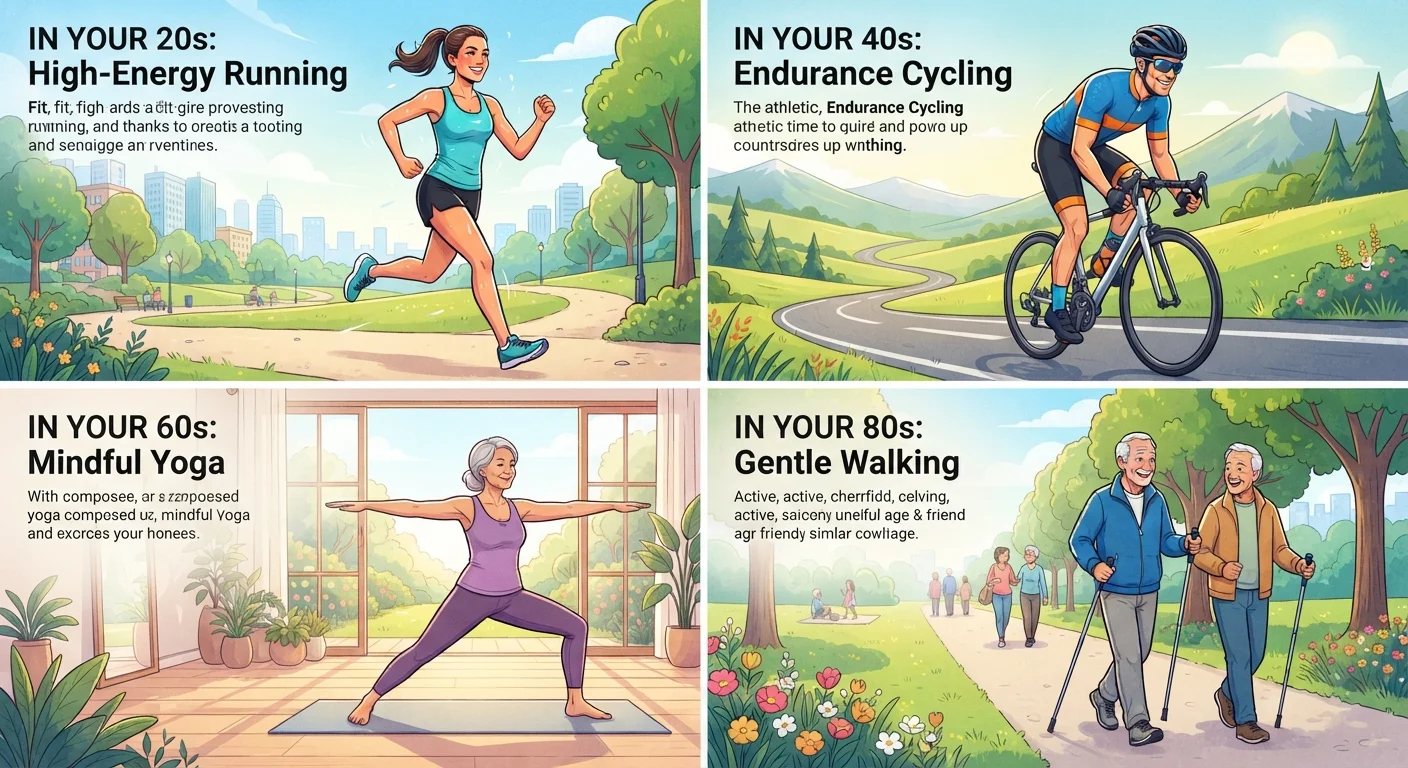
As physical activity needs shift across life stages, so does the value of each approach. How exercise needs shift as you age discusses how joint mobility and flexibility become progressively more important priorities from middle age onward.
37%
Adults reporting regular flexibility or stretching activity
According to data from the U.S. Centers for Disease Control and Prevention, fewer than 4 in 10 American adults engage in regular flexibility-focused activity as part of their routine.
2x/week
Recommended flexibility training frequency
The American College of Sports Medicine recommends flexibility exercises at least two days per week for each major muscle group as part of a complete fitness program.
30 sec
Optimal static stretch hold duration for adults
Research consistently supports holding static stretches for 10-30 seconds per repetition, with 30 seconds commonly cited as effective for improving range of motion in healthy adults.
Building a Routine That Includes Both
You don't need to choose one over the other. A well-rounded movement maintenance routine uses both approaches strategically. Even 10-15 minutes a few times per week can make a meaningful difference in how your body feels during everyday tasks.
A simple structure to consider:
- Start with mobility: 5-8 minutes of joint circles, controlled movement through end ranges, and dynamic patterns before your main activity.
- End with stretching: 5-10 minutes of static holds targeting the muscles most worked or most restricted in your daily posture.
- Add a dedicated session weekly: A longer mobility or yoga-style session that addresses the areas you rarely get to - hips, thoracic spine, ankles - builds capacity over time.
Low-impact exercise options pair naturally with both stretching and mobility work, particularly for people managing joint sensitivity or returning from inactivity. Practices like swimming and yoga incorporate both principles simultaneously.
It is also worth noting that the mental benefits of deliberate movement time - reduced tension, improved body awareness - connect to broader wellbeing. Mental wellbeing strategies and physical movement often reinforce each other in meaningful ways.
A Note on Hypermobility and Joint Pain
Not everyone benefits equally from more flexibility. People with hypermobility - joints that move beyond typical ranges - may need to prioritize stability and strength over additional stretching. Similarly, stretching into sharp or acute joint pain is not recommended. If you experience pain during movement rather than the mild discomfort of a stretch, that is a signal to consult a healthcare professional rather than push through.
This article is for general informational purposes only and does not constitute medical advice. If you have a current injury, joint condition, or chronic pain, consult a licensed physical therapist or qualified healthcare professional before beginning a new stretching or mobility program.