
Why a Mental Wellness Audit Is Worth Your Time
Most of us schedule time to review our finances, our fitness goals, or even our skincare routines - yet our mental wellbeing often goes unexamined until something feels noticeably wrong. A periodic mental wellness audit changes that. It gives you a structured moment to step back and honestly assess how you're doing across the areas that most influence psychological health.
This is general health education, not a clinical assessment or a substitute for professional care. Think of it as a personal temperature check - a way to surface patterns and flag areas that may deserve more attention. If anything you notice during this audit feels persistent, distressing, or out of character, please reach out to a qualified healthcare professional.
For broader context on why these areas matter, see our comprehensive mental wellbeing guide before working through this checklist.
This Is Not a Clinical Screening Tool
This audit is designed to encourage self-awareness and healthy reflection - it is not a diagnostic instrument and cannot tell you whether you have any mental health condition. Scores or impressions from a self-audit should never replace a formal evaluation by a licensed mental health professional. If you are concerned about your mental health, please consult a qualified provider.
Tools and Approaches That Support This Process
You don't need special equipment to conduct a personal wellness audit - but a few simple supports can make the process more effective and easier to revisit over time.
Notebook or journal
Record your reflections and track patterns across multiple check-ins over time.
Quiet, uninterrupted time (15-30 minutes)
Allow yourself space to reflect honestly without distractions or time pressure.
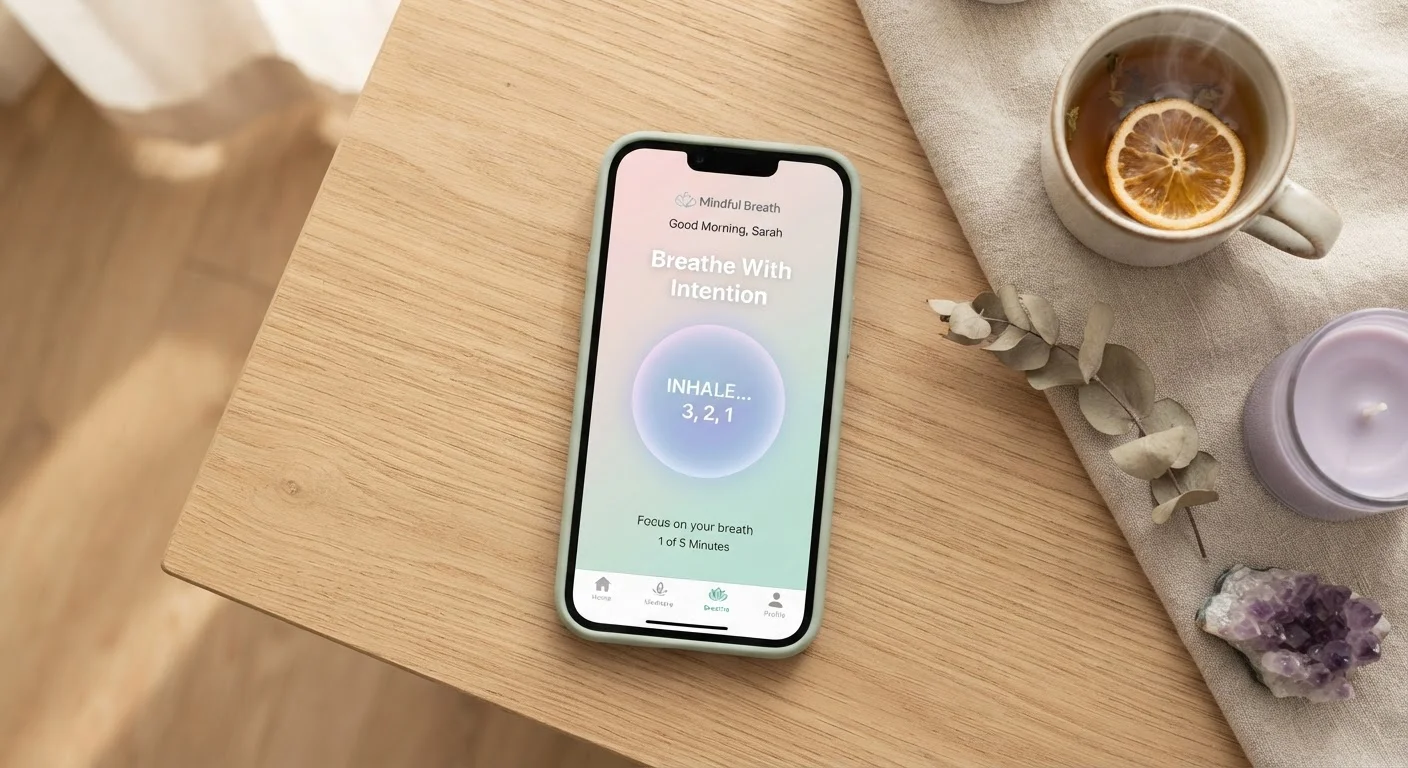
Mood or wellness tracking app
Log daily mood and sleep data to spot trends that are hard to notice in real time.
Calendar or planner
Schedule your next audit date so the habit becomes consistent rather than reactive.
If you're curious whether a dedicated app might help, our article on the honest trade-offs of digital wellness apps offers a balanced look at what these tools can and can't do.
Your Mental Wellness Audit Checklist
Work through each group at your own pace. There are no right or wrong answers - the goal is honest observation. Consider what your experience has been over the past two to four weeks, not just today.
Sleep Quality
Stress & Nervous System
Mood & Emotional Patterns
Social Connection & Support
Energy, Focus & Daily Function
If you find that stress frequently peaks before you can address it, grounding techniques for acute stress can offer immediate, evidence-informed relief in those moments.
Movement also plays a meaningful role in mood and energy. Exploring the Fitness & Movement hub can help you find approaches suited to your schedule and ability level.
When to Seek Professional Support
If your audit reveals persistent low mood, significant anxiety, inability to function day-to-day, or any thoughts of self-harm, please contact a healthcare professional promptly rather than relying on self-monitoring alone. In the US, the 988 Suicide and Crisis Lifeline (call or text 988) provides free, confidential support around the clock. A check-in with your primary care provider is always a reasonable first step when something feels consistently wrong.
Making This a Habit
A single audit is useful; a recurring practice is transformative. Most people find that monthly check-ins strike the right balance - frequent enough to catch drifts, infrequent enough not to feel burdensome. You might tie it to another routine review you already do, whether that's a monthly budget review or a seasonal reassessment of other habits.
Journaling for mental clarity is one of the most practical ways to track your observations over time - structured prompts or simple free writing both work well. Nutrition also interacts with mood and cognition in meaningful ways; a weekly eating habits audit can complement what you discover here.
Above all, approach this audit with curiosity rather than judgment. Noticing that something is off is not a failure - it is the first and most important step toward addressing it.
This article is for informational and educational purposes only and does not constitute medical or mental health advice. If you are experiencing a mental health crisis or your symptoms are interfering with daily life, please contact a qualified healthcare professional or a crisis support service.