
What Each Term Actually Means
Mindfulness and meditation are genuinely related, which is why they get conflated so often. But treating them as identical can leave people frustrated - especially if they assume they need a meditation cushion and 30 free minutes just to feel present.
Mindfulness is a mental quality: the practice of paying deliberate, non-judgmental attention to the present moment. It's not a technique you do at a set time - it's a way of engaging with whatever is already happening. You can be mindful while eating, walking, or listening to someone talk. The goal is noticing your experience - thoughts, sensations, emotions - without immediately reacting to or analyzing it.
Meditation is a formal practice - a set of techniques performed intentionally, usually in a dedicated session. It's a broad category that includes breath awareness, body scan, visualization, loving-kindness, and many other approaches. Meditation is often how people develop mindfulness, but it can also train other mental capacities like compassion, focus, or equanimity.
A useful analogy: mindfulness is the destination, and many forms of meditation are vehicles that can take you there. But mindfulness can also be practiced without formal meditation at all.
| Criterion | Mindfulness | Meditation |
|---|---|---|
| What it is | A quality of present-moment awareness | A structured technique or practice |
| When it happens | Anytime, woven into daily activities | During a dedicated session |
| Time required | No extra time needed | Typically 5-30 minutes per session |
| Primary goal | Non-judgmental awareness of the present | Training specific mental skills or states |
| Learning curve | Low - can start immediately | Moderate - benefits from instruction or guidance |
| Common forms | Mindful eating, walking, listening | Breath focus, body scan, loving-kindness |
How Each One Works in Practice
Because mindfulness is an ongoing orientation rather than a scheduled event, it looks different from meditation in day-to-day life.
Practicing mindfulness informally might mean noticing the temperature of water while washing your hands, observing when your mind wanders during a conversation, or taking three deliberate breaths before responding to a stressful message. These moments don't require silence or stillness - they require only intention.
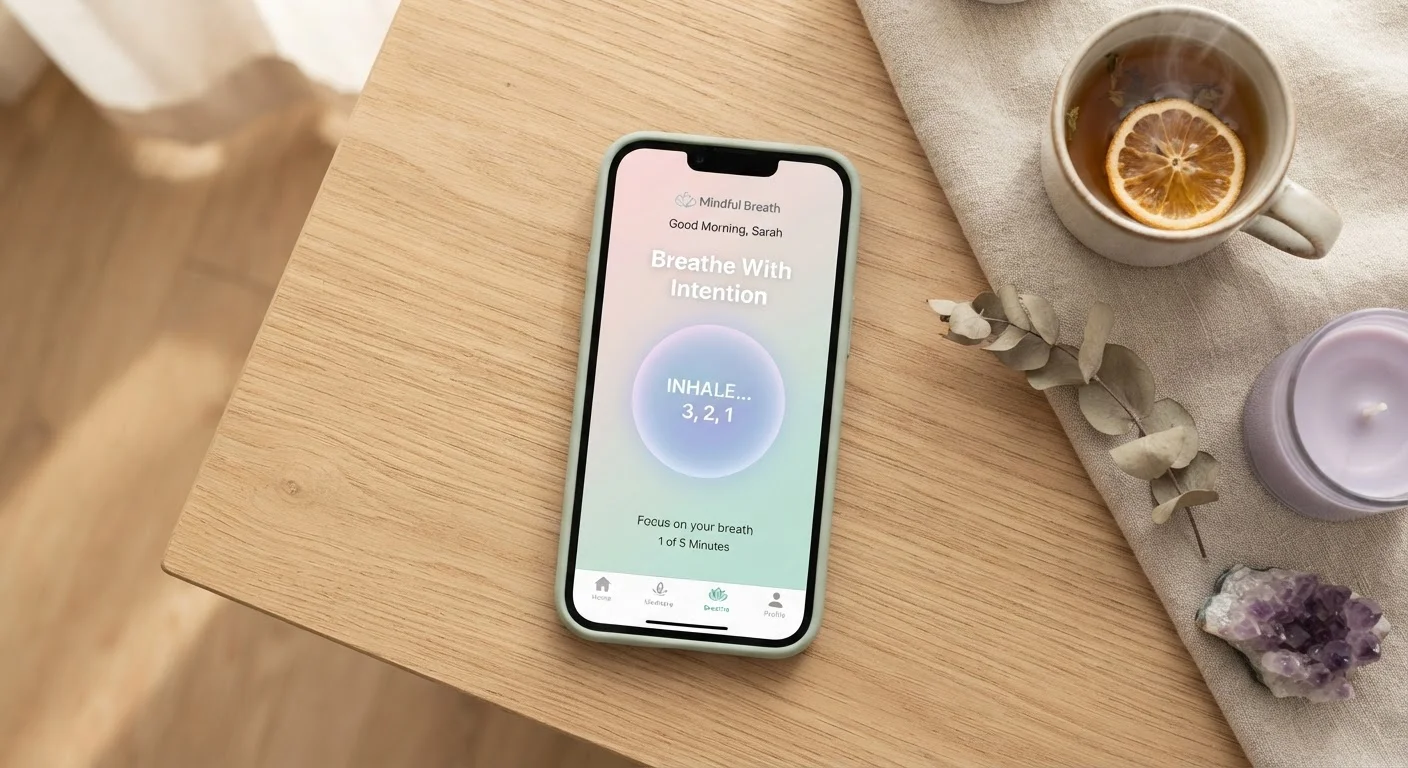
Practicing meditation formally typically means sitting (or lying) quietly for a set period - often anywhere from five to thirty minutes - and directing attention according to a specific method. A breath-focused session, for example, asks you to anchor attention on the physical sensation of breathing and gently return whenever the mind drifts. Apps, guided audio, and in-person classes can all structure this experience.
A Note on Research and Expectations
Studies on mindfulness and meditation have grown substantially over the past two decades. Many show reductions in self-reported stress and anxiety, along with changes in brain activity patterns associated with attention and emotional regulation. However, effects vary by individual, practice type, and duration. Researchers continue to refine their understanding of which populations benefit most and under what conditions. Approach both practices as tools that may support wellbeing - not guaranteed cures.
Both approaches have been studied for their effects on stress, anxiety, and general wellbeing. Research consistently shows benefits from regular practice of either - though study designs, populations, and outcome measures vary widely, so it's wise to interpret findings with some nuance. If you're managing a diagnosed mental health condition, consult a qualified mental health professional before relying solely on either practice as treatment.
Mindfulness and meditation also pair well with other reflective habits. If you're interested in adding another layer to your mental wellness toolkit, explore journaling approaches that support mental clarity. And if you're curious about how technology fits in, digital wellness apps have real trade-offs worth understanding before you download one.
Choosing What Fits Your Life
Neither practice is inherently superior - the right choice depends on your goals, schedule, and temperament.
If your primary struggle is getting through high-stress moments during the day - back-to-back meetings, a noisy household, constant context-switching - informal mindfulness may offer immediate relief without adding another obligation to your calendar. The barrier to entry is low: there's nothing to download, no time to carve out, and no wrong way to start.
If you're looking to build something more deliberate - a routine, a skill, a sense of mental resilience over time - structured meditation gives you a repeatable framework. Even brief daily sessions of five to ten minutes have been associated with measurable shifts in how people perceive and respond to stress, according to several published studies.
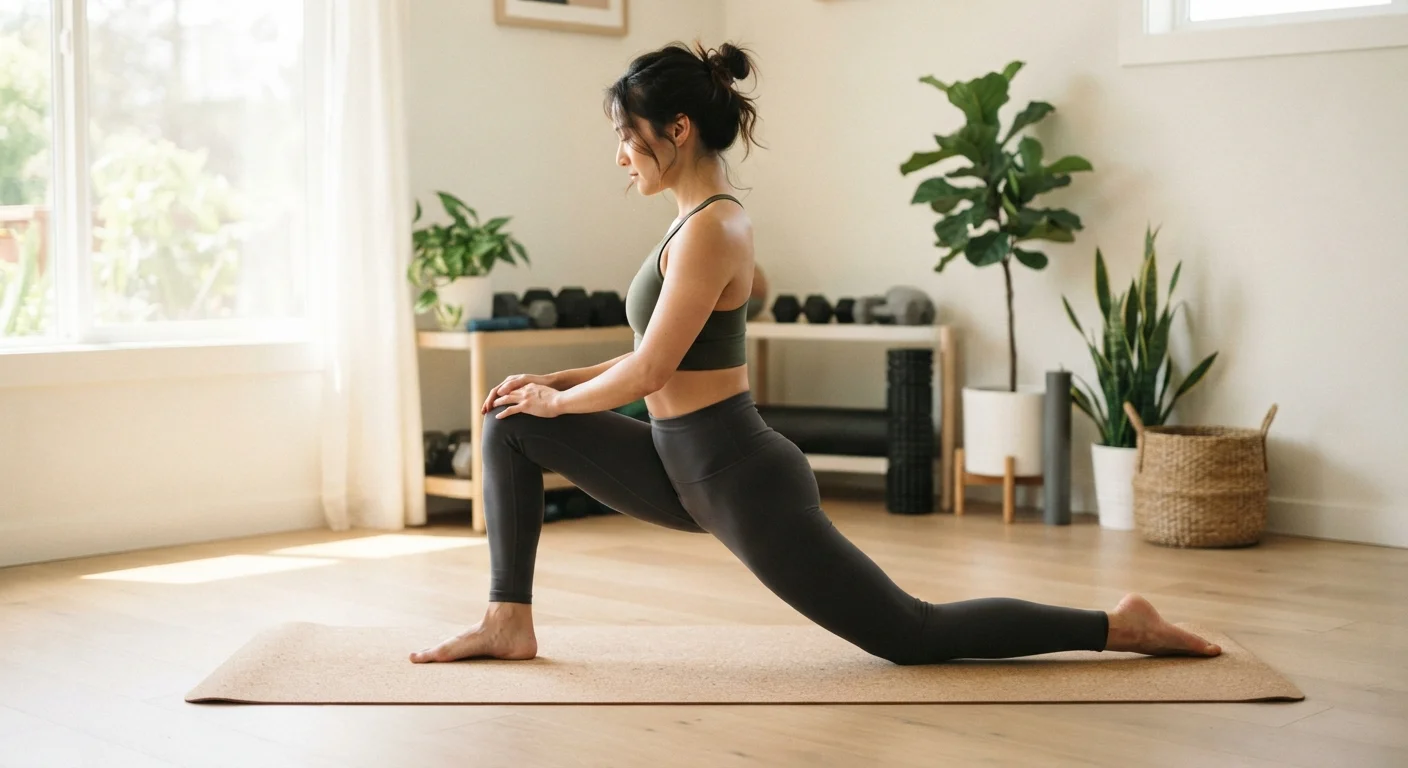
Many people find the most value in combining both: using meditation sessions to sharpen awareness, then carrying that quality of attention into the rest of their day. It's also worth noting that body-based practices like yoga or mobility work can serve as a bridge - they encourage present-moment focus while also addressing physical wellbeing. The Fitness & Movement hub covers how movement and mental wellness intersect.
This article provides general health and wellness information only and is not a substitute for professional mental health advice, diagnosis, or treatment. If you are experiencing symptoms of anxiety, depression, or any other mental health condition, please consult a qualified healthcare professional.