What Paint Sheen Actually Means
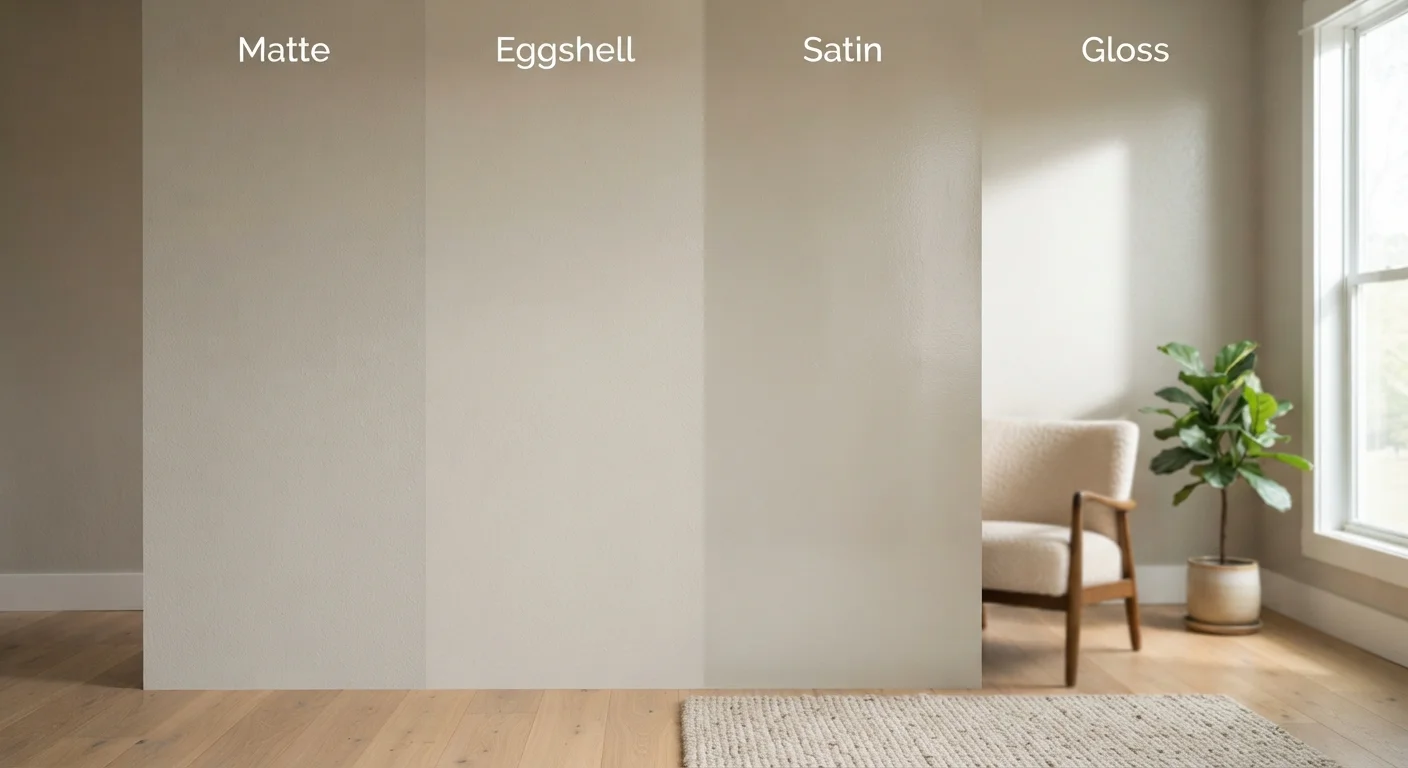
Paint sheen refers to how much light a dried paint surface reflects. Manufacturers measure this using a gloss unit (GU) scale, and the higher the number, the shinier the finish. But sheen isn't purely cosmetic - it directly affects how washable, durable, and forgiving a surface will be over time.
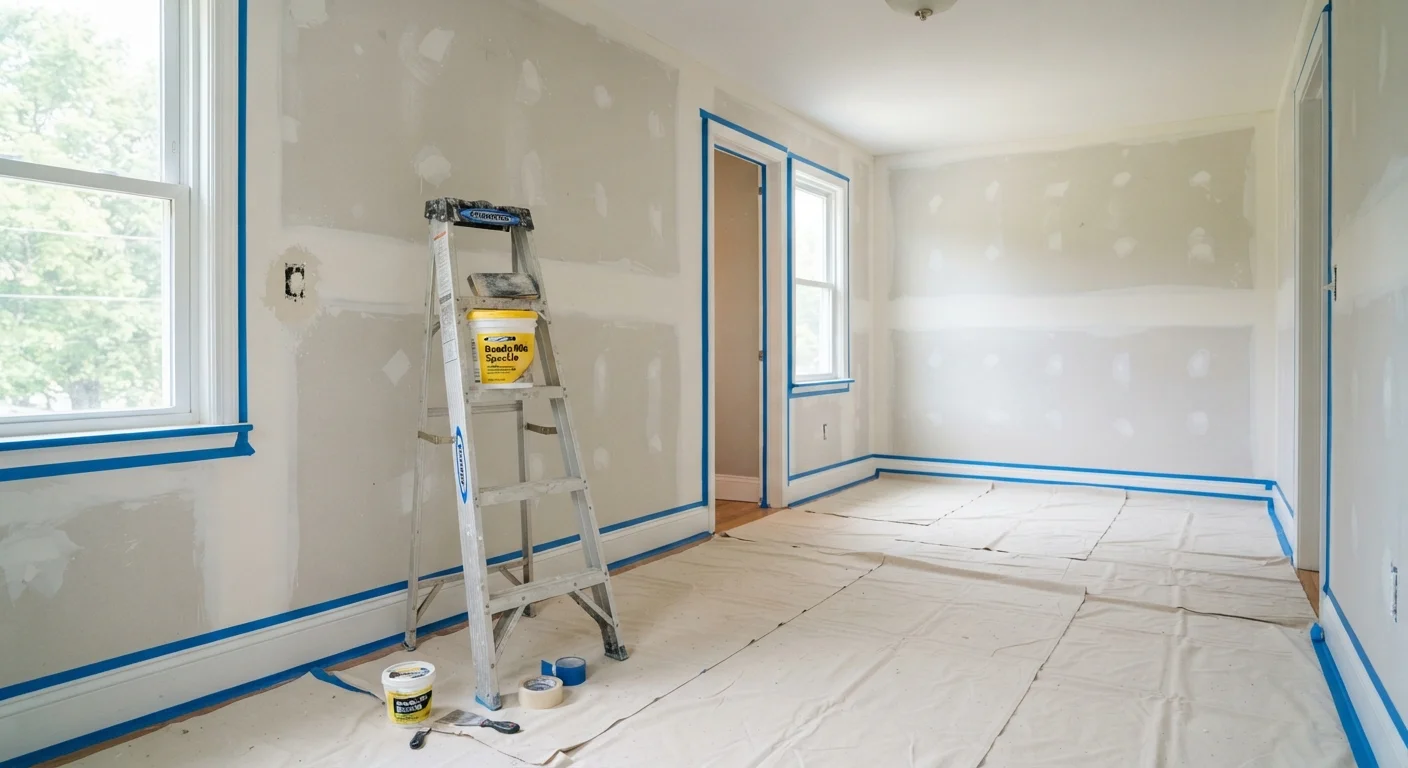
The four finishes you'll most commonly encounter - matte, eggshell, satin, and gloss - each occupy a different position on that scale. Understanding where they sit helps you make a practical decision before you ever open a can. Before you choose a finish, it's also worth reviewing how professional painters prepare a surface, since even the best finish performs poorly over inadequate prep work.
Side-by-Side: How the Four Finishes Compare
The table below breaks down the key attributes of each finish so you can match them to your specific rooms and surfaces.
| Matte | Eggshell | Satin | Semi-Gloss / Gloss | |
|---|---|---|---|---|
| Sheen level | Flat / no shine | Very low sheen | Soft, velvety glow | High shine |
| Cleanability | Low - scuffs easily | Moderate | Good - resists scrubbing | Excellent |
| Hides wall imperfections | Best | Good | Moderate | Poor - highlights flaws |
| Moisture resistance | Low | Low to moderate | Good | Best |
| Typical use | Ceilings, low-traffic rooms | Living rooms, bedrooms | Kitchens, baths, kids' rooms | Trim, doors, cabinets |
| Touch-up ease | Easy - blends well | Good | Moderate - can show patches | Difficult - sheen mismatch visible |
One important nuance: higher sheen makes surface imperfections - nail pops, patches, uneven texture - more visible under raking light. If your walls have flaws you'd rather not highlight, a flatter finish is more forgiving.
Room-by-Room Guidance
Living Rooms and Bedrooms
These spaces benefit from eggshell. Its slight sheen is easier to wipe down than matte but doesn't create the reflective intensity that can feel clinical on large wall surfaces. Matte works well here too if the walls are smooth and you don't anticipate frequent cleaning.
Kitchens and Bathrooms
Moisture, grease splatter, and repeated wiping demand a more durable finish. Satin holds up to scrubbing without dulling and resists mildew better than flatter finishes. Some painters use semi-gloss in bathrooms for even easier maintenance.
Trim, Doors, and Cabinets
Semi-gloss and gloss are standard here because these surfaces take the most physical contact - fingers, scuffs, cleaning cloths. The higher sheen also creates a clean visual contrast against matte or eggshell walls, a classic interior design convention.
Use Contrast to Define Architecture
Painting trim in semi-gloss while keeping walls in eggshell or matte is a simple way to make architectural details like baseboards, door casings, and crown molding stand out without adding color. The sheen difference does the visual work for you. This approach is widely used by professional painters and interior designers alike.
Ceilings
Flat or matte ceiling paint is nearly universal because ceilings rarely need wiping and a flat finish minimizes the appearance of texture irregularities. Using a shiny finish on a ceiling tends to emphasize every imperfection.
Common Mistakes to Avoid
Avoid Mismatched Finishes on the Same Wall
If you're doing touch-up painting with leftover paint from a previous batch - even the same color - differences in sheen between the old and new paint will be visible once the wall is lit at an angle. Always note the exact finish level when buying paint, and store leftover paint properly for future touch-ups. When in doubt, repaint the full wall rather than patching.
Beyond finish selection itself, application matters. Applying a second coat before the first has fully cured, or using the wrong roller nap for the sheen level, can produce uneven results regardless of which finish you chose. Roller covers with a shorter nap (around 3/8 inch) generally work better with smoother, higher-sheen paints. Thicker nap is better for matte and flat finishes on textured walls.
If you're repainting over an existing finish, note that going from a high-sheen paint to a flat one may require light sanding or a bonding primer to ensure adhesion. Skipping that step is one reason touch-up patches end up looking noticeably different from the surrounding wall.
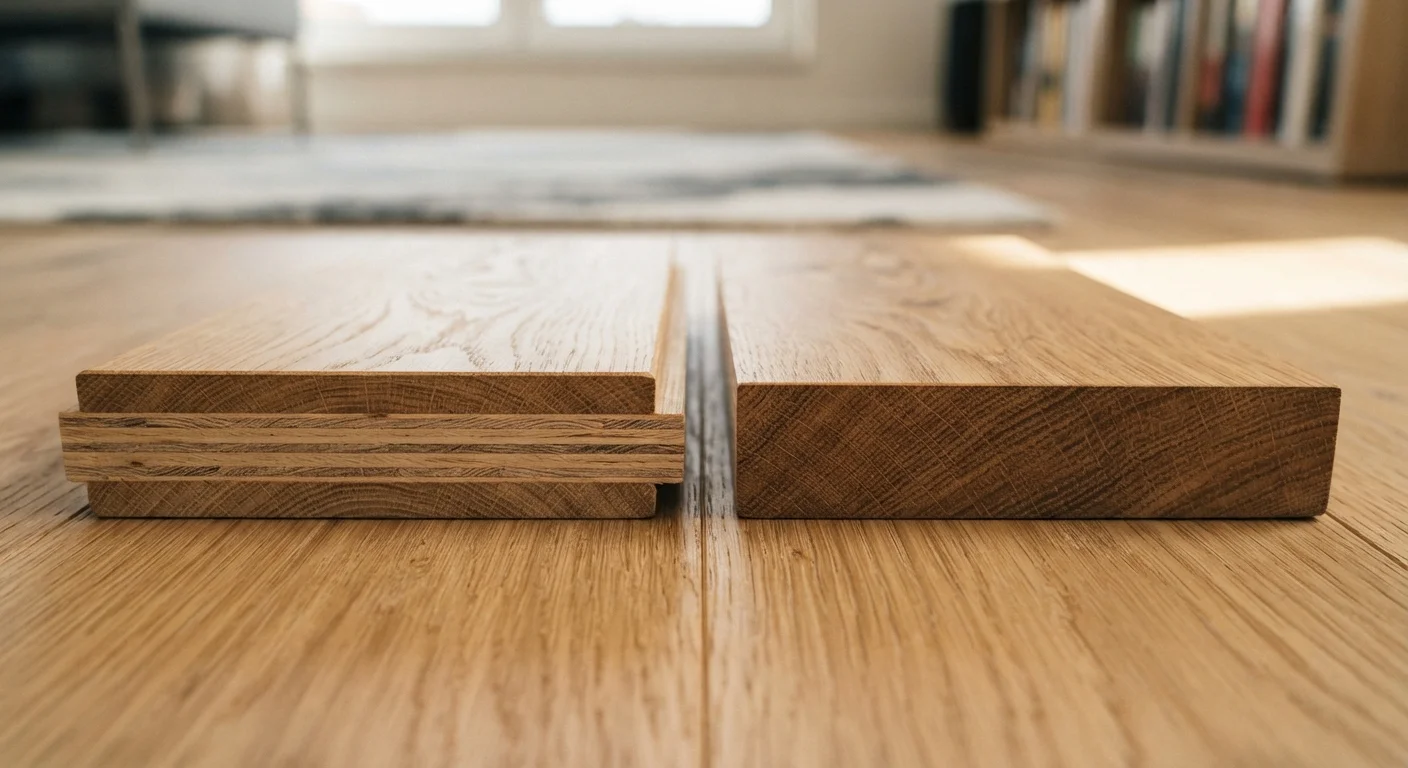
For households juggling multiple preferences and uses across shared spaces, the same logic applies: match function to finish, room by room. The same principle holds for flooring decisions - matching material to use pattern matters as much as aesthetics, as explored in our guide to engineered vs. solid hardwood flooring.