Why DIY Myths Are More Dangerous Than They Look
Home improvement confidence is a good thing - until it's built on a shaky foundation of half-true advice passed down through neighborhoods, online forums, and well-meaning relatives. The myths that cause the most damage aren't outlandish; they're plausible-sounding shortcuts that feel like common sense.
The goal here isn't to discourage hands-on homeownership. Most maintenance tasks genuinely reward a capable, prepared homeowner. But a handful of widely held beliefs lead people to skip critical steps, misuse materials, or take on work that carries real safety and legal risk. Knowing the difference is how you stay in control of your home - and your budget.
For a broader look at the upkeep tasks that quietly become expensive when ignored, see our guide on home maintenance tasks easily forgotten until they become expensive.
Myth
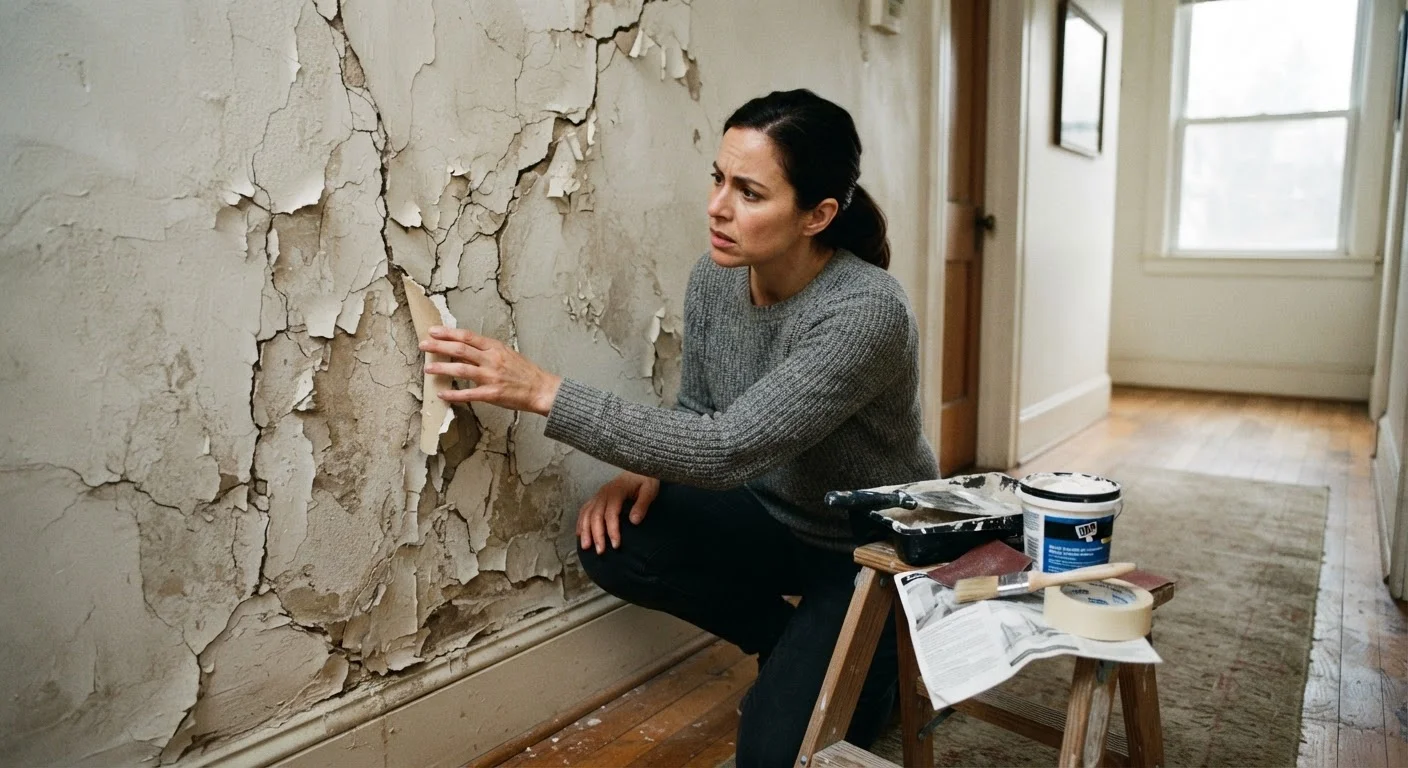
You can fix a mold problem by painting over it with mold-resistant paint.
Fact
Mold-resistant paint prevents future growth on clean surfaces but does nothing to eliminate existing mold colonies underneath.
Mold-resistant primers and paints are genuinely useful - but only as a preventive measure on surfaces that have been properly cleaned and dried. Applying them directly over active mold growth seals moisture in, giving the mold a dark, damp environment to continue spreading. Before any painting takes place, the source of moisture must be identified and corrected, the affected material cleaned or removed according to appropriate remediation guidelines, and the area fully dried. For anything beyond a small, isolated spot, professional assessment is worth the investment.
Myth
Any interior wall can be removed to create an open floor plan.
Fact
Load-bearing walls carry structural weight from the roof and upper floors - removing them without engineering support can cause serious structural failure.
The appeal of an open-concept layout leads many homeowners to assume interior walls are simply partitions that can come down freely. In reality, load-bearing walls transfer the weight of your home's structure down to the foundation. Identifying them requires more than a guess about location; it involves inspecting the framing, checking what runs above and below, and often consulting a structural engineer. Even non-load-bearing wall removal may require permits depending on your municipality. See our guide on when to call a licensed professional before picking up a sledgehammer.
Myth
The more insulation you add to an attic, the better your energy savings.
Fact
Insulation effectiveness depends on proper installation, correct R-value for your climate zone, and adequate ventilation - not just volume.
Piling insulation higher than recommended or blocking soffit vents can actually trap heat and moisture, leading to roof deck rot, ice dams in cold climates, and reduced HVAC efficiency. Every climate zone has a recommended R-value range published by the U.S. Department of Energy, and exceeding it doesn't necessarily improve results. Equally important is ensuring insulation doesn't obstruct attic ventilation channels. If you're unsure what your attic currently has or what it needs, a home energy auditor can give you an objective assessment. You can find more unfamiliar terms explained in our home renovation vocabulary guide.
Myth
Skipping a permit for small projects saves time and money without real consequences.
Fact
Unpermitted work can void homeowner's insurance coverage, create liability during a sale, and result in costly required demolition to bring work up to code.
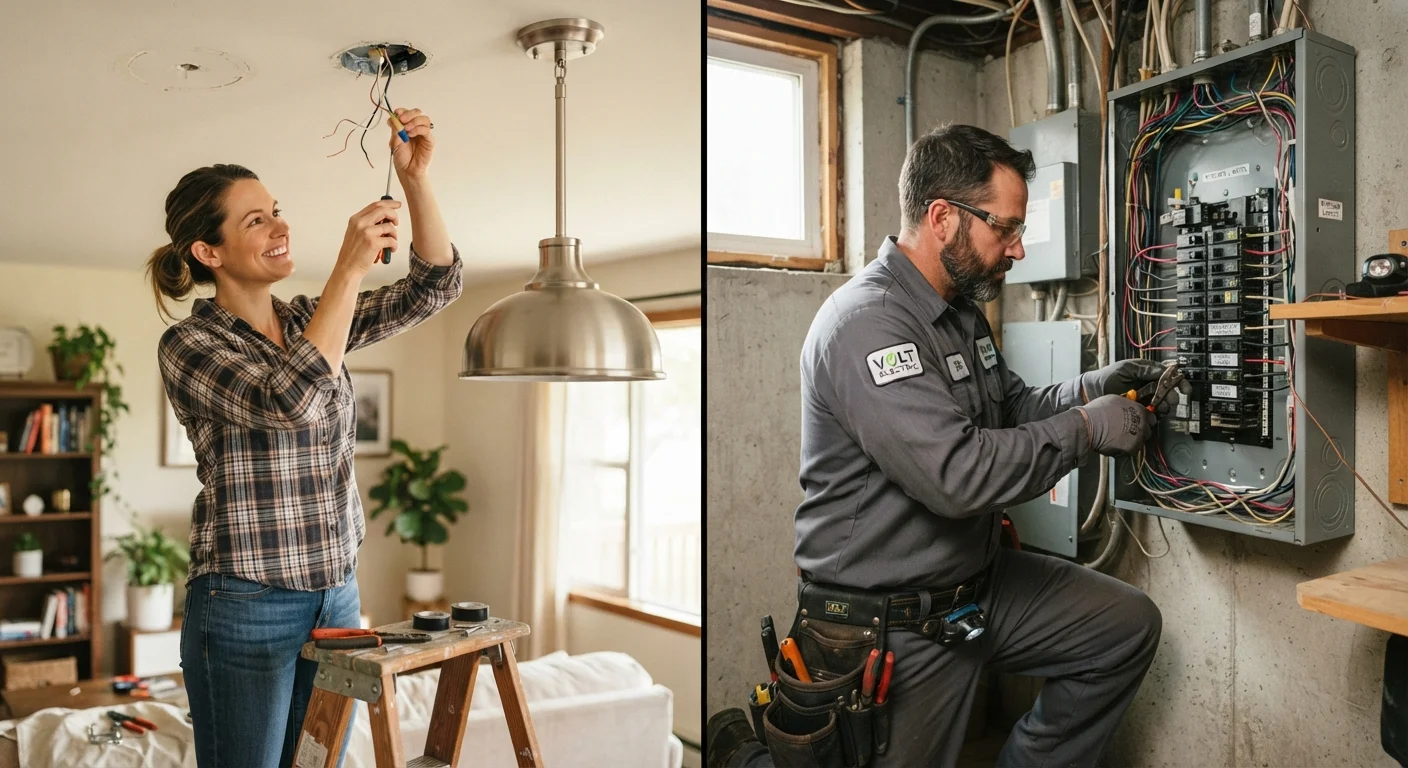
The permit process exists to ensure work is done safely and to code - not to generate bureaucratic paperwork. Buyers, lenders, and insurers increasingly scrutinize permit history during home sales and claims. If an unpermitted addition or electrical modification is discovered during an inspection, you may be required to open walls, redo the work, and pay fines on top of the original project cost. The scope of what requires a permit varies by jurisdiction, so check with your local building department before starting any structural, electrical, plumbing, or HVAC work. Our article on DIY tasks vs. jobs that need a licensed professional can help you draw that line confidently.
Myth
Caulk and grout are interchangeable - either one will seal a gap effectively.
Fact
Caulk and grout serve different structural purposes; using the wrong one leads to premature failure, water intrusion, and recurring repairs.
Grout is rigid and bonds tile joints on flat, stable surfaces. Caulk is flexible and designed to absorb movement where two surfaces meet at different angles - such as where a tile wall meets a tub or countertop. Using grout in a movement joint causes it to crack quickly as surfaces expand and contract. Using caulk in a field joint between tiles can allow it to compress unevenly and look unfinished. Knowing which to use where is a small detail that prevents significant water damage. For a deeper look, see Caulking 101 and why grout cracks and how to fix it.
The Broader Pattern: Where Myths Come From
Most DIY myths share a common origin: a technique or material that works well in one context gets overgeneralized to situations where it doesn't apply. Mold-resistant paint is a real product with real value - just not on top of active mold. Caulk is genuinely versatile - except where grout belongs. The underlying logic isn't wrong; the application is.
Structural Work Requires Professional Assessment
Removing or modifying a load-bearing wall without proper evaluation can compromise your home's structural integrity. This type of work typically requires a permit and a licensed contractor or structural engineer. Never assume a wall is non-load-bearing based on its location alone - always verify with a qualified professional before proceeding.
The best protection against costly mistakes is a habit of verifying before acting. Local building departments, licensed contractors consulted for a brief paid assessment, and resources like our guide on what homeowners get wrong when hiring contractors can help you separate good DIY instincts from expensive assumptions.
Mold Remediation Is Not a Paint Job
Painting over visible mold growth does not kill mold or stop it from spreading. Mold can continue to grow beneath painted surfaces, affecting indoor air quality and potentially causing structural damage over time. If you suspect mold beyond a small surface area, consult a licensed mold remediation professional and address the underlying moisture source first.
Preparation is also where most good outcomes are decided. Whether you're painting a room or tackling a larger renovation, the steps people rush are almost always the ones that determine the final result.
~35%
DIY projects that require professional correction
Industry estimates from the National Association of Realtors and home inspection data consistently suggest a significant share of DIY repairs are later found to need professional remediation during home sale inspections.
Up to $10,000+
Estimated cost of unpermitted work corrections
Homeowners discovered to have unpermitted structural or electrical work can face costs ranging from a few hundred to tens of thousands of dollars to bring work up to code, depending on scope and jurisdiction.