Why Basements Get Wet (And Why It Matters)
A damp basement is one of the most common homeowner complaints - and one of the most misdiagnosed. Many people apply a fix without first identifying the source, which is why the problem keeps coming back. Moisture in a basement is not a single problem; it has at least three distinct origins, and each one responds to a completely different solution.
Left unaddressed, basement moisture promotes mold growth, degrades insulation and framing, and can eventually compromise structural components. Getting to the actual cause early saves significant expense and protects indoor air quality throughout the home.
98%
Of basements will experience moisture
According to the American Society of Home Inspectors, nearly all basements experience some form of water infiltration or moisture problem over the life of the home.
~$4,000-$10,000
Typical cost of interior drain tile system
Interior perimeter drainage systems vary widely by basement size and region; costs are general estimates and should be verified with licensed local contractors.
10 sq ft
EPA mold remediation threshold for DIY
The U.S. Environmental Protection Agency recommends consulting a professional for mold problems covering more than 10 square feet.
Condensation vs. Infiltration: Know the Difference First
Before spending a dollar, do a simple test. Tape a square of plastic sheeting - about 12 inches on each side - directly to a damp wall using waterproof tape, sealing all edges. Leave it for 24 to 48 hours. If moisture forms on the room side of the plastic, the problem is condensation. If it forms on the wall side, water is coming through the wall from outside.
Condensation
Condensation occurs when warm, humid air contacts cool basement walls and floors. It is most common in summer. The fix is improving ventilation and running a properly sized dehumidifier - not applying waterproofing coatings. Sealing up a basement that sweats can actually trap moisture and make things worse.
Water Infiltration
Infiltration means water is physically entering through cracks, gaps around pipes, window well joints, or porous masonry under pressure. This is a structural moisture problem and calls for exterior or drainage solutions, not surface treatments alone.
After a heavy rain, walk around your foundation with a flashlight at night to trace exactly where water is pooling or draining. The high-water mark on your wall often pinpoints the entry zone more reliably than any inspection during dry weather.
Water entry is easiest to diagnose immediately after a rain event, when evidence is fresh and active. Most homeowners inspect during dry conditions and miss critical clues.
Before investing in interior waterproofing, spend one season correcting exterior drainage - regrade the soil, extend downspouts, and clean gutters - then reassess. Many cases of chronic dampness resolve without any interior work.
Exterior drainage corrections address the source of water rather than managing it after entry, making them the most cost-effective first intervention in the majority of cases.
Grading, Gutters, and Drainage: The Outdoor Fixes That Work
For the majority of homes with wet basements, the root cause is surface water being directed toward the foundation rather than away from it. These are the exterior corrections that consistently produce results:
- Regrade the soil. The ground immediately adjacent to your foundation should slope away from the house at roughly one inch of drop per foot for at least six feet. Soil tends to settle over time, creating a bowl effect that channels water toward the wall.
- Extend downspouts. Gutters are only as effective as where their water goes. Downspouts that discharge within two feet of the foundation are a leading cause of basement water entry. Extend them at least four to six feet using splash blocks or flexible extensions.
- Clean gutters regularly. Overflowing gutters deposit concentrated water directly against the foundation. Cleaning them at least twice a year - more if you have overhanging trees - is basic but genuinely effective maintenance. See our pre-winter home prep guide for a full seasonal checklist.
- Check window wells. Window wells that are not draining properly can funnel water through basement windows. Adding gravel at the base and verifying the well drain is clear are quick wins.
Interior Waterproofing: What It Can and Can't Do
Masonry waterproofing paints and hydraulic cement products are widely marketed for wet basements, and they do have a role - but a limited one. These products work by filling surface pores in concrete or masonry, slowing the migration of water vapor through the wall. They are appropriate for minor seepage through porous block walls with no structural cracking.
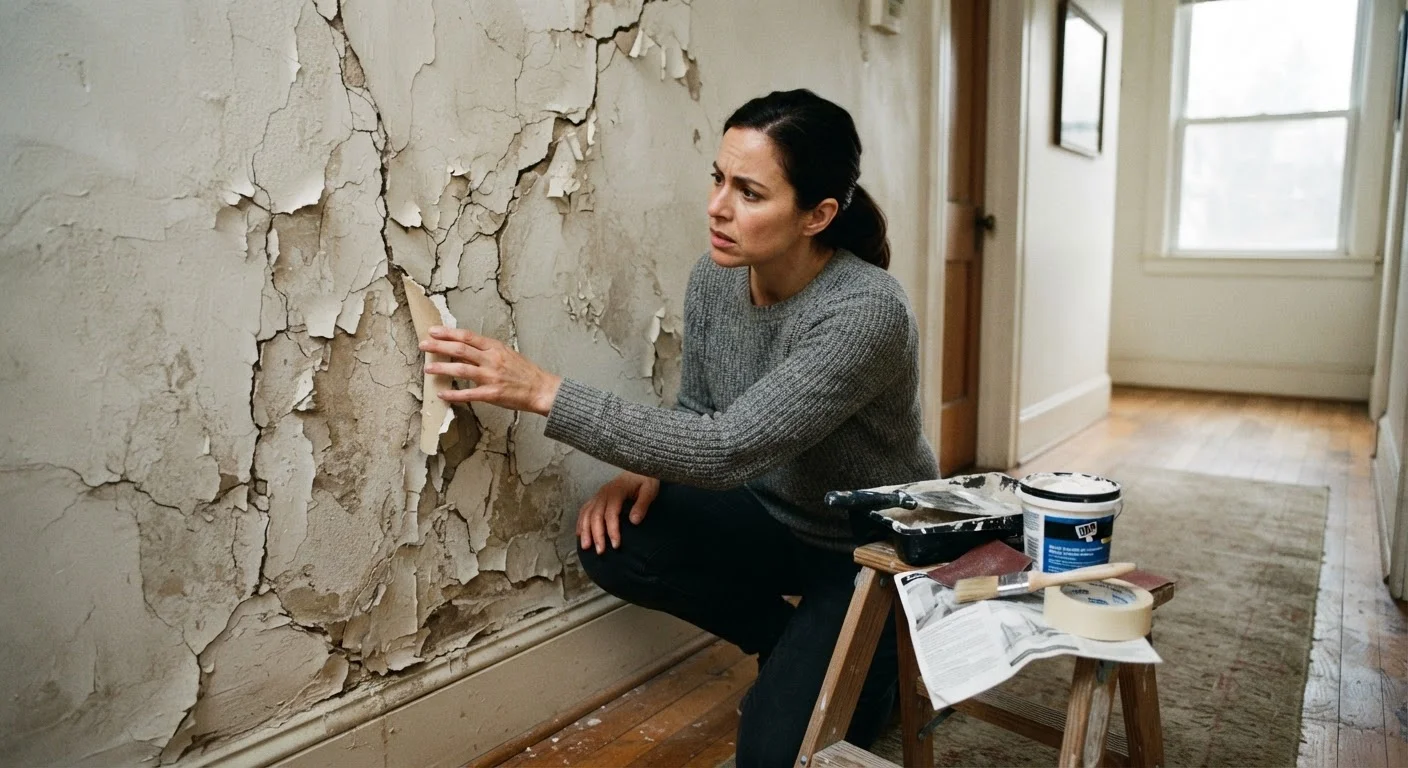
What they cannot do: withstand sustained hydrostatic pressure (the force of groundwater pushing against the foundation from outside), seal active cracks that continue to move, or compensate for poor drainage. Applying a coat of waterproofing paint to a wall that is receiving direct water infiltration typically results in the coating bubbling off within a season.
Check Your Sump Pump Annually
If your basement has a sump pit, test the pump each spring by slowly pouring a bucket of water into the pit. The float should trigger the pump before the water rises too high. Replace sump pumps that are more than seven to ten years old proactively - they tend to fail during the heavy spring rains when they are needed most.
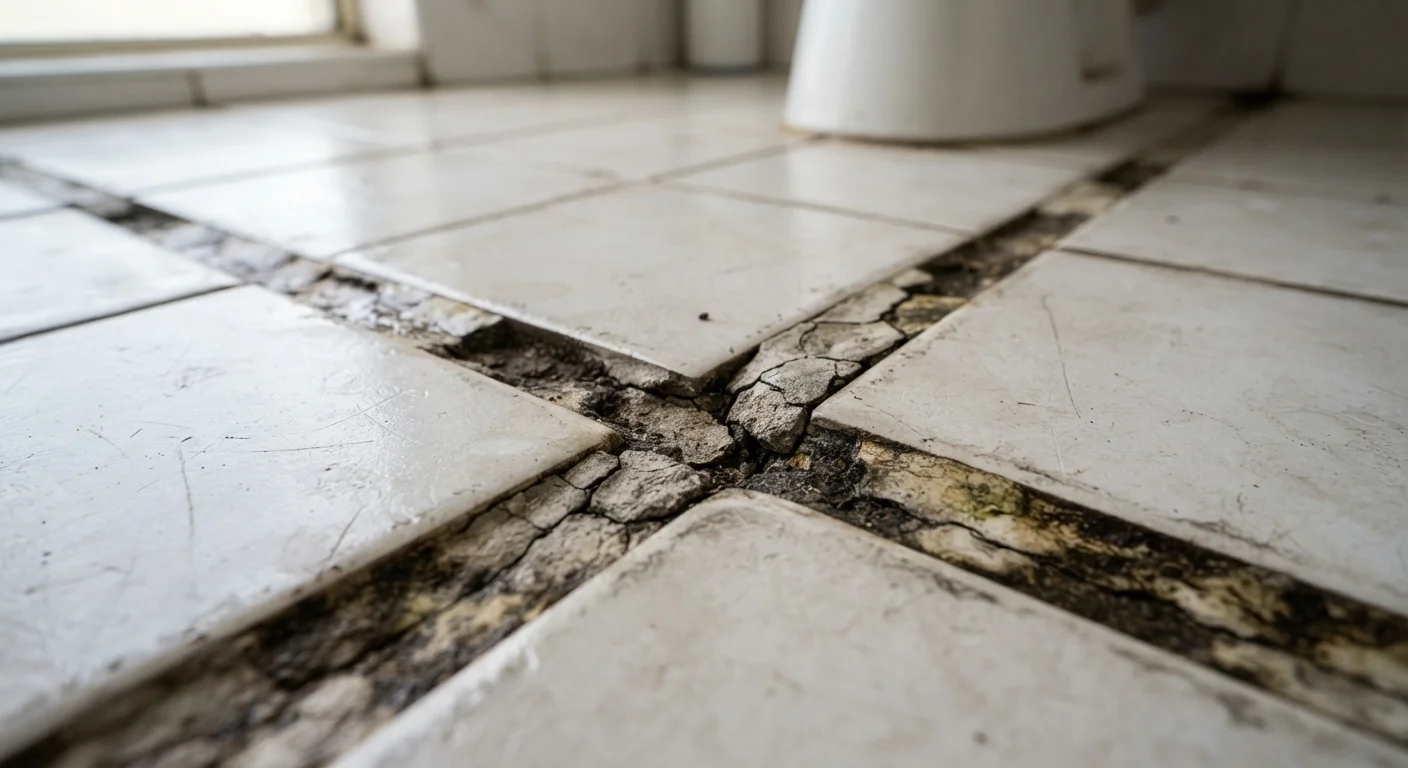
Interior drain tile systems - sometimes called French drains or interior perimeter systems - are a more substantive interior solution. They collect water at the footing level and direct it to a sump pump. This approach does not stop water from entering the wall, but it manages the water before it can spread across the floor. It is an appropriate middle-ground option when exterior excavation is not practical. For insight into how moisture-related damage escalates when ignored, see our article on what's really behind cracking grout.
Common Mistakes That Make Basements Wetter
Several well-intentioned efforts actually worsen basement moisture conditions:
- Painting over efflorescence. Efflorescence - the white, chalky residue on basement walls - is a sign of mineral-laden water passing through masonry. Painting over it traps moisture in the wall and accelerates deterioration.
- Installing fiberglass batt insulation against a damp wall. Fiberglass holds moisture and becomes an ideal environment for mold. Closed-cell spray foam or rigid foam board are more appropriate for below-grade walls once moisture issues are resolved.
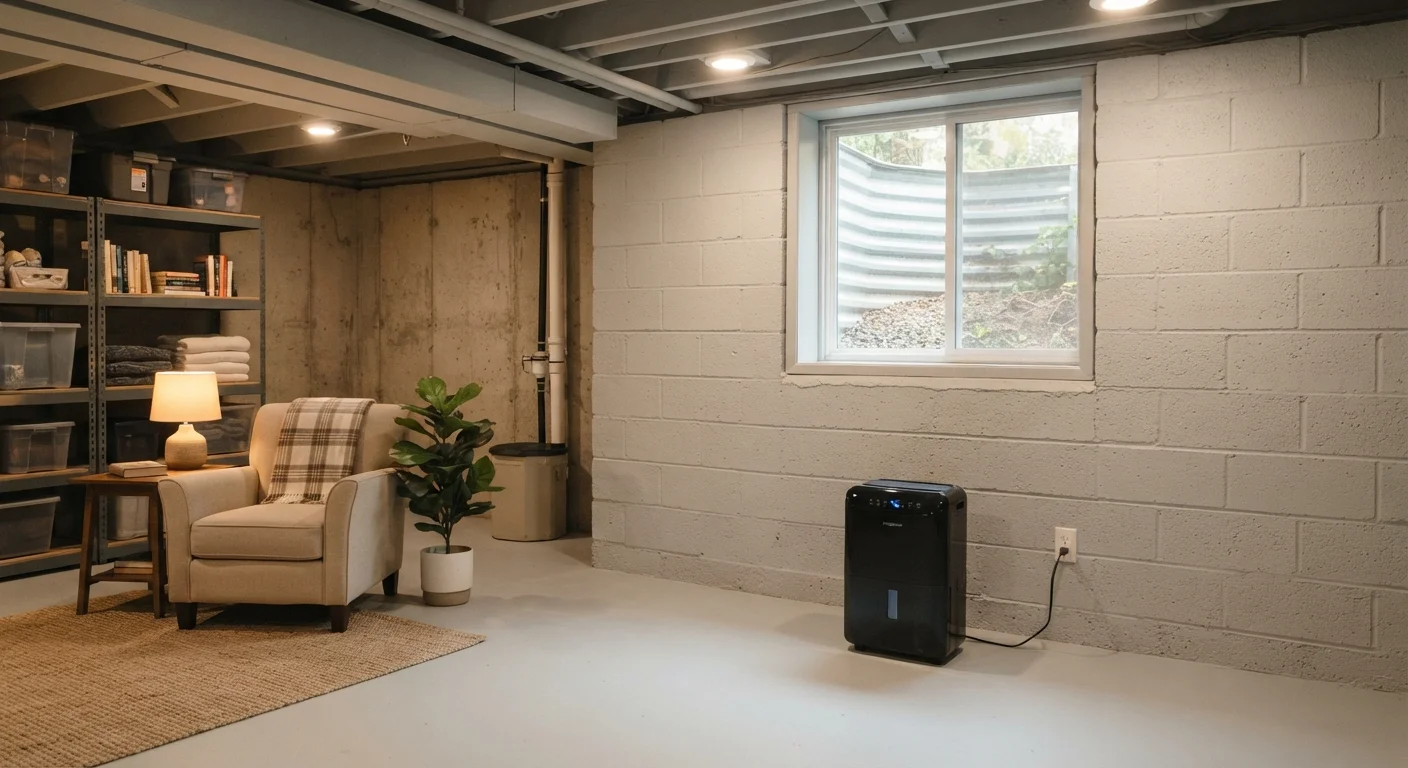
- Relying solely on a dehumidifier. A dehumidifier manages ambient humidity but cannot remove water that is actively entering through walls or floors. It is a comfort and mold-prevention tool, not a waterproofing solution.
- Ignoring small cracks. Hairline cracks in poured concrete walls can allow water to migrate. Filling them with polyurethane or epoxy injection before they widen is far less expensive than waiting.
Our editorial team has compiled more examples of this pattern in the article DIY home improvement myths that lead to costly fixes.
Don't Skip the Diagnosis Step
Applying an interior waterproofing product before confirming the moisture source is one of the most common and costly basement mistakes. If you seal a wall that has active water pressure behind it, the coating will eventually fail - and you may have obscured evidence that would have helped a contractor diagnose the problem accurately. Always identify the source before treating.
When to Call a Professional
Not every wet-basement situation is a DIY project. The following conditions warrant a licensed contractor's assessment:
- Horizontal cracks in block or brick foundation walls - these can indicate lateral soil pressure and potential structural movement
- Stair-step cracking in block or brick
- Water entering at the floor-wall joint under sustained pressure
- Evidence of mold covering significant surface area (generally more than 10 square feet, per EPA guidance)
- A sump pump that runs continuously, suggesting ongoing groundwater intrusion
When getting quotes for basement waterproofing work, ask contractors to explain exactly where the water is entering and what their solution addresses. A trustworthy contractor will diagnose before proposing. Be cautious of any proposal that jumps straight to an expensive interior system without first evaluating whether exterior grading or drainage corrections might resolve the problem at a fraction of the cost.
Structural Cracks Require Professional Evaluation
Horizontal cracks in a poured concrete or block foundation wall are not a routine maintenance item. They can indicate that soil pressure is actively pushing against the wall, which may lead to progressive structural failure. Do not attempt to seal these with hydraulic cement and move on. Have a structural engineer or qualified foundation contractor evaluate the wall before any repairs are made.