Why Detector Myths Persist - and Why They Matter
Smoke and carbon monoxide detectors are among the most consequential safety devices in any home, yet they are also among the most misunderstood. Most homeowners install them once and largely forget about them - trusting that a periodic battery swap is all that's needed. That assumption, and several others like it, can leave a household meaningfully less protected than it believes itself to be.
The myths below aren't obscure edge cases. They reflect how a large number of U.S. households actually manage their detectors. Correcting them takes very little time or money but makes a real difference in preparedness.
Myth
One smoke detector in the hallway is enough to protect the whole house.
Fact
Current guidance from the U.S. Fire Administration calls for detectors on every level of the home, inside each bedroom, and outside each sleeping area.
A single detector - even centrally placed - cannot reliably sense smoke that originates behind a closed door. Fire can grow rapidly, and a detector in a hallway may not trigger in time to wake someone sleeping in a closed bedroom. Installing interconnected detectors means that when one sounds, all of them sound simultaneously throughout the home.
Myth
Replacing the battery is all the maintenance a detector ever needs.
Fact
Detectors have a finite sensor lifespan - typically 7 to 10 years - after which the entire unit must be replaced regardless of battery condition.
The sensing components inside a detector degrade over time due to dust, humidity, and general wear. A fresh battery keeps the device powered, but it cannot restore a worn-out sensor. Check the manufacture date stamped on the back of each unit. If it's approaching or past its rated lifespan, replace the whole detector. This is one of the home maintenance tasks easily forgotten until they become expensive that can have serious consequences.
Myth
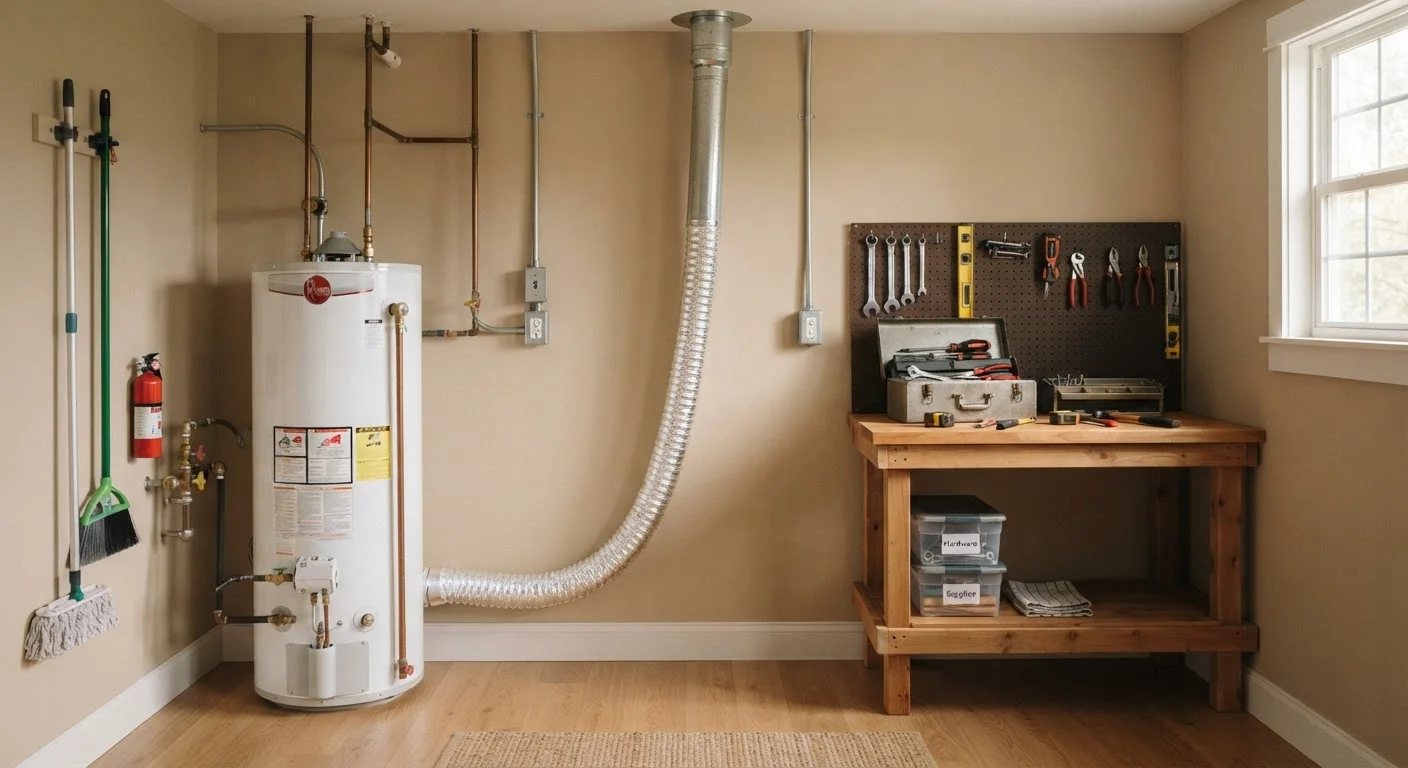
Carbon monoxide detectors only need to go in the garage.
Fact
CO detectors should be installed on every level of the home and within 10 feet of each sleeping area.
Carbon monoxide can originate from multiple sources - furnaces, gas stoves, fireplaces, and attached garages - and the gas migrates throughout a structure. Placing a detector only in the garage leaves sleeping occupants unprotected, since CO can reach dangerous concentrations in living areas well before an alarm in the garage would be heard. Follow the same multi-location logic used for smoke detectors.
Myth
If the test button works, the detector is functioning properly.
Fact
The test button only confirms the battery and alarm circuit are operational - it does not verify that the smoke or CO sensor itself is working.
Testing the button is still a worthwhile monthly habit, but it tells you nothing about sensor performance. Some manufacturers produce functional test sprays that simulate real smoke particles, providing a more meaningful check. Regardless, sensor testing does not substitute for replacing detectors on schedule.
Myth
A chirping detector just means a low battery - it can wait a few days.
Fact
Chirping can signal either a low battery or an end-of-life alert, and both require prompt attention.
Most modern detectors use different chirp patterns to distinguish low-battery warnings from end-of-life signals. Consult the manual for your specific unit to understand what each pattern means. Ignoring a chirp - even briefly - leaves a gap in protection. Keep spare batteries on hand so you can address the issue immediately rather than silencing the alarm and forgetting it.
Myth
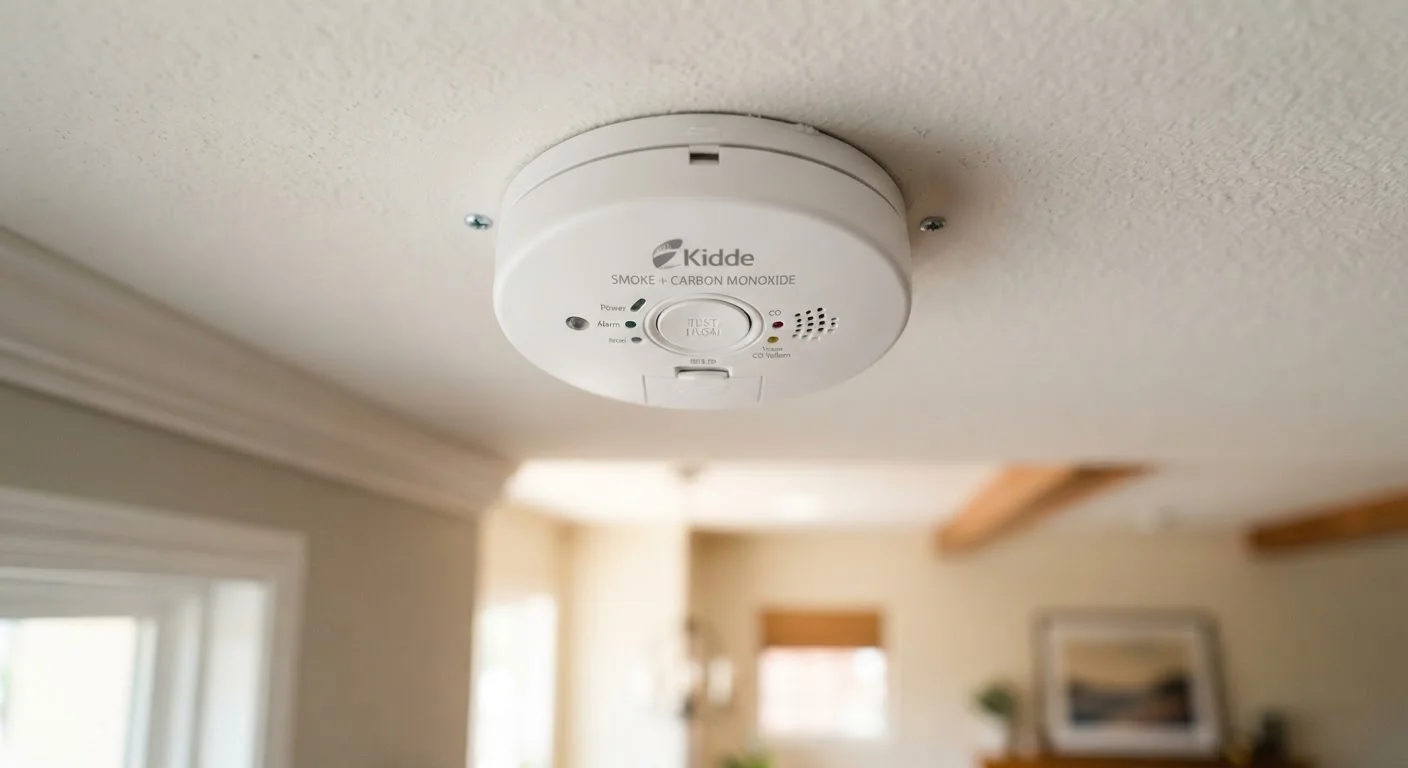
Combination smoke and CO detectors are less effective than separate units.
Fact
Combination detectors that meet current certification standards are tested to detect both smoke and carbon monoxide reliably.
Combination units certified by recognized testing laboratories - such as those marked with UL listing - are held to the same performance standards as standalone devices. They are a practical choice for homeowners who want comprehensive coverage without doubling the number of units to maintain. That said, always verify a unit meets current standards before purchasing, and follow the placement guidelines for both smoke and CO detectors.
Building a Reliable Detector Maintenance Routine
Getting detector safety right comes down to three habits: placement, testing, and replacement on schedule. Once you've confirmed each unit is correctly located - every level, every sleeping area, within 10 feet of bedrooms for CO - the ongoing effort is minimal.
Expired Detectors Offer No Real Protection
A smoke or CO detector that is past its rated lifespan may appear functional - its lights may flash and its test button may chirp - but its sensors can degrade and fail to detect actual hazards. Check the manufacture date printed on the back of the unit and replace any detector that is 7 or more years old.
Test each unit monthly using the test button, and note which ones are approaching the end of their rated lifespan. Writing the installation or manufacture date on the inside of the battery compartment with a marker is a simple way to track this. Interconnecting your detectors - either through hardwired systems or newer wireless-capable units - adds an extra layer of protection that single-unit setups cannot provide.
Carbon Monoxide Is a Silent Threat
Carbon monoxide is colorless and odorless - there is no way to detect it without a working CO detector. If your detector sounds a CO alarm, leave the home immediately, leave the door open, and call 911 from outside. Do not re-enter until emergency responders give the all-clear.
Detector maintenance pairs naturally with other seasonal home checks. For a broader look at the tasks homeowners most commonly let slip, see our guide to home maintenance tasks easily forgotten until they become expensive. If you're ever unsure whether hardwired detector installation requires a permit in your area, our overview of permits, inspections, and codes is a helpful starting point.
3 in 5
Home fire deaths with missing or non-working detectors
According to the National Fire Protection Association, three out of five home fire deaths occur in homes with no smoke alarms or alarms that failed to operate.
7-10 years
Typical detector sensor lifespan
Manufacturers and fire safety organizations generally rate smoke and CO detector sensors for 7 to 10 years before replacement is required.