Why Permits Exist - and Why They Matter to You
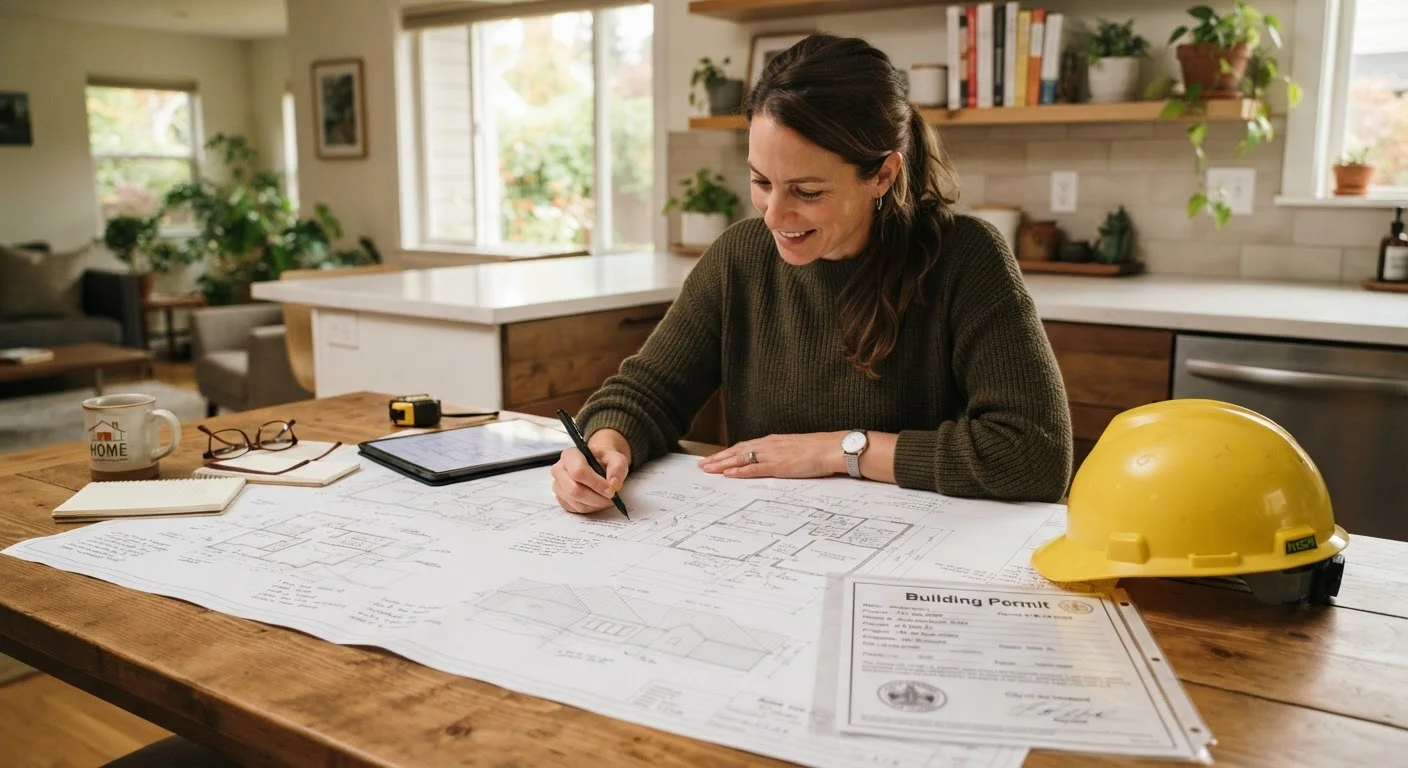
Building permits aren't bureaucratic busywork. They're a system designed to ensure that work done on your home meets minimum safety standards - standards developed over decades in response to real failures, fires, floods, and structural collapses. When a project is permitted, a qualified inspector reviews the work at key stages, catching problems before walls are closed up and issues become invisible and expensive.
For homeowners, this matters in very practical ways. Unpermitted work can void your homeowner's insurance coverage for related claims. It can surface during a home sale - causing delays, price reductions, or deal collapses. And in some cases, a municipality can require you to demolish completed work entirely if it wasn't permitted. The permit process exists to protect you, even when it feels like an obstacle.
See our pre-renovation checklist for a full overview of what to verify before any project begins.
~40%
Home improvement projects performed without required permits
Industry estimates suggest a substantial share of residential renovation work proceeds without required permits, often due to homeowner unawareness rather than intent.
Varies by jurisdiction
Permit fees as a share of total project cost
Permit fees typically range from under 1% to around 3% of total project cost, making them a relatively small upfront investment compared to potential penalties.
What Types of Projects Typically Require a Permit
Not every home project needs a permit, but the list of those that do is longer than most homeowners expect. As a general rule, any work that affects the structure, safety systems, or habitability of your home will require one. Common permit-required projects include:
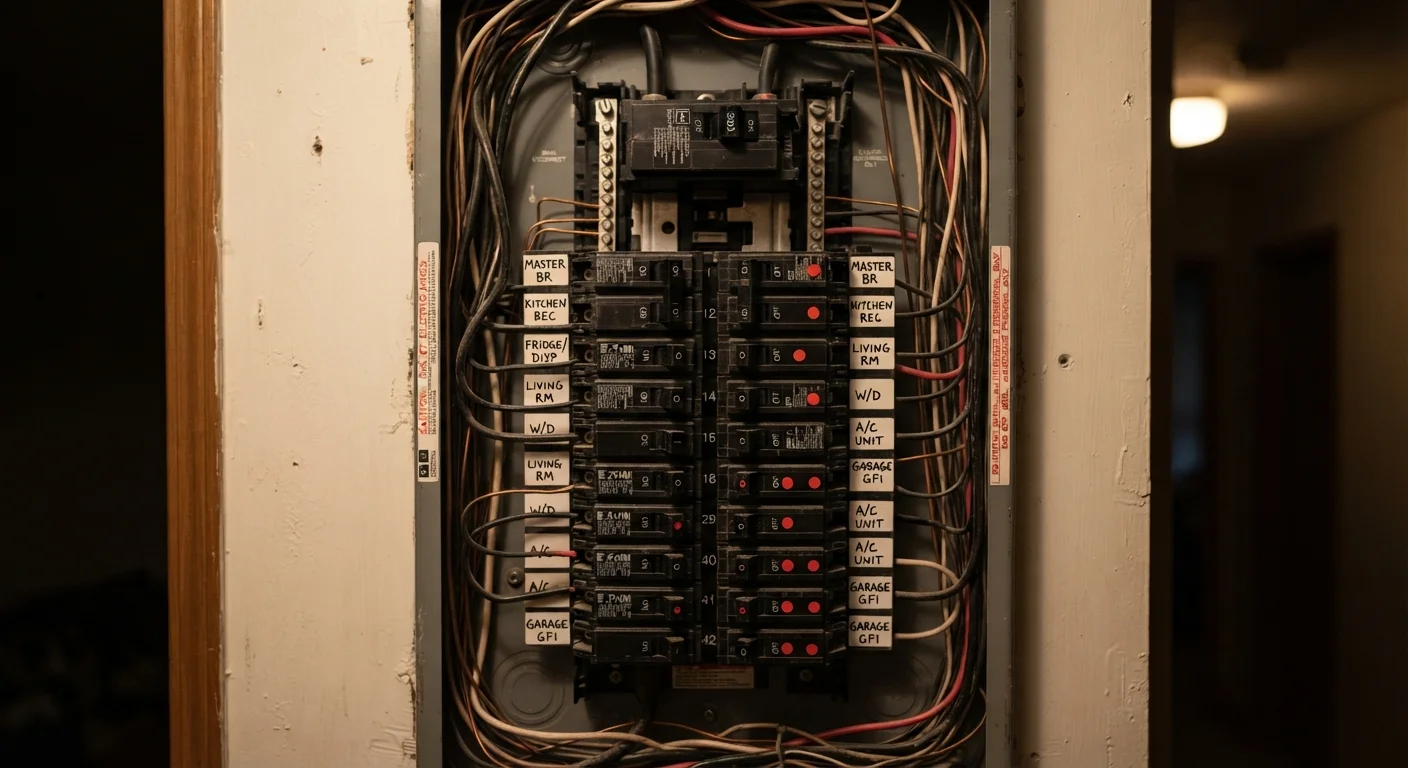
- Electrical work - adding circuits, upgrading a panel, or rewiring rooms (see signs your electrical system needs attention)
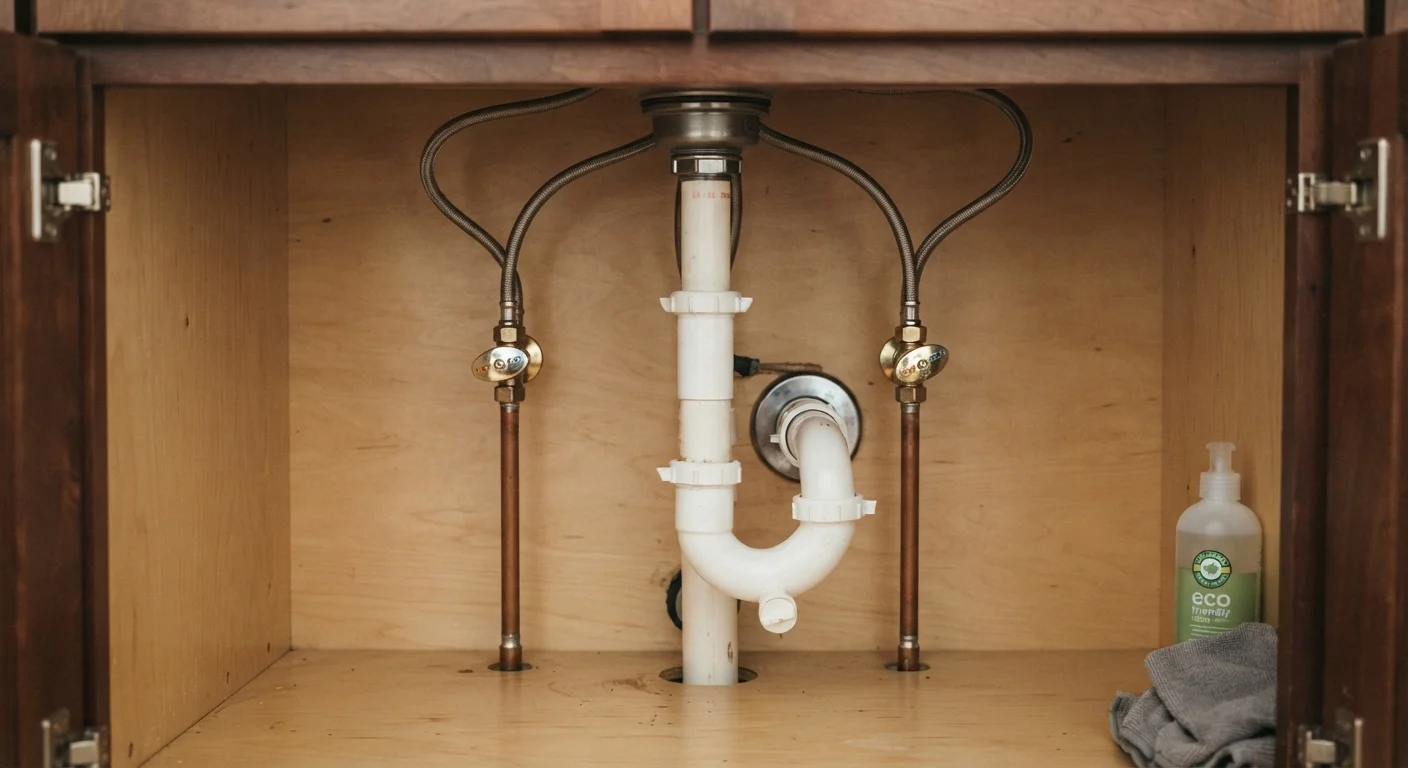
- Plumbing changes - moving or adding supply or drain lines (plumbing basics can help you understand the scope)
- HVAC installation or replacement - new systems or significant modifications
- Structural changes - removing load-bearing walls, adding rooms, or building decks
- Roofing - full replacements in many jurisdictions (learn what a roof inspection involves)
- Accessory structures - sheds, garages, and fences above certain dimensions
Projects that typically don't require permits include cosmetic work like painting, flooring replacement, cabinet installation, and minor repairs. When in doubt, call your local building department - most will answer basic questions over the phone or through an online portal.
Start With Your Local Building Department
Before any project begins, call or visit your local building department's website. Most jurisdictions publish permit requirement lists by project type, and many offer online applications. This single step can save you from costly surprises later. When a contractor is involved, ask them directly which permits they plan to pull - and get that answer in writing.
How the Inspection Process Works
Once a permit is issued, inspections happen at defined stages of the project - not just at the end. For a bathroom addition, for example, an inspector might visit to check rough plumbing before walls are closed, then return for a final inspection once work is complete. This staged approach is intentional: it allows problems to be corrected before they're buried inside finished surfaces.
Inspectors are employed by your local government, not by your contractor. They review the work against applicable code requirements and either approve the stage or issue a "correction notice" listing what must be fixed before moving forward. If your contractor fails an inspection, the work must be corrected and re-inspected before the project can proceed.
When the final inspection passes, the permit is formally closed. Keep a copy of all permits and inspection records - they become part of your home's documented history and are valuable when you sell or refinance.
Permit Records Are Public
Building permits are public records in most U.S. jurisdictions. Buyers, real estate agents, and lenders can and do search permit histories as part of due diligence. A home with a clean permit record - where all major work was properly permitted and inspected - is a more defensible asset. Maintaining your own organized folder of permits and inspection sign-offs is a simple habit with long-term value.
What Skipping Permits Actually Costs You
It can be tempting to skip the permit process when a contractor suggests it will "save time" or when the project feels small. But the risks are real and often larger than the cost of the permit itself. Local municipalities can issue stop-work orders and fines. In more serious cases, you may be required to open walls, remove completed work, and start over - now with a permit.
The longer-term costs can be even more significant. When you sell your home, buyers or their agents may discover unpermitted work through public records, a home inspection, or required disclosures. This gives buyers leverage to renegotiate price or walk away entirely. Some states require sellers to disclose known unpermitted work, creating legal exposure if you don't.
Understanding common contractor hiring mistakes can also help you spot red flags early - including contractors who routinely discourage permits. And if you're weighing whether to handle a project yourself, our guide on when to DIY versus hire a pro offers a clear framework.