What Credit Actually Is
Credit is an arrangement where a lender provides money, goods, or services now - and you agree to repay later, usually with interest. It's essentially a formal expression of trust: the lender is betting that you'll follow through on your promise to pay.
Credit comes in two broad forms. Revolving credit - like a credit card - lets you borrow up to a set limit, repay it, and borrow again. Installment credit - like a student loan or auto loan - involves borrowing a fixed amount and repaying it in regular payments over a set term.
Having access to credit isn't inherently good or bad. It's a financial tool, and like any tool, the outcome depends on how it's used. Understanding what credit is and how lenders evaluate it puts you in a much better position to use it thoughtfully.
Credit
An arrangement where you receive money or goods now and agree to pay back the value - usually with interest - at a later date.
Credit Score
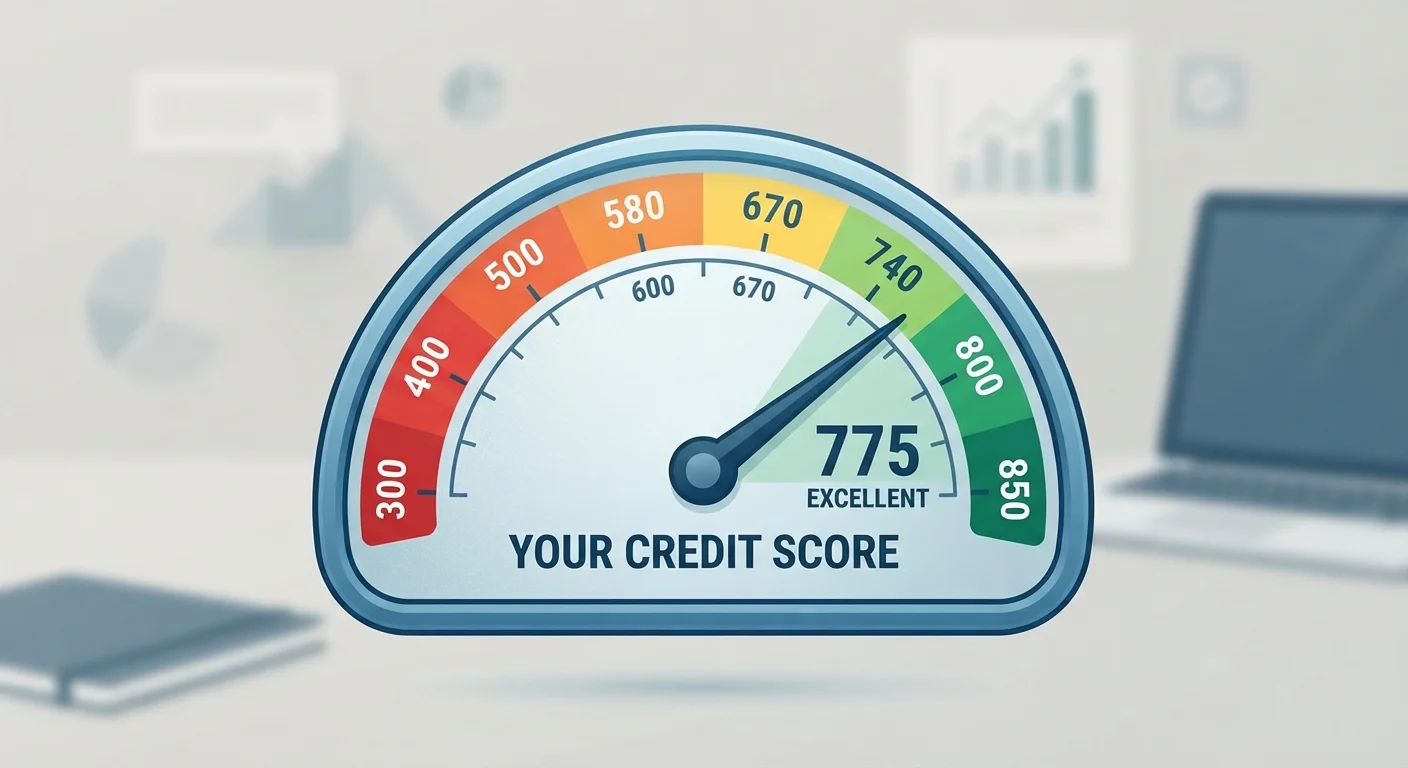
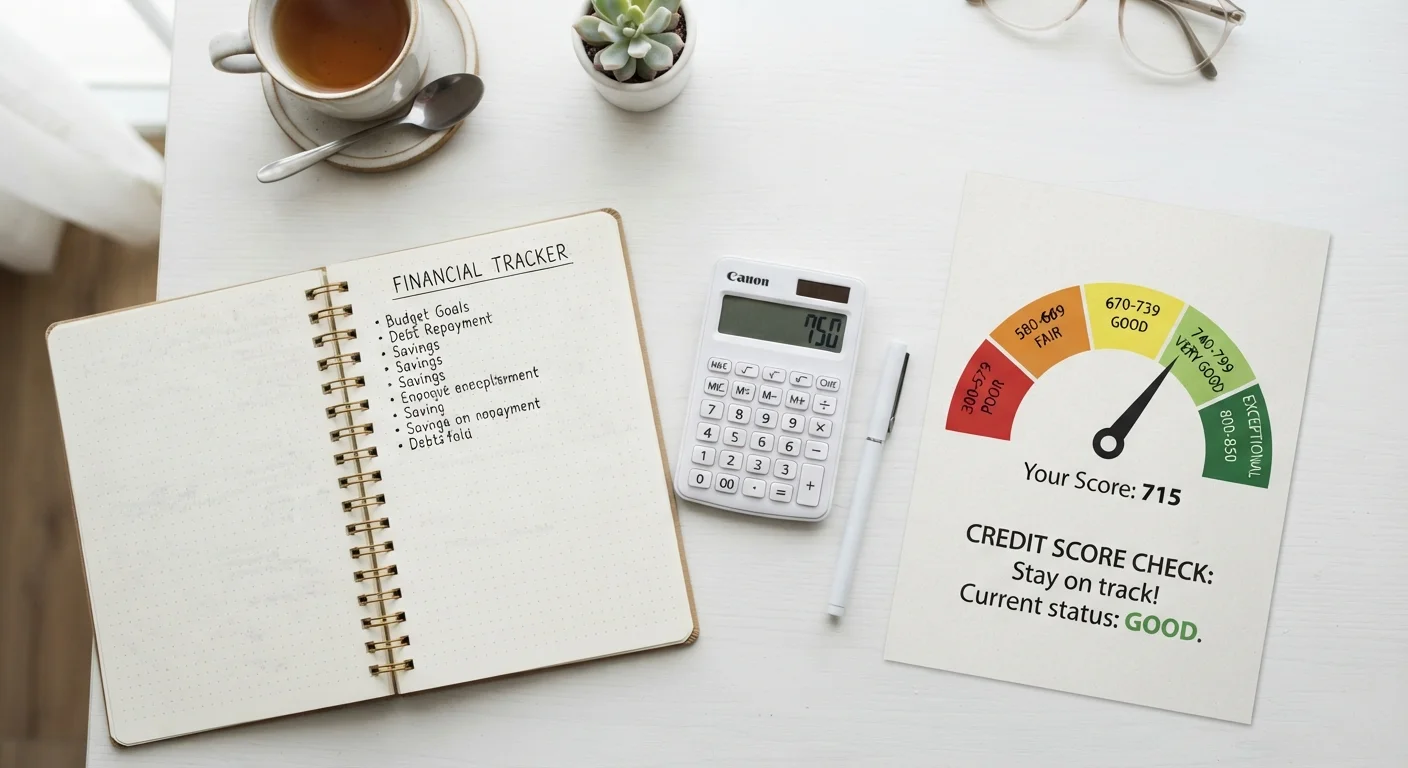
A three-digit number (typically 300-850) that summarizes your borrowing history and signals to lenders how reliably you've managed debt.
Credit Report
A detailed record of your credit accounts, balances, payment history, and any negative marks, maintained by the three major credit bureaus.
APR (Annual Percentage Rate)
The yearly cost of borrowing expressed as a percentage, including interest and certain fees. A higher APR means you pay more over time.
Credit Utilization
The percentage of your available revolving credit (like credit cards) that you're currently using. Lower utilization generally benefits your credit score.
Collateral
An asset - such as a car or home - that a borrower pledges to a lender as security for a loan. The lender can claim it if the borrower doesn't repay.
Your Credit Score and Credit Report
Two documents sit at the heart of your credit identity: your credit report and your credit score. They're related but distinct. For a deeper look at what each element of your report signals to lenders, see Everything on Your Credit Report and What It Signals to Lenders.
Your credit report is maintained by three major bureaus - Equifax, Experian, and TransUnion - and contains the raw data of your borrowing history: accounts you've opened, balances, payment history, and any negative marks like missed payments or collections. You're entitled to a free copy from each bureau through AnnualCreditReport.com.
Your credit score is a three-digit number - most commonly in the 300-850 range - calculated from that report data. Credit Scores Decoded explains the full mechanics, but the key factors are payment history, amounts owed, length of credit history, new credit inquiries, and credit mix.
Check Your Report Before Applying for Credit
Before applying for any loan or credit card, it's worth pulling your credit report to verify everything is accurate. Errors - like accounts that don't belong to you - can lower your score without you knowing. Disputing inaccuracies directly with the credit bureau is your right under federal law.
Types of Debt and How Interest Works
Not all debt is structured the same way. Understanding the major categories helps you compare what you're taking on.
- Secured debt is backed by collateral - a home (mortgage) or vehicle (auto loan). If you stop paying, the lender may seize that asset.
- Unsecured debt has no collateral - credit cards and personal loans fall here. Because lenders take on more risk, interest rates are typically higher.
- Revolving debt lets you carry a balance up to a limit and borrow again as you repay.
- Installment debt is a fixed loan repaid in equal scheduled payments over time.
Interest is the cost you pay for borrowing. It's usually expressed as an APR - the annual percentage rate. On installment loans, you pay interest on the remaining balance over time. On revolving accounts, if you don't pay the full balance by the due date, interest accrues on what's left. Compound interest means you can end up paying interest on previously charged interest - a dynamic that accelerates how fast a balance grows.
For a plain-language reference on terms like APR and amortization, the Credit and Debt Glossary is a useful companion.
How Debt Affects Your Credit
The relationship between debt and your credit score is nuanced. Carrying some debt and managing it responsibly can actually help build your score. Carrying too much - or missing payments - works against it.
One of the most influential factors is credit utilization: the ratio of your current credit card balances to your total credit limits. Scoring models generally reward keeping this ratio low. Credit Utilization: The Ratio That Quietly Shapes Your Score covers how even small balance shifts can move your number.
Payment history carries the most weight in standard scoring models. A single missed payment can have a noticeable impact, and the effect is amplified the longer a payment remains overdue. That said, a credit score is not permanent - it reflects your current habits, not a fixed identity.
Minimum Payments Can Be Costly Long-Term
Making only the minimum payment on a credit card keeps you current - but it means most of your payment goes toward interest, not the principal balance. On a high-APR card, a modest balance can take years to pay off this way and cost significantly more than the original purchase. Understanding this dynamic is one of the most important things a new borrower can learn.
Building Good Habits Early
Whether you're just starting to build credit or working to understand debt you already have, a few foundational habits make a significant difference over time.
- Pay on time, every time. Even the minimum payment keeps you in good standing - late payments are what cause scoring damage.
- Keep balances manageable. Try not to consistently max out revolving accounts, even if you can technically afford the minimum payment.
- Review your credit report periodically. Errors happen, and an inaccurate negative mark can quietly lower your score.
- Understand what you're signing. Before taking on any debt, know the interest rate, repayment term, and any fees involved.
For a practical look at what debt management looks like month-to-month, Keeping Debt Manageable Over Time covers habits that reduce financial stress. And if you're thinking about your first major loan - like a car - Getting Your First Car Loan walks through what to expect at each step.
Credit and debt are long-term conversations, not one-time decisions. Understanding the core concepts now gives you the foundation to make those decisions with more clarity. If your financial situation involves significant debt or you're unsure which direction to take, consulting a certified financial counselor or advisor is a worthwhile step.
This article is for general informational and educational purposes only and does not constitute personalized financial, tax, or legal advice. Consult a qualified financial professional for guidance specific to your situation.