
What Separates a Short-Term Goal from a Long-Term One
At the most basic level, the distinction comes down to time. A short-term savings goal is one you expect to fund within roughly one to three years. A long-term goal sits further out - often five, ten, or even thirty years into the future.
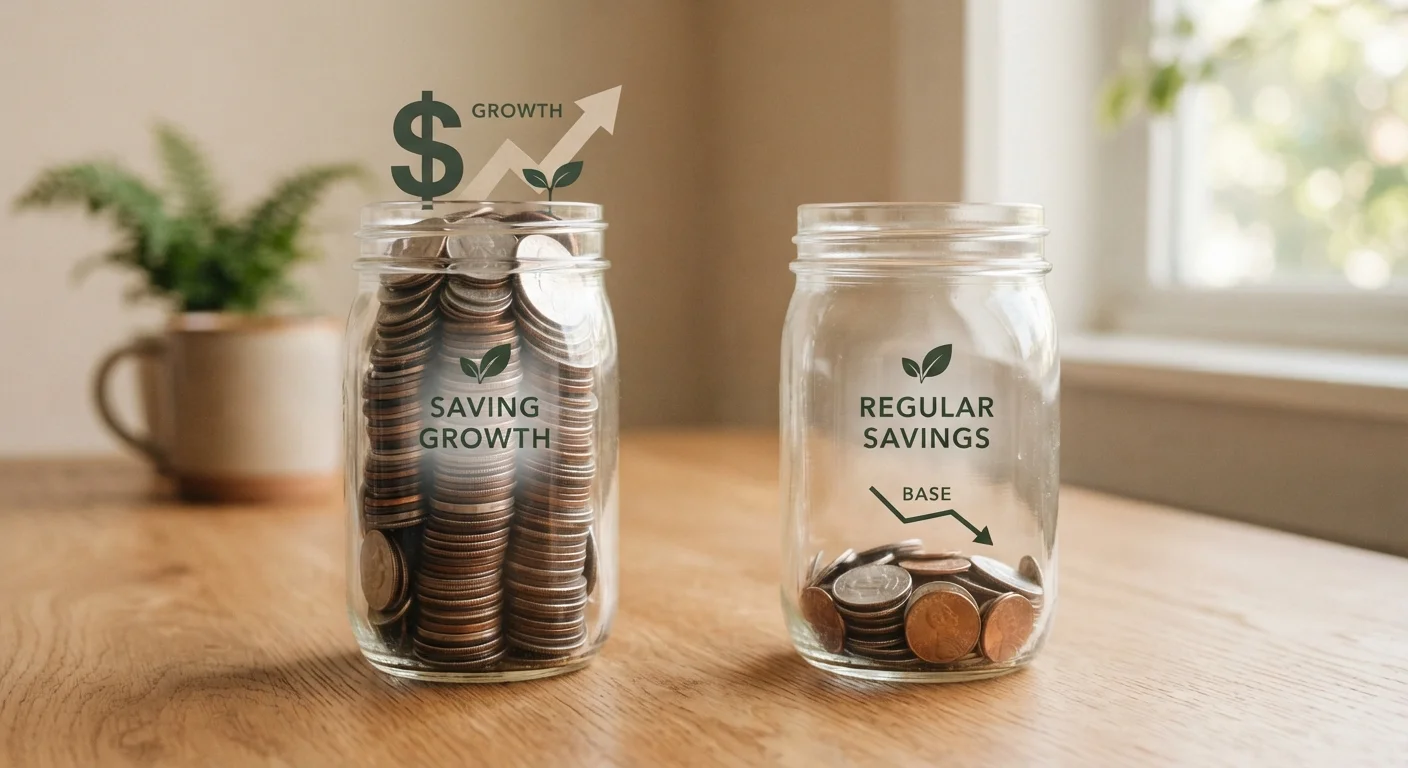
That gap in time changes almost everything about how you approach saving: where you keep the money, how aggressively you contribute, and how much risk is appropriate. A vacation fund that you will tap next spring does not belong in the same bucket - literally or strategically - as a retirement account you will not touch for two decades.
Timeline also affects what counts as a setback. If markets dip and your long-term account temporarily loses value, time allows for recovery. If your short-term emergency fund is in a volatile vehicle and something unexpected happens, you may be forced to withdraw at a loss. Understanding this asymmetry is central to planning well. For a structured way to get started, see Building Your First Savings Plan from Scratch.
How Purpose Shapes Strategy
Short-term goals tend to be concrete and specific: a three-month emergency fund, a holiday travel budget, a new appliance. Because the endpoint is defined and near, the priority is predictability. You need to know the money will be there. That typically means keeping it in a liquid, low-risk account - a high-yield savings account or money market account, for instance - where it earns some return without exposure to market swings.
| Criterion | Short-Term Goals | Long-Term Goals |
|---|---|---|
| Typical timeline | Under 3 years | 3 years or more |
| Liquidity needed | High - accessible quickly | Lower - can afford lock-up periods |
| Risk tolerance | Low - stability is priority | Higher - time cushions volatility |
| Common savings vehicles | High-yield savings, money market | CDs, tax-advantaged accounts |
| Example goals | Emergency fund, vacation, appliance | Down payment, education, retirement |
| Compounding benefit | Modest over short window | Significant over decades |
Long-term goals involve more uncertainty about the final number and allow more flexibility in the path. Saving for a home down payment in six years, for example, might involve a mix of consistent contributions and a savings vehicle that offers a better yield in exchange for a short lock-up period, such as a certificate of deposit (CD). Retirement savings, the most common long-term goal, typically involve tax-advantaged accounts with growth-oriented investments - though that layer of investing introduces considerations and risks beyond basic saving. For a side-by-side look at how savings account types differ, compare high-yield and traditional savings accounts.
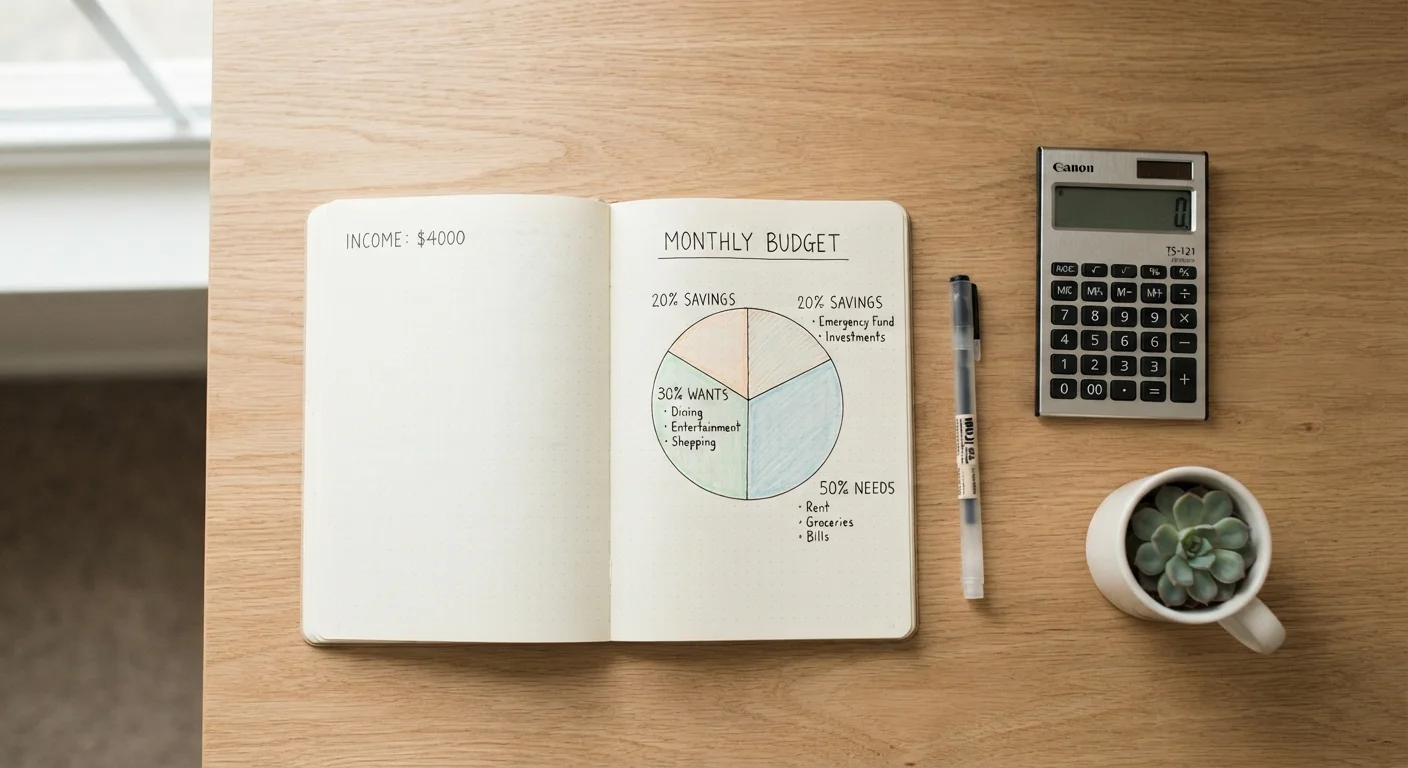
If you are curious about how a popular budgeting framework handles both goal types simultaneously, the 50/30/20 rule offers one structured approach to allocating income across competing priorities.
The Role of Liquidity and Risk
Liquidity - how quickly and easily you can access your money without a penalty - is the key variable that changes between goal types. Short-term savers generally want high liquidity. Long-term savers can afford to sacrifice some liquidity in exchange for better growth potential or tax advantages.
~44%
Americans who could not cover a $400 emergency
The Federal Reserve's Survey of Household Economics and Decisionmaking has consistently found a substantial share of Americans lack a small cash buffer, underscoring why short-term liquid savings matter.
3-6 months
Recommended emergency fund coverage
Financial educators commonly suggest keeping three to six months of essential living expenses in an accessible account as a short-term safety baseline.
Risk tolerance, in a savings context, is shaped largely by time horizon. If you will not need funds for decades, a temporary decline in value is more manageable than if you need funds in six months. This does not mean long-term savings are inherently risky - it means the strategy can absorb more variation without derailing the goal.
One practical pattern many people use: keep short-term goal funds in separate, clearly labeled accounts to avoid the temptation of dipping into them for other purposes. This separation also makes it easier to track progress and stay motivated. To explore what happens when these habits slip, see why savings goals fail and how to course-correct.
Running Both Goals at the Same Time
The short-versus-long framing is not a choice between two options - most people need both running in parallel. An emergency fund (short-term) and retirement savings (long-term) are not competing priorities; they serve entirely different purposes and ideally draw from a thoughtful allocation of income.
When Goals Overlap in Timeline
Some goals - like saving for a home down payment in four to five years - sit in a middle zone. They are not immediate enough to demand maximum liquidity, but not distant enough to justify illiquid, growth-oriented vehicles. In these cases, savers often use a mix: a high-yield savings account for the core balance paired with short-term CDs for a portion of the funds. The right blend depends on how firm your timeline is and how accessible you may need the money to be. For more on down payment specifics, see saving for a down payment.
The challenge is finding a split that works for your current income and obligations. Common frameworks, like the budgeting basics hub, offer starting points for thinking about how to divide monthly income across needs, discretionary spending, and savings. What matters most is that each goal has a clear timeline, a defined target amount, and a dedicated place to grow.
If you want to think through the mechanics of how contributions are structured over time, lump-sum saving versus incremental contributions explores that tradeoff in detail. And once your goals are defined, automating your savings can be a practical next step for staying consistent without relying on willpower alone.
This article is for general informational and educational purposes only and does not constitute personalized financial, investment, or tax advice. Consult a qualified financial professional before making decisions about your own savings strategy.