
Why Looking Real Isn't the Same as Being Real
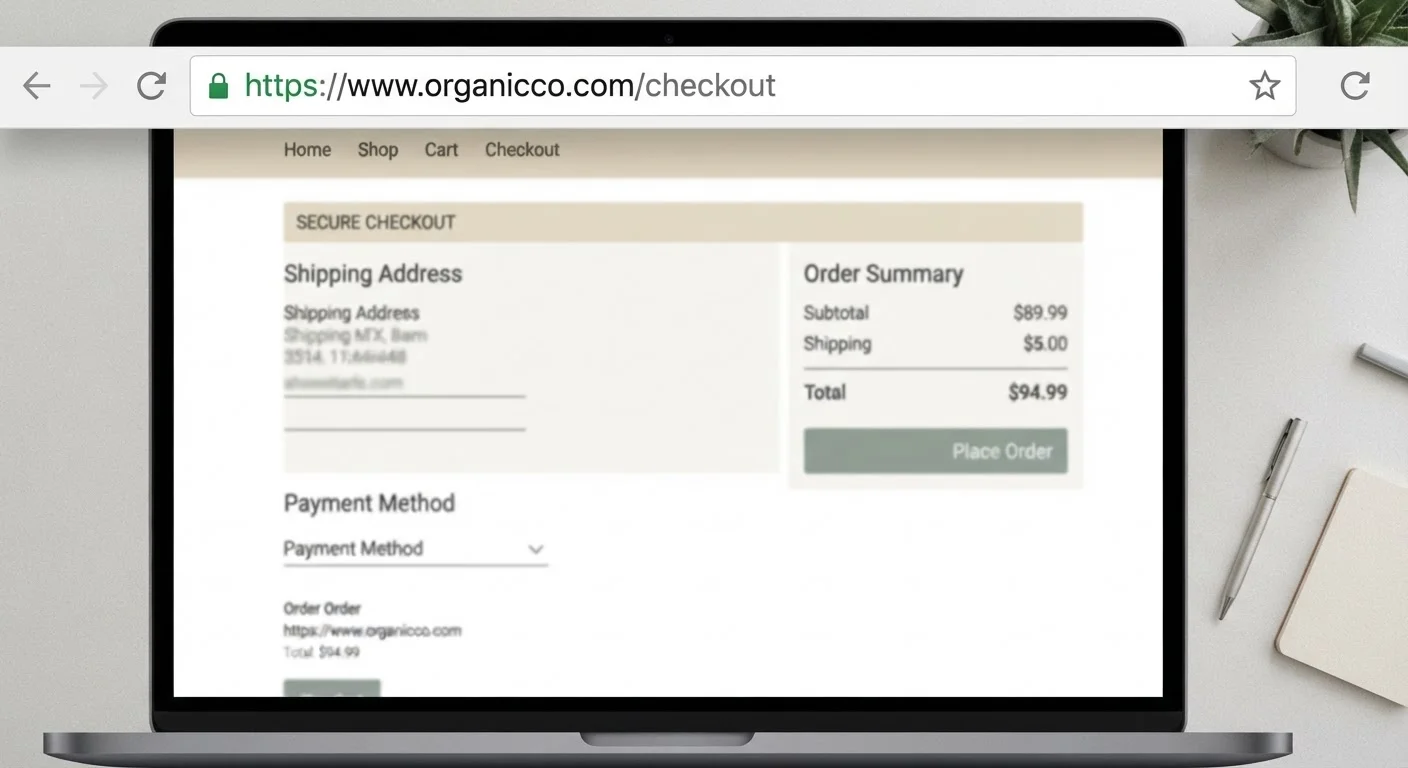
Most shoppers assume that if a website shows the right logo, uses familiar colors, and has a professional checkout page, it must be genuine. That assumption is exactly what website spoofing exploits. Fraudulent sites are built to pass a quick visual inspection-they're engineered to feel trustworthy rather than to actually be trustworthy.
The barrier to cloning a website is surprisingly low. Publicly available tools can mirror a retailer's entire front end-images, layout, fonts, product descriptions-in very little time. What scammers cannot replicate is the actual domain name, which is registered and controlled by the legitimate retailer. That single detail is where the deception begins to crack.
For a broader look at how these operations are structured from start to finish, see The Anatomy of an Online Shopping Scam.
Familiarity Can Be Manufactured
Research in consumer behavior consistently shows that visual familiarity increases perceived trustworthiness. Scammers deliberately exploit this by mirroring design elements that shoppers associate with safe, reliable retailers. Recognizing that a polished appearance is a copyable asset-not a trust signal-is the foundation of safer browsing habits.
Where the URL Tells the Truth
Before trusting any retail site, examine the full domain name in the browser's address bar-not just the brand name displayed on the page. Fraudulent domains commonly use tactics such as:
- Adding or substituting characters:
amazzon.com,walrnart.com - Inserting hyphens or extra words:
nike-official-store.com - Using different top-level domains:
target.shopinstead oftarget.com
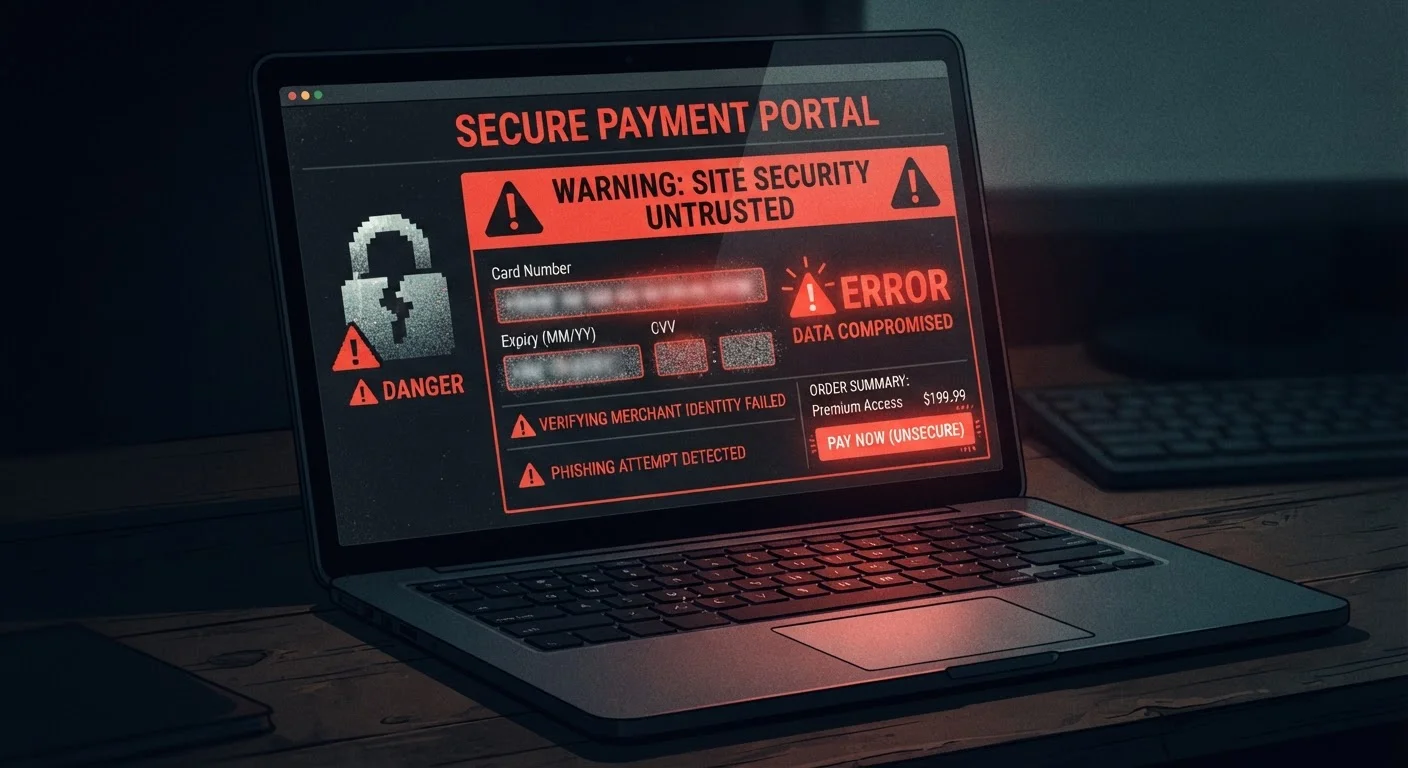
The safest habit is to navigate to a retailer by typing their known address directly into the browser, or by using a bookmark you created on a previous verified visit. Clicking links from search ads, promotional emails, or social posts without checking the destination URL first is one of the most common ways shoppers land on spoofed pages. Phishing emails that impersonate retailers use exactly this approach to drive traffic to cloned sites.
Signals Beyond the Logo to Evaluate
Once you've confirmed the domain looks correct, a few additional checks can catch problems that visual design conceals:
Contact information
Legitimate retailers publish a physical address, a working customer service phone number, and a support email. Test it: look up the number independently (not from the site itself) and verify it connects to the real company. Missing or vague contact details are a meaningful warning sign.
Policy pages and legal text
Copy a sentence from the site's return policy and paste it into a search engine. If the identical text appears on multiple unrelated domains, the page was likely generated or copied wholesale-common on fraudulent sites.
Payment options
Be cautious if a site accepts only wire transfers, cryptocurrency, or prepaid gift cards. These payment forms offer little to no buyer recourse. Credit cards provide stronger consumer protections under U.S. rules if a dispute arises.
If the site is one you haven't encountered before, the structured approach in Trusting a New Online Store You've Never Heard Of gives you a repeatable evaluation framework.
Search the Domain, Not the Brand Name
When evaluating an unfamiliar URL, search for the domain name itself in quotes alongside words like 'review' or 'scam' (for example: "retailername.shop" review). Consumer complaint forums, the Better Business Bureau, and the FTC's scam reporting database can surface warnings that the website itself will never show you.
How Shoppers End Up on Fake Sites
Spoofed sites don't wait for shoppers to stumble across them-they are actively promoted. Common delivery paths include:
- Paid search ads: Scammers bid on brand-name keywords so their cloned site appears above the legitimate retailer in results.
- Social media promotions: Fraudulent stores run polished ad campaigns on social platforms, often using images taken directly from the real retailer's feed.
- Link-in-bio and influencer posts: Compromised or impersonator accounts direct followers to fake storefronts.
- Email and SMS links: Messages designed to look like shipping alerts or order confirmations push recipients to cloned checkout pages.
Understanding the traffic source helps you adjust your guard accordingly. A link arriving unsolicited deserves more scrutiny than one you actively searched for-though, as the search ad tactic shows, active searches are not risk-free either.
For related risks around your stored account credentials, protecting your online shopping accounts from takeover covers what to do once you have verified you're on a legitimate site but want to reduce broader exposure.
$12.5B
Reported U.S. consumer fraud losses in 2024
According to the Federal Trade Commission's annual Consumer Sentinel data, total reported fraud losses in the U.S. reached approximately $12.5 billion in 2024.
~1 in 3
Online shoppers who report encountering a suspicious site
Consumer surveys by organizations such as the Better Business Bureau have found a substantial share of online shoppers report landing on a site they suspected was fraudulent.