
The Federal Foundation: Your Baseline Protections
Two federal rules form the bedrock of U.S. online shopper protections, and most consumers have never read either of them.
The FTC Mail, Internet, or Telephone Order Rule requires sellers to ship within the timeframe they advertise - or within 30 days if no timeframe is stated. If a seller cannot meet that deadline, they must notify you and give you the option to cancel for a full refund. This rule applies to most goods ordered online, with limited exceptions for perishables and custom items.
The Fair Credit Billing Act (FCBA) governs credit card billing disputes. Under this law, you have the right to dispute charges for goods that were never delivered, arrived damaged, or were materially misrepresented. Your card issuer must acknowledge the dispute within 30 days and resolve it within two billing cycles (no more than 90 days). During the investigation, you generally cannot be required to pay the disputed amount or have it reported as delinquent.
These laws set a minimum floor. Card-network rules and state consumer protection statutes often go further. See our end-to-end safe shopping reference for a broader overview of the protections that apply at every stage of a transaction.
| FTC shipping deadline (no date stated) | 30 days from order (FTC Mail, Internet, or Telephone Order Rule) |
| FCBA dispute filing window | 60 days from statement date (Fair Credit Billing Act (15 U.S.C. § 1666)) |
| Issuer dispute resolution deadline | Two billing cycles / max 90 days (Fair Credit Billing Act) |
| Required first step before chargeback | Attempt resolution with merchant (Standard card-network chargeback rules) |
| Escalation body for unresolved disputes | CFPB or state attorney general (Consumer Financial Protection Bureau) |
Chargebacks: How the Dispute Process Actually Works
A chargeback is a forced reversal of a charge initiated through your card issuer rather than the merchant. It is not the same as a refund - it is a formal dispute mechanism built into card-network rules.
The general process works in four steps:
- Contact the merchant first. Most card networks require you to attempt resolution with the seller before filing a dispute. Document this attempt - screenshots, email timestamps, chat logs.
- File a dispute with your card issuer. Call the number on the back of your card or use the issuer's app. State the reason clearly: non-delivery, item significantly not as described, unauthorized charge, or billing error.
- The issuer investigates. The merchant has an opportunity to respond with evidence. Keep every piece of documentation the seller sent you.
- A decision is issued. If the dispute is upheld, the charge is reversed. If denied, you can appeal or escalate to your state attorney general or the Consumer Financial Protection Bureau (CFPB).
Timing matters: the FCBA gives you 60 days from the statement date on which the charge appeared to file a credit card dispute. Missing this window can forfeit your federal protections, though your card issuer may still accept the dispute voluntarily.
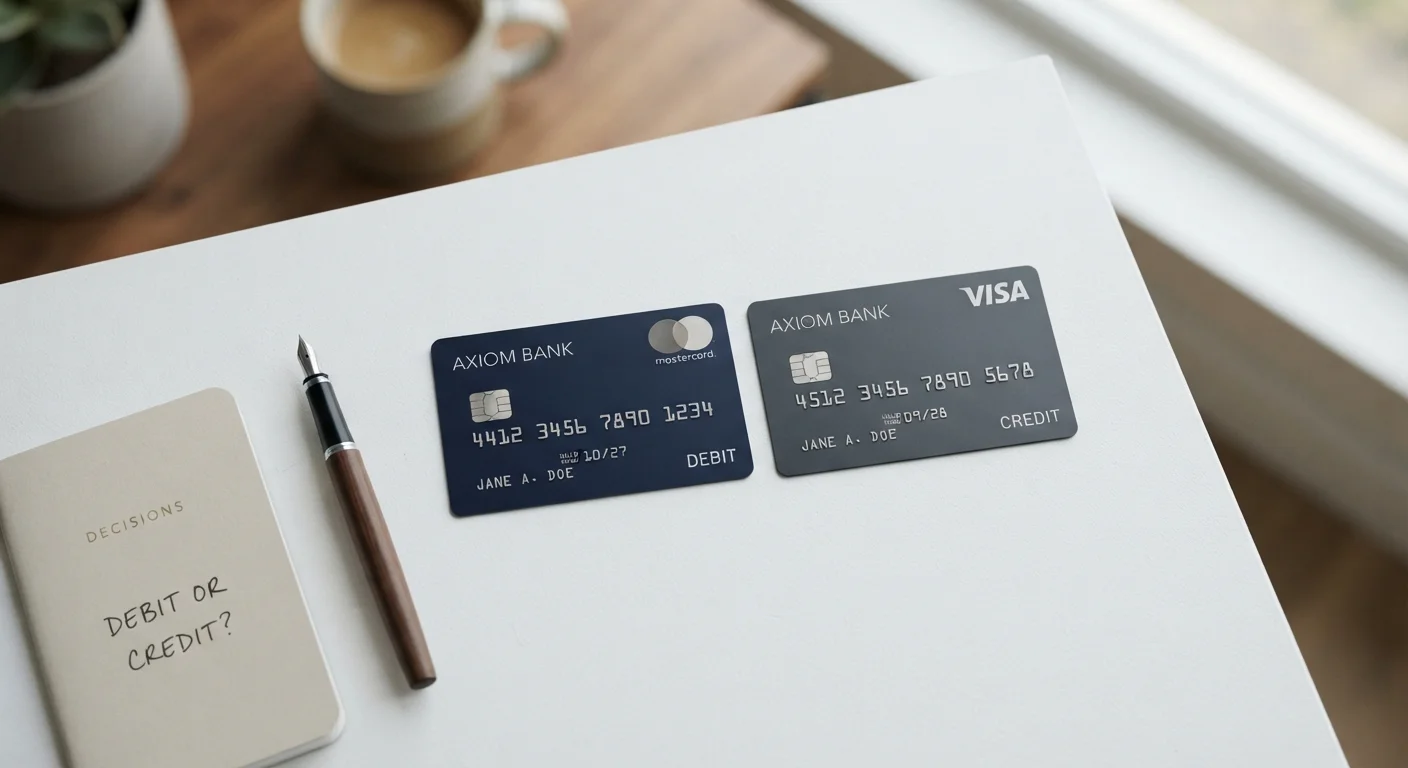
Payment method significantly affects your leverage. Credit cards carry stronger federal chargeback protections than debit cards, and digital wallets or bank transfers may offer little to no recourse. See also our guide to online payment options for a method-by-method breakdown.
Chargeback
A forced reversal of a credit or debit card charge initiated by the cardholder through their card issuer. It is a formal dispute mechanism governed by card-network rules, distinct from a voluntary merchant refund.
Fair Credit Billing Act (FCBA)
A U.S. federal law that gives consumers the right to dispute billing errors and undelivered or misrepresented goods charged to a credit card. It sets time limits and procedural requirements for both cardholders and issuers.
FTC Mail Order Rule
A Federal Trade Commission regulation requiring online (and mail/phone) sellers to ship within stated or implied timeframes and to offer cancellation and refunds when those deadlines cannot be met.
Not as Described
A chargeback reason code used when a product received is materially different from what was advertised - including wrong items, counterfeit goods, or significantly inferior quality.
Dispute Window
The time period within which a consumer must file a formal billing dispute to retain federal protections. Under the FCBA, this is 60 days from the statement date on which the charge appeared.
Counterfeit and Misrepresented Goods
Receiving a product that is clearly different from what was advertised - wrong size, counterfeit branding, materially inferior quality - qualifies as "not as described" under both FCBA and card-network chargeback reason codes. This is one of the most commonly successful dispute categories for online shoppers.
To support your claim:
- Photograph the item received alongside the original product listing (printed or screenshot).
- Note any discrepancies in labeling, packaging, or materials.
- Retain the original shipping packaging, which may include customs declarations or country-of-origin markings relevant to counterfeit claims.
If the seller is operating a fraudulent storefront rather than simply fulfilling poorly, the situation may cross into scam territory. Our article on how online shopping scams are structured explains the warning signs to recognize before you buy.
Debit Cards Carry Different Protections
The FCBA applies specifically to credit cards. Debit card disputes fall under the Electronic Fund Transfer Act (EFTA), which has different timelines and liability rules - and generally provides weaker protections for "not as described" claims. If you paid by debit and a dispute is denied, your options are more limited than with a credit card.
This article provides general consumer education about U.S. shopper protections and is not legal advice. For disputes involving significant amounts of money or complex fraud, consult a consumer law attorney or your state attorney general's office.