Why Airport Assumptions Get Travelers Into Trouble
International airports feel like familiar territory - gates, security lines, duty-free shops. That familiarity breeds confidence, and sometimes that confidence becomes a liability. Americans who travel domestically without incident often discover that the rules governing international terminals are more layered, more variable, and less forgiving than they expected.
Many of these assumptions aren't random. They're the result of reasonable extrapolation: if it worked at JFK, it should work in Frankfurt, right? Not always. Policies around transit, baggage, customs limits, and screening differ by country, airline, and even individual airport. The myths below are among the most commonly held - and the most likely to cost you time, money, or a confiscated item.
For a broader look at how faulty assumptions shape travel decisions, see our examination of common travel myths across booking, seasons, and costs.
Myth
If I have a long layover, I can freely leave the airport and explore the city.
Fact
Leaving the airport during a layover often requires a transit visa, which varies by nationality and destination country.
A six-hour layover in a major city sounds like a sightseeing opportunity - and sometimes it is. But many countries require travelers to hold a transit visa before they can pass through immigration and exit the airport. Whether you need one depends on your passport, your destination, and that specific country's rules. Some countries offer visa-on-arrival options; others require advance applications. Always verify with the official embassy or consulate of the layover country well before your travel date.
Myth
Duty-free items are exempt from customs limits - I can bring back as much as I want.
Fact
Duty-free stores are exempt from airport taxes, but what you bring into your destination country is still subject to that country's customs allowances.
The "duty-free" label refers to taxes collected at the point of sale in the departing airport - not a blanket exemption from import rules. When you land, customs officers apply the allowances of the country you're entering. For Americans returning home, US Customs and Border Protection sets limits on alcohol, tobacco, and goods by value. Exceeding those limits means paying duty - or having items confiscated. Check the official CBP website or your destination country's customs authority for current thresholds before you shop.
Myth
My checked bags will automatically transfer when I have a connecting flight.
Fact
Automatic baggage transfer typically only applies when your flights are booked under a single itinerary with an interline or codeshare agreement.
When you book two separate tickets - even on the same travel day - airlines generally treat them as independent journeys. That means collecting your bags at the connecting airport, clearing customs if required, and rechecking them for your next flight. Even within a single booking, some budget or regional carriers don't participate in interline baggage agreements. Confirm the baggage transfer policy with each carrier on your route, and always build extra time into connections that involve different airlines or ticketing systems.
Myth
TSA PreCheck or CLEAR will speed me through security at any international airport.
Fact
TSA PreCheck and CLEAR are US-specific programs and have no standing at foreign airports, which run their own screening systems.
These trusted traveler programs streamline screening at participating US airports. Abroad, they carry no weight. Foreign airports operate under their own country's aviation security authority, with their own rules about liquids, electronics, footwear removal, and allowable items. Some countries have stricter limits on liquids or require laptops to be removed even when US-bound airports do not. Research the specific screening expectations for each airport on your route - don't assume your US experience translates.
Myth
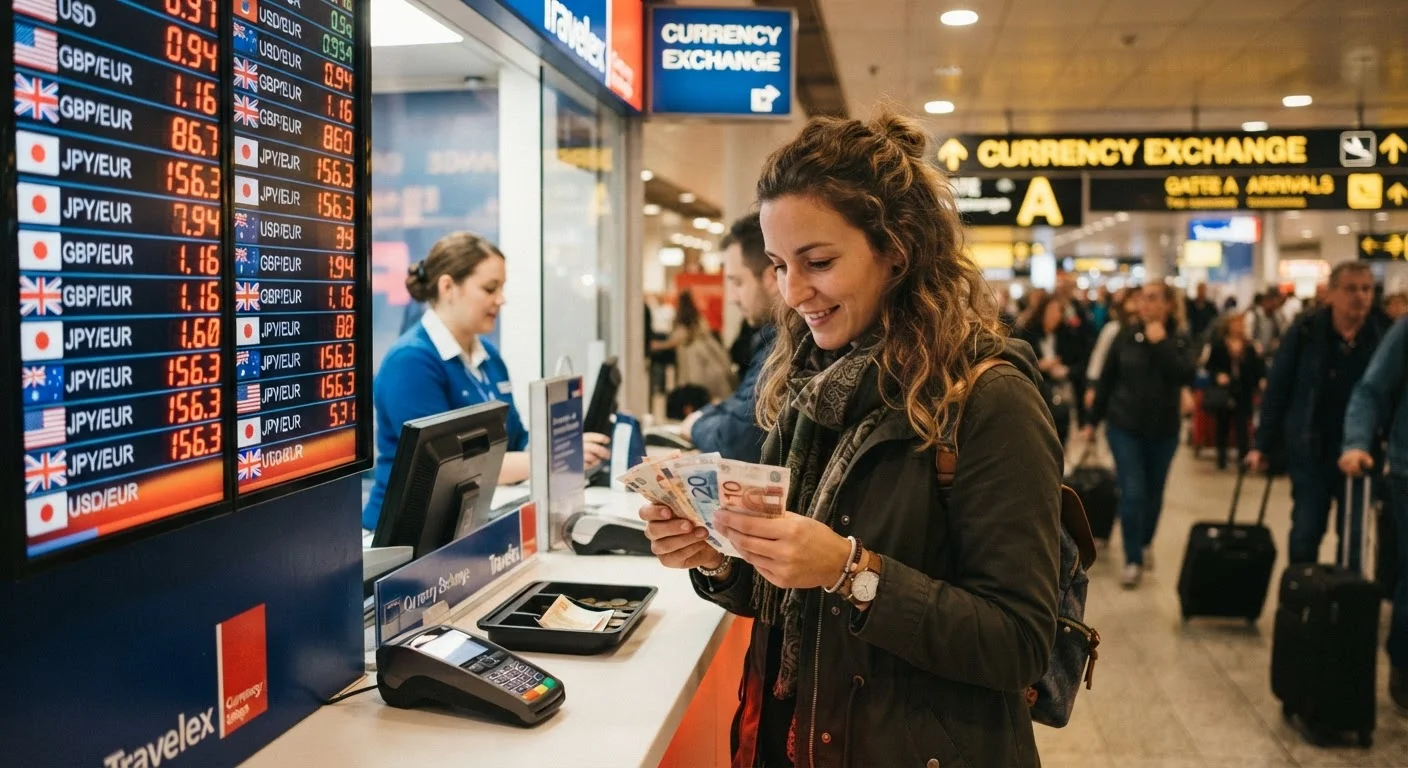
Airport currency exchange is convenient, so it's basically the same as exchanging money anywhere else.
Fact
Airport currency exchange kiosks frequently apply less favorable rates and higher fees compared to alternatives like local ATMs or bank-issued travel cards.
The convenience of an airport kiosk comes at a cost. Exchange operators in airports often apply wider spreads between buy and sell rates, plus flat service fees. The result is that travelers who exchange large amounts at the airport can lose a meaningful percentage of their money before they've left the terminal. For a full comparison of your options - including ATM withdrawals, travel-specific bank cards, and local exchange bureaus - see our guide to currency exchange abroad.
Myth
A connecting flight gives me enough time as long as it's within the minimum connection time listed.
Fact
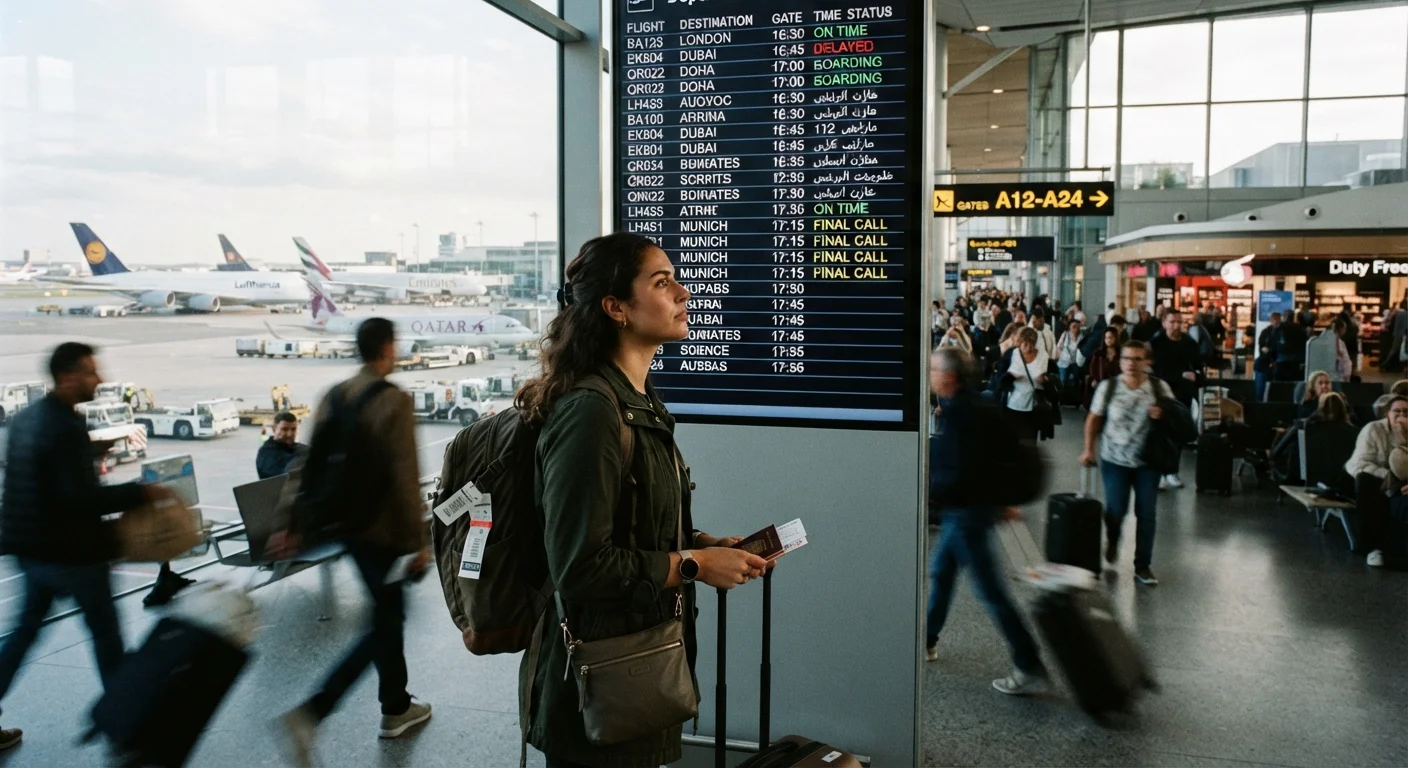
Minimum connection times are estimates based on ideal conditions; delays, long walks between terminals, or extra screening can easily push you past the window.
Airlines publish minimum connection times as a scheduling baseline, not a comfort guarantee. Factors like a late-arriving inbound flight, a gate change, a long walk between terminals, or an immigration queue for transit passengers can all erode that buffer quickly. At large hub airports, terminal-to-terminal transfers can take 30-60 minutes even when everything goes smoothly. When booking international connections yourself, building in more time than the published minimum is a practical safeguard - not overcaution.
What to Double-Check Before You Fly Internationally
The throughline across these myths is that international travel rewards verification. Assumptions that save time domestically can create real friction abroad. A few habits help:
41%
Travelers who missed a connection due to underestimated transit time
A survey by the International Air Transport Association (IATA) found roughly 41% of disrupted itineraries involved connections that appeared adequate on paper but failed under real-world conditions.
3-8%
Typical markup at airport currency exchange kiosks
Consumer finance research organizations have noted that airport foreign exchange services commonly apply margins of 3 to 8 percentage points above interbank rates, though figures vary by location and operator.
- Research transit visa requirements for every country your plane lands in - not just your final destination. The US Department of State and your destination country's embassy website are authoritative starting points, though you should always verify directly with official sources before traveling.
- Confirm your baggage agreement if you've booked connecting flights with different airlines or on separate tickets. Never assume your bag will follow you automatically.
- Check customs allowances for your destination before buying anything in a duty-free shop. Staying under the legal limit avoids delays and potential fines on arrival.
- Know your airport's layout for connections. Some airports require exiting and re-entering security even for connecting passengers - this can add 45 minutes or more to what looks like a comfortable layover.
Understanding the friction points that catch travelers off guard goes a long way. Our guide on navigating hidden friction points in international travel covers border queues, transit surprises, and card declines in detail. And if you're wondering how currency exchange at the airport stacks up against other options, our breakdown of foreign exchange trade-offs is worth reading before you land.
Transit Visa Rules Change - Always Verify Officially
Transit visa requirements are updated by governments without much public notice. A policy that allowed Americans visa-free transit through a given country one year may change the next. Never rely on traveler forums or past experience as your primary source. Check directly with the official embassy, consulate, or government immigration portal of every country your itinerary passes through, and do so close to your departure date.
For a full logistics overview tailored to Americans heading abroad, the complete international travel planning reference covers everything from passport validity to re-entry declarations.