
Passports, Validity Rules, and When to Renew
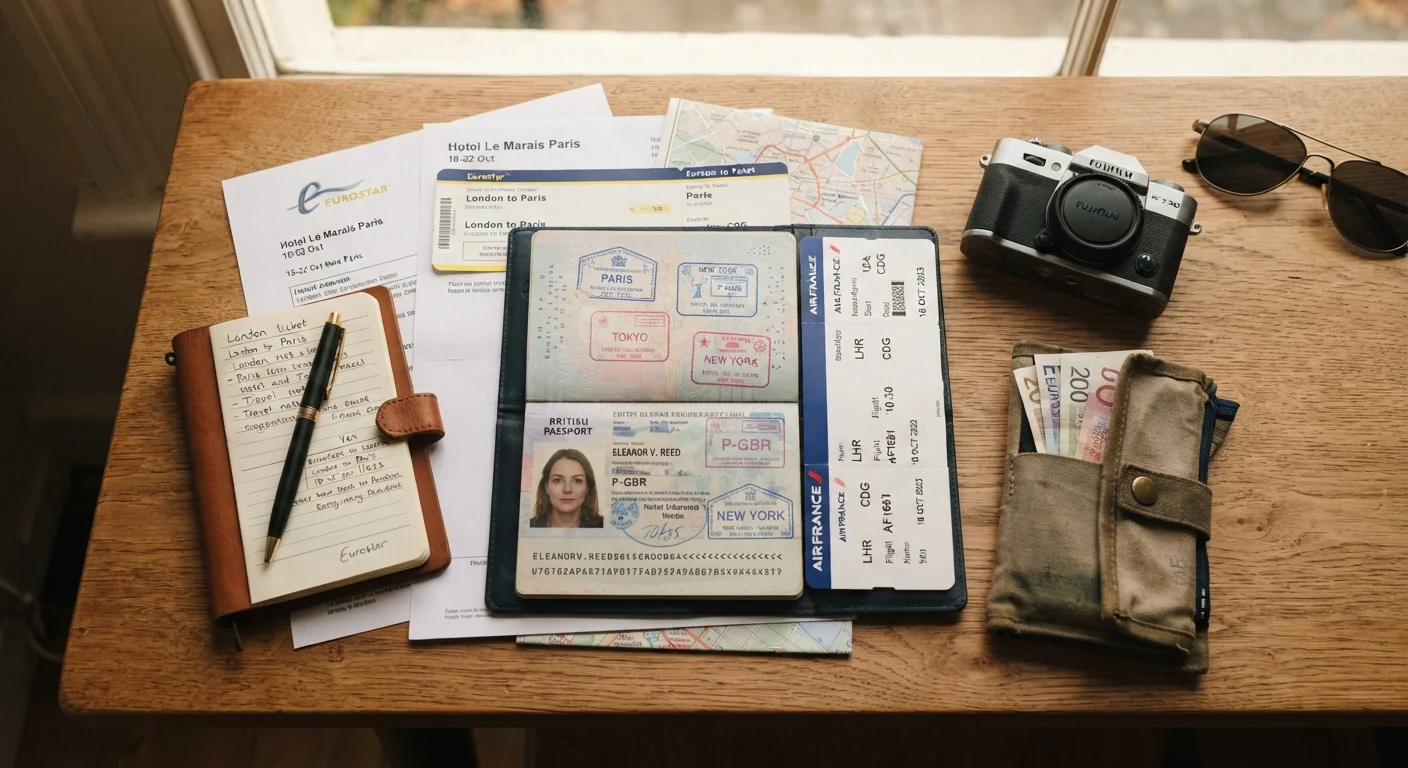
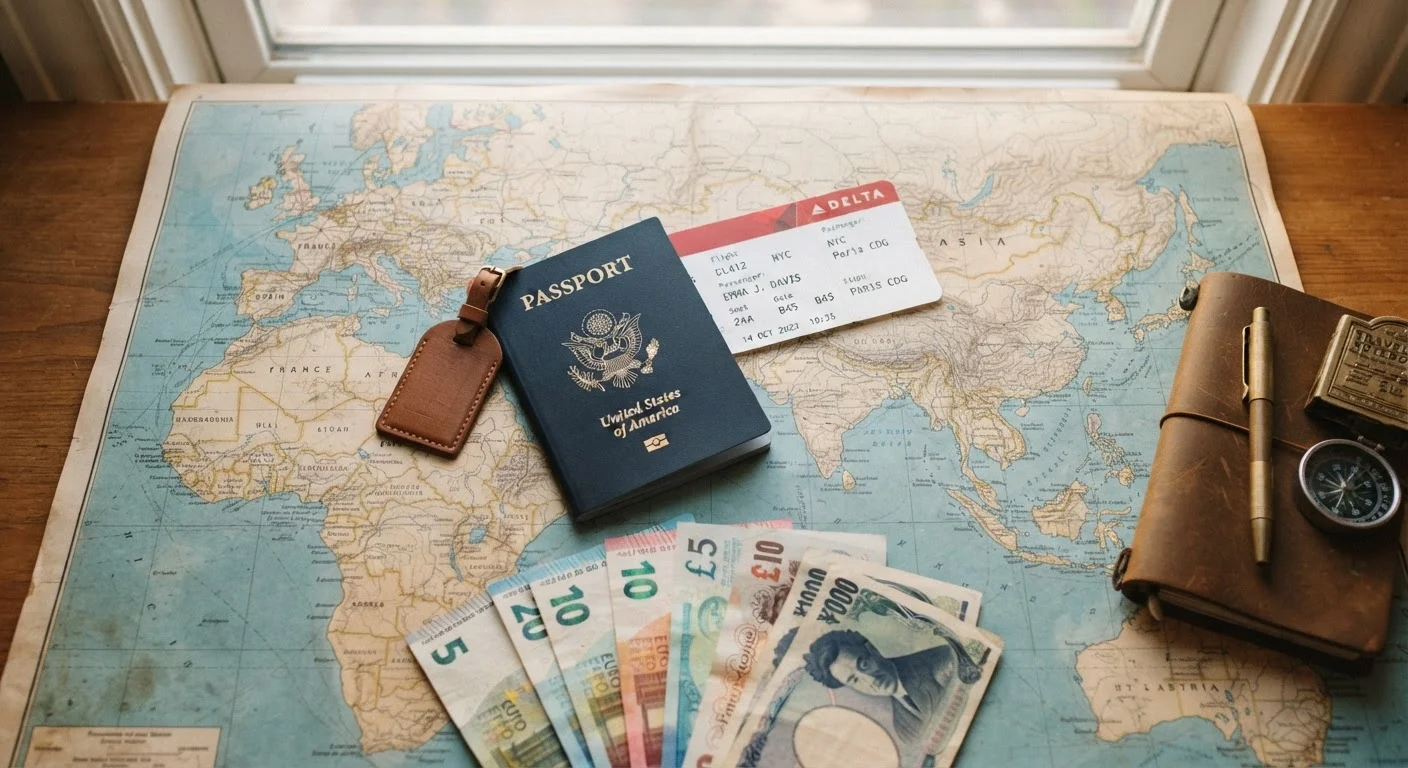
Your passport is the cornerstone of every international journey. Most countries - including popular destinations across Europe, Latin America, and Asia - enforce a six-month validity rule, meaning your passport must not expire within six months of your planned departure date. Some nations apply stricter or looser interpretations, so always verify requirements for your specific destination through that country's official embassy or consulate website.
U.S. adult passports are valid for ten years; passports issued to travelers under 16 are valid for five years. Renewal processing through the State Department can take several weeks under standard timelines, so experts recommend initiating renewal at least six months before a planned trip. Expedited services are available for an additional fee. For a deeper look at organizing all your travel paperwork, see our full document checklist for international travelers.
Apply for or renew your passport well before the six-month mark - even if your destination doesn't enforce the six-month rule, airlines may deny boarding based on it.
Airlines follow IATA travel information databases that often flag the six-month rule broadly, and being turned away at check-in is a costly and stressful outcome that's entirely avoidable.
Photograph all key documents - passport bio page, visa, travel insurance card, hotel confirmations - and store them in a secure cloud folder accessible from any device.
If a bag or wallet is lost or stolen, having digital backups dramatically speeds up emergency document replacement through U.S. consular services abroad.
Visas and Entry Requirements by Region
Americans benefit from visa-free or visa-on-arrival access to a wide range of countries, but that list is far from universal. The Visa Waiver Program (VWP) allows passport holders to visit roughly 40 participating countries - including much of the European Union, Japan, and South Korea - for up to 90 days without a traditional visa, provided they obtain ESTA (Electronic System for Travel Authorization) approval in advance. ESTA is not the same as a visa; it's a separate electronic authorization that must be requested before departure.
Countries outside the VWP - such as China, India, Brazil, and Russia - typically require Americans to obtain a visa ahead of travel. Processing times, fees, and required documentation vary considerably. Some destinations also require proof of onward travel or a minimum amount of funds. Always consult the official embassy or consulate of your destination country, and cross-reference with the U.S. State Department's country information pages. For a streamlined overview of the planning process, this international planning reference covers entry requirements alongside other key logistics.
ESTA Is Not a Visa - Don't Skip It
Travelers to VWP countries who skip ESTA authorization may be denied boarding at U.S. departure airports. Apply at least 72 hours before your flight through the official CBP website. Beware of third-party sites charging inflated fees - the official application is available only through cbp.dhs.gov.
Health Prep, Vaccinations, and Travel Insurance
Health preparation for international travel involves several layers. The CDC publishes destination-specific health recommendations - including routine vaccines to confirm current, destination-specific vaccines (such as typhoid or yellow fever for certain regions), and malaria prevention guidelines. Consult a travel medicine clinic or your healthcare provider at least four to six weeks before departure, as some vaccine series require multiple doses over time.
Travel insurance is a separate and important layer. Standard U.S. health insurance plans often provide limited or no coverage abroad. A robust travel insurance policy may include emergency medical treatment, medical evacuation, trip cancellation, and lost baggage coverage. Carefully read any policy's terms - coverage levels vary widely. This article is for informational purposes only and is not medical or insurance advice; speak with a licensed insurance professional about the right coverage for your trip.
$800
Duty-free exemption per returning U.S. traveler
Per U.S. Customs and Border Protection guidelines for goods purchased abroad on international trips.
90 days
Max stay under the Visa Waiver Program
ESTA-approved travelers may visit VWP-participating countries for up to 90 days without a traditional visa.
40+
Countries in the Visa Waiver Program
As listed by the U.S. Department of Homeland Security, covering much of Europe, parts of Asia, and select other nations.
Money, Currency, and Managing Finances Abroad
Managing money internationally requires a bit of strategy. Dynamic currency conversion - where a foreign merchant offers to charge you in U.S. dollars - usually results in an unfavorable exchange rate; opting to pay in the local currency is generally advantageous. ATMs affiliated with major banking networks are widely available in urban areas worldwide, though fees can add up. Notify your bank and credit card issuers of your travel dates before departing to prevent fraud-triggered card freezes.
Carrying a mix of payment methods - a travel-friendly debit card with low foreign transaction fees, a credit card accepted internationally, and a small amount of local currency for markets or taxis that are cash-only - provides resilience. When exchanging currency, airport kiosks typically offer less favorable rates than in-destination banks or ATMs. U.S. law requires travelers to report to U.S. Customs if carrying more than $10,000 in currency or monetary instruments when returning to the country.
Use Two Cards, Stored Separately
Keep one card in your wallet and a backup in your hotel safe or a different bag. If one card is lost, skimmed, or frozen due to a fraud alert, you'll still have access to funds. Inform both card issuers of your travel dates before departure.
Cultural Awareness and On-the-Ground Logistics
Thoughtful cultural preparation makes international travel richer and smoother. Dress codes, tipping customs, acceptable public behavior, and dining etiquette vary enormously across countries. In many parts of Southeast Asia and the Middle East, modest dress is expected at religious sites. In Japan, removing shoes before entering a home or certain establishments is standard practice. Researching local norms - rather than assuming American conventions apply globally - signals respect and helps avoid unintentional offense.
On the logistics side, register with the Smart Traveler Enrollment Program (STEP) through the U.S. State Department before any international trip. This free service allows the nearest U.S. Embassy or Consulate to reach you in an emergency, including natural disasters or civil unrest. Also consider downloading offline maps and translation apps, purchasing a local SIM card or an international eSIM plan, and confirming that any electronics you bring are compatible with local voltage standards (most of Europe uses 220V rather than the U.S. standard of 110V). For your first trip abroad, this first-time international travel guide walks through these basics in an approachable way.
“The best-prepared travelers are not those who expect everything to go smoothly, but those who know exactly what to do when something doesn't.”
— Rick Steves, American travel author and public television host
Re-Entry: U.S. Customs and What to Declare
Returning to the United States requires passing through U.S. Customs and Border Protection (CBP). Every traveler - including U.S. citizens - must complete a customs declaration form (now often handled digitally via the CBP One app or APC kiosks at major airports). You are required to declare all goods acquired abroad, including gifts. The standard duty-free exemption for returning Americans is $800 per person for goods purchased abroad, though specific categories such as alcohol, tobacco, and certain agricultural products have separate limits.
Certain food items, plants, and animal products are restricted or prohibited from entry and must be declared; failing to declare them can result in fines. Currency and monetary instruments totaling more than $10,000 must also be reported - this is a reporting requirement, not a prohibition. Packing with customs in mind from the start of your trip helps avoid surprises at re-entry. CBP officers have broad authority to inspect luggage and question travelers, so being straightforward and having receipts for high-value purchases is always a sound approach.
This article is for general informational purposes only. Travel requirements, visa regulations, health recommendations, and customs rules change frequently. Always verify current requirements through official government sources - including the U.S. State Department, the CDC, and the embassy or consulate of your destination country - before traveling.