What Actually Shifts When You Go Solo Abroad
Crossing an international border alone changes more than just who's sitting next to you at dinner. Every logistical decision - from navigating an unfamiliar transit system to handling a delayed flight - lands squarely on your shoulders. That's both the thrill and the weight of solo international travel.
The upside is real autonomy. You wake up in Lisbon with no agenda and decide to spend three unplanned hours in a tile workshop - because nobody's waiting on you. You adjust your pace, your budget, and your route in real time. For many solo travelers, this kind of unscripted freedom is the whole point.
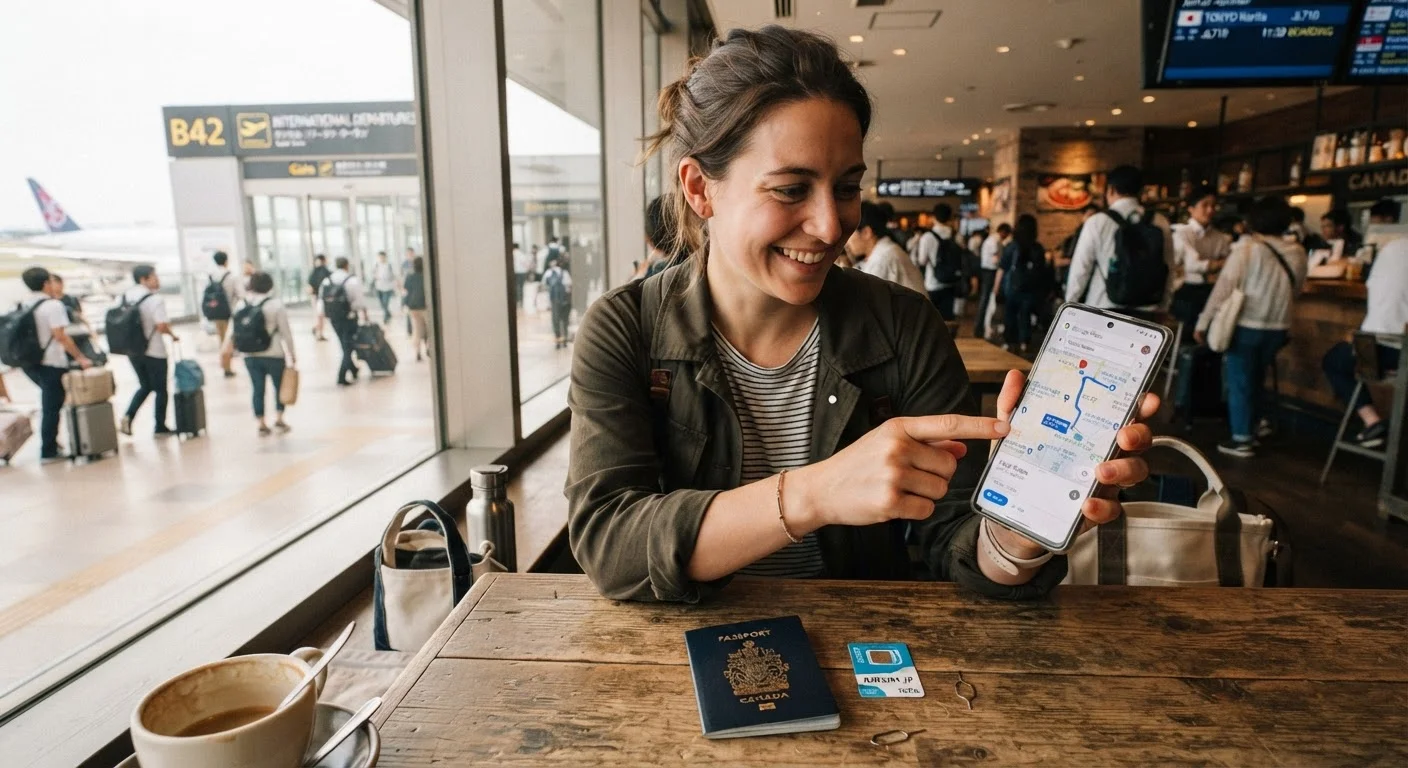
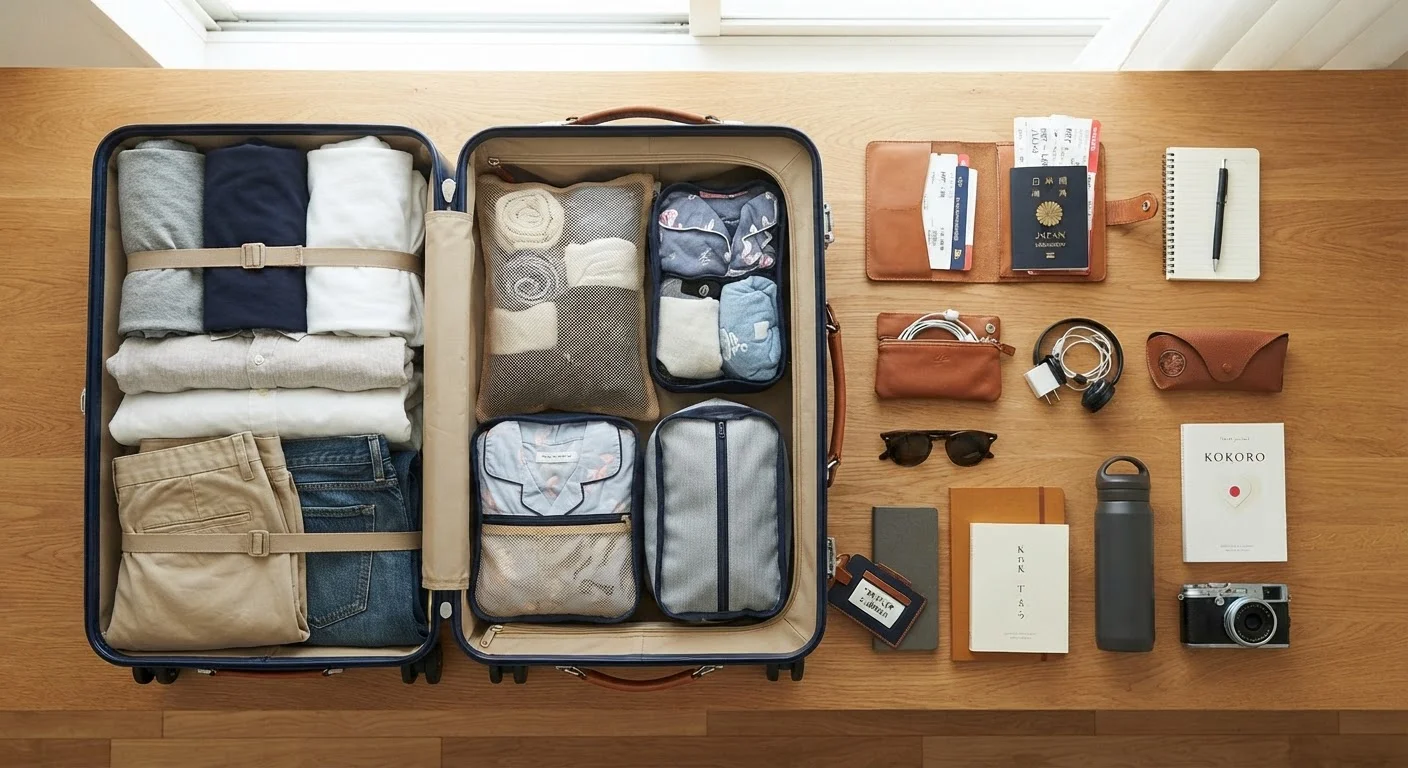
But that freedom requires preparation. Language barriers, currency logistics, local SIM cards, and entry requirements all need your personal attention. Solo travelers generally spend more time in the research phase before departure. Understanding how to stay connected is one early decision - see our guide on international roaming vs. local SIM cards for a practical breakdown. Packing efficiently also takes on added importance when no one else is sharing the load - the principles for packing an international trip apply regardless of destination.
Start With a Hybrid Approach
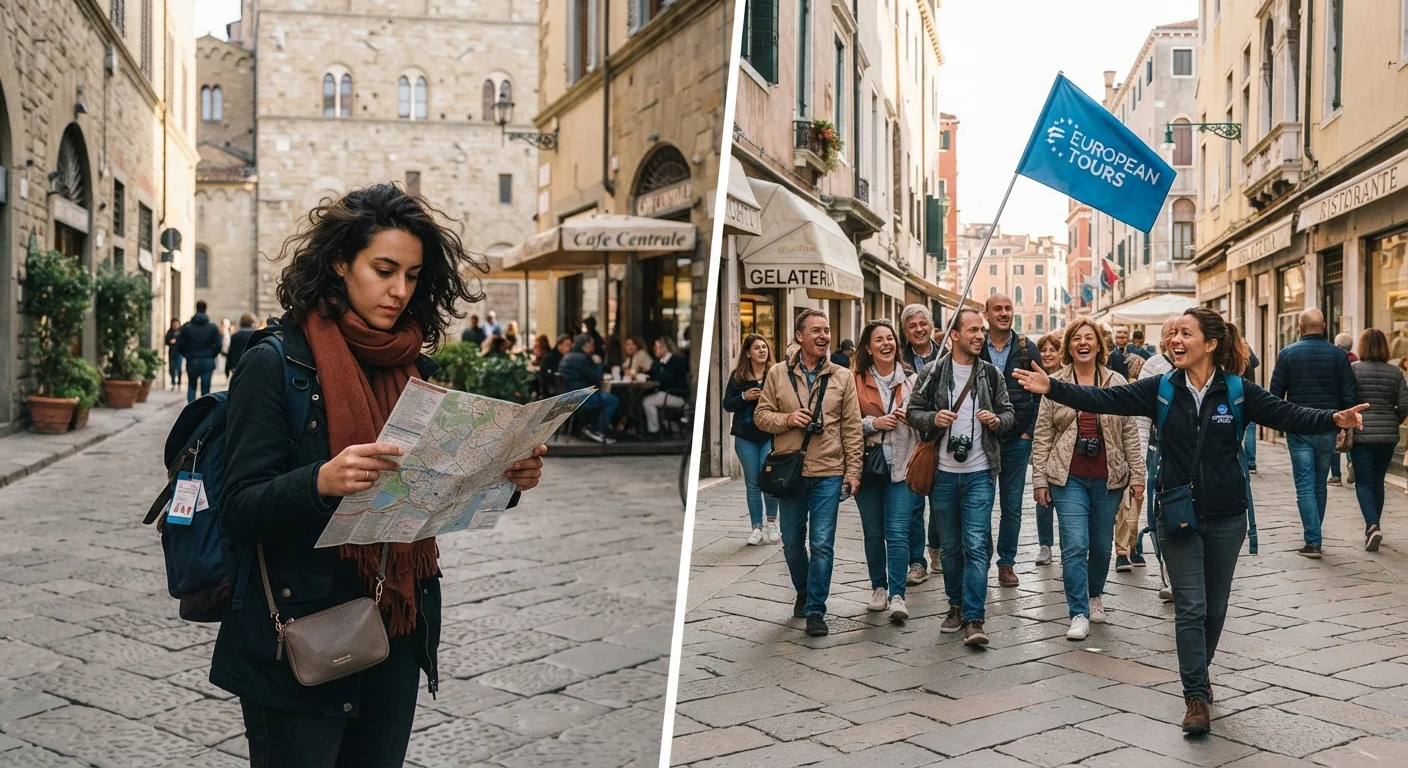
If you're new to international solo travel, consider booking structured tours for specific segments - a multi-day cultural excursion, for instance - while keeping the rest of your itinerary open. This hybrid approach builds confidence while preserving flexibility. It also gives you a comparison point to evaluate which format actually suits your travel personality before committing fully to one style.
What Group Tours Actually Deliver (and Don't)
A group tour doesn't just bundle flights and hotels - it bundles expertise, access, and accountability. Reputable tour operators often secure entry to sites that are harder to arrange independently, brief travelers on local customs, and absorb the logistical friction that might otherwise consume days of a solo itinerary.
For destinations with significant language barriers, complex permit systems (think certain trekking routes or restricted archaeological zones), or politically nuanced entry requirements, a structured tour can meaningfully reduce friction. The guide's local knowledge often adds interpretive depth that a guidebook can't replicate.
The trade-off is constraint. Group schedules are fixed; if a morning museum visit runs long, the bus still leaves at noon. Meals are often pre-arranged, side excursions may cost extra, and the pace is calibrated to the group median - which may be faster or slower than your preference. For travelers who get energized by spontaneity, a rigid itinerary can feel deflating after a few days.
Cost dynamics are also more complex than they appear. Group tours often achieve lower per-person rates on accommodation and guided experiences, but the all-inclusive price tag can obscure what's actually covered. Always clarify what's included before comparing sticker prices.
| Solo International Travel | Group Tour | |
|---|---|---|
| Itinerary Flexibility | Full control, change plans anytime | Fixed schedule, limited deviation |
| Logistical Responsibility | Entirely on the traveler | Handled by tour operator |
| Cost Predictability | Variable, depends on choices made | All-inclusive price, fewer surprises |
| Social Experience | Self-directed, spontaneous connections | Built-in group community |
| Safety Support | Self-reliant, requires preparation | Guide and operator infrastructure |
| Cultural Immersion | Deep, driven by personal choices | Guided and interpreted, less organic |
| Ideal Experience Level | Intermediate to experienced travelers | First-timers or complex destinations |
Safety, Support, and the Unexpected
Safety is where the two formats diverge most sharply in practice. Solo travelers carry full responsibility for situational awareness - knowing which neighborhoods to avoid after dark, how to respond if belongings are lost or stolen, and how to navigate a medical situation without a support system nearby. This isn't a reason to avoid solo travel, but it does require honest self-assessment and preparation.
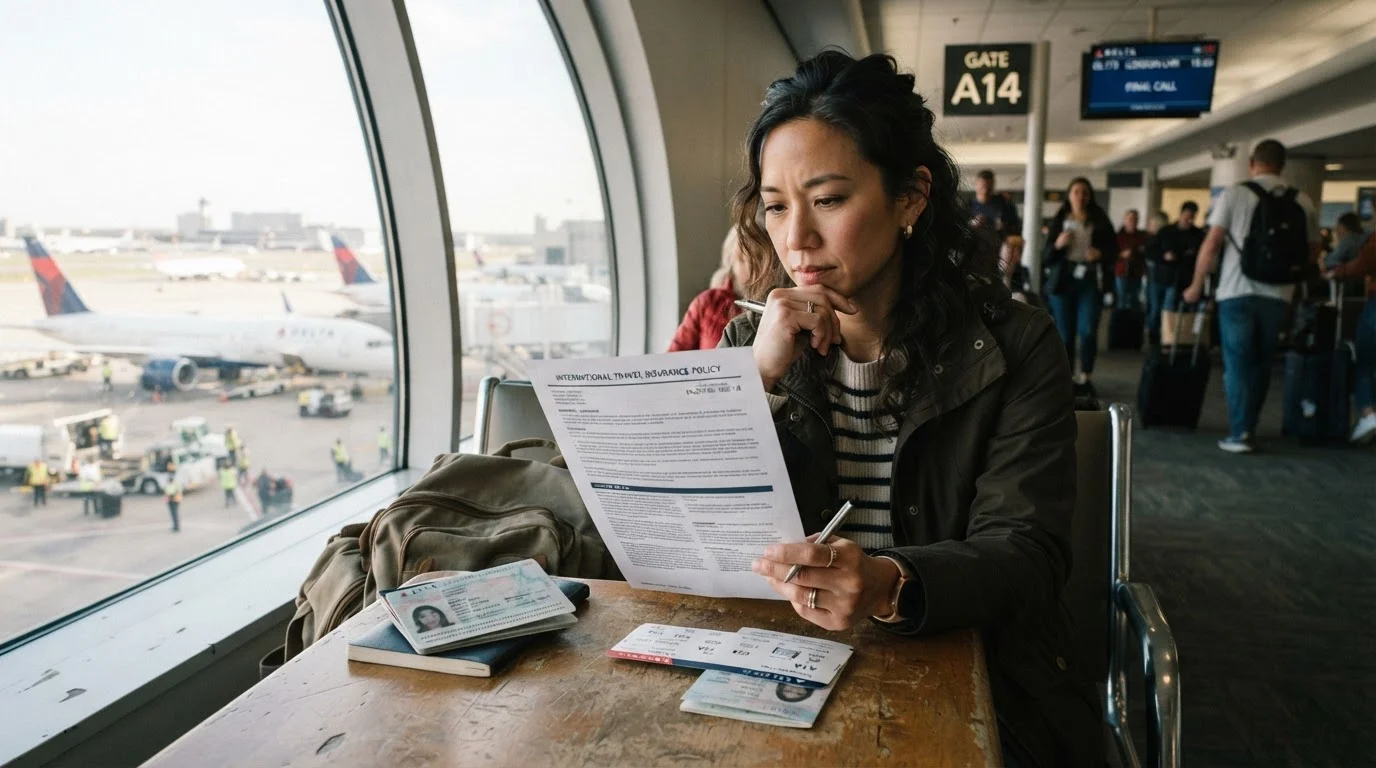
Travel insurance becomes especially important when traveling alone internationally, since there's no group infrastructure to absorb disruptions. Our editorial overview on why international travel insurance is more complicated than it looks walks through what policies typically cover and what questions to ask. Always verify entry requirements, health advisories, and safety conditions with official U.S. government sources before departure - conditions can change and no article can substitute for current official guidance.
Group tours offer a built-in safety net: an experienced guide, emergency contacts embedded in the operator's infrastructure, and fellow travelers who notice if something's wrong. That said, group travel also concentrates risk in its own ways - illness spreads more easily, and a single disrupted flight can cascade across the whole itinerary. Neither format is risk-free; they just carry different risk profiles.
Don't Skip Official Safety Checks
Before any international trip - solo or group - check the U.S. Department of State's travel advisories and the CDC's destination health notices for your specific countries. Tour operators handle logistics, but they cannot override entry restrictions, regional unrest, or public health requirements. Make sure your passport validity, any required visas, and recommended vaccinations are confirmed well in advance of departure.
Making the Call: Questions Worth Asking Yourself
The choice between solo and group international travel ultimately turns on a handful of honest questions. How comfortable are you navigating ambiguity in a place where you don't speak the language? Are you energized by solitude or does it drain you over extended periods? Is this a destination that rewards deep, slow exploration - or one where guided context adds real value?
Experience level matters too. Many seasoned independent travelers started with structured group travel, using it to build confidence and destination knowledge before venturing out alone. That progression makes sense: a first trip to Japan or Morocco with a knowledgeable guide builds the kind of contextual awareness that makes a later solo return far richer.
For travelers weighing a road-based alternative entirely, the road trip vs. flying comparison explores a different but related set of trade-offs. And if you're coordinating with others rather than going fully solo, planning a trip with a mixed group covers the logistics of traveling with people who have different needs. The Trip Planning hub brings these frameworks together for broader context. Whichever format you choose, informed preparation is what separates a stressful trip from a memorable one.