
Start With a Trip Vision, Not a Booking
The biggest planning mistake beginners make is opening a flight search before they've answered a far simpler question: What do I actually want from this trip? Before any booking, spend thirty minutes writing down your answers to a few core questions.
- Purpose: Are you recharging, celebrating, exploring, or visiting family?
- Travel style: Do you prefer a packed schedule or slow mornings with nowhere to be?
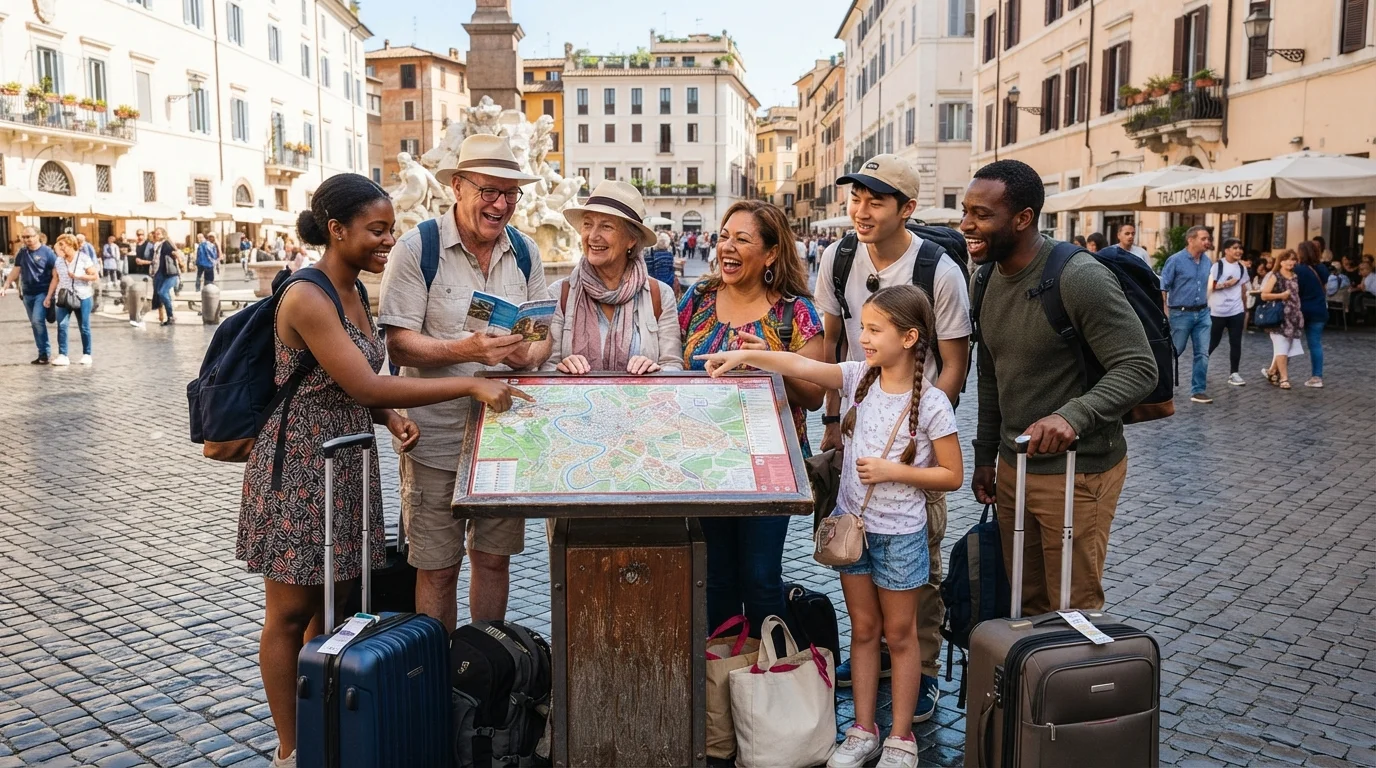
- Group dynamics: Solo, couple, family, or friends? (Mixed groups have their own wrinkles - see our guide to planning with a mixed group for specifics.)
- Hard constraints: Vacation days available, school calendars, or work deadlines.
Your answers will naturally filter destinations, duration, and pace. That's much smarter than falling in love with a place and then discovering it doesn't fit your timeline or travel style.
Shoulder season
The travel period just before or after a destination's peak tourist season. It typically offers fewer crowds and more moderate conditions than peak dates.
Itinerary
A day-by-day outline of your travel plans, including transportation, lodging, and key activities. It's a planning tool, not a rigid schedule.
Travel buffer
An extra percentage of your budget set aside for unexpected costs - delays, emergencies, or spontaneous opportunities - that arise during a trip.
Travel advisory
An official government warning or notice about safety, entry conditions, or health risks at a destination. The U.S. Department of State issues these for international locations.
Entry requirements
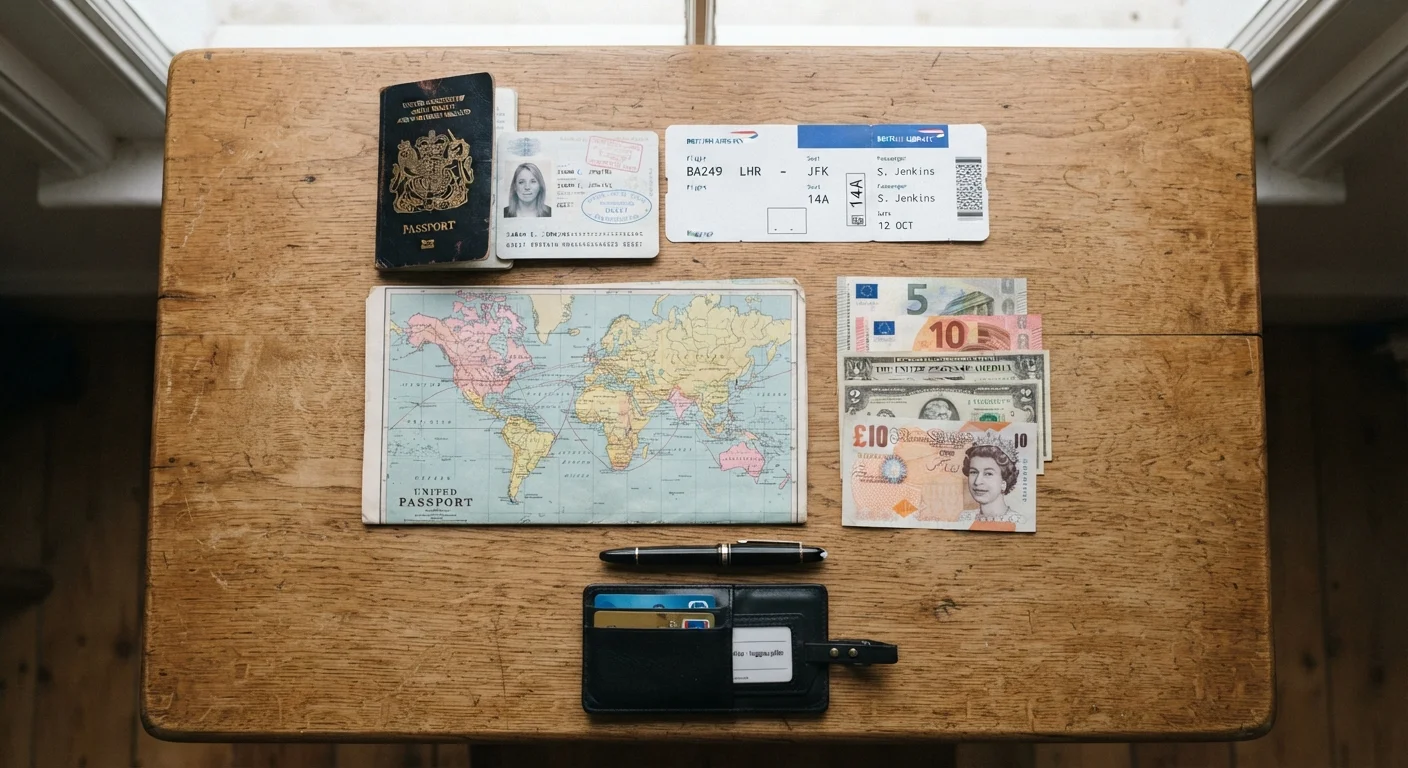
The documents and conditions a traveler must meet to enter a country - such as a valid passport, visa, or health documentation.
Budgeting Before You Book
A realistic budget is the backbone of stress-free planning. Without one, small decisions - an extra night, a nicer restaurant - compound into financial regret. Build your budget in layers:
- Transportation: Flights, train tickets, car rental, or fuel costs for a road trip. For domestic driving routes, our cross-country road trip guide covers cost-estimation in detail.
- Lodging: Multiply your nightly rate by the number of nights, then add taxes and fees - these are frequently 15-25% of the base rate.
- Daily spending: Meals, local transport, entrance fees, and activities. Research average daily costs for your specific destination.
- Buffer: Add 10-15% of your total estimate to cover unexpected costs - a delayed flight requiring an extra night, a medical co-pay, or a spontaneous detour.
Write these numbers down before searching for flights. Knowing your ceiling helps you evaluate options rationally instead of emotionally.
Track Your Budget in a Simple Spreadsheet
A single shared spreadsheet works better than mental math when planning with others. List each cost category in one column, your estimate in the next, and actual spending as you book. This approach surfaces gaps early and keeps everyone aligned on expectations.
Researching Your Destination
Once you have a destination in mind, research it thoroughly before committing money. Good destination research covers four areas:
- Entry requirements
- For international travel, verify passport validity, visa requirements, and any health documentation through official government sources - both your own government and the destination country's. Our international trip planning reference walks through these steps in full. For domestic US travel, see our end-to-end domestic travel resource.
- Seasonality
- Shoulder seasons - the weeks just before or after peak tourist periods - often offer more comfortable crowds and moderate pricing while preserving good weather.
- Local customs and practical norms
- Currency, tipping culture, transportation options, and cultural expectations. These details shape your daily experience more than the highlight reel on social media.
- Safety and accessibility
- Review current travel advisories from the U.S. Department of State for international trips. Consider mobility and accessibility needs for every traveler in your group.
Always Verify Entry Details With Official Sources
Visa rules, vaccination requirements, and border policies change. Information found on travel blogs or third-party sites may be outdated. Before booking international travel, check the U.S. Department of State website and the official tourism or immigration authority of your destination country to confirm current requirements.
Building Your Itinerary
An itinerary is a flexible framework, not a contract. Structure yours around confirmed reservations and a shortlist of priorities, then let the trip breathe.
Day-by-day outline
Map out arrival and departure logistics first. Then fill in one or two anchoring activities per day - museum tickets requiring advance booking, guided tours, or restaurant reservations for a special dinner. Leave the rest of each day open for wandering, rest, or spontaneous discovery.
Grouping by geography
Cluster nearby attractions on the same day to minimize transit time. Crisscrossing a city repeatedly is exhausting and eats into your enjoyment.
Booking order
Reserve in this sequence: flights and major transport first, lodging second, and activity tickets third. Reversing this order is a common source of wasted money when plans shift.
Don't Over-Schedule Your First Days
Arrival days almost always take longer than expected - baggage, transit, check-in, and adjusting to a new place all eat time. Schedule lightly on day one and resist the urge to cram in sightseeing before you've found your footing. A rushed first impression colors the whole trip.
Day-Of Logistics and Travel-Day Prep
The day before departure is when good planning pays off. Run through this checklist the evening before you leave:
- Confirm all reservation details - flight times, hotel check-in hours, and any transfer arrangements.
- Save digital copies of confirmation numbers, IDs, and emergency contacts in a cloud folder you can access offline.
- Check your destination's current conditions - weather, transportation disruptions, or local events that affect traffic.
- Notify your bank of travel dates to prevent your card from being flagged for unusual activity.
- Pack medications, chargers, and valuables in your carry-on, not checked luggage.
On travel day itself: arrive at airports, train stations, and ports earlier than you think necessary, especially for international departures where security and customs lines are longer. Build transitions into your timeline - rushing between connections is one of the fastest ways to unravel an otherwise solid plan.
With these foundations in place, you're no longer guessing - you're traveling with a plan. For a deeper dive into a specific type of journey, explore the international travel hub for inspiration and guidance beyond US borders.
U.S. Department of State Travel Advisories
Official travel advisories and country-specific entry information for Americans traveling internationally. Essential reading before booking any trip abroad.
CDC Travelers' Health Page
Health notices, vaccination recommendations, and destination-specific health guidance for U.S. travelers. Useful for both international and domestic health planning.
Trip Budget Planner Template
A simple spreadsheet template for estimating transportation, lodging, meals, and activity costs - with a built-in buffer column to prevent budget surprises.