Choosing Your Route and Direction
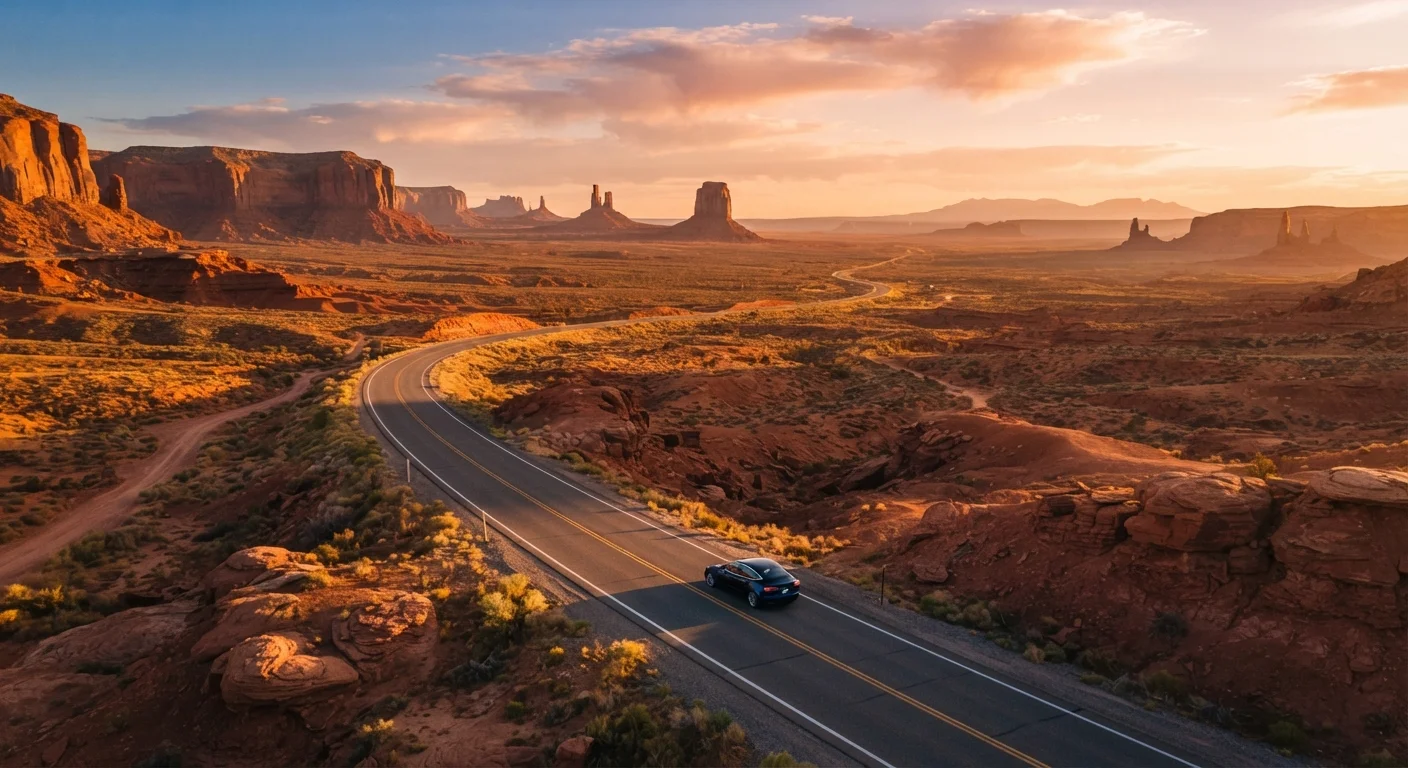
The first decision - and often the most exciting - is which corridor across the continent you want to follow. There is no single correct path. A northern route through the Rockies, Glacier Country, and the Pacific Northwest delivers entirely different scenery than a southern sweep through the Gulf Coast, Texas hill country, and the Sonoran Desert. Diagonal routes slicing from the Southeast to the Pacific Northwest, or from New England down through Appalachia and into the Southwest, open up yet more combinations.
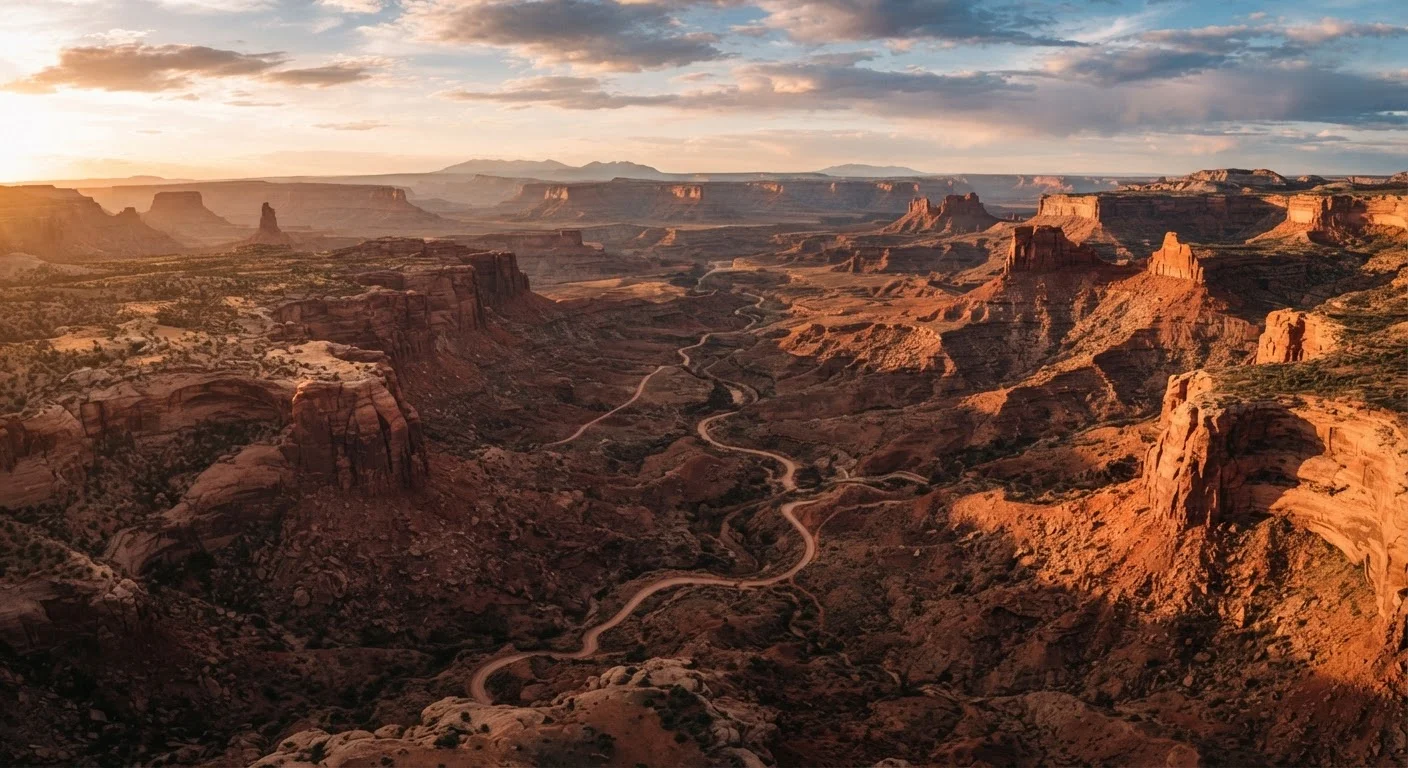
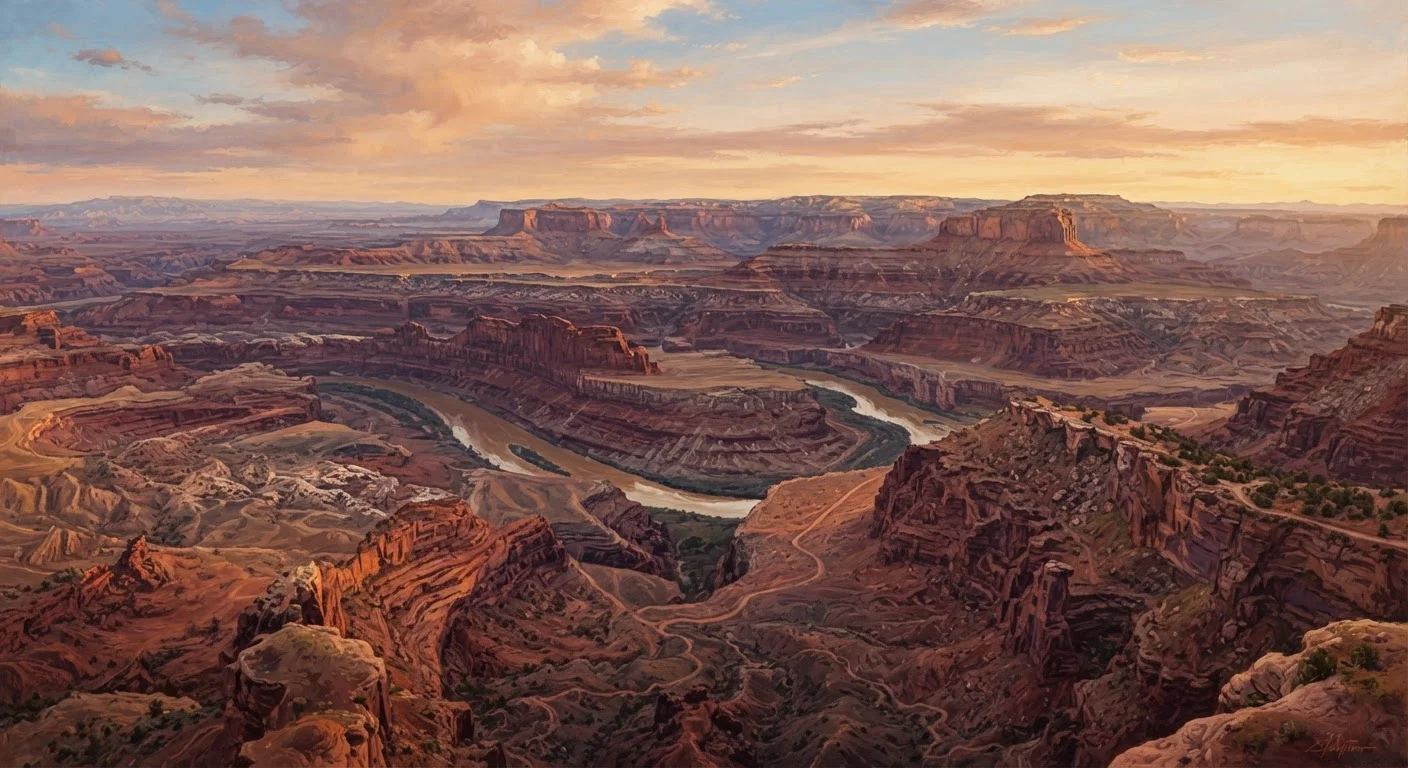
Before drawing a line on a map, ask yourself a few grounding questions: What landscapes energize you most - mountains, desert, plains, coast? Are there specific cities, national parks, or underrated small towns you have always wanted to see? How much of the drive do you want to spend on interstates versus slower two-lane state highways? Answering these shapes your route far more meaningfully than defaulting to whatever road trip you have seen on social media.
Also consider your starting point practically. East-to-west trips often follow prevailing winds and feel symbolically satisfying; west-to-east can mean better light for sunrise photography in the mornings. Either works - what matters is building a route around stops that genuinely matter to you.
Corridor
A general directional band across the country - such as a northern, southern, or diagonal path - that frames which states and landscapes your route passes through.
Gateway town
A small city or town situated at the entrance to a national park or major natural attraction, typically offering lodging, fuel, and supplies for visitors.
Shoulder season
The travel periods just before or after peak season - typically spring and fall - when crowds thin and prices often drop while conditions remain pleasant.
Buffer day
An unscheduled day built into an itinerary to absorb delays, extend a stop you love, or simply rest without disrupting the rest of the trip.
DOT (Department of Transportation)
Each US state has a Department of Transportation that publishes real-time road conditions, closures, and travel advisories - an essential resource before driving through mountain or weather-prone terrain.
Timing Your Trip Right
Season is the most under-discussed variable in cross-country road trip planning, and it affects everything from road conditions to campsite availability to the actual cost of accommodation.
Summer is peak season for northern routes - mountain passes are reliably open, national parks are fully staffed, and days are long. The tradeoff is crowds, higher prices at gateway towns, and heat that makes desert highways genuinely dangerous if your vehicle overheats. If your route passes through the Southwest in July or August, plan driving for early mornings and rest during the hottest afternoon hours.
Spring and fall are the quiet sweet spots. Shoulder-season travel in May or September means lighter traffic, moderate temperatures across most corridors, and foliage or wildflower blooms depending on direction. Winter road trips along southern routes - the I-10 corridor, the Gulf Coast, or a Florida-to-California arc - can be spectacular, but northern and mountain routes carry real risk of snow closures. Always check current road conditions through state DOT websites before heading into mountain terrain in any season.
Use Offline Maps Before Remote Stretches
Download your entire route to a mapping app before you leave reliable cell coverage. Large sections of the rural West and parts of the South and Midwest have limited or no service. An offline map ensures navigation works even when your signal disappears for hours at a time.
Building a Realistic Daily Plan
One of the most common mistakes first-time road trippers make is planning too many miles per day. A sustainable pace for most people sits between 250 and 350 miles of driving daily - enough to cover ground meaningfully without arriving at every stop exhausted and resentful of the car. Factor in meal breaks, fuel stops, and the fact that scenic two-lane routes move slower than interstate averages.
Map your anchor stops first: the cities, parks, or landmarks that are non-negotiable. Then fill in the driving days between them loosely, leaving at least one or two buffer days across the whole trip. Those unscheduled windows almost always get filled by something unexpected - a roadside geological formation, a small-town diner that turns into a two-hour conversation, a hiking trail that wasn't in the original plan.
If you are traveling with children, the calculus shifts noticeably. Family road trips reward shorter driving days, more frequent stops, and destinations with active, tangible experiences rather than long scenic drives. Build that flexibility in from the start rather than retrofitting it when everyone is cranky by day three.
For cities where you plan to explore on foot, check whether urban trail networks connect the downtown core to parks or natural areas - several American cities offer this, making a parked car an asset rather than a burden.
Getting Your Vehicle Road-Ready
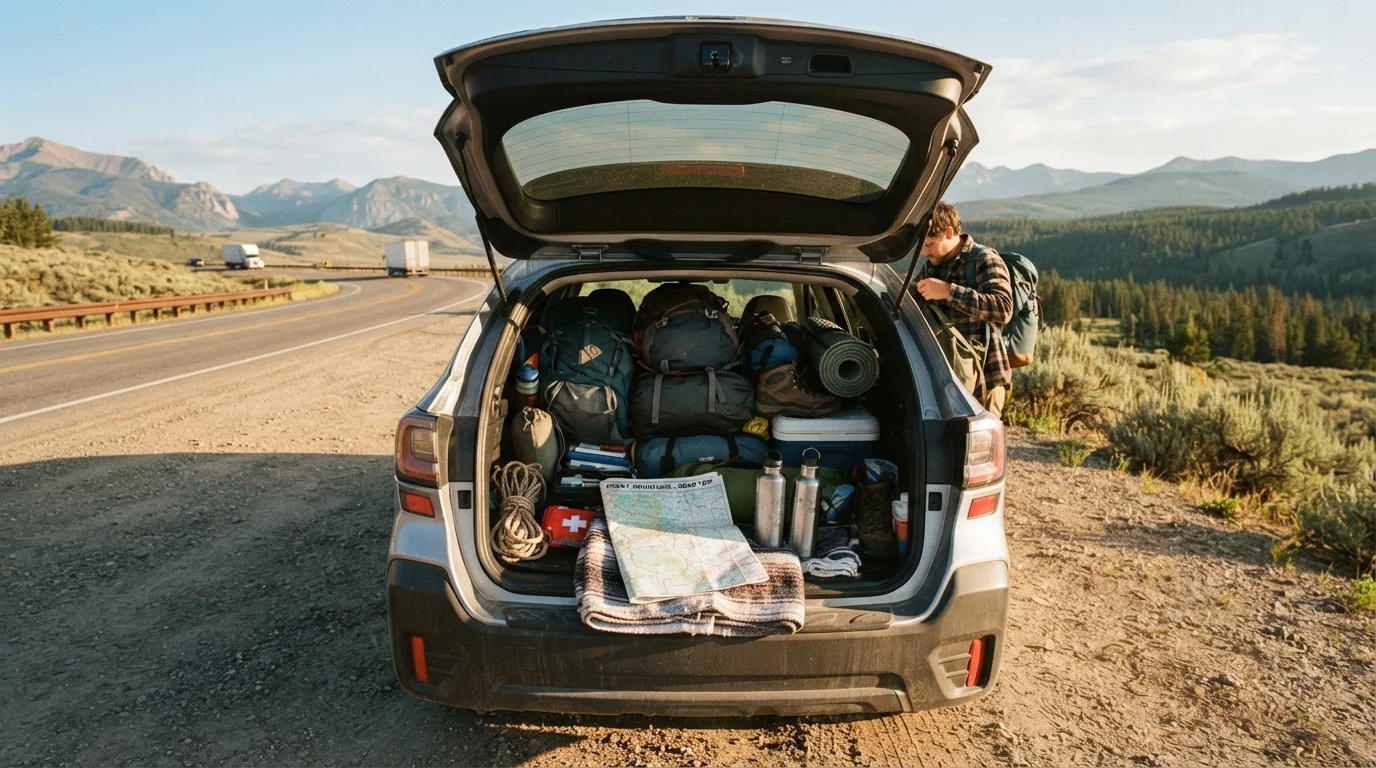
A cross-country trip puts real mileage on a vehicle, and a breakdown on a remote Nevada highway is a genuinely stressful and expensive experience. Before departure, have a qualified mechanic inspect tires (including the spare), brakes, fluids, belts, and the air conditioning system - the last item matters enormously on desert stretches. Do not skip this step even if your car feels fine day-to-day.
Our companion resource, a pre-departure long road trip checklist, walks through everything worth verifying before you leave the driveway. It is worth bookmarking now and revisiting the week before your departure date.
Pack a basic emergency kit: jumper cables or a jump starter pack, a reflective triangle or road flares, a first-aid kit, a flashlight, and enough water for at least 24 hours per person in the vehicle. In remote western states, carry more.
Remote Highways Demand Extra Preparation
In states like Nevada, Utah, and Wyoming, some highways run 80 to 100 miles between gas stations or towns. Never let your fuel drop below a quarter tank in these areas, and carry more drinking water than you think you need. Cell service is unreliable across large stretches - do not rely solely on a phone for navigation or emergency contact.
Packing and Budget Essentials
Road trip packing follows one golden rule: pack for the range of conditions on your route, not just the weather at your destination. A trip from Atlanta to Seattle in June might start in 85-degree humidity and end in coastal Pacific fog around 55 degrees - layers matter.
For budgeting, the main variable categories are fuel, lodging, and food. Camping significantly reduces lodging costs; a mix of campgrounds and motels suits most itineraries. Track fuel costs using your vehicle's estimated miles-per-gallon against the approximate total mileage of your route - mapping tools can give you a rough total distance to work from. Build in 15-20% budget cushion for unexpected costs like a premium night's lodging when a planned campground is full, or an unplanned detour that adds miles.
If you are still weighing whether a road trip is the right format for your journey at all, our guide on road trip versus flying lays out the real trade-offs across cost, time, and flexibility. For broader domestic planning context, the end-to-end US domestic travel resource covers everything from destination selection to regional norms.
National Park Service Trip Planner
The official NPS site provides detailed information on every national park, including entrance fees, seasonal access, permit requirements, and visitor conditions - essential for any route touching federal lands.
State DOT Road Condition Tools
Each state's Department of Transportation website publishes live road conditions, weather closures, and construction alerts. Bookmark the DOT sites for every state on your route before departing.
Campsite Reservation Systems
Recreation.gov handles reservations for federally managed campgrounds, while many state parks use their own systems. Checking availability early is especially important for summer travel in popular areas.