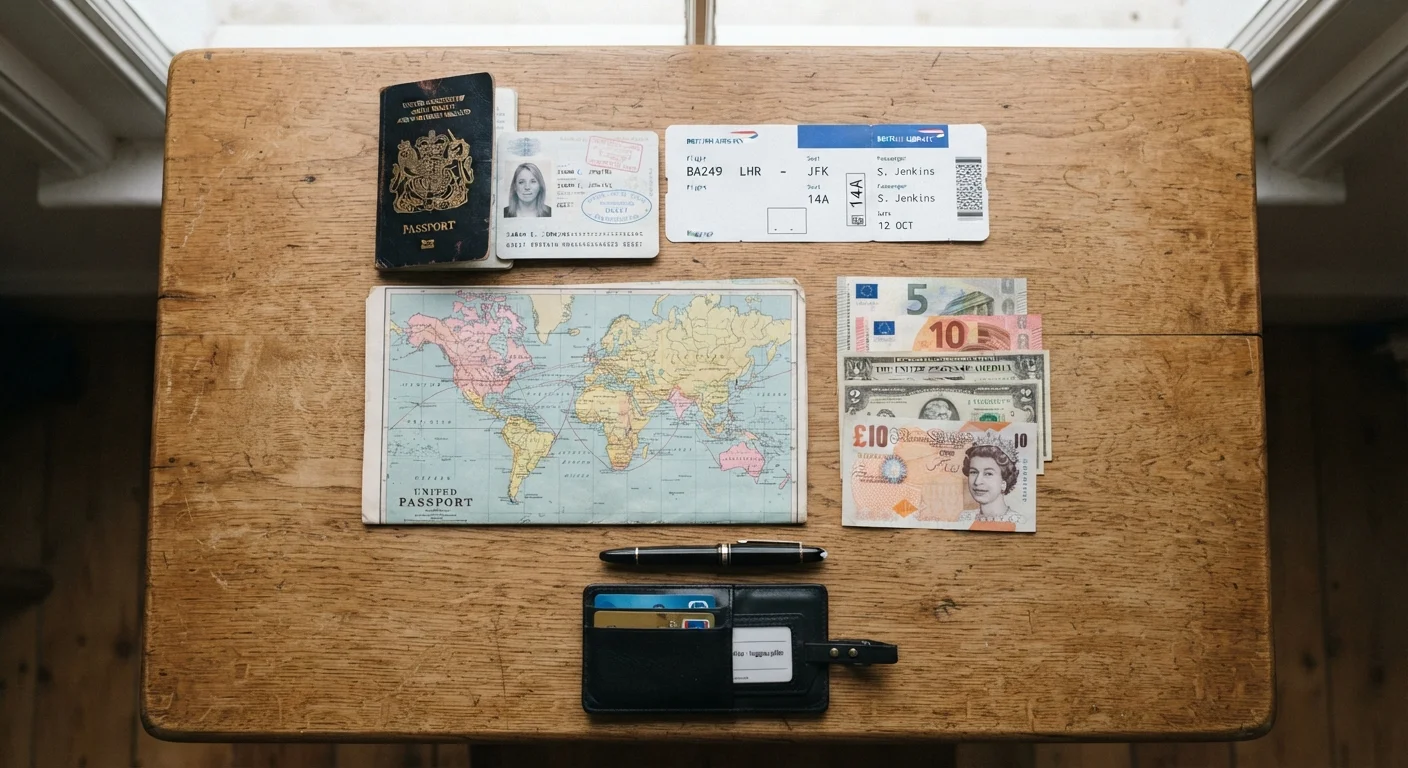

Why a Pre-Trip Checklist Saves You More Than Just Stress
There's a particular kind of dread that comes from realizing your passport expired two weeks ago - while you're already at the airport. Or discovering the hotel confirmation was for the wrong dates only after you've checked out of your old life for the week. These scenarios are preventable, and a structured pre-trip checklist is your best defense against them.
This checklist is designed for any trip - domestic or international - and covers four core categories: travel documents, bookings and logistics, home preparation, and health and finance. For a deeper dive into international-specific requirements like visas and entry documentation, see our International Trip Planning reference guide. And if you're driving to your destination, the long road trip checklist is worth a look before you pull out of the driveway.
Work through this list starting at least five to seven days before departure so you have time to resolve any issues that surface.
Official Government Passport Portal
Verify current passport validity requirements and renewal timelines directly from official U.S. government sources.
U.S. State Department Travel Advisories
Check current safety and entry conditions for your destination country before departure.
CDC Travelers' Health Page
Review destination-specific vaccine recommendations and health alerts for international travel.
Travel Itinerary App or Document
Consolidate all confirmation numbers, accommodation addresses, and contact info in one accessible place - digital and printed.
Travel Insurance Policy
Covers trip cancellation, medical emergencies abroad, and lost luggage - review terms with a licensed professional to understand coverage scope.
International SIM or Roaming Plan
Ensures mobile connectivity and data access as soon as you land in your destination.
The Checklist
Use the groups below to systematically confirm every critical area before you leave. Mark each item as you go - and don't rely on memory alone.
Travel Documents
Bookings and Logistics
Home Preparation
Health and Finance
Don't Rely on Airline Apps Alone
Flight apps and email confirmations can lag or fail to update in real time. Always check your airline's official website directly for gate changes, delays, or schedule modifications - especially within 24 hours of departure. If your itinerary involves a connection, verify both legs independently.
Once you've run through travel logistics, consider your mental readiness too. Travel disruptions are easier to handle when you're not already running on empty - the personal mental wellness audit is a quick self-check worth doing before any demanding trip.
What to Do If Something Falls Through
Even the best-prepared travelers hit snags. If a booking is missing or a document has an issue, the key is catching it early. Airline and hotel customer service lines are far more helpful when you call a week out versus 24 hours before departure.
For international travel, always verify entry requirements directly with the destination country's official embassy or consulate, and cross-reference any health-related travel requirements with the U.S. Centers for Disease Control and Prevention (CDC) and the U.S. Department of State's travel advisory pages. Conditions change, and third-party summaries may be outdated.
Verify Entry Requirements with Official Sources
Visa rules, health documentation requirements, and travel advisories can change with little notice. Never rely solely on travel blogs or third-party booking sites for this information. Always cross-reference with the destination country's official embassy or consulate website and the U.S. State Department's travel page before you leave.
If you're planning to pack next after running this checklist, our guide on packing principles for international trips lays out a smart, destination-flexible approach. For national park adventures specifically, the national park preparation checklist covers gear, reservations, and safety considerations unique to those destinations.