A Region Often Overlooked - But Richly Rewarding
When many Americans picture a coastal vacation, they think of the Pacific Coast Highway or the boardwalks of the Jersey Shore. The Gulf Coast, quietly stretching more than 1,600 miles from Brownsville, Texas, to the Florida Keys, tends to fly under the radar. That overlooked quality is, for many travelers, precisely the point. Unlike the flashier coasts, the Gulf rewards those willing to slow down, dig into local history, and let the landscape set the pace.
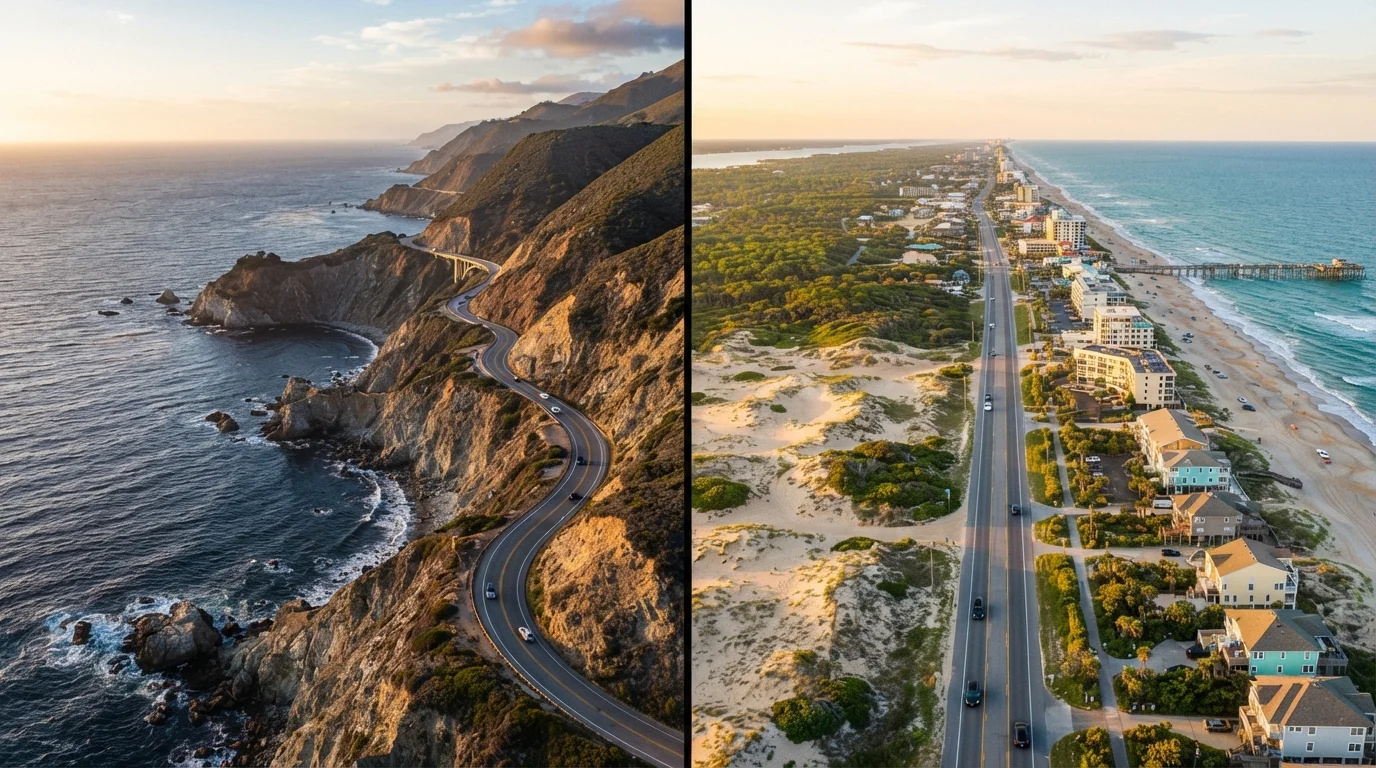
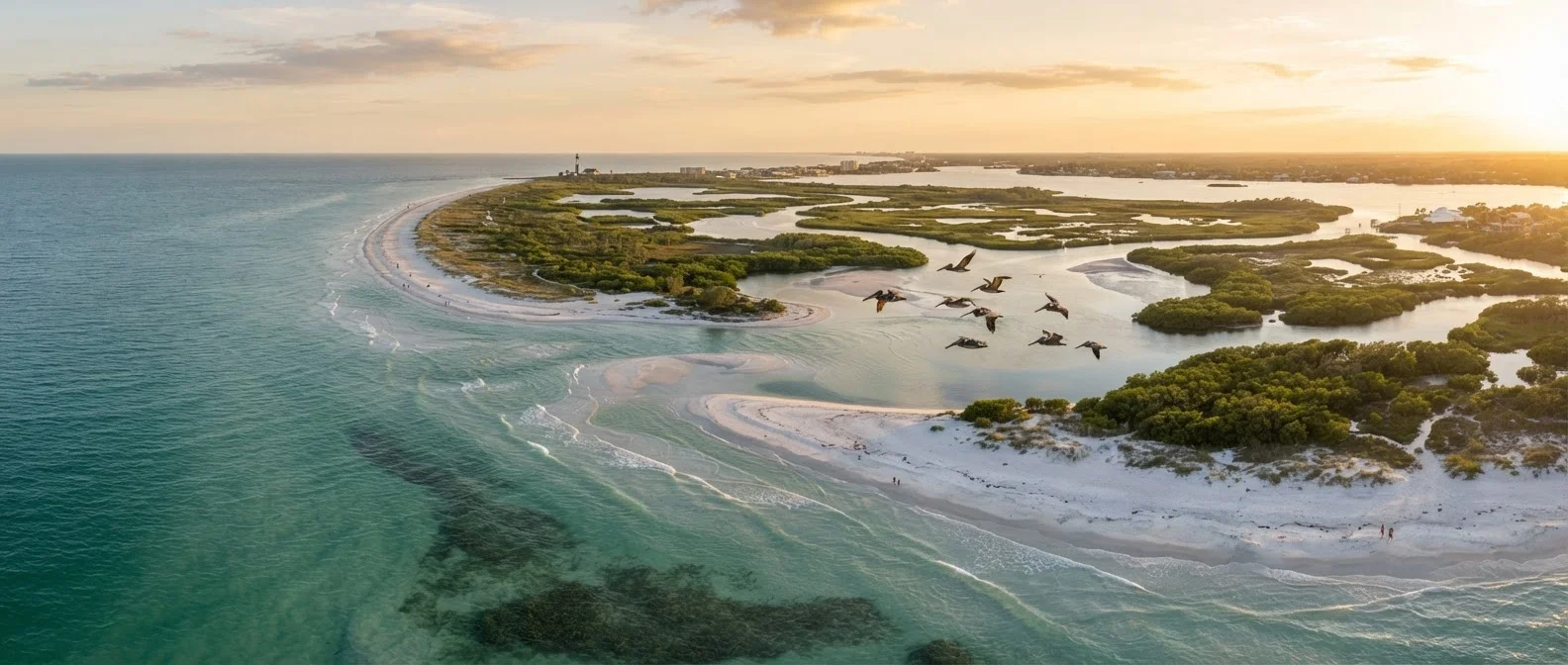
The Gulf's shallow, warm waters produce a strikingly different coastal experience - calm enough for young children to wade far out, warm enough for swimming well into autumn. The barrier islands, sea grass flats, and estuarine wetlands also make this one of the most ecologically productive coastlines in North America, supporting both extraordinary birdwatching and some of the country's most celebrated seafood traditions. For a contrasting coastal mood, see how the Pacific and Atlantic drives compare.
1,631 mi
Total U.S. Gulf Coast shoreline length
According to NOAA, the tidal shoreline of the U.S. Gulf Coast spans over 1,600 miles across five states.
~90°F
Average Gulf water temperature in summer
NOAA data indicates Gulf of Mexico surface temperatures routinely reach the upper 80s to low 90s Fahrenheit in summer months.
40%
Share of U.S. commercial seafood from Gulf
NOAA fisheries data has historically attributed roughly 40% of the nation's commercial seafood harvest to the Gulf of Mexico.
The Cultural Layers That Make the Gulf Coast Unique
No single culture defines the Gulf Coast - and that's what makes it so compelling. French and Spanish colonial histories left a deep imprint on place names, architecture, and food. African and Creole influences shaped music, cuisine, and spiritual traditions in ways that persist today. Indigenous nations including the Choctaw, Chitimacha, and Atakapa-Ishak maintained connections to this land for centuries before European contact, and their heritage remains part of the region's living story.
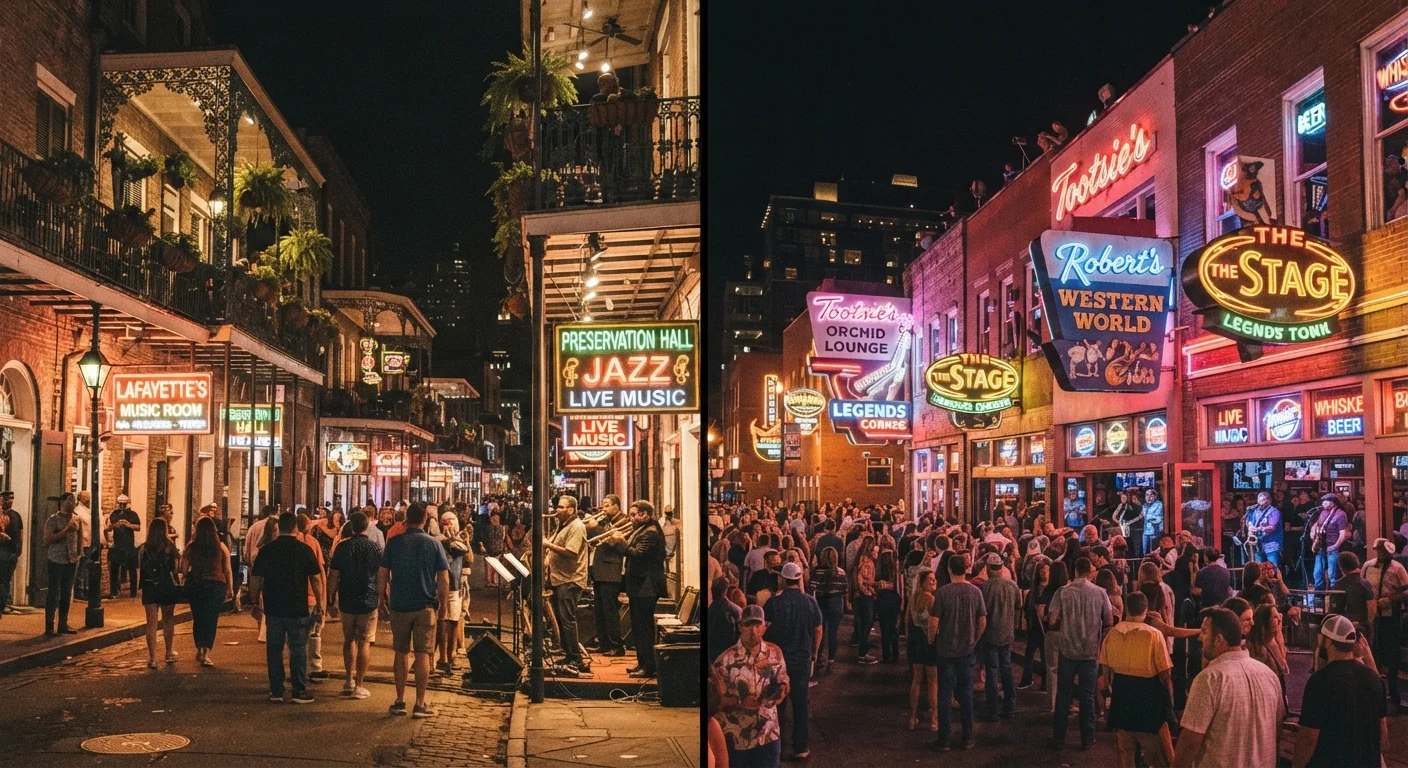
New Orleans is the most internationally recognized expression of this cultural complexity, but the conversation extends far beyond it. Mobile, Alabama, actually predates New Orleans as a French colonial city and hosts what many historians consider the oldest Mardi Gras celebration in the United States. Galveston, Texas, carries a layered history as a 19th-century boom town, a site of the devastating 1900 hurricane, and a Juneteenth origin city of profound national significance. If New Orleans particularly interests you, this comparison of New Orleans and Nashville explores what makes the city so singular.
“The Gulf South is one of the most culturally layered regions of the United States - a place where French, Spanish, African, Native American, and Anglo influences have been mixing for centuries, producing a culture that is genuinely unlike anywhere else in the country.”
— Regional historians and cultural geographers, Scholars of American regional identity and Southern Studies
Climate, Seasons, and What to Expect
The Gulf Coast has a subtropical to tropical climate across most of its length, with hot, humid summers and mild winters. That warmth is a draw for many - particularly travelers from the northern U.S. escaping cold-weather months - but it comes with important context. Humidity can be intense from June through August, and the region sits squarely within Atlantic hurricane territory from June through November.
That doesn't mean the Gulf is off-limits in summer; millions of families visit every year without incident. But it does mean travelers should stay informed about forecasts, understand cancellation and insurance policies, and always verify conditions through official sources such as the National Hurricane Center before and during trips. Spring and early fall remain the sweet spot for comfortable temperatures, lower crowds, and vibrant local festival seasons across the region.
Check Official Sources Before You Travel
Entry conditions, beach closures, water quality advisories, and storm forecasts can change quickly along the Gulf Coast. Before your trip, consult NOAA's National Hurricane Center, your destination's local coastal management agency, and the U.S. Travel Advisory system. Travel insurance that includes weather-related cancellation coverage is worth considering for Gulf trips planned between June and November.
What Actually Draws People to the Gulf
Travelers come to the Gulf Coast for reasons as varied as the coastline itself. Families are drawn by the gentle surf and affordable beach towns like Gulf Shores, Alabama, or Port Aransas, Texas. Food lovers make pilgrimages for Gulf oysters, crawfish boils, gumbo, and fresh-caught redfish prepared in ways specific to each coastal community. Birders flock to spots along the Central and Mississippi Flyways during spring and fall migration, when the coastal scrub can seem almost alive with warblers and shorebirds.
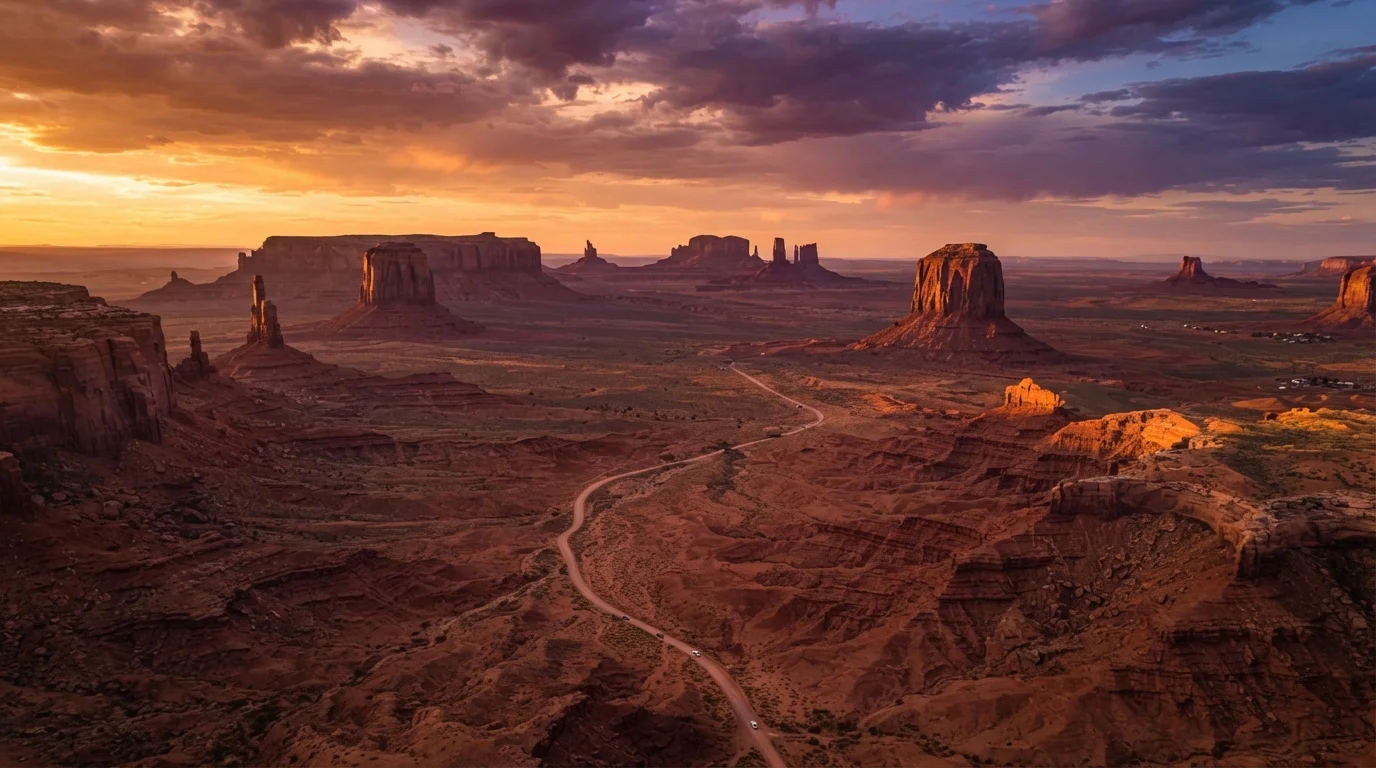
History enthusiasts find a richly layered story: Civil War sites, antebellum architecture, stories of piracy, and the complex legacy of the plantation economy sit alongside newer chapters of offshore oil history and post-Katrina resilience. And for travelers curious about how geography shapes culture and identity in dramatically different ways across American regions, the Gulf Coast offers an illuminating contrast to landscapes like the arid Southwest.