The Color Wheel: Your Most Underrated Style Tool
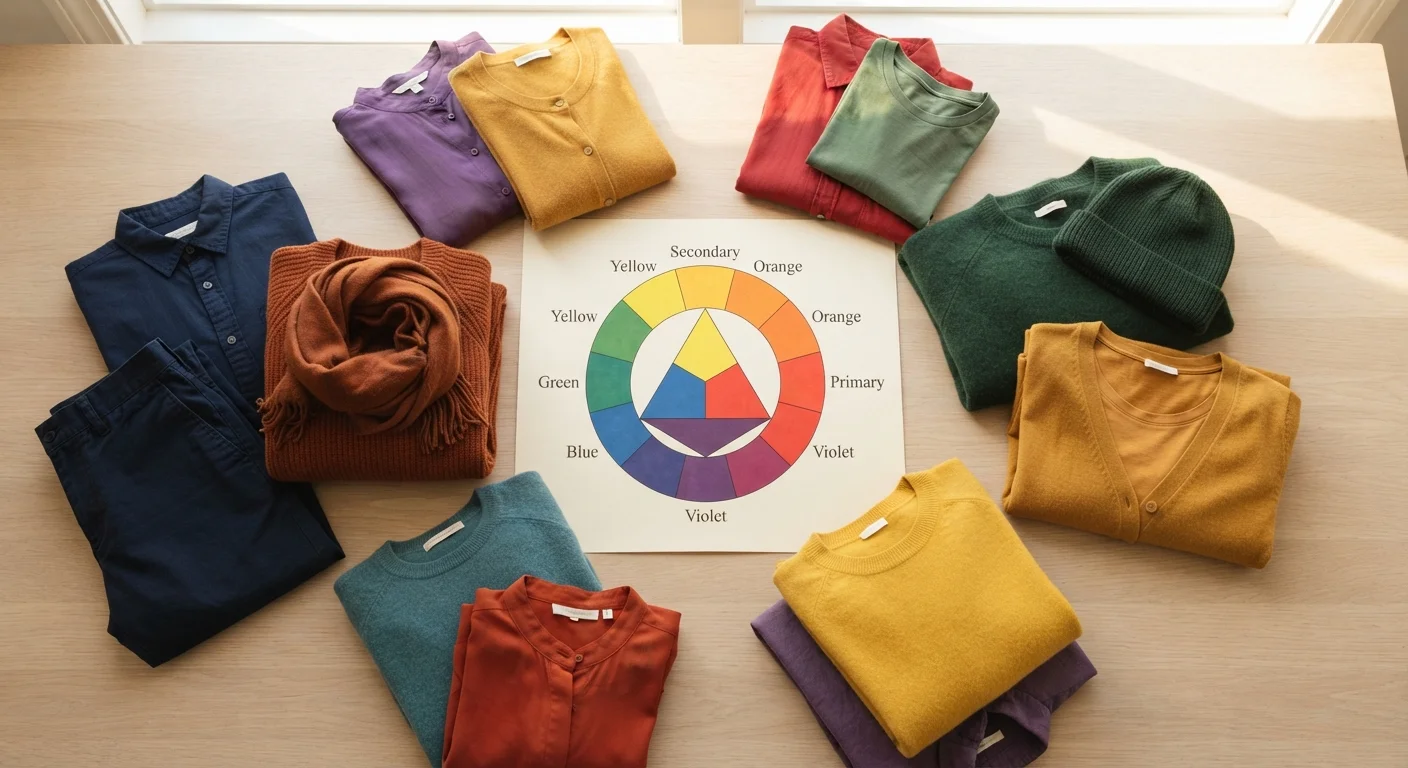
The color wheel organizes hues into a circle so you can see at a glance how they relate. At its core are three primary colors: red, blue, and yellow. Mixing those gives you secondary colors - orange, green, and purple. Between each primary and secondary sits a tertiary color, like red-orange or blue-violet.
For everyday dressing, three relationships matter most:
- Complementary: Colors directly opposite each other on the wheel (blue and orange, red and green). These create bold, high-energy combinations.
- Analogous: Colors sitting next to each other (rust, terracotta, mustard). These feel harmonious and easy to pull off.
- Neutral anchoring: Pairing any color with black, white, gray, navy, or beige to ground an outfit without competing with the focal color.
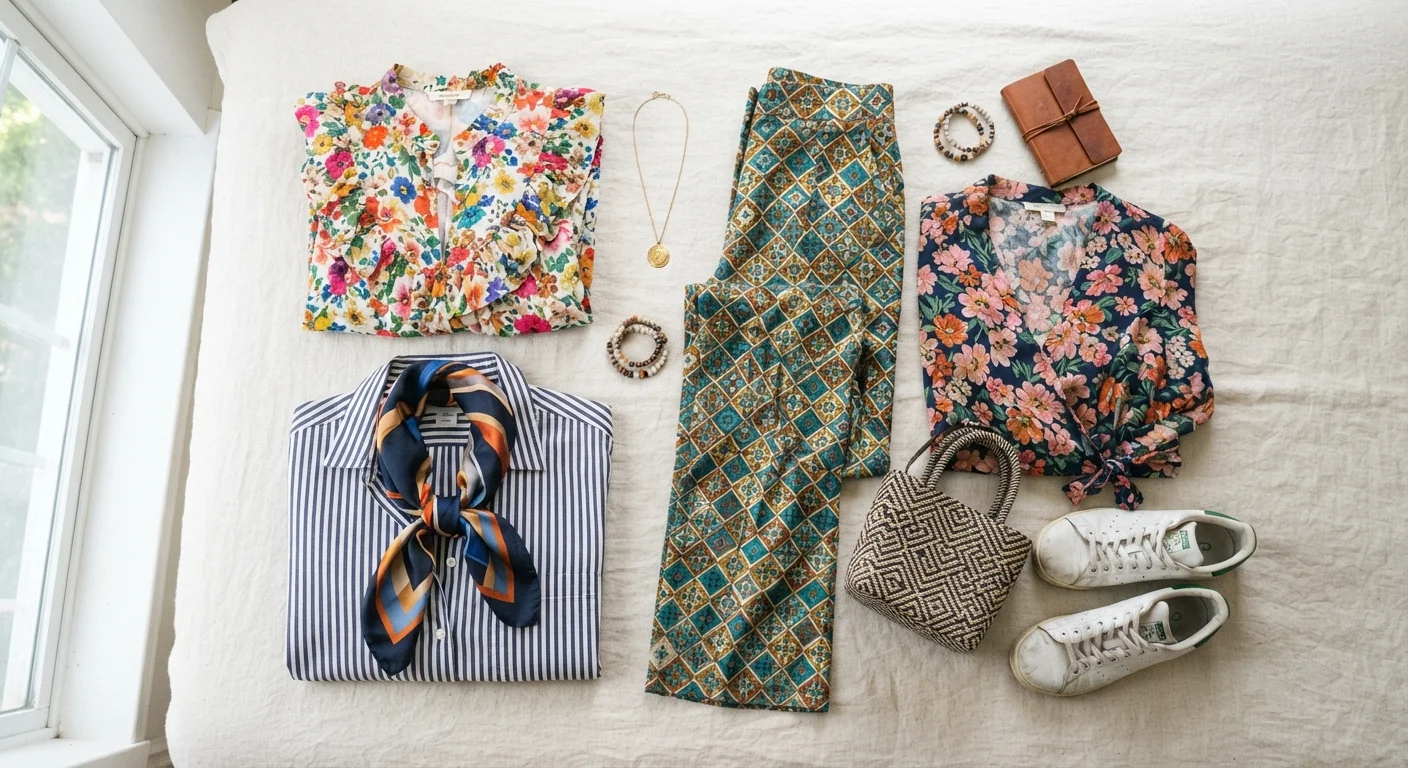
Once you know which category your outfit falls into, you can predict how it reads before you leave the house. For deeper pattern guidance, see what commonly goes wrong with patterned clothing.
90 sec
Time it takes to form a first impression of an outfit
Research in color psychology suggests that color is among the first visual cues processed when people form quick judgments about appearance.
~62-90%
Portion of initial impression driven by color alone
Studies in environmental and product psychology frequently cite this range, suggesting color significantly outweighs other factors in snap judgments.
Undertones: The Hidden Factor in Every Outfit
Skin undertone is the subtle warmth or coolness beneath the surface of your complexion - and it stays consistent regardless of how much sun you get. It's separate from your skin's overall depth (light, medium, deep) and it quietly determines which colors look vibrant on you versus washed out.
There are three general categories:
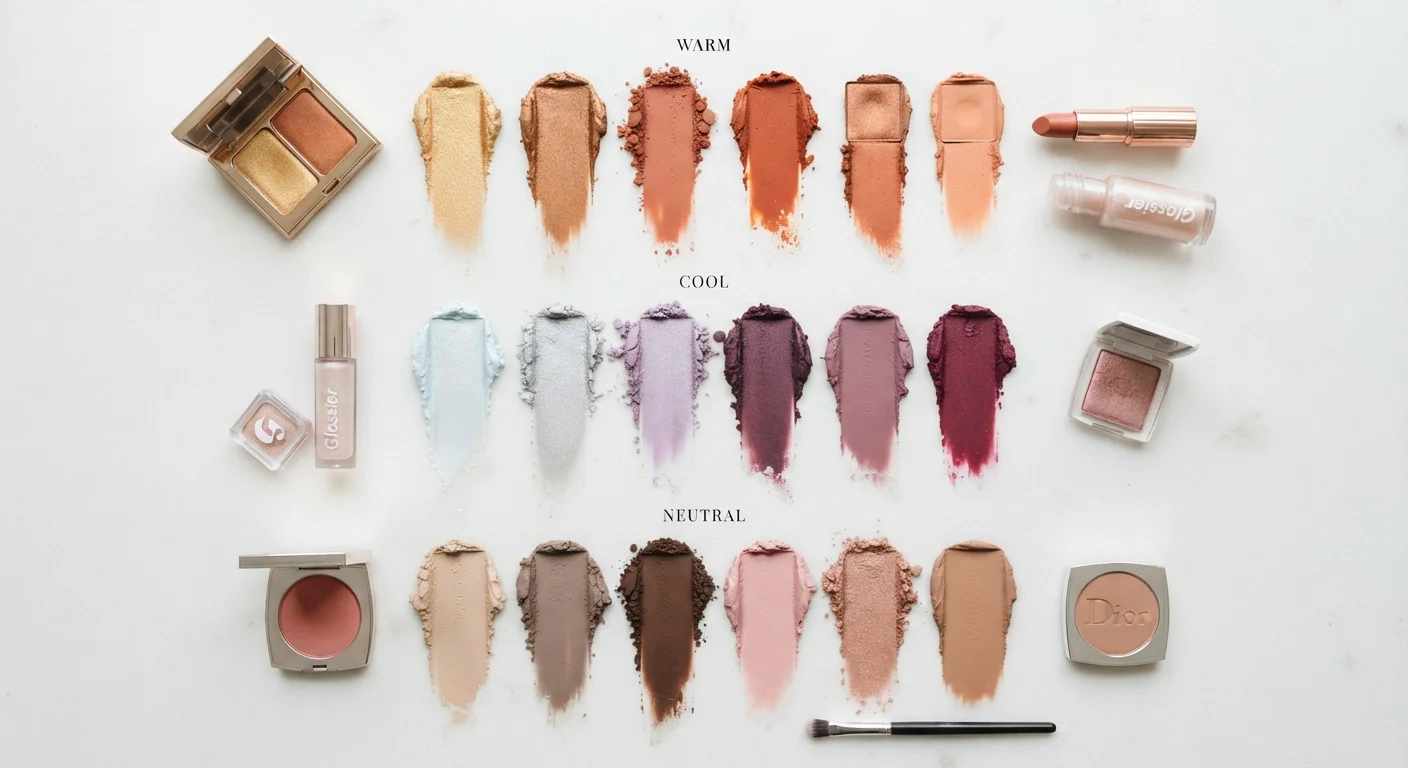
- Warm undertones (golden, peachy, olive): tend to glow in earthy tones - rust, camel, warm reds, olive green, and rich jewel colors like amber and gold.
- Cool undertones (pink, rosy, bluish): often look radiant in icy pastels, true whites, navy, berry, and cool-toned jewel colors like sapphire and emerald.
- Neutral undertones (a mix of warm and cool): the most flexible, working with a wide range of the color spectrum.
Undertones matter most for colors worn close to your face. Once you understand yours, choosing between two shirt colors becomes a two-second decision rather than a lengthy deliberation. The same principles apply to makeup - explore them further in our piece on how undertones change everything about your makeup.
Quick Undertone Check Using What You Own
Pull out a piece of pure white clothing and hold it near your face in natural light, then do the same with an off-white or cream piece. Whichever makes your skin look more even and awake is the better match for your undertone. If white wins, you likely lean cool; if cream wins, you likely lean warm; if both look fine, you may be neutral.
Contrast and Balance: What Makes an Outfit Feel 'Right'
Beyond which colors you pick, how light or dark they are relative to each other - called value contrast - shapes the overall impression an outfit makes. High contrast (think: white and black, bright red and navy) creates a dynamic, defined look. Low contrast (cream and oatmeal, slate and periwinkle) reads as soft and cohesive.
Neither is better. But being intentional about contrast level helps you match your outfit to the occasion and your mood.
A few practical applications:
- If you want to look pulled-together without much effort, low contrast analogous combos almost always work.
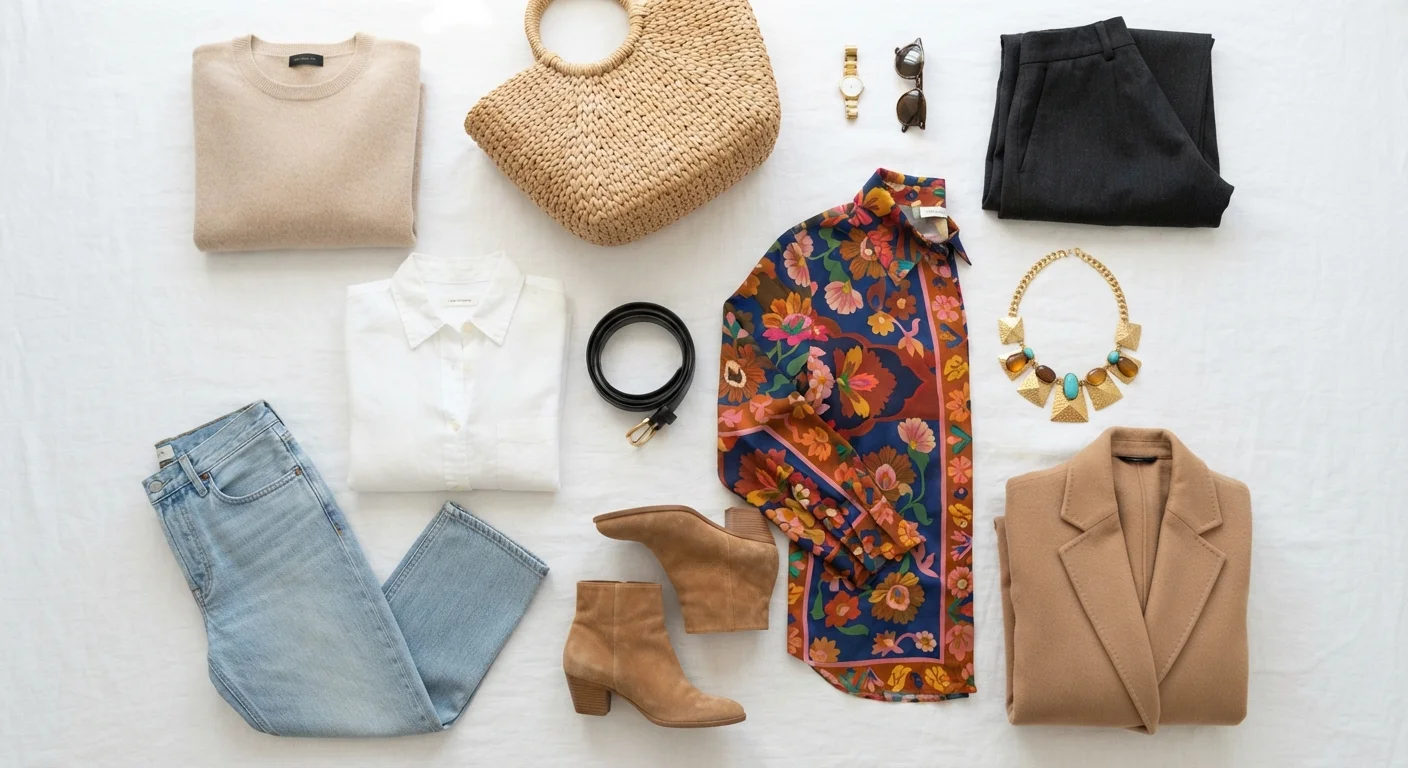
- If you want one item to stand out - a jacket, a bag, a shoe - use a complementary color pop against an otherwise neutral base.
- If you're mixing statement pieces with basics, keep your color story simple. Our guide on finding balance between statement pieces and wardrobe basics explores this in detail.
Color theory isn't about restriction - it's about giving yourself a framework so you can dress confidently for any context. When you understand the rules, you also know exactly how to break them with style. For navigating specific occasions, this plain-language guide to dress codes pairs well with what you've learned here.