Why Outfit Repeating Gets an Unfair Bad Rap
Somewhere along the way, rewearing clothes got coded as a sign of not trying hard enough. Social media's highlight-reel culture quietly reinforced the idea that a new outfit equals a new day. But stylish people - the ones who always look pulled-together - are almost universally doing the opposite. They repeat outfits constantly, and they do it on purpose.
The logic is simple: if a combination works, it works more than once. Leaning into that is efficiency, not laziness. It also means your wardrobe actually earns its keep instead of being a graveyard of one-time wears. Before you add anything new, consider shopping your own closet first - the pieces you already have may have more mileage than you think.
“Style is a way to say who you are without having to speak. When you know who you are, you don't need a new outfit every day to prove it.”
— Rachel Zoe, Fashion designer and stylist
The Core Practices Behind Smart Outfit Repeating
Outfit repeating isn't accidental - it's a set of small, learnable habits that compound over time. The practices below reflect what people who do this well actually do.
Anchor repeat outfits with one intentional change
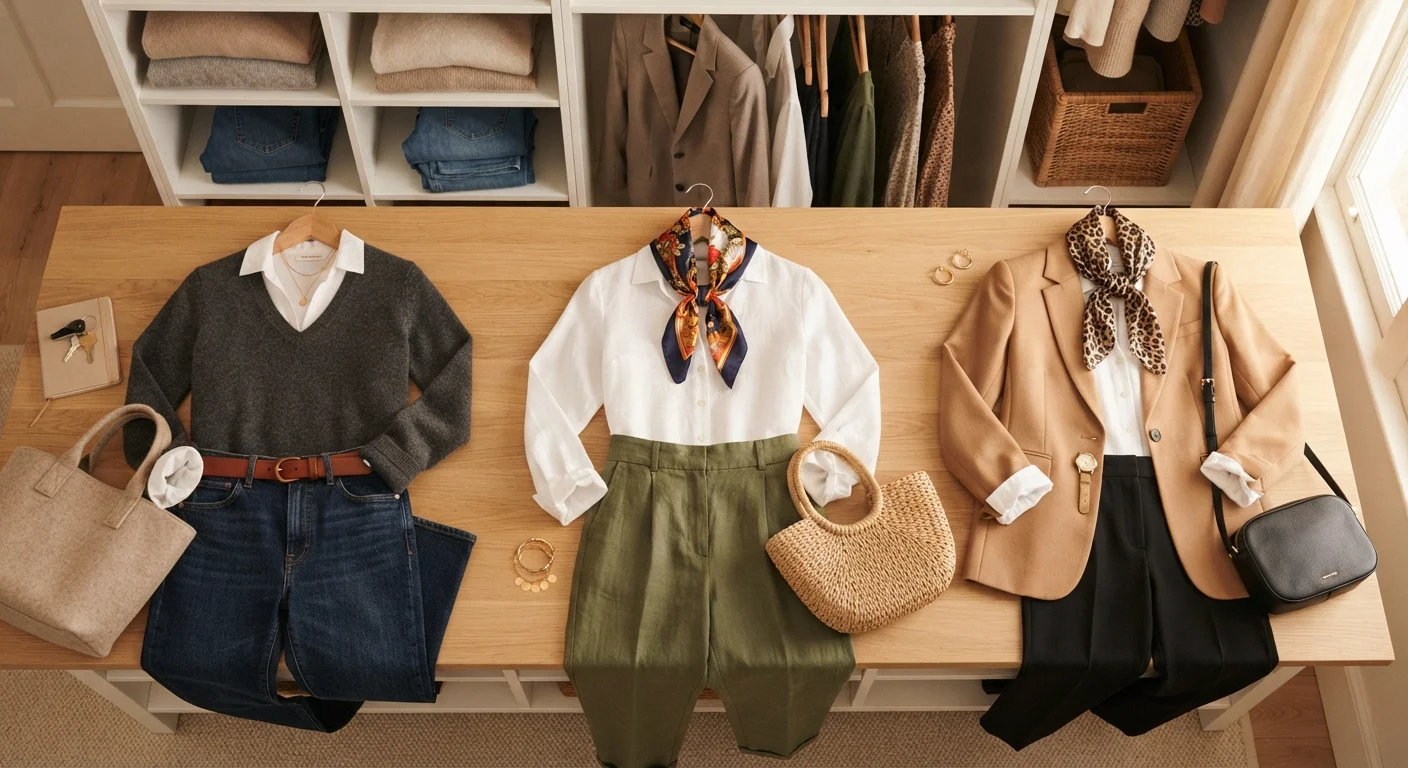
Wearing an identical outfit in an identical context can feel stale, but a single shift - different shoes, an added layer, a switched bag - creates enough visual difference to feel fresh. This approach respects the formula while keeping it interesting. It also trains your eye to see each piece as having multiple lives.
Document outfits that work so you can return to them
Memory is unreliable, especially when a closet has many options. A quick photo of a successful outfit - even just in a phone album - removes the guesswork the next time. Over weeks, this builds a personal lookbook that reflects what actually works for your body and lifestyle.
Separate the emotional context from the clothing
We often avoid rewearing an outfit because it feels tied to one specific event. That association is in your head, not in the fabric. Deliberately wearing a 'special occasion' piece in an everyday context resets its identity and expands its usefulness.
Rotate repeat outfits across different social circles
Most of us dramatically overestimate how much other people track what we wear. The audiences at your gym, your office, a family dinner, and a friend's birthday party barely overlap. Repeating the same outfit across those contexts carries virtually zero social risk. Recognizing this is genuinely freeing.
Invest in repeatable pieces over novelty pieces
Not every item in a wardrobe needs to be a repeat candidate, but the backbone pieces should be. Classic silhouettes, neutral or versatile colors, and comfortable fits are the ones that earn their space through repetition. Novelty pieces are fun in small doses but rarely become repeat staples.
Quick Ways to Start Repeating With Confidence
You don't need a wardrobe overhaul to start. These quick actions can shift your relationship with rewearing almost immediately.
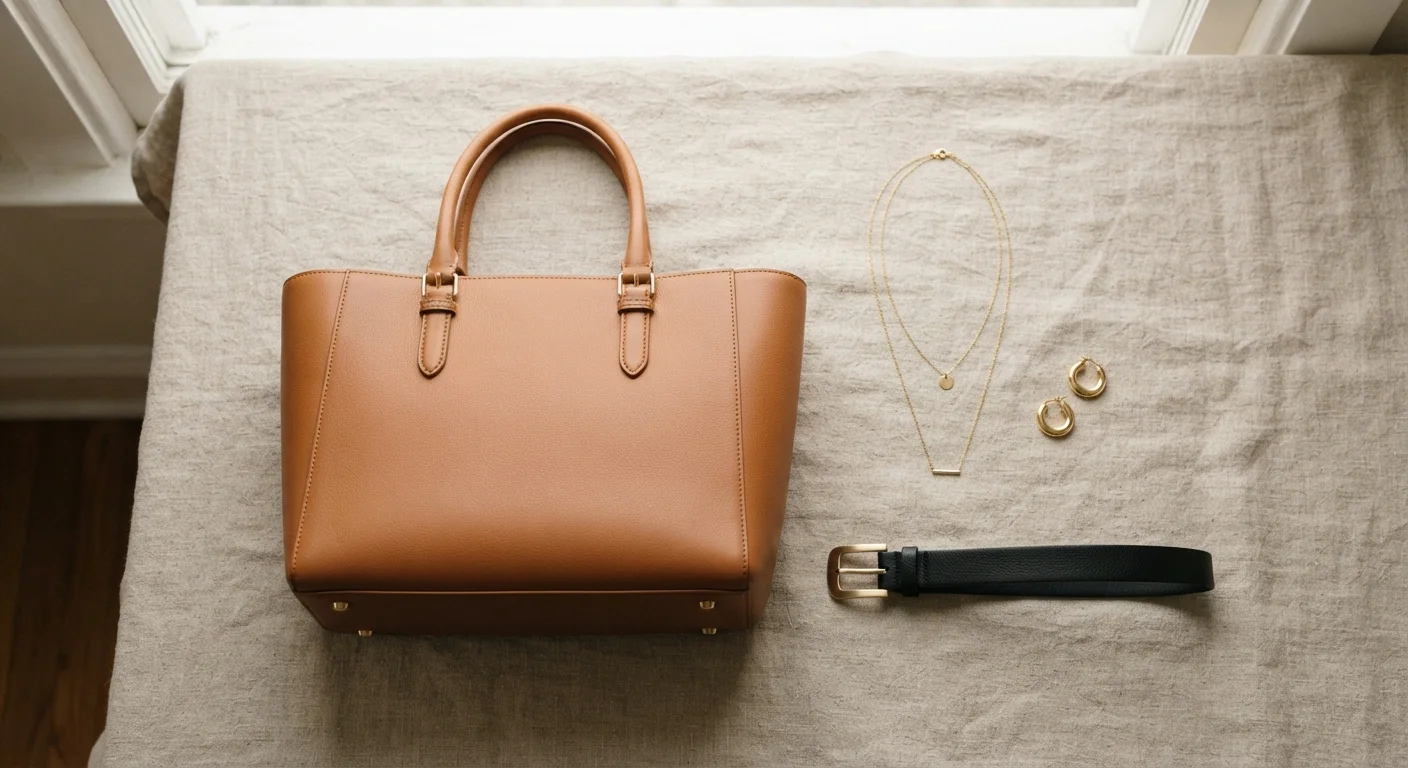
For more ways to make individual pieces work harder, accessorizing with intention is one of the most underused tools in the repeat-outfit toolkit.
Building a Wardrobe That Makes Repeating Easy
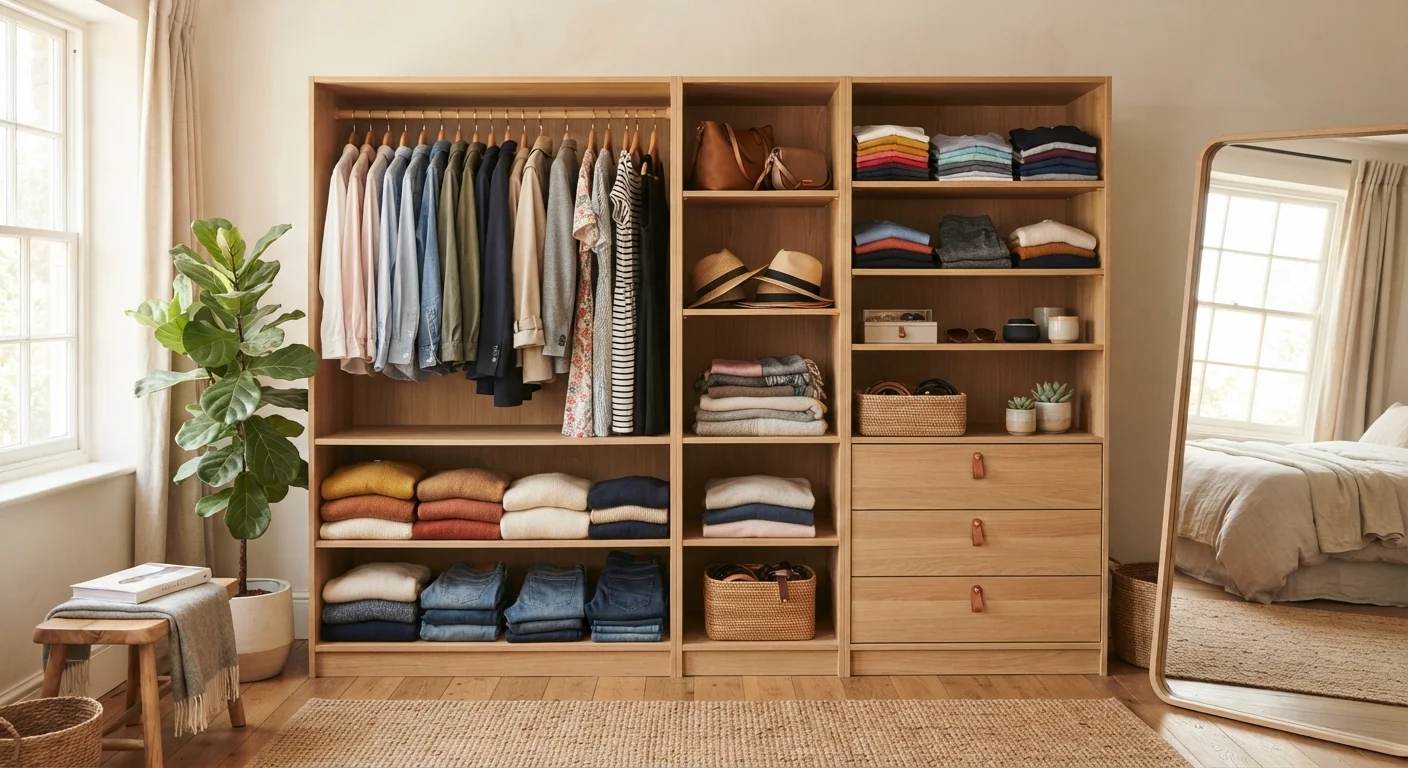
The easiest way to repeat outfits without feeling stuck is to own pieces that genuinely mix and match. That doesn't mean a boring wardrobe - it means a coherent one. When colors, proportions, and formality levels are compatible across your closet, combinations multiply naturally.
Coherence Doesn't Mean Matching
A cohesive wardrobe isn't one where everything matches - it's one where pieces share a compatible color range, scale, and general aesthetic. You can have plenty of variety within a coherent closet. The goal is that most things can talk to most other things, not that everything looks the same. If patterns are part of your mix, understanding common pattern-mixing mistakes can help you build combinations that actually work together.
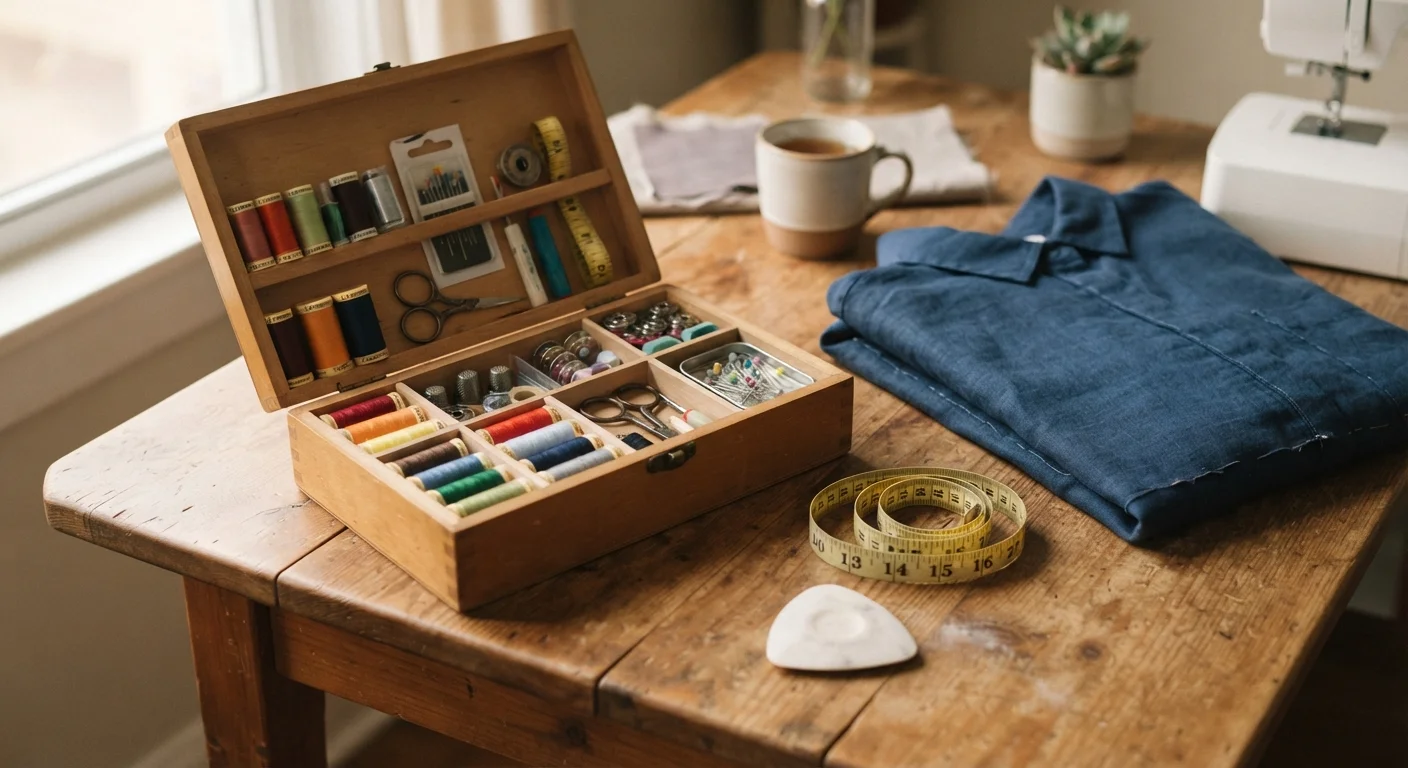
Fit plays a huge role here too. Pieces you feel good in are the ones you'll actually reach for again. If something is almost right but not quite, small fit fixes can make a big difference without necessarily requiring a tailor. And if you find yourself drawn to every new trend, it's worth asking which ones actually serve your style - personal style versus trend chasing is a question worth sitting with before buying anything new.
A seasonal rotation also helps keep your repeat-friendly pieces visible. Rotating clothes in and out of storage thoughtfully - rather than stuffing everything in at once - means you're always working with a manageable, wearable selection. Seasonal closet rotation without the chaos walks through a practical process for doing exactly that.
~30%
Average wardrobe items never worn
Research from fashion industry analysts has consistently suggested that roughly a third of clothing owned goes unworn in any given year, pointing to a significant gap between what people buy and what they actually reach for.
2x
Impact of doubling garment wear
Studies on clothing lifecycle, including work cited by sustainability researchers, suggest that doubling the number of times a garment is worn before it leaves use can meaningfully reduce its per-wear environmental footprint.