The Real Difference Between Personal Style and Trends
Personal style is a long-game investment. It's the consistent thread in how you dress - the silhouettes that feel like you, the colors you gravitate toward, the level of polish you're comfortable maintaining day to day. Trends, by contrast, are fashion's short game: seasonal, cyclical, and deliberately designed to feel urgent.
The tension between the two isn't new, but social media has sharpened it considerably. Micro-trends can peak and fade within weeks, creating pressure to constantly update a wardrobe that may have been perfectly functional. Understanding that distinction - style as identity versus trends as commentary - is the starting point for making smarter decisions about what actually earns closet space.
Neither approach is wrong on its own. The friction arises when trend chasing starts crowding out what you actually like wearing. If you find yourself surrounded by pieces that felt exciting in the moment but rarely get worn, that's a useful signal worth paying attention to. Consider shopping your own closet first before adding anything new - it's a surprisingly effective reality check.
The Case for Trend Chasing (Done Selectively)
Trends aren't the enemy. At their best, they introduce new ideas - silhouettes, color combinations, fabric textures - that genuinely expand what's possible in a wardrobe. They can also make fashion more accessible by driving demand for certain looks at a range of price points.
Trends introduce fresh ideas and silhouettes
Seasonal trends often surface new combinations - proportions, colors, textures - that can genuinely expand your styling vocabulary when incorporated thoughtfully.
Selective trend adoption refreshes existing pieces
One well-chosen trendy item can make several wardrobe staples feel current again, effectively multiplying outfit options without a full overhaul.
Trend-driven demand broadens affordable options
Popular trends typically become available across a wide range of price points, making certain looks more accessible than they might otherwise be.
Experimenting with trends builds style literacy
Trying - and sometimes rejecting - trends helps you understand your own preferences more clearly, which strengthens your long-term personal style over time.
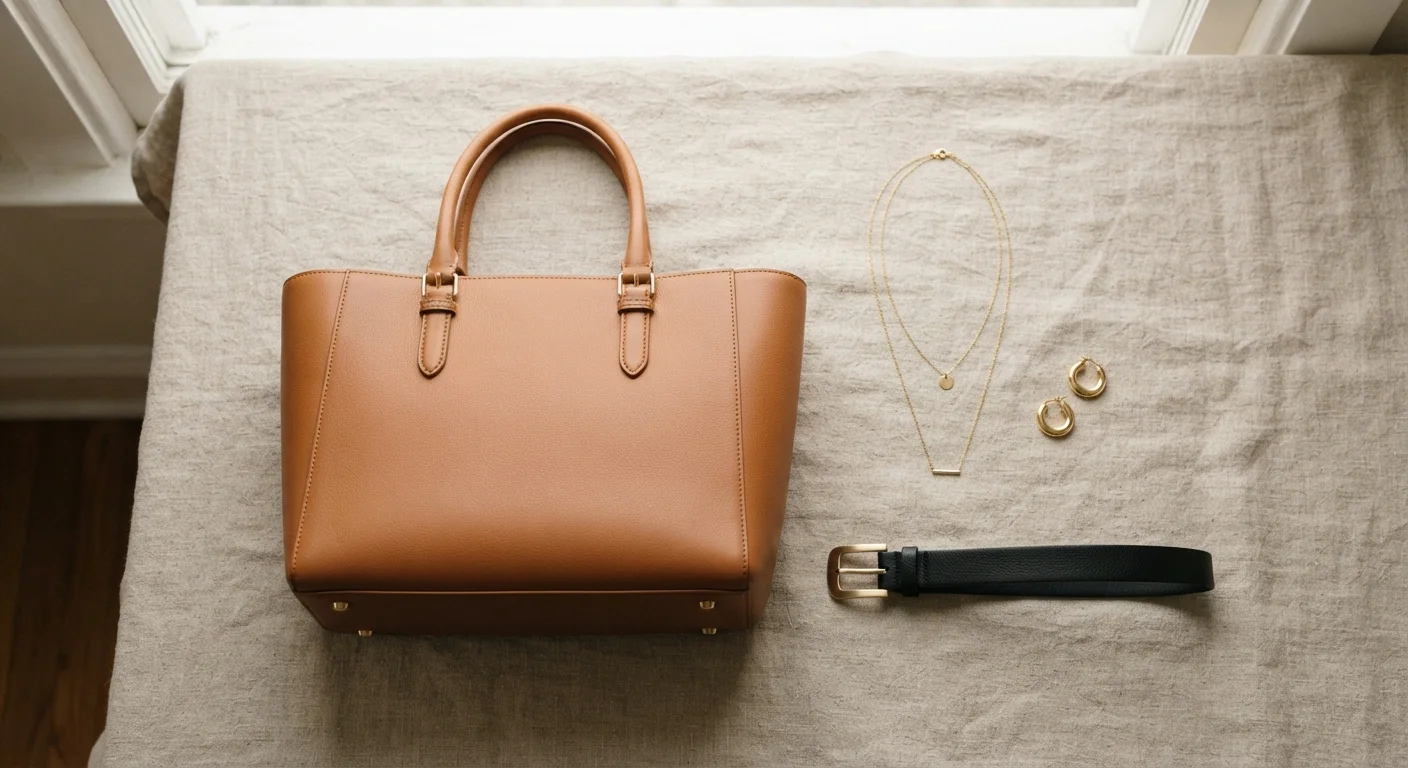
The key qualifier is selectively. A trend worth following typically meets at least one of these criteria: it complements shapes and colors already in your wardrobe, it's versatile enough to work across multiple outfits, or it genuinely makes you feel good when you wear it - not just when you see it on someone else. See how accessories can work the same way: a single well-chosen trendy piece can refresh several existing outfits without requiring a full overhaul.
Where Trend Chasing Gets Costly
The downsides of following every trend are financial, environmental, and psychological - often all three at once.
Trend chasing is expensive over time
Buying into multiple trends per season adds up quickly, especially when pieces are worn only a handful of times before the look feels dated.
Fast-turnover trends create wardrobe clutter
A closet full of short-lived trend pieces can make it harder - not easier - to get dressed, reducing the overall usefulness of what you own.
Trend pressure can obscure your actual preferences
Constantly reacting to external trend cycles makes it easy to lose track of what you genuinely like wearing, leading to purchases that feel exciting in the store but wrong at home.
Environmental cost of frequent purchases is real
High-volume trend purchasing contributes to textile waste, particularly when items are discarded quickly. The lifecycle of clothing has a meaningful environmental footprint.
Trends rarely flatter all body types equally
Many trend silhouettes are developed around a narrow range of proportions, meaning a trend that looks great on a runway or feed may not translate well to every body - and that's a design limitation, not a personal one.
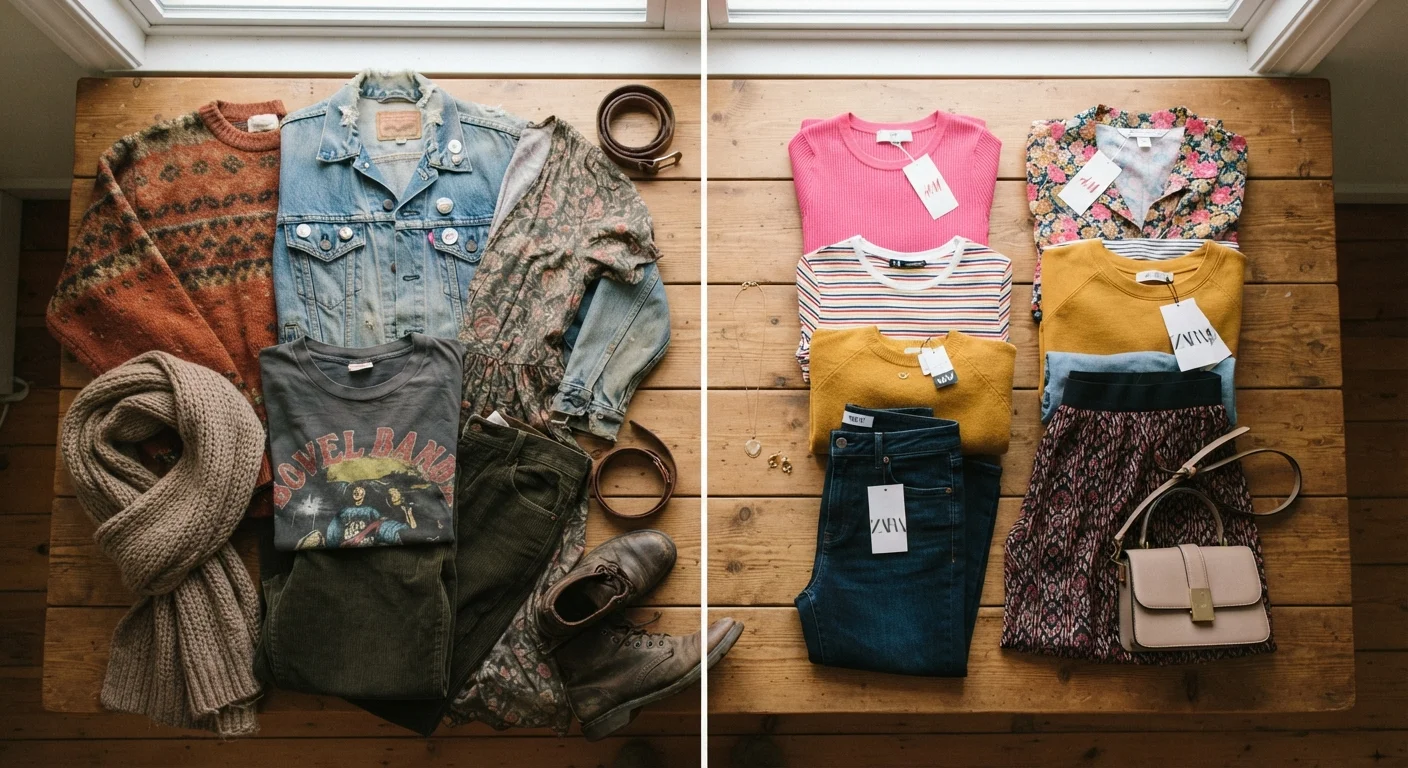
There's also a subtler cost: losing the thread of what you actually like. When a wardrobe is mostly trend-reactive, getting dressed can start to feel chaotic rather than expressive. It's worth reading about what you're really trading off between fast fashion and secondhand shopping - the environmental and quality implications are worth factoring into any trend decision.
~$1,700
Average annual U.S. household clothing spend
According to U.S. Bureau of Labor Statistics Consumer Expenditure data, American households spend roughly this amount on apparel and related services each year.
~60%
Clothing items rarely or never worn after purchase
Research published by various wardrobe and sustainability organizations consistently finds that a significant portion of owned clothing goes largely unworn - a direct consequence of impulse and trend-driven buying.
A Practical Framework for Deciding What's Worth It
Before adding a trend-driven piece, three questions tend to filter out most impulse purchases:
- Does it work with at least three things I already own? If you can't picture specific combinations immediately, it's likely to sit unworn.
- Would I still want this in six months? If the honest answer is probably not, that's the trend talking, not your style.
- Does it fit my actual life? An impractical piece that only works for occasions you rarely attend isn't a wardrobe addition - it's a costume.
Cost-per-wear thinking is also a useful anchor. A $30 piece worn twice costs more per use than a $90 piece worn forty times. Balancing statement pieces with reliable basics follows the same logic: the goal is a wardrobe that works together, not a collection of disconnected moments.
Trends Are Cyclical - Personal Style Isn't
Many trends that feel brand new are actually revivals of styles from two or three decades prior. If something from your existing wardrobe suddenly looks current again, that's not an accident - it's fashion's natural cycle at work. This is one reason building around timeless personal preferences tends to pay off over time: you're less likely to find yourself starting from scratch each season.
And if outfit fatigue is the real driver behind the urge to trend-shop, intentional outfit repeating is worth exploring - rewearing clothes strategically is one of the quieter skills of genuinely stylish dressing.