Why Dress Codes Still Matter
Dress codes aren't about gatekeeping or outdated snobbery - they're a shorthand that hosts use to set the mood of an event and help guests feel comfortable and prepared. Misreading one can leave you feeling underdressed at a wedding or overdressed at a backyard cookout. The good news: once you learn the basic vocabulary, decoding any invitation becomes much easier.
It's also worth noting that dress codes have real flexibility built in. Most hosts care more that guests feel welcome and put effort in than that every outfit is perfectly "correct." Use these definitions as a framework, not a strict rulebook. And when in doubt, asking the host is always a smart move.
| Most misunderstood dress code | Smart Casual |
| Number of common dress code levels | 7 (Casual to White Tie) |
| Black Tie vs. White Tie | Black Tie = tuxedos/gowns; White Tie = tailcoats/full formal gowns |
| When to ask the host | Any time the invitation is ambiguous |
| Key factor beyond the dress code label | Venue, time of day, and season |
The Main Dress Code Levels, Explained
Here's a plain-language breakdown of the most common dress code terms you'll encounter, from most casual to most formal.
Casual
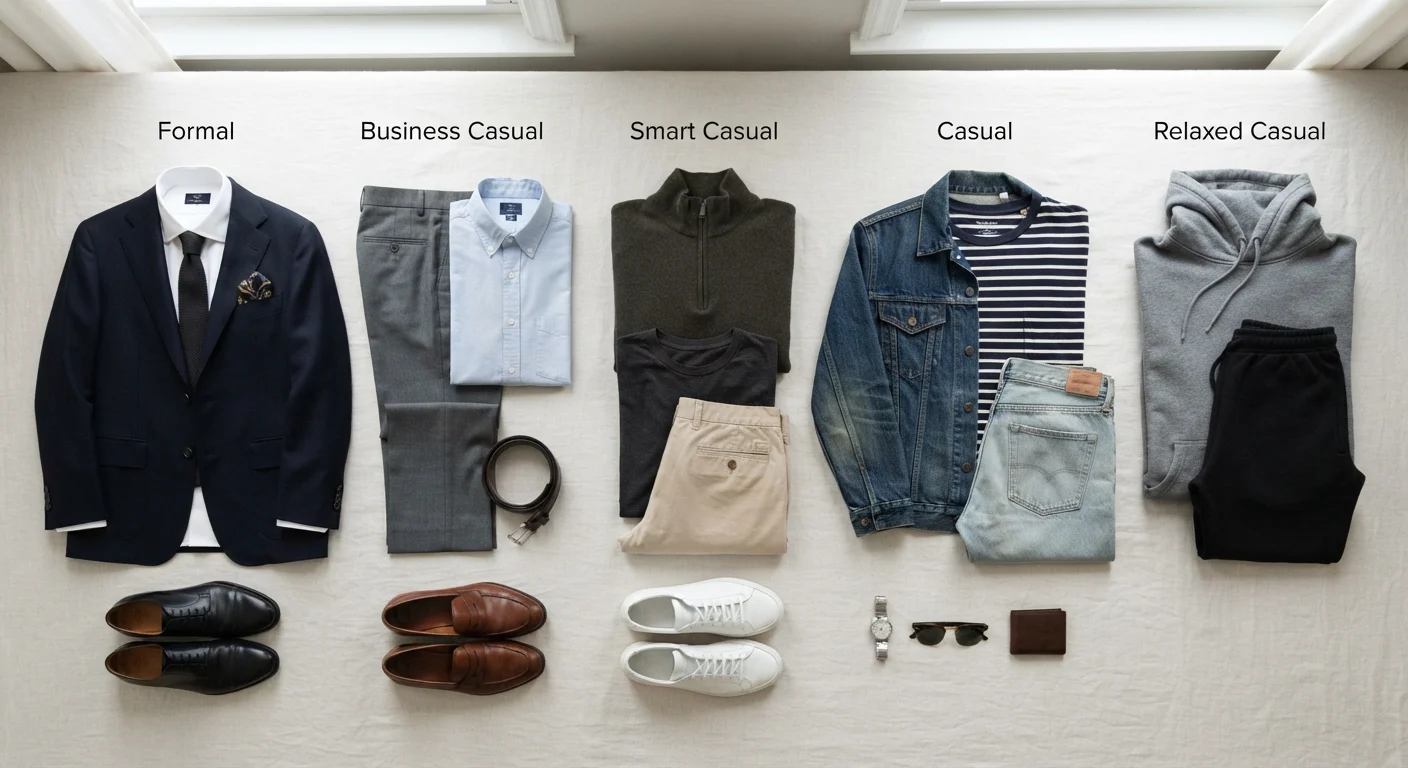
Casual means comfortable and relaxed - jeans, t-shirts, sneakers, sundresses, and shorts all qualify. There's still an implied standard of being neat and clean; "casual" doesn't typically mean pajamas or workout gear unless specifically noted.
Smart Casual
This is where many people get tripped up. Smart casual sits between casual and business casual - think well-fitted trousers or dark jeans, a neat blouse or button-down, and clean footwear like loafers or ankle boots. It's polished but not stiff. A casual dress or coordinated separates work well here too. For help thinking through how accessories can elevate a smart casual look without tipping into overdone, see our guide to accessorizing with intention.
Business Casual
Standard in many modern workplaces, business casual typically means slacks or chinos, collared shirts, blouses, blazers, and closed-toe shoes. Sneakers and denim are usually out - though norms vary considerably by industry and region. When in doubt, lean slightly more formal.
Business Formal / Professional
Also called "business professional," this level calls for suits, tailored separates, or structured dresses in neutral or muted tones. Ties are common but not always required. Shoes should be polished and conservative.
Cocktail Attire
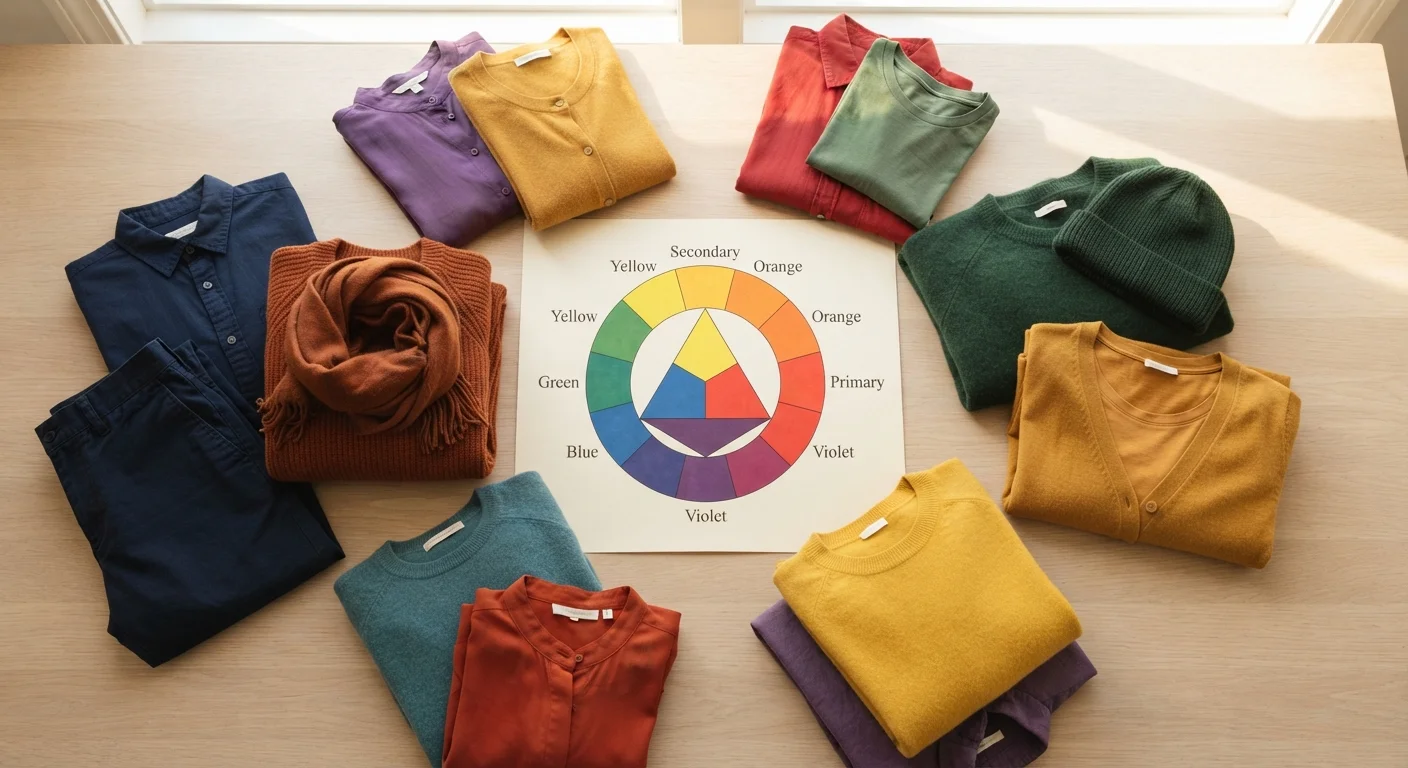
A cocktail-length dress (hitting around the knee), dressy separates, or a tailored suit in a richer fabric or color all work here. This is a fun level to play with - a bold color or interesting texture fits right in. Understanding how color theory works can help you make confident choices at this level.
Black Tie Optional
"Optional" means a tuxedo or formal gown is appropriate but not strictly required. A dark suit or an elegant floor-length or midi dress works perfectly. Think elevated, not everyday dressy.
Black Tie
Tuxedos, formal gowns, and floor-length dresses are the expectation. This is the most formal standard event dress code in common use.
White Tie
The rarest and most formal level - white tie calls for tailcoats and full formal gowns. You'll mainly encounter this at state dinners or very formal galas.
Smart Casual
A dress code level between casual and business casual - polished and put-together without being formal. Think neat trousers, clean footwear, and well-fitted tops or dresses.
Cocktail Attire
Semi-formal event dress typically featuring knee-length or midi-length outfits in dressier fabrics. It allows more creative expression than business formal.
Black Tie
A formal dress code calling for tuxedos and formal or floor-length gowns. It's one step below white tie, the most formal standard.
Business Casual
A workplace or event dress standard that's professional but not suited. Generally includes slacks, blouses, blazers, and polished footwear - with jeans and sneakers typically excluded.
White Tie
The most formal Western dress code, calling for tailcoats and full formal gowns. Rarely encountered outside of state dinners or high-level galas.
Practical Tips for Any Dress Code
A few principles make navigating any dress code easier, regardless of your budget or body type.
- Read the full invitation: Venue, time of day, and season all give context clues. An outdoor afternoon wedding reads differently than an evening event at a hotel ballroom.
- Fit matters more than price: A well-fitted outfit at any price point reads as more intentional than an expensive one that doesn't suit your proportions. Fashion advice about what's "flattering" can sometimes carry hidden assumptions - see why "flattering" is more complicated than it sounds for a more grounded perspective.
- Versatile pieces earn their keep: A well-chosen blazer, a dark midi dress, or tailored trousers can work across multiple dress code levels. Balancing basics and statement pieces is key to building a wardrobe that's genuinely useful.
- Climate counts: Fabric and layering choices matter as much as silhouette. A velvet blazer works beautifully for winter cocktail attire; a linen suit might be the right move at a summer wedding. Dressing for different climates offers practical guidance for staying comfortable no matter the season.
Dress Codes Are Guidelines, Not Laws
Most dress codes exist to set a general tone rather than enforce strict rules. If you meet the spirit of the dress code - putting in genuine effort and showing awareness of the occasion - you're almost always fine. If your outfit feels right for the venue and the vibe, trust that instinct.