The Hidden Assumption Inside the Word 'Flattering'
Ask almost anyone what 'flattering' means in fashion and you'll hear some version of the same answer: it makes you look slimmer, taller, or more proportioned according to a narrow, historically specific ideal. That's not a neutral aesthetic judgment - it's a value system baked quietly into everyday style language.
Fashion media has long operated on the premise that the goal of dressing is to visually reshape the body toward one standard silhouette. Rules about which necklines to wear, which prints to avoid, and how to 'balance' your proportions all trace back to this assumption. The problem isn't that proportion and fit don't matter - they do. The problem is that they've been defined almost exclusively in terms of minimizing or disguising, rather than expressing or celebrating.
Understanding what's really driving these rules gives you the freedom to choose which ones actually serve you. That's where the myth-busting begins.
Myth
Certain body types should avoid horizontal stripes because they make you look wider.
Fact
Stripe width, spacing, color contrast, and garment fit all affect how stripes read - there is no blanket rule that applies to every body.
The horizontal-stripes warning is one of fashion's most repeated rules, but research in visual perception suggests the picture is more nuanced. Stripe width and contrast play a significant role in how the eye moves across a garment - narrow, low-contrast stripes behave very differently from wide, high-contrast ones. More importantly, 'wider' is not inherently a problem to be solved. If you like stripes, the more useful question is: which stripe scale feels visually balanced to you in this specific garment?
Myth
V-necks are universally more flattering than crew necks because they elongate the neck.
Fact
Neckline preference is personal; a well-fitted crew neck can look just as intentional and put-together as a V-neck on any body type.
The idea that V-necks are an automatic improvement traces back to the same logic that equates elongation with attractiveness. In practice, neckline choice depends on the garment's overall construction, your own comfort and style preferences, and the occasion. A crew neck in a quality fabric that fits well at the shoulders is not a compromise - it's simply a different choice. The reason clothes fit differently across brands is often more relevant to how a neckline sits than the neckline shape itself.
Myth
Wearing all one color makes everyone look taller and slimmer.
Fact
Monochromatic dressing creates a streamlined visual effect, but 'taller and slimmer' are outcomes, not universal goals - and the effect varies by color, texture, and body.
Tonal dressing - wearing similar hues from head to toe - does reduce visual interruption, which the eye can read as a longer line. That's a real optical principle. But framing it as universally desirable assumes that height and slimness are always the target. Monochromatic outfits are genuinely versatile and easy to put together, and those are perfectly good reasons to try them. The goal just doesn't have to be body alteration. Color, texture contrast, and thoughtful accessorizing all shift how a tonal look lands.
Myth
Loose, oversized clothing hides figure 'flaws' and is therefore more flattering for larger bodies.
Fact
Fit - not volume - determines whether a garment looks intentional. Oversized silhouettes can be beautifully styled on any body when they're worn with purpose.
The idea that covering more is inherently more flattering for larger bodies is one of fashion's most patronizing assumptions. Oversized and relaxed silhouettes are a genuine aesthetic trend embraced across body types - but there's a difference between a deliberately oversized garment and one that simply doesn't fit. A boxy jacket with clean lines and intentional proportions reads as styled. The same jacket in a fabric that sags without structure reads as an afterthought. The distinction is in the construction and how it's worn, not in how much it covers. Prints and patterns follow similar logic, as explored in common pattern styling mistakes.
Myth
High-waisted bottoms are flattering for everyone because they create an hourglass shape.
Fact
High-waisted styles work well for many people, but comfort, torso length, and personal preference all affect whether they're the right choice for a specific person.
High-waisted bottoms became a dominant trend partly because they sit at a point that many people find comfortable and visually defined. That's a reasonable starting point. But torso proportions vary significantly - a rise that sits at the natural waist for one person may hit at a different point for another, changing how the garment looks and feels entirely. If you find high-waisted styles uncomfortable or unflattering to your own eye, that's a valid reason to choose differently - not a problem to be solved with styling tricks.
A Better Framework: Fit, Proportion, and Personal Preference
Once you release 'flattering' as the organizing principle of your wardrobe, more useful questions take its place. Does this fit well at the shoulders? Does this proportion feel balanced to me? Does wearing this make me want to move through my day with more ease?
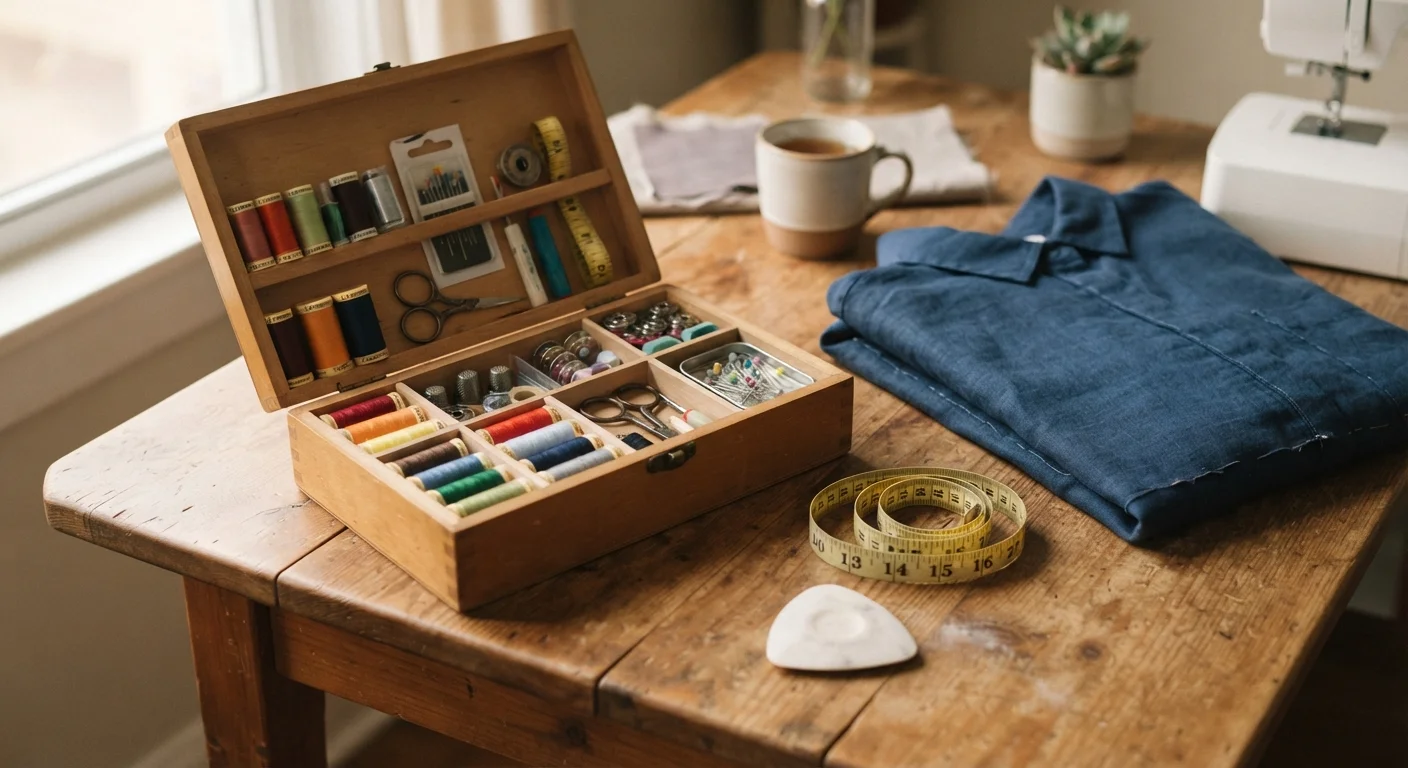
Fit is genuinely important - but it's worth separating from body-shaming. A garment that fits well moves with you, doesn't pull or gap, and doesn't require constant adjusting. The practical guide to getting clothes to actually fit breaks down what good fit actually looks like across different garment types, which is far more actionable than abstract rules about body shape.
Proportion - how different pieces relate to each other in scale and volume - is a real styling concept, but it applies to the outfit as a whole, not to hiding parts of your body. A voluminous top pairs differently with wide-leg trousers than with slim trousers, and both can look intentional. The key is making choices deliberately rather than reactively.
Style Advice Aimed at 'Fixing' Your Body
Be cautious of style guidance framed around hiding, minimizing, or correcting body parts. This framing can reinforce negative self-perception over time and often produces more anxious, less enjoyable dressing decisions. Good style guidance focuses on fit, proportion, and personal expression - not on making your body appear to be something it isn't.
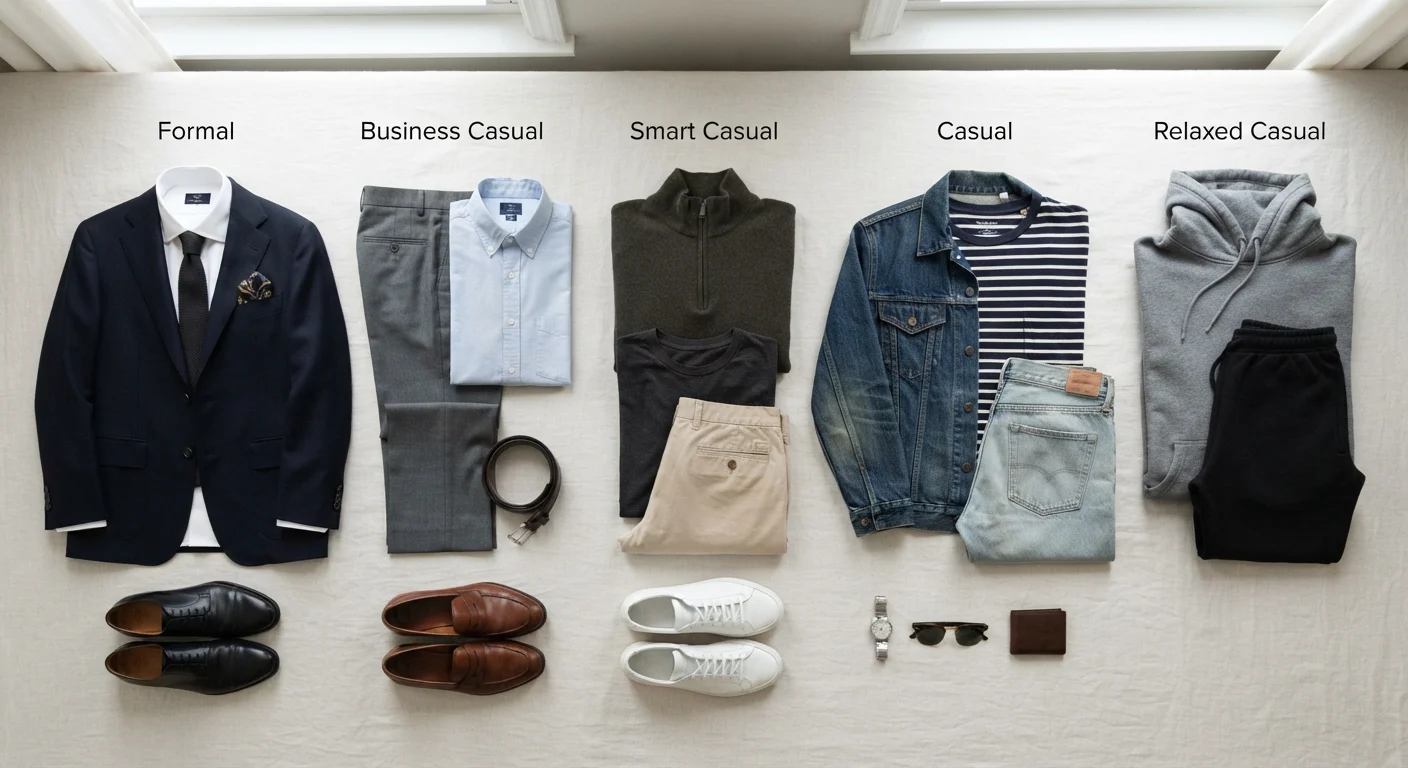
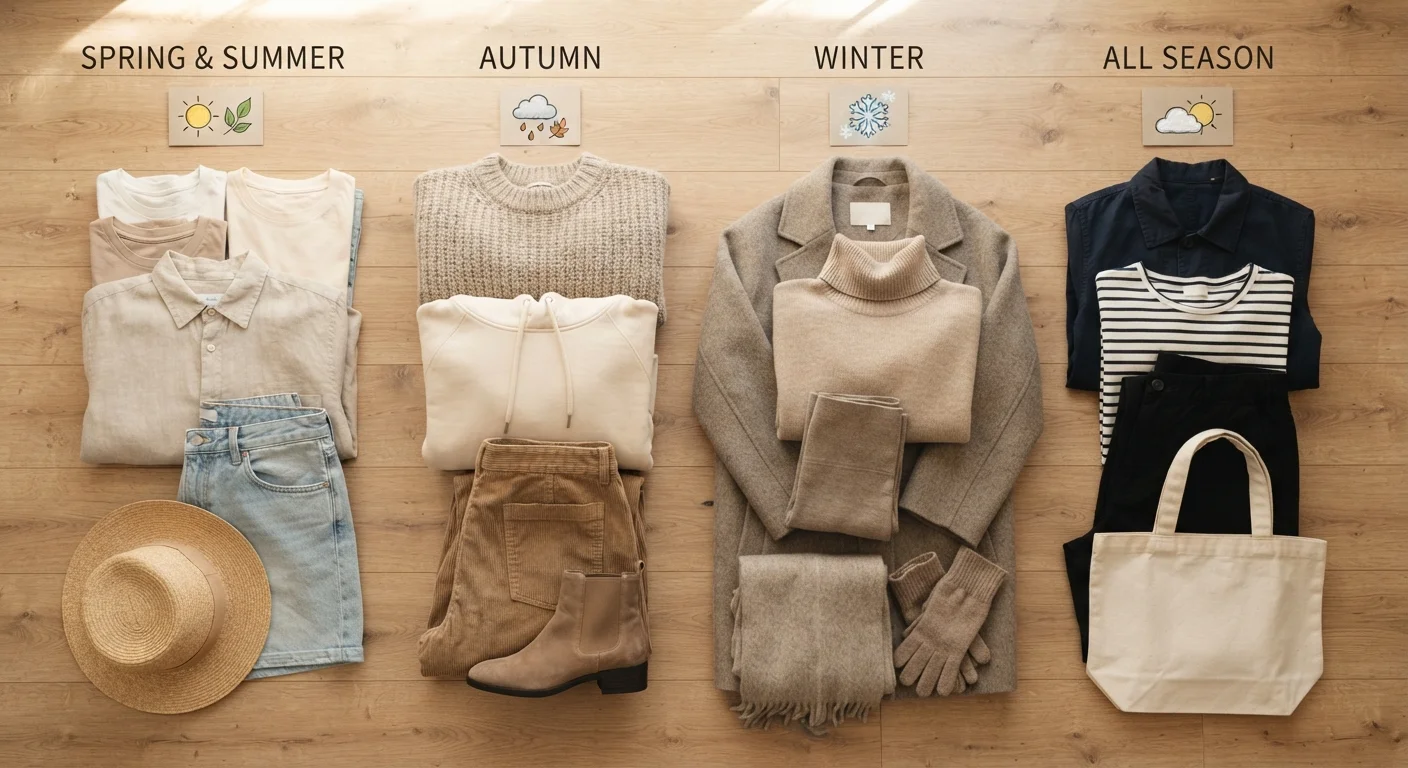
Personal preference, comfort, and context round out the framework. Occasion matters - what to wear to different events is its own conversation - and so does climate. What reads as effortlessly put-together in a warm coastal city may feel impractical in a cold Midwestern winter. The guide to dressing across seasons and climates is worth a read if practicality is as much a priority as aesthetics for you.
Style doesn't have to be complicated. Before adding anything new, it's also worth shopping your own closet first - you may already own pieces that work exactly the way you want them to, once you're dressing for yourself rather than a set of rules.