Why Long-Term Costs Deserve as Much Attention as the Purchase Price
The sticker price is only the opening line of the financial story. Fuel, insurance, registration, financing interest, maintenance, and eventual repairs accumulate steadily across the years of ownership - and for many drivers, those ongoing expenses outpace the original purchase cost over a full ownership cycle.
Understanding which costs are controllable and which are largely fixed helps owners direct their attention where it actually pays off. Several expenses routinely catch new owners off guard, from gap insurance to tire replacements - planning ahead for them is far less painful than scrambling when they arrive.
$12,000+
Average annual cost of vehicle ownership
AAA's annual Your Driving Costs study has consistently found that the total annual cost of owning and operating a new vehicle - including depreciation, fuel, insurance, and maintenance - exceeds $12,000 for many drivers.
~50%
Value lost in first three years
Industry data broadly indicates that many new vehicles lose approximately half their original value within the first three years, making depreciation the single largest cost of ownership for most buyers.
Maintenance: The Practice That Pays for Itself
Consistent, schedule-based maintenance is the single most reliable lever owners have over long-term costs. Deferred oil changes, ignored tire rotations, and skipped fluid checks each carry compounding consequences that typically cost far more to fix than the service itself.
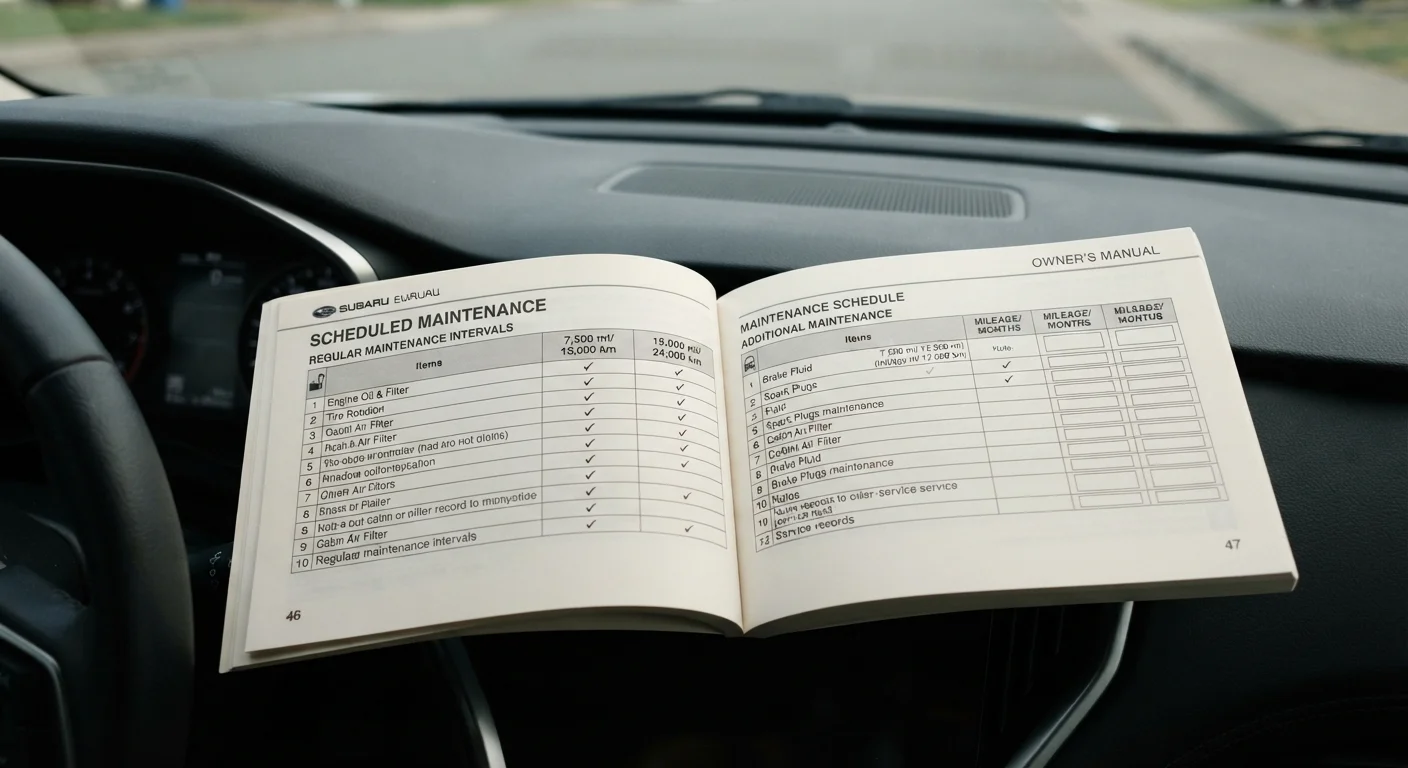
Your owner's manual is the definitive source for your specific vehicle - not the generic advice on a shop's wall. The maintenance sections most drivers skip contain interval recommendations calibrated to your engine, climate conditions, and intended use.
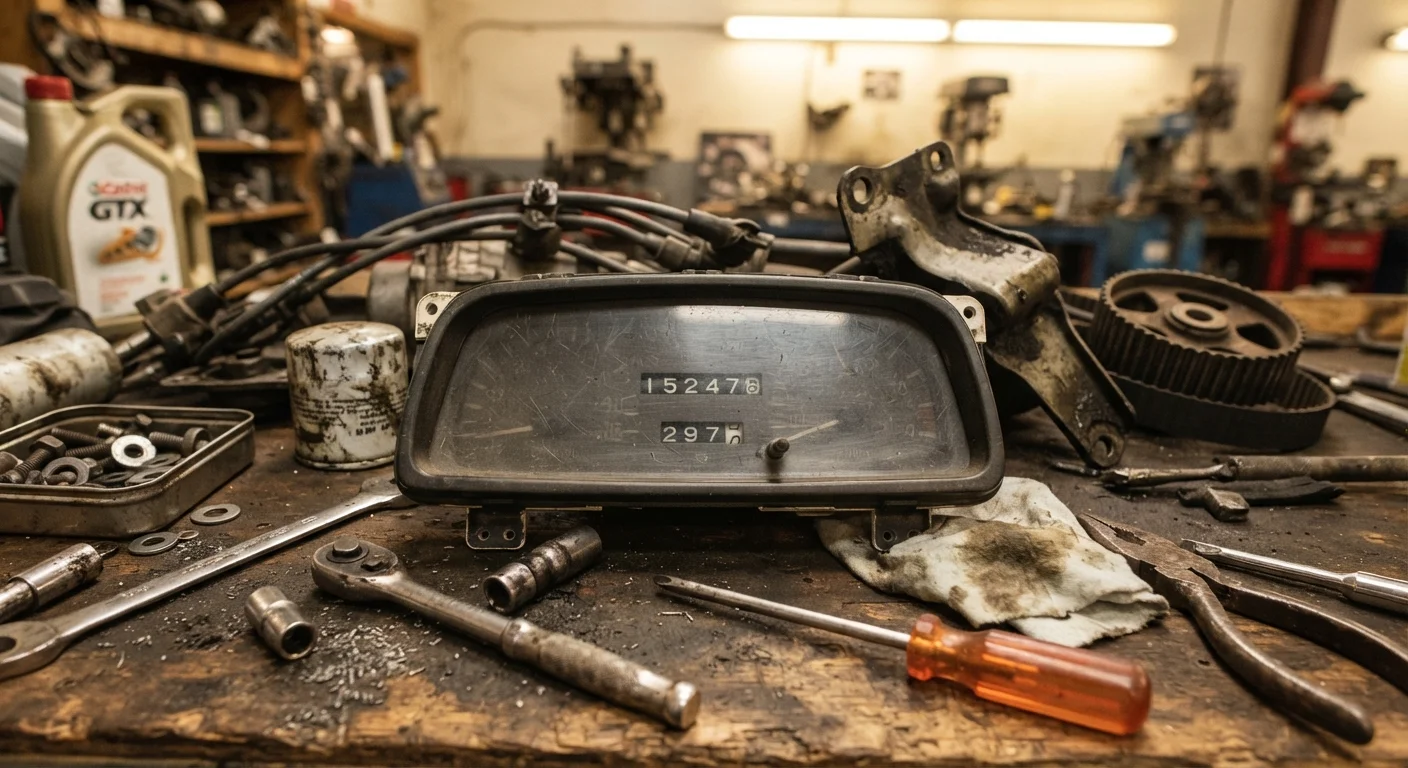
Owners of older vehicles should also note that maintenance priorities shift as mileage climbs. High-mileage vehicles have specific needs that lower-mileage cars do not - timing belt replacement, coolant system inspections, and transmission fluid changes become more consequential after the odometer rises.
Insurance, Financing, and the Costs Most Owners Set and Forget
Many drivers pay their insurance premium on autopilot year after year without reassessing whether the coverage still matches their situation. Driving record improvements, changes in annual mileage, a vehicle aging past a certain value threshold, or shifts in your credit profile can all affect what you reasonably should be paying. Understanding what insurers consider when setting your rate gives owners a clearer basis for evaluating their policy.
Financing deserves similar scrutiny. A low monthly payment achieved through a long loan term can result in paying substantially more in total interest than a shorter-term loan with higher monthly payments. Before extending a loan term purely for cash-flow comfort, it is worth calculating the total cost difference. Leasing versus buying carries different long-term financial implications that only become fully visible over several years.
Depreciation Awareness and Timing Your Ownership Decisions
Depreciation is not a cost that shows up on a monthly statement, but it represents real money leaving your position. How cars lose value over time shapes the long-term economics of ownership in ways that many buyers do not fully account for at purchase.
Vehicles typically shed value most steeply in the first two to three years. Owners who hold past that curve - continuing to maintain the vehicle well - often find the cost-per-mile of an older paid-off vehicle is lower than cycling into a new payment. There is no universal right answer, but making that calculation explicitly, rather than defaulting to habit or emotion, tends to produce better financial outcomes.
Finally, separating proven maintenance practice from common myths prevents unnecessary spending. Outdated advice on oil changes and engine warm-up rituals can cost owners money and time with no corresponding benefit. Applying accurate, current information to every ownership decision - not just the big ones - is what separates drivers who manage costs effectively from those who don't.
Treat Your Owner's Manual as a Financial Document
Every interval recommendation in your owner's manual represents an engineering decision about your specific vehicle. Following those intervals - rather than rules of thumb - prevents both under-maintenance and unnecessary service spending. Keep the manual in your glove box and consult it before any service appointment.