The Tire Pressure Numbers That Matter
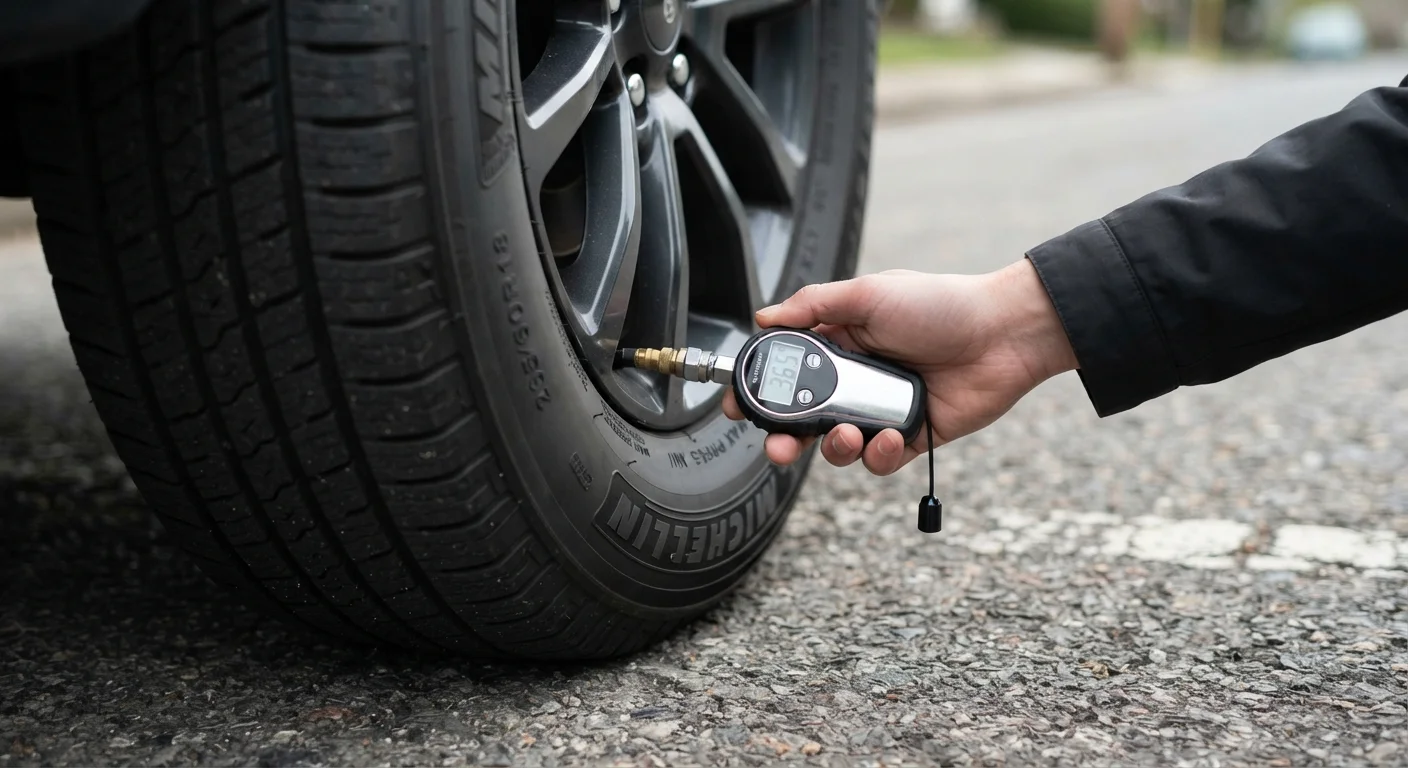
Tire pressure is measured in PSI, and getting it right directly affects your safety, fuel efficiency, and tire longevity. The correct PSI for your vehicle is not printed on the tire sidewall - that number is the tire's maximum capacity, not your target. Your vehicle's recommended pressure is found on a sticker inside the driver's door jamb or in your owner's manual. For most passenger cars, the recommended range falls between 32 and 36 PSI, though trucks, SUVs, and high-performance vehicles may differ.
| Typical recommended pressure range | 32-36 PSI (passenger cars) (Varies by vehicle; check door jamb sticker) |
| PSI change per 10°F temperature shift | Approx. 1 PSI gained or lost (General industry guideline) |
| Legal minimum tread depth (most U.S. states) | 2/32 of an inch |
| Recommended wet-weather replacement threshold | 4/32 of an inch (Commonly cited by safety and tire organizations) |
| Recommended winter traction threshold | 6/32 of an inch (Guideline for snow-prone driving conditions) |
| Typical tire rotation interval | Every 5,000-7,500 miles (Verify with your owner's manual) |
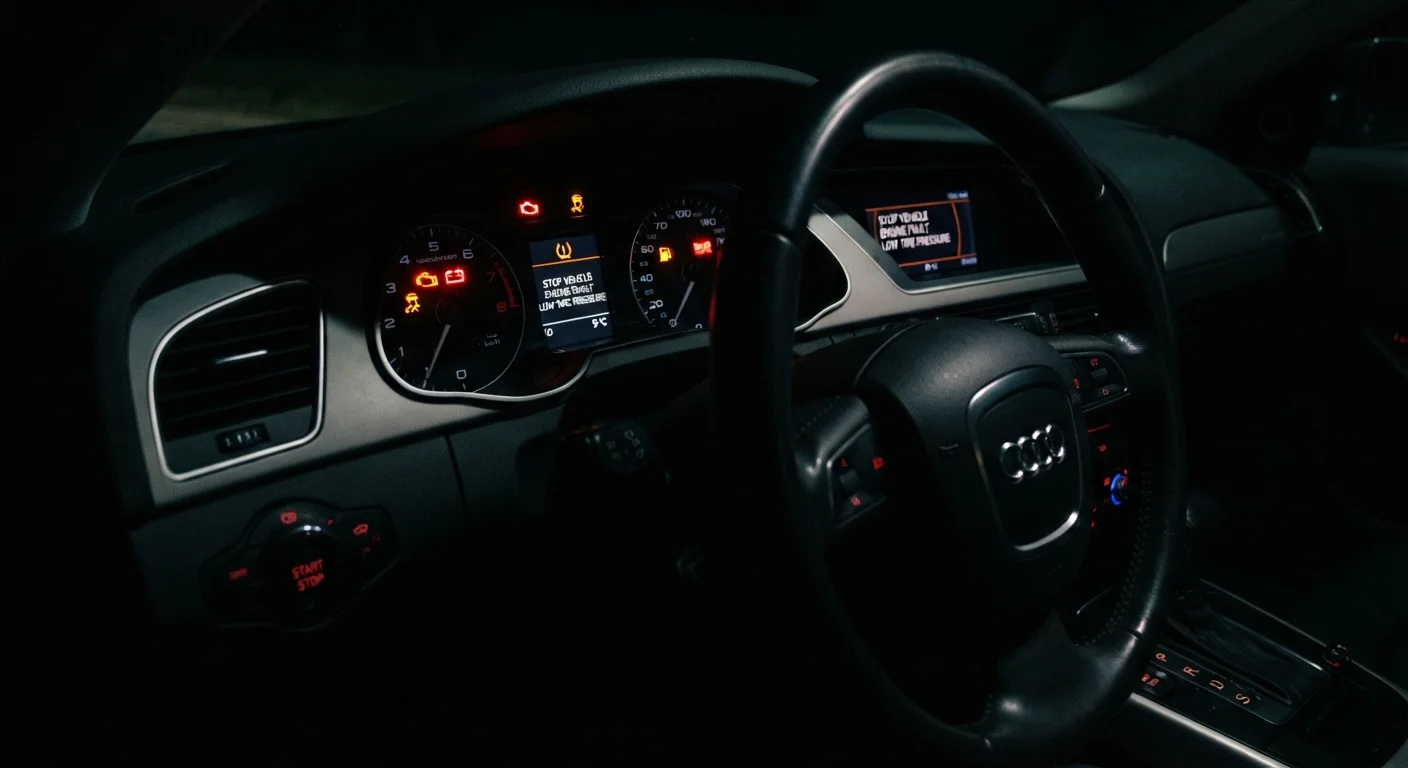
Tire pressure fluctuates with temperature: for every 10°F drop in ambient temperature, you can expect to lose roughly 1 PSI. This is why a tire that reads correctly in warm weather may trigger a warning light after the first cold snap of the season. Dashboard warning lights explained can help you interpret your TPMS alert when it appears.
Check tire pressure when tires are cold - meaning the vehicle has been parked for at least three hours or driven fewer than a mile. Driving heats the air inside the tire and artificially inflates your reading. A quality digital or dial gauge costs a few dollars and is far more reliable than the meters built into gas station air pumps.
Tread Depth: The Minimum You Need to Know
Tread depth is what keeps your tires gripping the road, especially in wet or wintry conditions. It's measured in thirty-seconds of an inch (32nds). New tires typically start at 10/32" to 11/32". The legal minimum in most U.S. states is 2/32", at which point the wear indicators - small raised bars molded into the grooves - become flush with the tread surface.
PSI (Pounds Per Square Inch)
The standard unit used to measure tire air pressure in the United States. Your vehicle's correct PSI is specified by the manufacturer, not the tire maker.
TPMS (Tire Pressure Monitoring System)
A federally mandated safety system, required on all U.S. passenger vehicles produced after 2007, that alerts the driver when one or more tires drop significantly below the recommended pressure.
Tread Depth
The measurement of the groove depth on a tire's surface, typically expressed in thirty-seconds of an inch. Adequate depth is essential for channeling water and maintaining road grip.
Wear Indicators
Small raised bars molded into a tire's tread grooves at the 2/32" level. When the surrounding tread is flush with these bars, the tire has reached the legal minimum and should be replaced.
Cold Inflation Pressure
Tire pressure measured after a vehicle has been stationary for at least three hours. This is the correct condition in which to take a pressure reading, as driving heats the air inside the tire and raises the reading.
However, stopping and handling performance degrades well before that legal threshold. Many safety researchers and tire engineers suggest replacing tires at 4/32" if you drive in rain regularly, because at that depth, a tire's ability to channel water away from the contact patch is meaningfully reduced. In snow-prone regions, some guidelines recommend replacement at 6/32" for adequate winter traction - a consideration worth keeping in mind if you rely on all-season tires through winter months. See our guidance on driving in rain, snow, and fog for context on how tread depth affects real-world stopping distances.
The classic field check is the penny test: insert a penny into the tread groove with Lincoln's head pointing down. If you can see the top of Lincoln's head, your tread is at or below 2/32" and the tire needs replacing. A quarter substituted for a penny gives you a 4/32" threshold instead - a more conservative and practical benchmark for everyday drivers.
2/32"
Legal minimum tread depth in most U.S. states
At this point, built-in wear indicator bars become flush with the tread surface - a clear visual signal that replacement is overdue.
1 PSI
Pressure lost per 10°F temperature drop
A widely cited industry guideline; seasonal temperature swings are one of the most common causes of underinflation.
4/32"
Wet-weather replacement threshold
Many safety and tire engineering sources suggest tires at this depth show notably reduced water-channeling capacity on wet roads.
Inspect tread depth at least once a month and before long road trips. Uneven wear across the tire's width can signal improper inflation, misalignment, or suspension issues - conditions that accelerate wear and should be evaluated by a qualified mechanic. Building core maintenance habits covers how regular tire checks fit into a broader vehicle care routine.
Keeping Both in Check: Practical Habits
Tire maintenance is most effective as a paired habit: check pressure and inspect tread together every month. The two are interconnected - underinflated tires wear faster at the edges, while overinflated tires wear faster in the center, both shortening the usable life of an otherwise healthy tire.
Your Owner's Manual Has the Final Word
General guidelines are useful starting points, but your vehicle manufacturer's specifications always take precedence. Recommended PSI, rotation intervals, and load ratings can vary significantly between makes and models - and even between the front and rear axles of the same vehicle. Consult your owner's manual or the door jamb sticker before making any adjustments.
Rotate your tires every 5,000 to 7,500 miles (or per your owner's manual) to promote even tread wear across all four positions. This straightforward service can meaningfully extend the life of a set of tires. For vehicle-specific guidance, your owner's manual contains the most accurate figures for your make and model. Pairing tire checks with your routine fluid checks keeps the full inspection under ten minutes.
If a tire consistently loses pressure without visible damage, have it inspected - slow leaks from valve stem deterioration or a minor puncture can worsen without warning. Never drive on a tire you suspect is significantly underinflated; uneven stress can cause sudden failure at highway speeds. When in doubt, consult a professional tire technician before driving further.