When the Odometer Tells a Different Story
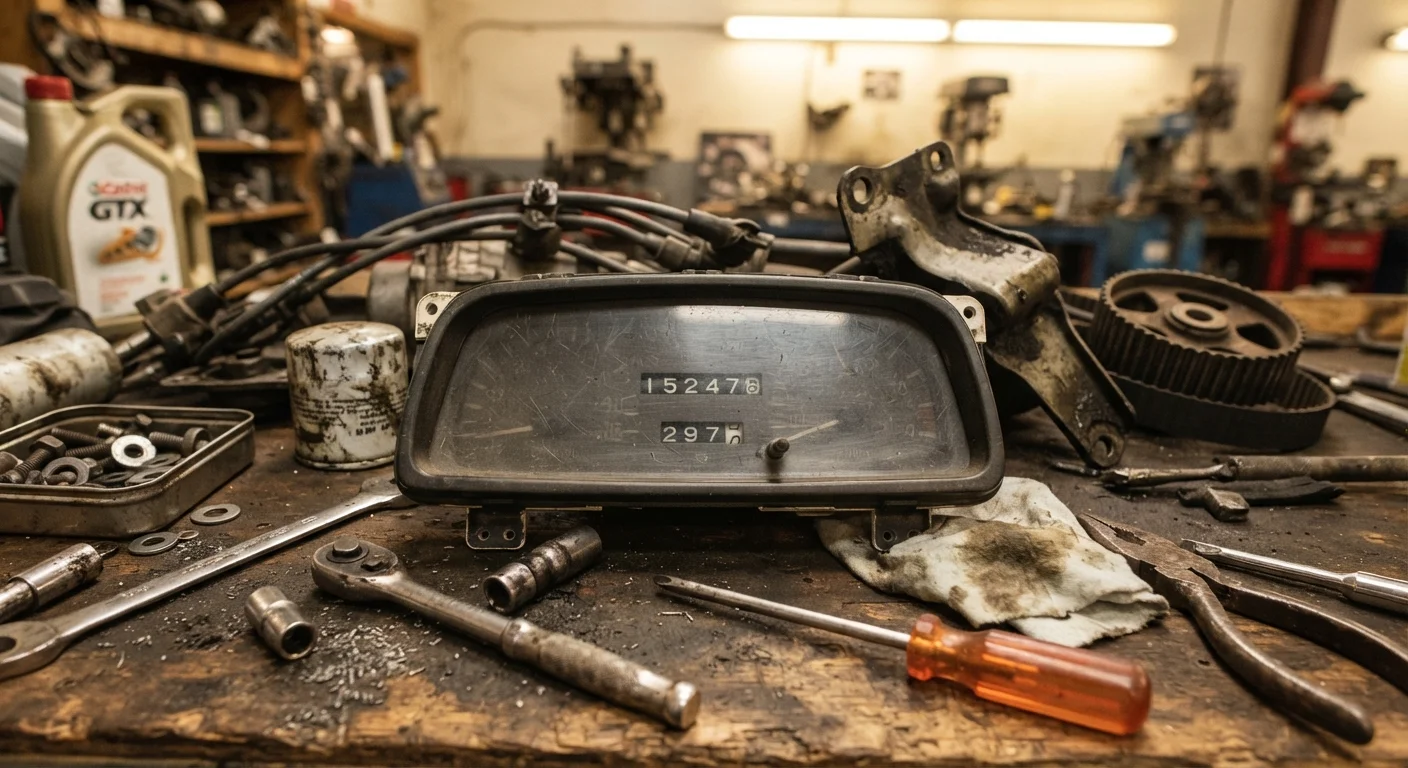
A vehicle with 30,000 miles and one with 130,000 miles are fundamentally different machines - even if they share the same make, model, and service history. Rubber hardens, metal fatigues, fluids oxidize, and tolerances widen. The maintenance checklist that kept a newer car running smoothly simply doesn't account for what age and accumulated stress do to a vehicle's systems.
The good news: most of what high-mileage vehicles need is entirely predictable. Understanding which components are likeliest to need attention - and why - lets you prioritize spending and catch problems before they become expensive emergencies. Our full breakdown of service intervals is a useful companion for understanding the baseline, but this guide focuses on what changes once the odometer climbs.
High-Mileage Engine Oil
Standard motor oil is formulated for engines operating within normal tolerances. High-mileage oil blends - typically marketed for vehicles over 75,000 miles - include seal conditioners and additives designed to address the micro-leaks and increased oil consumption that often develop in aging engines.
These formulations won't repair a damaged engine, but they can slow the progression of minor seal degradation and reduce the oil burn that leads some drivers to top off between changes. Ask your mechanic whether the switch makes sense for your engine's current condition.
High-mileage oil formulations can slow seal degradation and reduce oil consumption in aging engines.
Cooling System Overhaul
Coolant degrades chemically over time, losing its corrosion inhibitors and becoming acidic - a condition that attacks aluminum components, water pump impellers, and radiator cores from the inside. Many manufacturers recommend a full coolant flush every 5 years or 100,000 miles, but high-mileage vehicles that have never had this service are at elevated risk.
Beyond the fluid itself, inspect hoses, the thermostat, and the water pump. Hoses that feel mushy, brittle, or show surface cracking are overdue for replacement. A cooling system failure is among the most consequential breakdowns a driver can experience, often leading to engine overheating and serious damage.
Degraded coolant becomes acidic and attacks internal components - a flush is critical on high-mileage vehicles.
Transmission Fluid and Service
Automatic transmission fluid breaks down under heat and friction, and many transmissions that were never serviced begin showing shifting problems after 100,000 miles. A transmission service - fluid drain and refill, filter replacement where applicable - is far less expensive than transmission rebuilds or replacement.
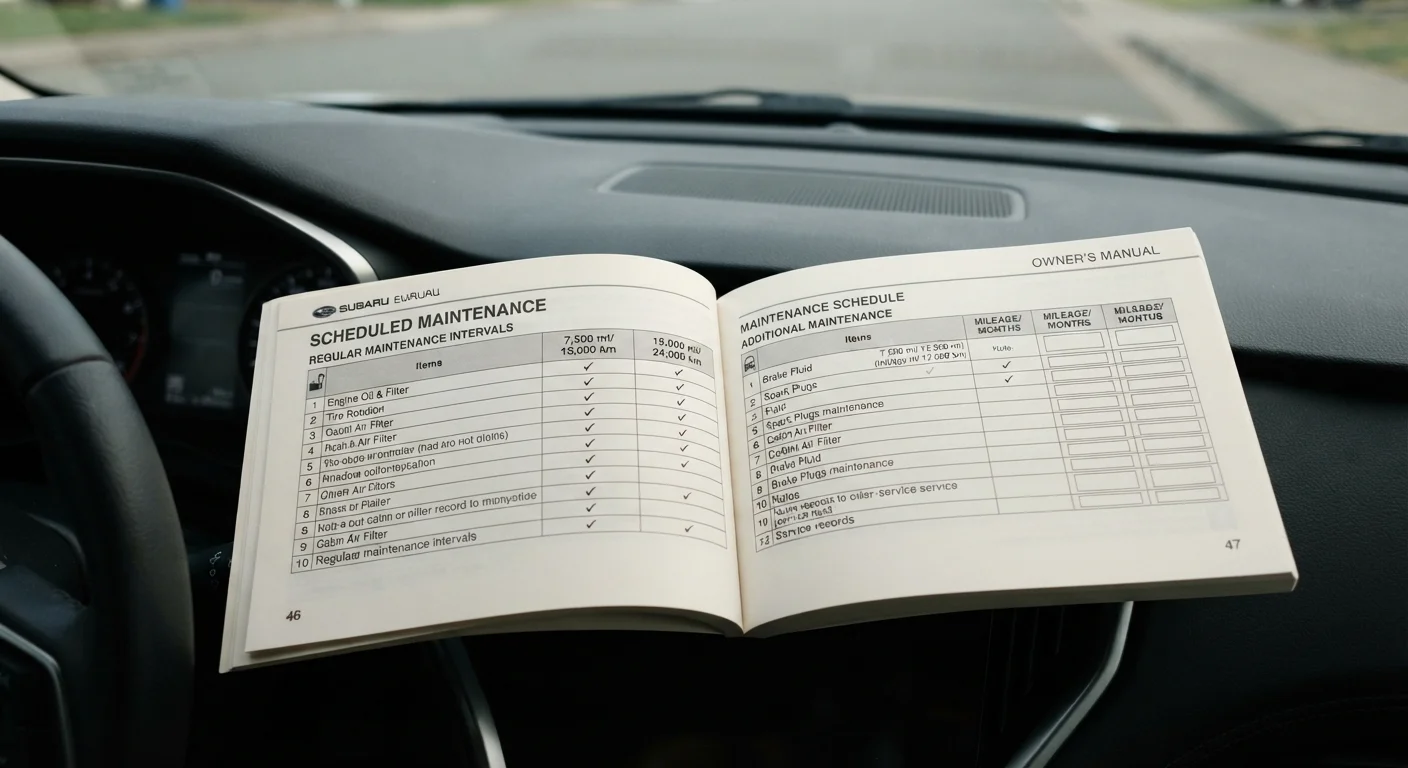
Manual transmissions also benefit from periodic gear oil changes, particularly if the vehicle has seen high-stress driving. Check your owner's manual maintenance sections for the manufacturer's recommendation, and note that many sealed transmissions have extended or lifetime fluid specifications that differ from older designs.
A transmission fluid service is far cheaper than a rebuild - don't skip it on high-mileage vehicles.
Gaskets, Seals, and Rubber Components
Rubber is one of the first materials to show age in any vehicle. Valve cover gaskets, intake manifold gaskets, axle seals, and power steering hose connections all rely on rubber or rubber-composite materials that harden and crack over time. Oil seepage along the engine block or differential housing is a common indicator.
While small seeps don't always demand emergency repairs, they do warrant monitoring - and should be addressed before they become full leaks. Inspecting and replacing deteriorating seals proactively prevents fluid loss that can lead to larger mechanical failures down the road.
Rubber seals and gaskets harden with age - early replacement prevents small seeps from becoming costly failures.
Spark Plugs and Ignition Components
Modern iridium and platinum spark plugs are designed to last 60,000-100,000 miles, but many high-mileage vehicles carry plugs that have never been changed. Worn plugs cause misfires, reduced fuel efficiency, and increased stress on the ignition coils - which are expensive to replace.
At high mileage, inspect ignition wires (on vehicles that use them), coil boots, and the spark plugs themselves. Carbon buildup or electrode wear is clearly visible. This is a maintenance task that delivers immediate, measurable results in engine smoothness and efficiency when overdue plugs are finally replaced.
Overdue spark plugs stress ignition coils and hurt efficiency - a straightforward fix with immediate results.
Suspension and Steering Components
Shocks, struts, ball joints, tie rod ends, and control arm bushings all wear gradually - gradually enough that drivers often don't notice the degradation until a professional inspection makes it visible. On high-mileage vehicles, worn suspension components affect handling, tire wear, and braking distances in ways that create genuine safety implications.
A simple test: push down sharply on each corner of the vehicle. More than one or two rebounds after release suggests shock or strut wear. Steering that feels vague or pulls to one side, combined with uneven tire wear, is a prompt for a full suspension inspection. Seasonal maintenance checks are a natural opportunity to include suspension in the inspection rotation.
Worn suspension components affect braking distances and handling - degradation is gradual enough to go unnoticed.
Managing Long-Term Ownership with Confidence
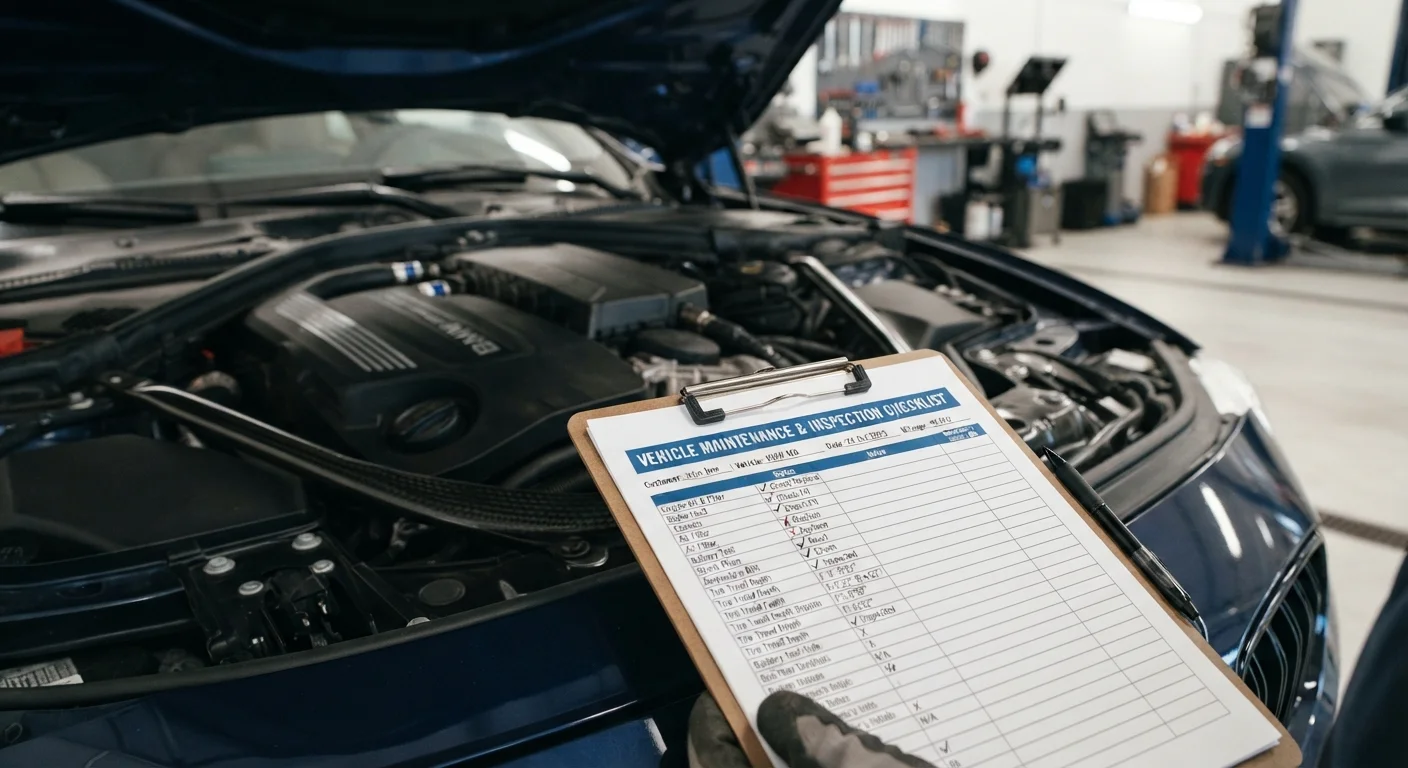
None of these items require alarm - they require awareness. High-mileage vehicles are often mechanically sound and genuinely cost-effective to own, provided maintenance stays proactive rather than reactive. A qualified mechanic can perform a comprehensive inspection and flag which systems are approaching wear thresholds for your specific vehicle.
Build a Maintenance Log for High-Mileage Cars
If you've acquired a high-mileage vehicle without complete service records, treat it as if nothing has been done and work through each system with a trusted mechanic. Going forward, keep a simple written or digital log of every service performed. This record helps you track intervals accurately, supports resale value, and makes it far easier to spot what's overdue.
For a broader look at keeping ownership costs in check across a vehicle's life, see our guide on managing vehicle ownership costs over the long haul. And if you want to understand exactly what your manufacturer recommends for your model, the maintenance sections of your owner's manual are worth revisiting with fresh eyes.