
What Each Arrangement Actually Means
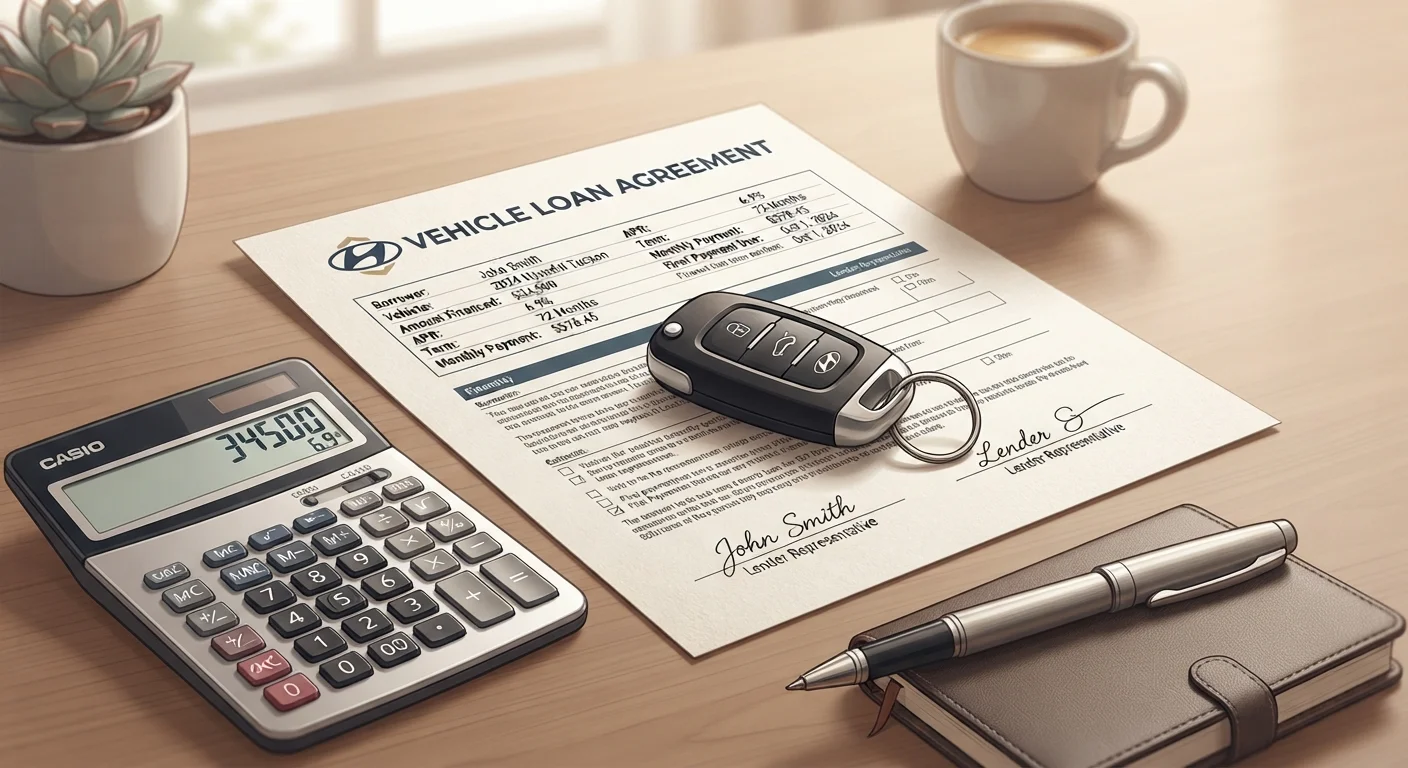
When you own a car outright, the title is yours from day one. There is no lienholder, no monthly payment, and no lender with a claim against the vehicle. When you finance, a lender - a bank, credit union, or captive finance arm - advances the purchase price, holds a lien on the title, and you repay the principal plus interest over an agreed term, typically 24 to 84 months.
The practical difference starts immediately. A financed car legally belongs to you but is encumbered until the loan is satisfied. The lender can repossess the vehicle if payments are missed. An outright owner faces no such risk from a lender, though the vehicle can still be subject to judgments or liens arising from other obligations.
For a deeper look at how loan mechanics work - principal, APR, and what happens at signing - see how auto loans actually work.
Advantages of Owning Outright
Paying cash for a vehicle eliminates interest expense entirely. Depending on the loan amount and rate, financing a car over five or six years can add thousands of dollars to the total cost. Outright owners avoid that premium.
No interest charges on the total purchase
Paying in full means you spend only the agreed vehicle price, with no additional cost from a multi-year interest obligation that can run into thousands of dollars.
No monthly payment obligation
Without a loan, your monthly cash flow is not committed to a fixed payment, giving you flexibility if income changes or unexpected expenses arise.
Fewer insurance requirements
Outright owners are not bound by a lender's insurance mandates and can select coverage levels appropriate to the vehicle's age and value.
Full control over the vehicle
You can sell, trade, or modify the car without seeking lender approval or coordinating a payoff process to clear the title.
There are also logistical advantages. Without a lender's requirements, you can choose your own insurance coverage levels - you are not obligated to carry comprehensive and collision coverage. You also have no monthly payment eroding your cash flow, which can matter during periods of income disruption. And selling or modifying the vehicle requires no lender approval.
Disadvantages of Owning Outright
The obvious constraint is capital. Purchasing a vehicle outright requires a significant sum of money upfront, which may deplete emergency savings or divert funds from investments that could otherwise be earning a return. Concentrating a large portion of liquid assets in a depreciating vehicle is a trade-off worth examining carefully.
Requires substantial upfront capital
Depleting liquid savings to buy a car outright can leave limited cushion for emergencies or reduce funds available for other financial priorities.
No credit-building benefit
A responsibly managed auto loan can strengthen a credit profile over time; cash buyers forgo that opportunity entirely.
Capital tied up in a depreciating asset
Vehicles lose value over time, and committing a large sum to one means that money is not available for higher-yielding uses.
Outright ownership also means forgoing the credit-building opportunity that a well-managed auto loan provides. For consumers with thin or rebuilding credit histories, a loan - managed responsibly - can improve credit scores over time. Cash buyers don't get that benefit.
For a broader view of expenses that can catch buyers off guard regardless of how they pay, see costs first-time buyers underestimate.
The Realities of Carrying a Loan
Financing a vehicle makes it accessible without a large upfront payment, which is why the majority of new and many used car purchases in the US involve loans. But the convenience comes at a cost: interest charges accumulate across the life of the loan, and your total outlay will exceed the sticker price.
~85%
New vehicles financed at purchase in the US
According to Experian's State of the Automotive Finance Market report, the vast majority of new vehicle purchases involve financing rather than cash.
48-72 mo.
Most common auto loan term lengths
Longer terms lower monthly payments but increase total interest paid; the Federal Reserve's consumer credit data consistently shows these as the predominant range.
Lenders universally require comprehensive and collision coverage while a loan is active, which adds to monthly costs. Gap insurance - which covers the difference between what you owe and what the car is worth if it's totaled - is worth understanding when a loan balance exceeds vehicle value early in the term. Your lender may offer it, but so do insurers independently.
If you're evaluating where to get a loan, financing through a dealership vs. a bank or credit union covers how rates and terms tend to differ by source. And for context on how an auto loan affects your broader credit profile, the Credit & Debt hub provides foundational explanations.
When Gap Insurance Is Worth Considering
If your loan balance exceeds the vehicle's market value - common in the first one to two years of a long loan term - gap insurance can cover the shortfall if the car is totaled or stolen. Standard collision and comprehensive coverage only pays up to the vehicle's actual cash value at the time of loss. Check whether your auto insurer offers this as an add-on before accepting it from a dealership, where pricing may differ.
This article provides general financial information for educational purposes and does not constitute personalized financial or legal advice. Consult a qualified financial professional regarding decisions specific to your circumstances.