Why Fitness Myths Are Especially Harmful for Beginners
Misinformation about exercise doesn't just mislead - it stops people from starting at all. When someone believes they must suffer through daily hour-long workouts or risk looking foolish at a gym, the couch feels like the safer choice. These myths set an unnecessarily high bar and create a false picture of what fitness actually requires.
The truth is that physical activity guidelines from major public health authorities emphasize consistency and gradual progress over intensity and perfection. If a myth is making movement feel unattainable, it's worth examining whether the belief is grounded in evidence - or in fitness culture folklore.
Much like the misconceptions covered in our look at nutrition myths and the science behind them, fitness myths often persist because they contain a grain of truth wrapped in a significant overstatement.
Myth
No pain, no gain - if it doesn't hurt, you're not working hard enough.
Fact
Productive exercise should feel challenging, but sharp pain is a warning sign, not a measure of effectiveness.
This is one of the most damaging myths in fitness because it conflates discomfort with injury risk. Muscle fatigue during a workout and mild soreness afterward can be normal signs of exertion. Sharp, sudden, or joint-specific pain, however, signals that something may be wrong and warrants stopping.
Beginners who push through actual pain often sustain injuries that sideline them for weeks - undermining the very progress they were chasing. A challenging workout is not the same as a painful one, and sustainable fitness is built on gradual progression, not suffering. See how progressive overload works for a smarter framework.
Myth
You need to work out for at least an hour for it to count.
Fact
Research supports significant health benefits from shorter bouts of exercise accumulated throughout the day.
Public health guidelines generally recommend at least 150 minutes of moderate-intensity activity per week - which averages to about 30 minutes most days. Crucially, those 30 minutes don't need to happen all at once. Studies have found that three 10-minute sessions can produce comparable cardiovascular benefits to one continuous 30-minute session.
For busy Americans, this reframing is practically significant. A brisk walk at lunch, a few flights of stairs, and a short evening stretch can add up to meaningful activity without requiring a dedicated hour-long block. The barrier to entry drops considerably when you realize accumulation counts.
Myth
Cardio is the only real way to lose weight.
Fact
Strength training also plays a meaningful role in body composition and metabolic health.
Cardio burns calories during exercise, which is well established. But strength training builds muscle tissue, which raises your resting metabolic rate - meaning your body burns more calories even at rest over time. Neither mode is universally superior; they serve different physiological purposes and work well together.
Focusing exclusively on cardio while ignoring resistance training can also lead to muscle loss alongside fat loss, which isn't the outcome most people are aiming for. A more complete picture of what each training mode does is worth understanding before committing to just one approach.
Myth
If you're not sore the next day, the workout didn't do anything.
Fact
Delayed onset muscle soreness (DOMS) is common in beginners or after novel movements, but its absence doesn't mean a workout was ineffective.
DOMS typically peaks 24-72 hours after exercise and results from microscopic muscle fiber stress during unfamiliar activity. As your body adapts, the same workout produces less soreness - not because it stopped working, but because your muscles have become more efficient at handling that stimulus.
Chasing soreness as a metric often leads people to constantly switch routines, which actually undermines consistent progress. A lack of soreness in a well-conditioned person performing a familiar workout is a normal and expected adaptation, not a failure.
Myth
You need a gym membership to get fit.
Fact
Effective, progressive fitness routines are entirely achievable at home with little or no equipment.
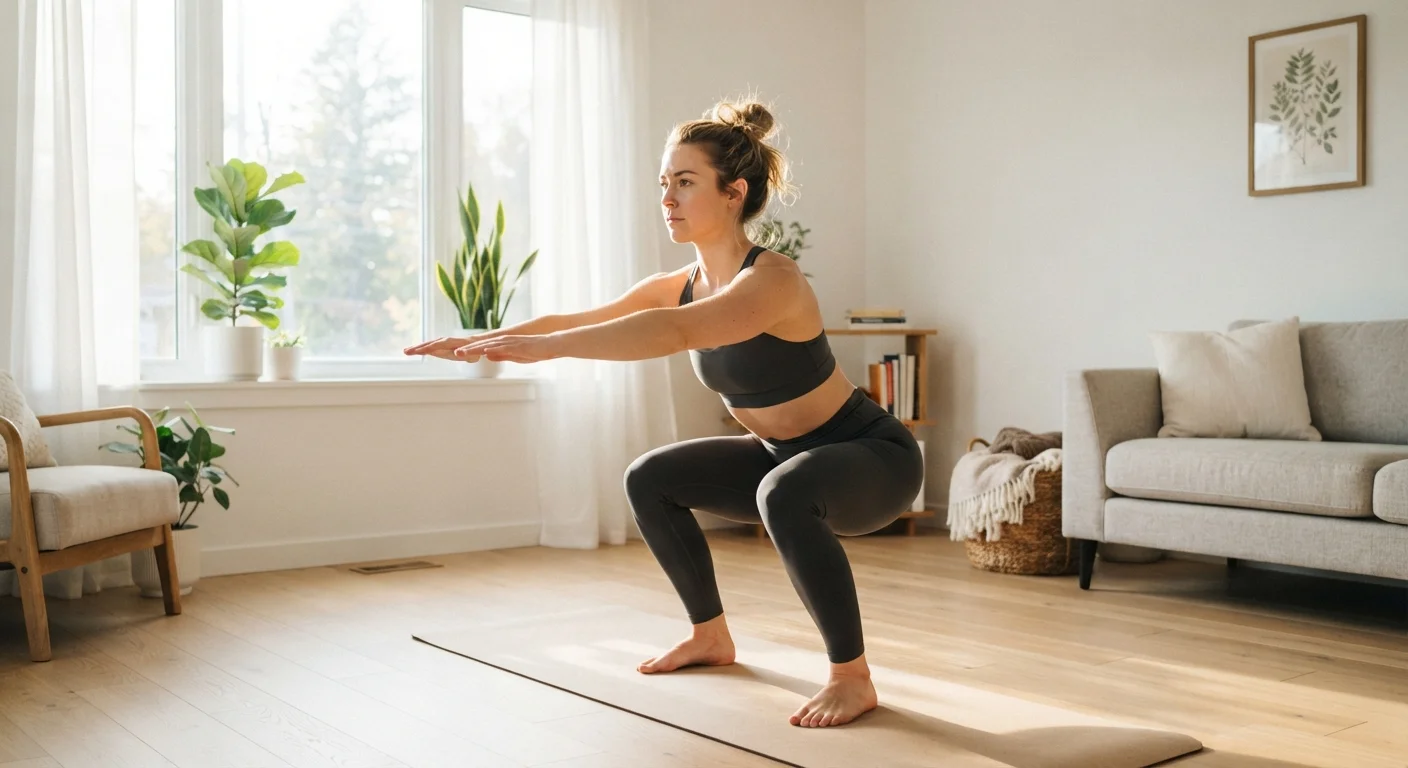
Gyms offer useful tools - variety of equipment, group classes, structured environments - but they are not prerequisites for fitness. Bodyweight exercises like push-ups, squats, lunges, and planks can build real strength and cardiovascular capacity when performed consistently and progressed over time.
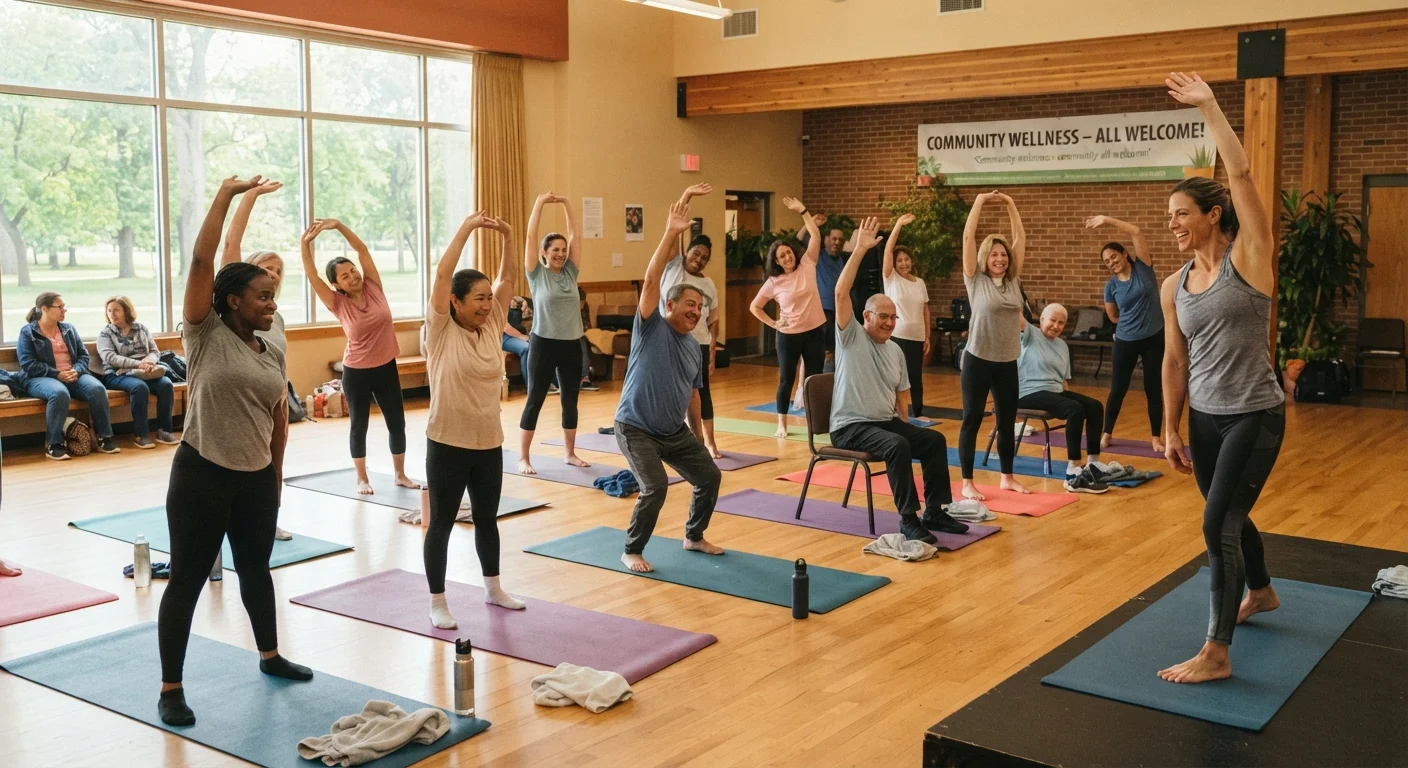
For many beginners, starting at home removes social anxiety from the equation entirely, making consistency easier to achieve. Once a routine is established, transitioning to a gym becomes an option rather than an obligation. Cost and convenience barriers disappear when you recognize that the floor, a doorframe, and your own body weight are legitimate training tools.
Myth
Strength training will make women bulky.
Fact
Building large muscle mass requires specific, sustained, high-volume training combined with significant caloric surplus - it doesn't happen by accident.
This myth has kept many women away from resistance training for decades, depriving them of its well-documented benefits: improved bone density, better metabolic health, reduced injury risk, and functional strength for everyday tasks.
Physiologically, women generally have lower testosterone levels than men, which makes large-scale muscle hypertrophy considerably more difficult to achieve. The physiques associated with competitive bodybuilding reflect years of deliberate, highly specific training and nutrition protocols - not the result of a few weekly strength sessions. Resistance training for general health and fitness looks very different in practice.
What Getting Started Actually Looks Like
Once the myths are out of the way, a more realistic picture of beginner fitness emerges. Movement doesn't need to be extreme to be effective. Walking counts as real exercise, and research consistently supports daily movement - even in short increments - as meaningful for cardiovascular health, mood, and longevity.
If you're interested in building strength without stepping foot in a gym, bodyweight training at home offers a genuinely effective starting point. Squats, push-ups, and lunges require no equipment and can be scaled to any fitness level.
Understanding the difference between cardio and strength training also helps beginners make informed choices rather than defaulting to whichever mode feels most familiar. Both serve distinct purposes, and a balanced approach tends to produce better long-term results than focusing exclusively on one.
Don't Ignore Early Warning Signs
Beginners sometimes push through discomfort out of a misguided belief that stopping means failure. Sharp joint pain, dizziness, chest tightness, or shortness of breath disproportionate to your effort level are signals to stop immediately and consult a healthcare provider. Exercising through these symptoms can cause serious harm. When in doubt, pause and seek professional guidance.
Finally, don't overlook recovery. Rest days are not optional - they are when your body actually adapts and strengthens. Building them into your routine from day one is a sign of smart training, not weakness.
This article is for general informational purposes only and is not a substitute for personalized advice from a qualified healthcare or fitness professional. Consult a professional before beginning a new exercise program, especially if you have an existing health condition.