
Why Nutrition Myths Are So Hard to Shake
Nutrition is one of the most contested areas of everyday health - and also one of the most saturated with misinformation. A half-truth repeated often enough starts to feel like fact, especially when it comes packaged with a compelling before-and-after story or a celebrity endorsement. The result is that millions of Americans make daily food choices based on ideas the science abandoned years ago.
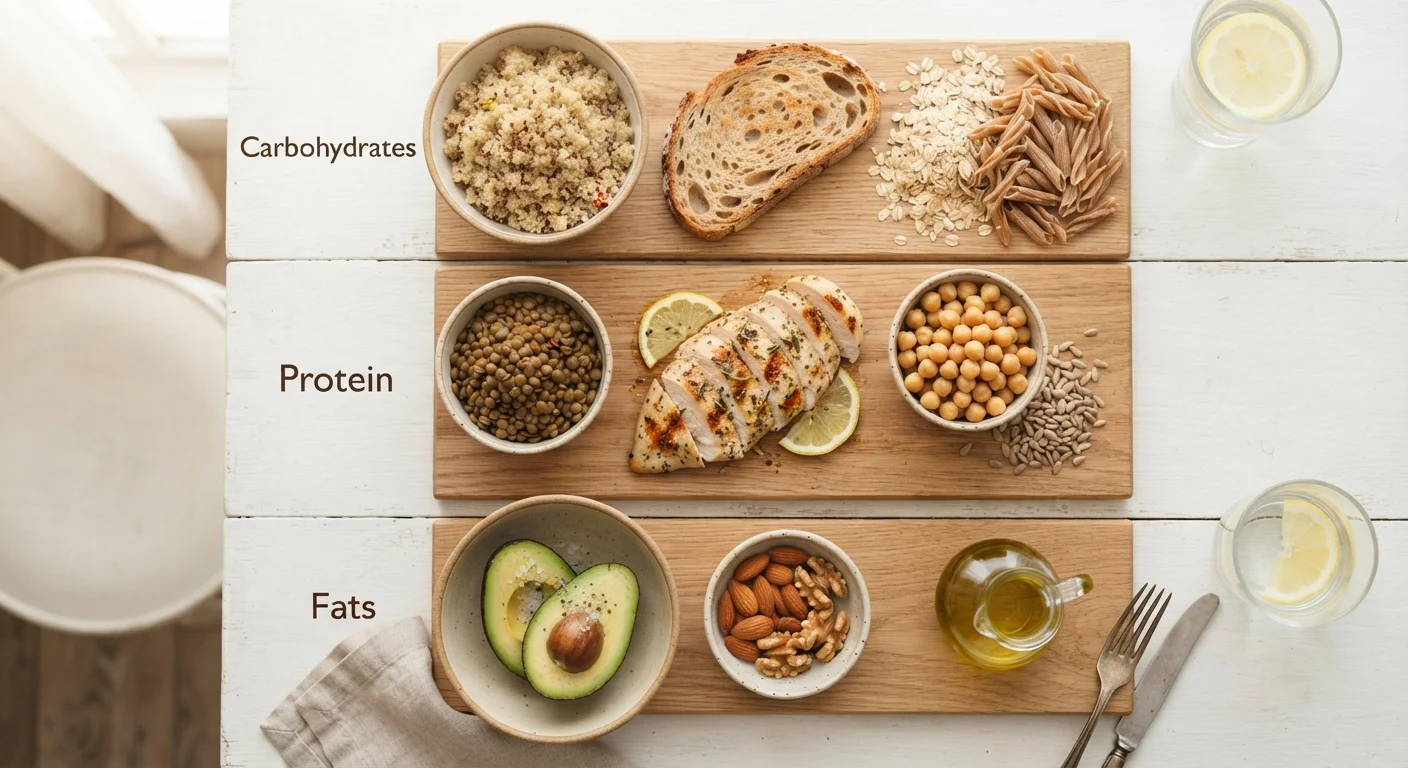
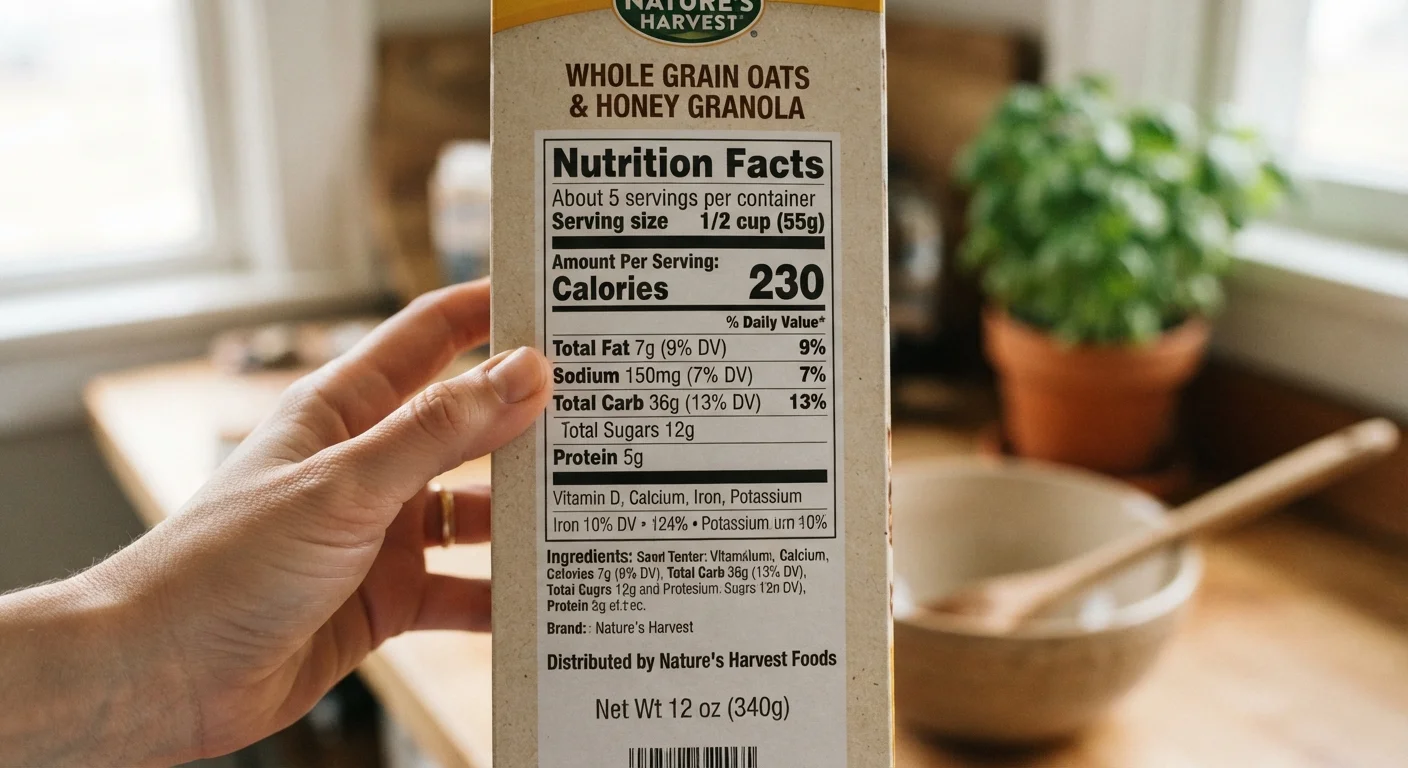
This article works through some of the most persistent nutrition myths and replaces them with what researchers and registered dietitians actually say. For a deeper grounding in how each macronutrient functions in the body, see our guide to macronutrients. And if you want to decode food packaging more confidently, our article on reading a Nutrition Facts label walks through every line.
This article is for general informational purposes only and is not a substitute for personalized medical or dietary advice. Consult a registered dietitian or qualified healthcare professional for guidance specific to your health needs.
The Myths, Corrected
Each myth below is stated as many people genuinely believe it, followed by what the current evidence shows and - crucially - what that means for how you eat day to day.
Myth
Carbs make you fat, so cutting them out is the fastest path to weight loss.
Fact
Carbohydrates do not cause fat gain on their own - a sustained calorie surplus does, regardless of which macronutrient provides it.
The idea that carbohydrates are uniquely fattening persists partly because low-carb diets often produce quick early weight loss - most of which is water weight tied to glycogen depletion, not fat loss. Research consistently shows that when calorie intake is controlled, low-carb and moderate-carb diets produce comparable long-term fat loss outcomes. Whole-food carbohydrate sources like legumes, oats, and vegetables also supply dietary fiber, B vitamins, and sustained energy. Eliminating them entirely often means eliminating important nutrients along with them.
Myth
Eating after 8 p.m. causes weight gain because your metabolism slows down at night.
Fact
The body does not automatically store calories as fat simply because they are consumed in the evening. Total daily calorie balance is the primary driver of weight change.
Metabolic rate does decrease slightly during sleep, but not in a way that means nighttime calories are metabolized differently from daytime ones. What research does suggest is that late-night eating is often associated with less nutritious food choices and higher total calorie intake - the behavior pattern, not the clock, tends to be the problem. If your overall intake and food quality are consistent, the timing of individual meals has a modest effect at most for the majority of people.
Myth
Fat is bad for you, and a low-fat diet is the healthiest approach.
Fact
Dietary fat is essential for hormone production, fat-soluble vitamin absorption, and cell membrane integrity. The type of fat consumed matters significantly more than avoiding fat altogether.
The low-fat dietary guidelines of the 1980s and 1990s contributed to a widespread overcorrection: fat was removed from packaged foods and replaced with refined sugars and starches, which did not improve population health outcomes. Current evidence distinguishes clearly between unsaturated fats (generally associated with cardiovascular benefit), saturated fats (recommended in moderation), and industrially produced trans fats (associated with increased cardiovascular risk). Replacing fat with refined carbohydrates is not a health upgrade.
Myth
Detox cleanses and juice fasts remove toxins from the body and give your organs a 'reset.'
Fact
The liver, kidneys, and digestive system continuously process and eliminate waste products. There is no credible clinical evidence that commercial cleanses enhance or accelerate this process.
The word 'toxin' is rarely defined specifically in cleanse marketing, which is telling. The human body has sophisticated and continuous detoxification systems that do not require periodic purging. Some short-term juice programs may reduce calorie intake and refined food consumption temporarily, which can make a person feel better - but that benefit comes from what was removed from the diet, not from the cleanse itself. Supporting liver and kidney function through adequate hydration, dietary fiber, and limiting alcohol is more meaningful and evidence-backed than any commercial protocol.
Myth
Eating too much protein will damage your kidneys.
Fact
For healthy adults with no pre-existing kidney disease, research does not support the claim that higher protein intakes cause kidney damage.
This myth has a grain of legitimate origin: individuals with existing chronic kidney disease are often advised to moderate protein intake because impaired kidneys process protein waste less efficiently. However, extrapolating that clinical caution to healthy adults is not supported by the evidence. Studies on athletes and others consuming higher protein diets have not demonstrated kidney harm in people with normal kidney function. That said, dramatically increasing protein without any adjustment to overall diet balance, hydration, or underlying health conditions warrants a conversation with a healthcare provider.
Nutrition changes that stick require more than correcting beliefs - they require realistic habits. Our article on why healthy eating efforts stall explores the behavioral side of lasting change. If you're also reevaluating your fitness routine alongside your diet, fitness myths that keep people from starting covers similar ground for exercise.
80%+
Americans who believe at least one nutrition myth
Surveys conducted by nutrition researchers and public health organizations consistently find that a large majority of U.S. adults hold at least one common, evidence-contradicted nutrition belief.
~5%
Adults meeting fiber recommendations daily
According to USDA dietary intake data, only a small fraction of American adults meet the recommended daily fiber intake, partly because of persistent myths about carbohydrates and grains.
$35B+
Annual U.S. weight-loss industry revenue
Market research estimates place the U.S. weight management industry above $35 billion annually - a commercial landscape in which myths about carbs, fat, and detoxing often serve marketing rather than health.
Turning Corrected Myths Into Daily Habits
Knowing a myth is false is only the first step. The more useful question is: what does accurate nutrition science actually ask of you in practice?
- Include carbohydrates strategically. Choose whole grains, legumes, and vegetables over refined starches and added sugars. The goal is fiber and nutrient density, not elimination.
- Don't time your meals by fear. If you're hungry in the evening, a balanced snack is fine. Focus on what you eat across the full day, not the clock on the wall.
- Pick your fats with intention. Unsaturated fats from sources like olive oil, avocado, nuts, and fatty fish support cardiovascular health. Limit industrially produced trans fats where still present in processed foods.
- Skip the cleanse, support your organs instead. Adequate hydration, dietary fiber, and minimizing alcohol are the practical ways to support liver and kidney function - no purchased program required.
- Eat enough protein, distributed through the day. Most adults benefit from spreading protein across meals rather than concentrating it in one sitting. Check with a healthcare provider before dramatically increasing intake if you have existing kidney concerns.
When to Consult a Professional
General nutrition principles apply broadly, but individual needs vary significantly based on age, medical history, medications, and health goals. Before making major dietary changes - especially if you have a chronic condition, are pregnant, or are managing a health concern - speak with a registered dietitian or your primary care provider. No article, however well-researched, replaces personalized professional guidance.
For a closer look at fiber - an area where most Americans genuinely fall short - our article on dietary fiber and why Americans fall short is a practical next read. Myths don't just appear in nutrition, either: our mental health myths article applies the same evidence-based lens to wellbeing.