What Each Approach Actually Means
Scheduled home maintenance means setting up recurring tasks on a fixed calendar-changing HVAC filters every three months, flushing the water heater annually, inspecting the roof each spring. As-needed maintenance means waiting until a problem becomes visible or a system starts showing symptoms before acting.
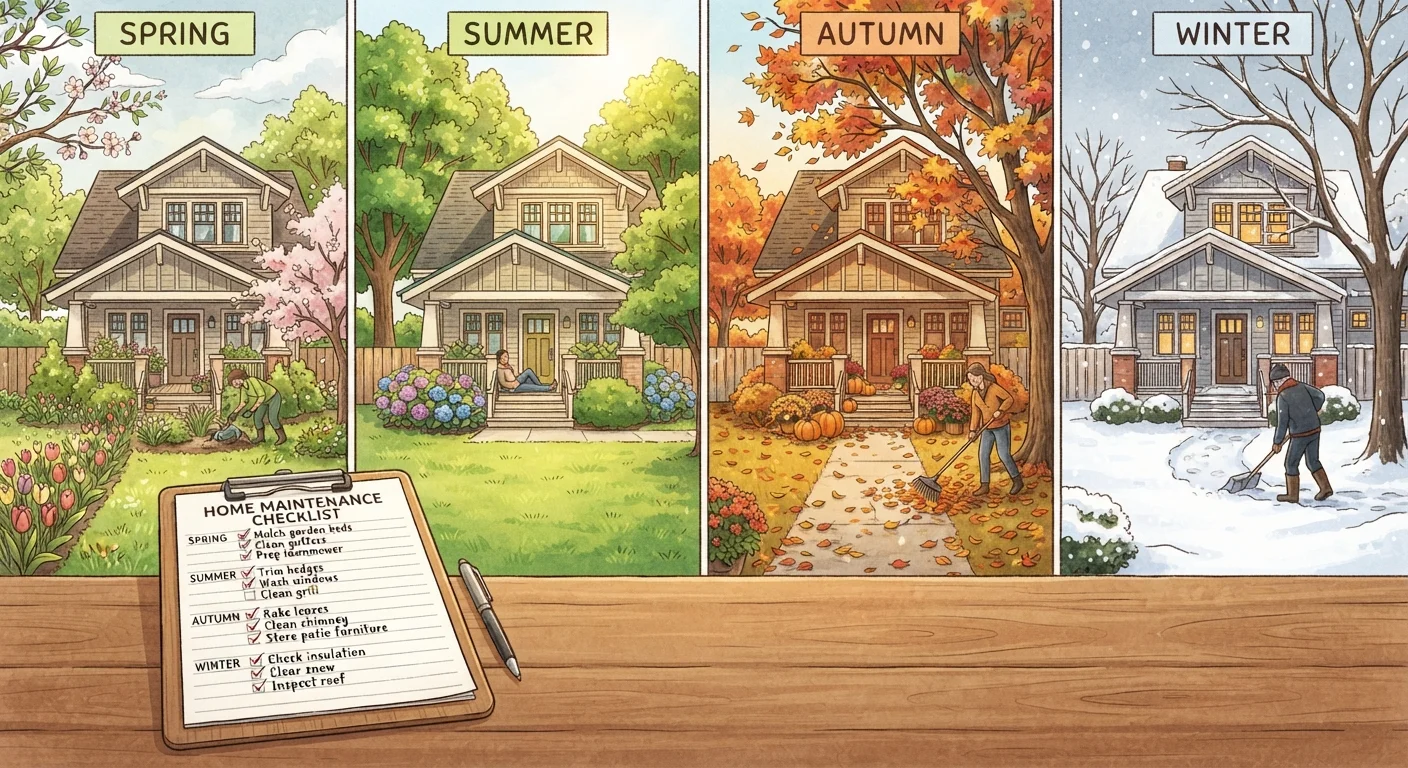
In practice, most homeowners blend both without thinking about it. The question worth asking is whether your default leans too heavily toward reactive-and whether that's costing you more than you realize. See our seasonal home maintenance calendar for a practical starting framework.
Catches slow-developing problems before they escalate
Many home failures-roof leaks, HVAC inefficiency, pest entry-develop gradually with no visible early warning. A schedule creates regular inspection points that catch issues while they're still minor.
Makes annual costs more predictable
Planned maintenance is almost always less expensive than emergency repairs. Knowing what's coming each season lets you budget without surprises.
Protects home value over the long term
Consistently maintained homes tend to hold their value better and present fewer complications during inspections when it's time to sell.
Reduces decision fatigue in the moment
When a task is on a calendar, you don't have to decide whether it needs doing-you simply do it. This removes the mental load of constantly evaluating home systems.
Aligns with manufacturer and warranty requirements
Some warranties on HVAC systems, water heaters, and roofing require documented maintenance at specified intervals to remain valid.
The Case for a Scheduled Approach
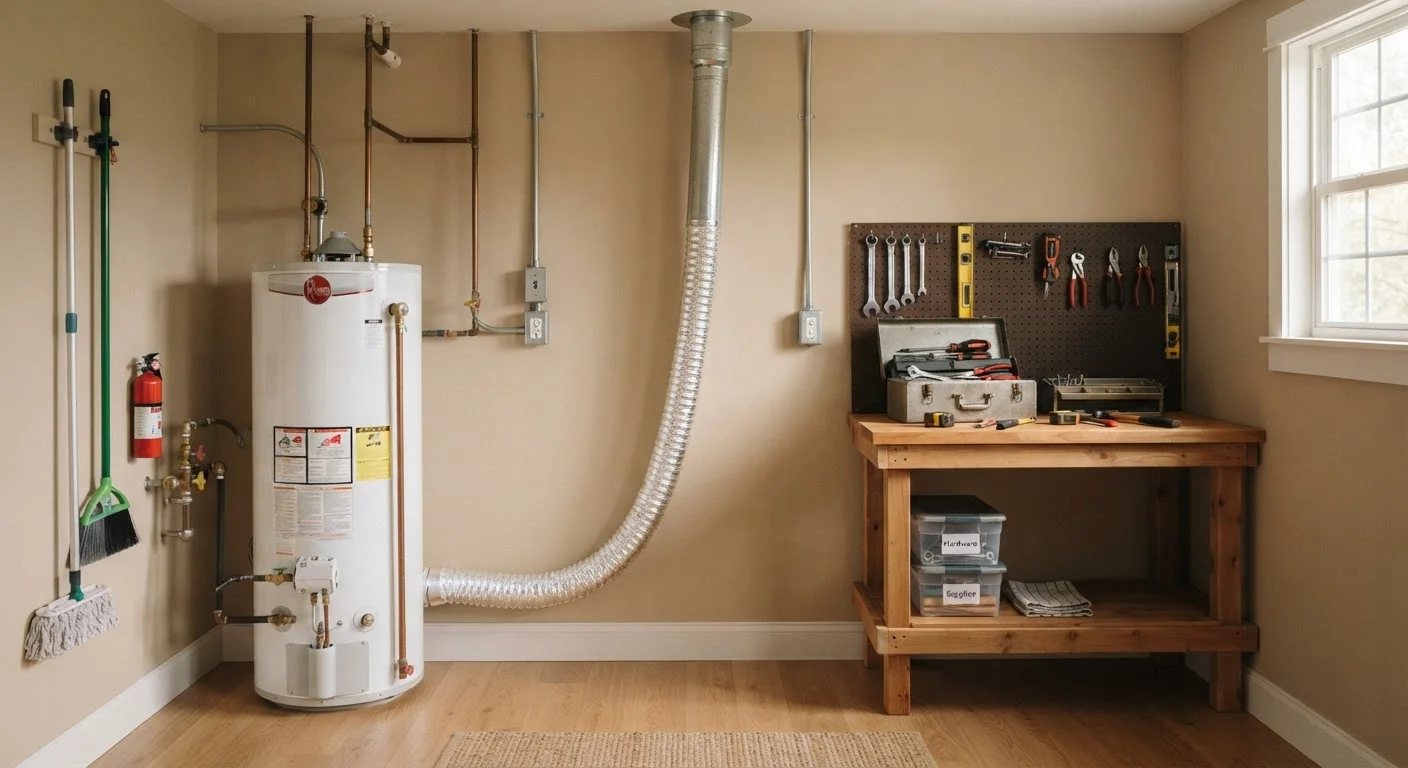
Preventive schedules work best for systems that degrade gradually and invisibly. A clogged dryer vent, for example, doesn't announce itself-it quietly becomes a fire hazard. Neither does sediment buildup in a water heater. By the time symptoms appear, the underlying issue has often grown significantly.
A consistent schedule also makes budgeting more predictable. When you know a furnace inspection or gutter cleaning is coming, you can plan for it. Unplanned emergency repairs-especially those requiring after-hours service calls-tend to cost considerably more than routine maintenance.
There's also a compounding benefit: homes that are regularly maintained tend to retain their value better and face fewer insurance complications. Easily forgotten tasks like checking expansion tanks or testing smoke detector batteries are exactly the kind of thing a schedule catches.
1%-4%
Of home value spent on annual maintenance
A commonly cited rule of thumb suggests budgeting 1-4% of your home's value annually for maintenance, with older homes and harsher climates trending toward the higher end.
~$3,000+
Average cost of emergency HVAC replacement
According to general industry estimates, emergency HVAC system replacements-often avoidable with routine servicing-can run several thousand dollars or more depending on unit size and region.
Where As-Needed Has a Legitimate Role
Not every home system needs a fixed calendar. A newer home in a mild climate with quality construction may genuinely require less frequent attention than an older home in a region with harsh winters and heavy rainfall. Over-scheduling maintenance on systems that are performing well can mean spending time and money unnecessarily.
As-needed also makes sense for clearly observable issues-a dripping faucet, a door that sticks after rain, a cracked weatherstrip. These problems are self-announcing and don't require a schedule to catch them.
Can generate unnecessary work on healthy systems
A newer home in a mild climate may not need the same frequency of attention as an older property. Rigid schedules can lead to checking and servicing things that genuinely don't need it yet.
Requires time and organizational discipline
Maintaining a schedule means tracking tasks, sourcing materials or contractors, and following through consistently-which isn't always realistic during busy or stressful periods.
Upfront costs can feel burdensome
Paying for an annual furnace inspection or roof check when nothing appears wrong can feel like wasted money, even when it's genuinely preventive.
Reactive-only approach misses invisible failures
As-needed maintenance depends on visible or audible symptoms, but many serious problems-slow leaks, pest damage, electrical degradation-develop without obvious signs until the damage is significant.
Emergency repairs cost more and disrupt daily life
Reactive repairs often happen at the worst possible time-winter furnace failures, mid-summer AC breakdowns-when service demand is highest and wait times are longest.
The risk with a purely reactive stance is that it works only for what you can see. Many of the most expensive home failures-foundation moisture intrusion, slow roof leaks, HVAC inefficiency-develop over months before any obvious sign appears.
Finding the Right Balance for Your Home
A practical middle ground is to establish a short checklist of non-negotiable scheduled tasks-the ones that affect safety or involve systems that fail silently-while handling everything else as problems arise. Think of it as a maintenance floor, not a full schedule.
A Useful Minimum Checklist to Start
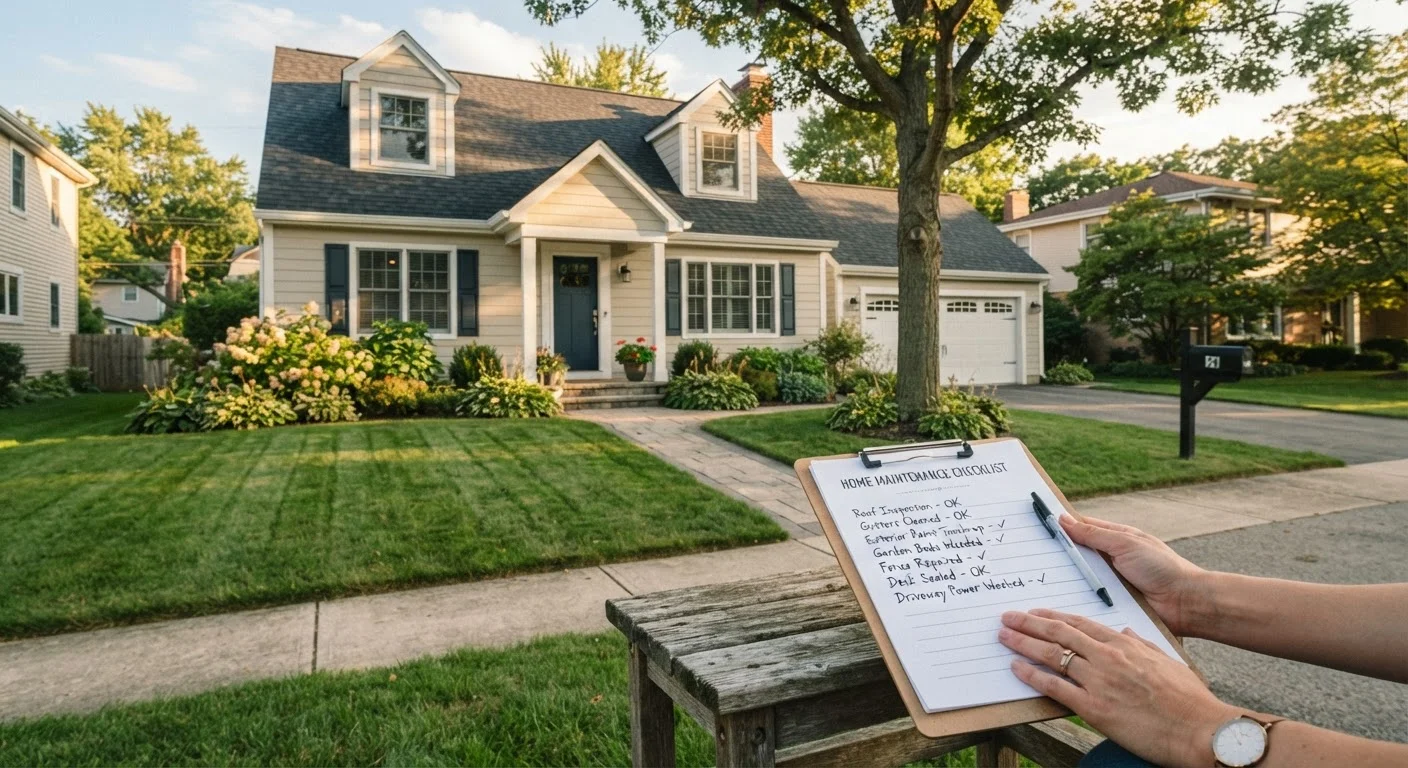
If a full schedule feels overwhelming, start with just four categories: HVAC filters (every 1-3 months), gutters (twice a year), smoke and CO detector testing (twice a year), and a visual roof inspection each spring. These four areas cover the highest-stakes, most commonly neglected systems. Once these feel routine, you can build outward from there. See our guide to DIY vs. professional maintenance tasks for help deciding what you can handle yourself.
Age and climate matter significantly here. An older home typically has more systems approaching the end of their service life, making routine inspections more valuable. Homes in areas with freeze-thaw cycles, heavy precipitation, or high humidity face stress that accelerates wear on roofing, siding, and foundations.
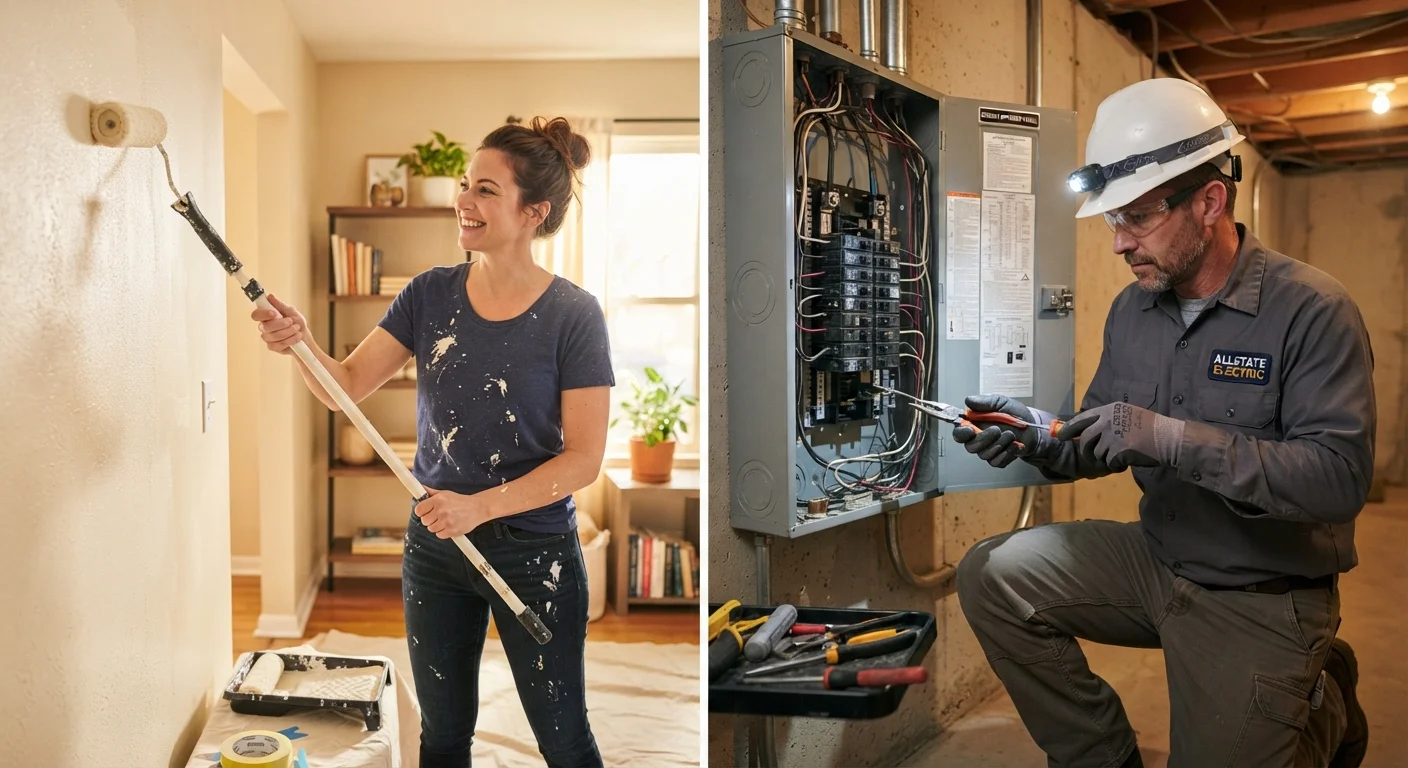
If you're unsure whether a task warrants DIY attention or professional help, our guide on when to DIY and when to call a licensed professional offers a clear framework for making that call.