Why Electrical Warning Signs Deserve Serious Attention
Electrical problems in the home rarely announce themselves dramatically - more often, they show up as minor inconveniences that are easy to rationalize away. A light that flickers occasionally, a breaker that trips once and resets fine, an outlet that feels slightly warm. These small signals matter. According to the U.S. Fire Administration, electrical fires are among the leading causes of residential fires in the country, and many are preventable with earlier intervention.
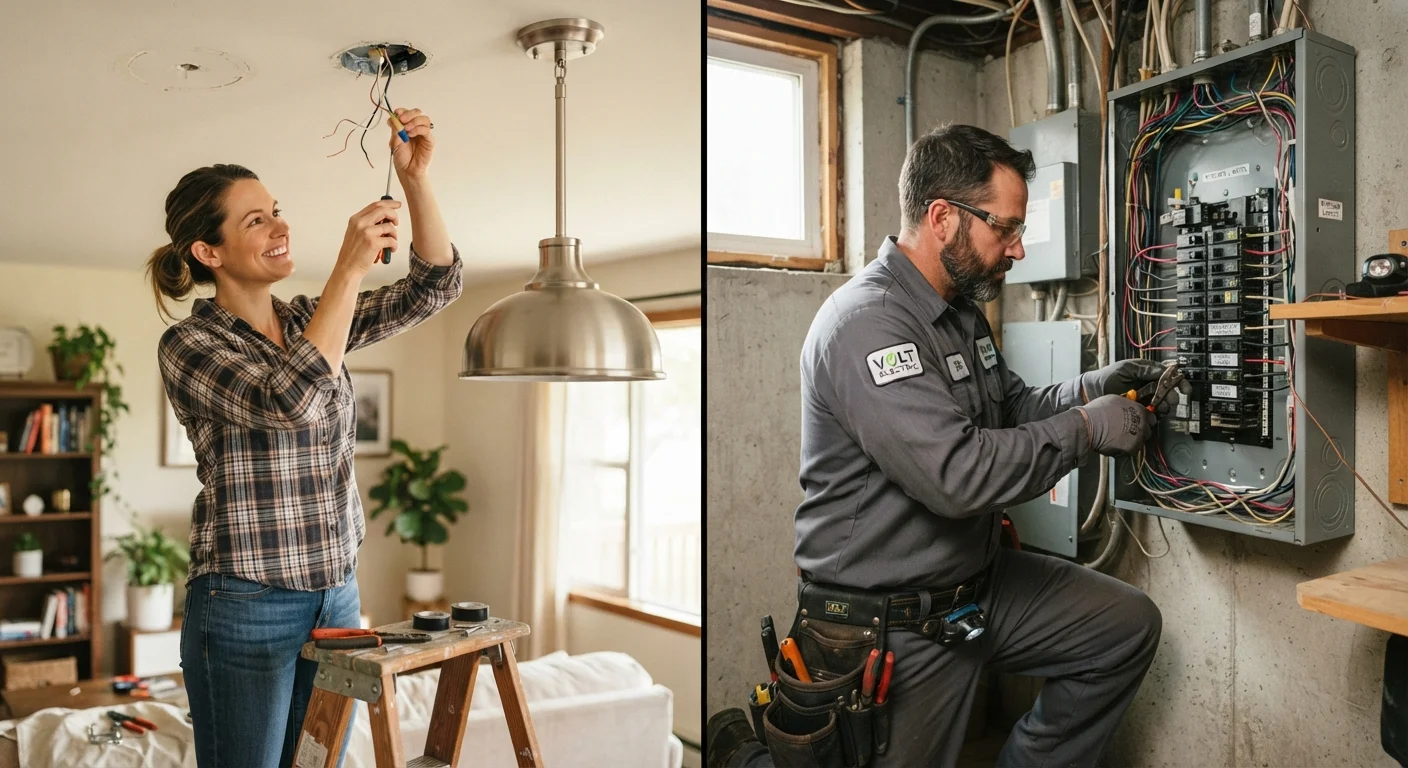
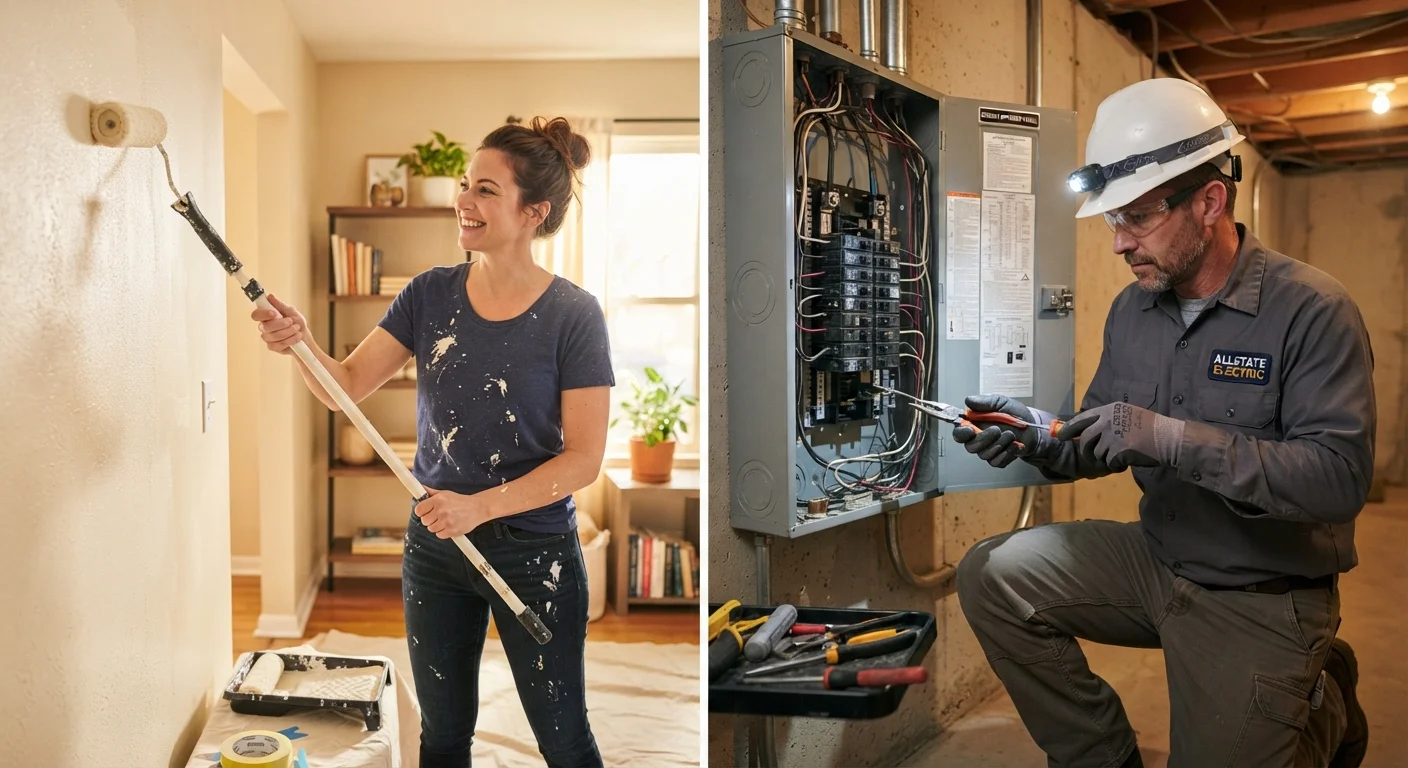
This checklist is designed to help you conduct a methodical walk-through of your home and identify conditions that genuinely warrant a call to a licensed electrician. It is not a guide to diagnosing or repairing electrical faults yourself. Understanding which home maintenance tasks require a licensed professional is an important part of responsible homeownership - electrical work sits firmly in the professional column for anything beyond the most basic tasks.
Electrical Work Typically Requires Permits
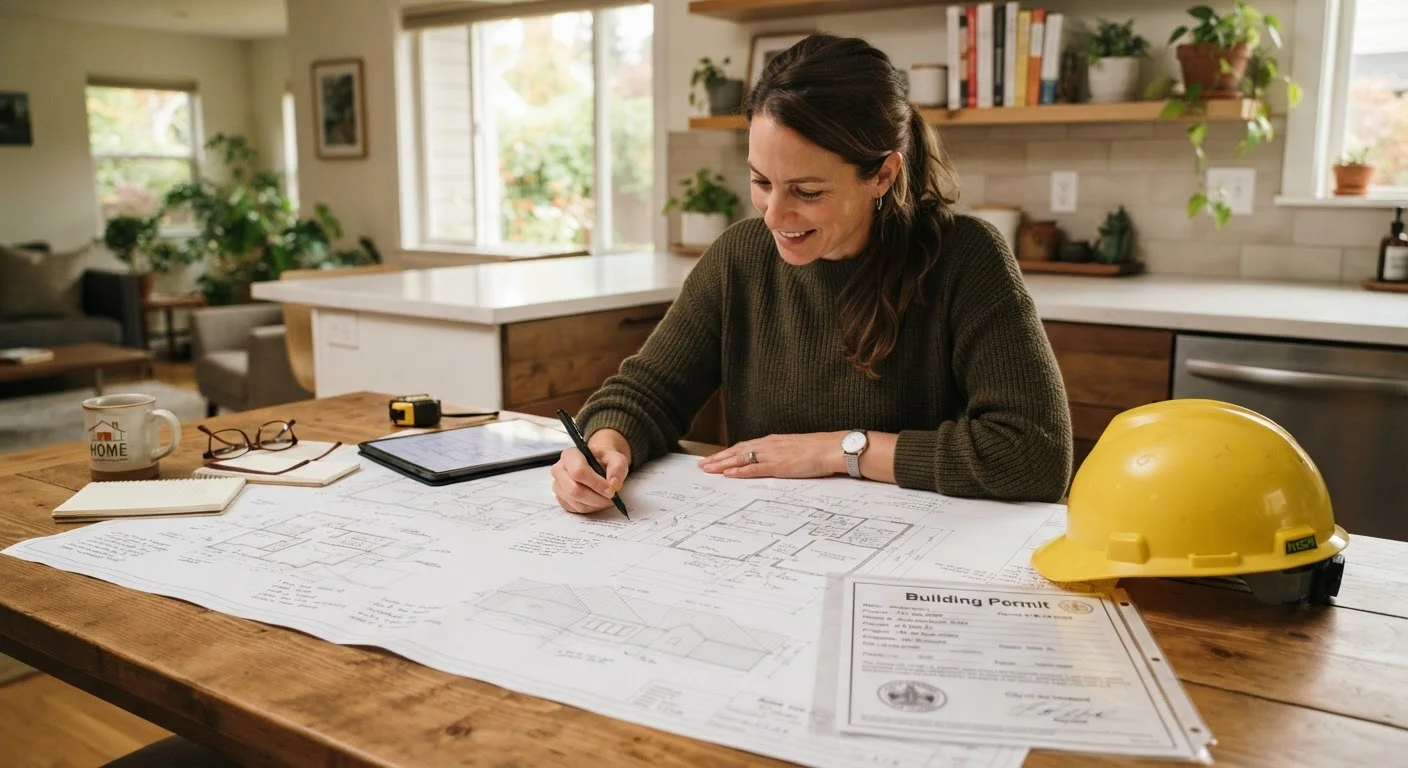
In most U.S. jurisdictions, significant electrical repairs, panel replacements, and new circuit installations require a permit and must be performed by a licensed electrician. Work done without permits can create insurance and resale complications. Always verify local requirements before any electrical project begins - see our guide on permits, inspections, and codes for an overview.
What to Gather Before You Begin
You don't need specialized tools to complete most of this checklist, but a few basics will make your walk-through safer and more productive. Gather what you need before starting, and keep written notes on exactly where and when you observe anything unusual - specific details help an electrician diagnose problems faster.
Non-contact voltage tester
Allows you to confirm whether an outlet or wire is live without touching it directly - a basic safety check tool.
GFCI outlet tester
Plugs into outlets to verify proper grounding and GFCI function without any electrical knowledge required.
Flashlight or headlamp
Needed to safely examine the inside of your breaker panel and dark utility spaces without relying on the circuits you're checking.
Notepad or notes app
Record specific problem locations, sounds, and observations to share accurately with a licensed electrician.
Work through each area of your home systematically: start at the main panel, then move room by room, testing outlets and switches as you go. Pay extra attention to older areas of the home, utility rooms, garages, and any spaces that have been through water damage or renovation.
The Inspection Checklist
Use the groups below to work through your home. Mark anything you observe, and don't minimize findings that seem small - patterns matter. Multiple minor issues occurring together often point to a deeper underlying problem.
Visible and Sensory Warning Signs
Circuit Breaker and Panel Issues
Outlets and Switches
Whole-Home and Age-Related Factors
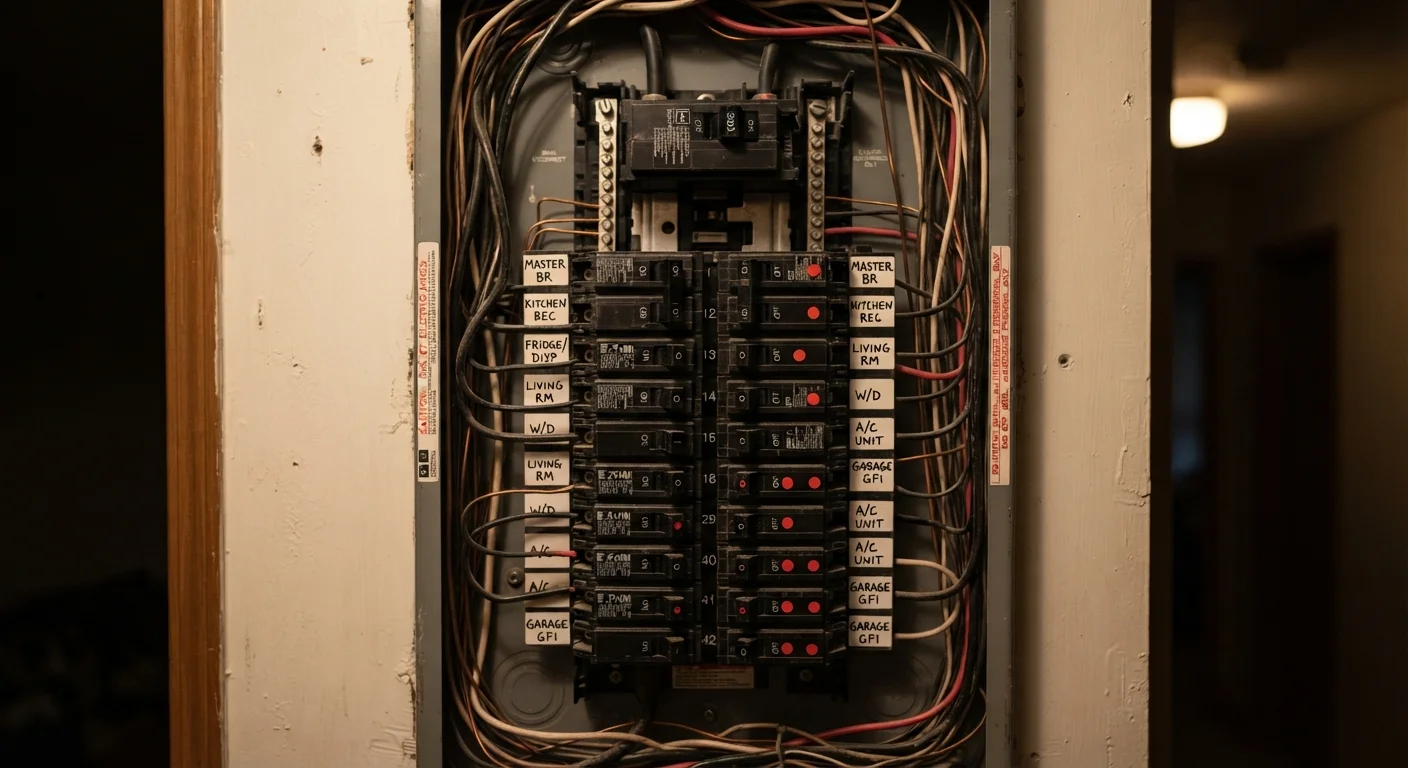
Do Not Open or Touch the Breaker Panel Internals
While it's safe to flip breakers on and off, opening the panel cover to inspect wiring inside is dangerous for anyone who is not a licensed electrician. Live bus bars inside the panel remain energized even when the main breaker is off. Leave internal panel inspection to a qualified professional.
Some Warning Signs Require Immediate Action
If you smell burning, see sparks from an outlet, or notice visible charring, stop using the affected circuit immediately and call a licensed electrician - or your utility company if you suspect an issue at the meter or service entrance. Do not attempt to diagnose or repair live electrical faults yourself.
What to Do With Your Results
If you checked off even one item in the "must" category, schedule an inspection with a licensed electrician. Don't wait to see whether the symptom worsens. If you found several items across multiple categories - especially in an older home - treat that as a stronger signal that your electrical system needs a professional assessment sooner rather than later.
When contacting an electrician, share your notes: which outlets, which rooms, how frequently issues occur, and any sounds or smells you noticed. This information shortens diagnostic time and helps ensure nothing is overlooked. For a broader framework on knowing when to call a licensed professional, that distinction applies just as clearly to electrical systems as to any other home system.
This article is for general informational and educational purposes only. It is not a substitute for advice from a licensed electrician. Always consult a qualified professional before making decisions about your home's electrical system. Verify permit and code requirements with your local authority having jurisdiction.