Why the DIY vs. Pro Distinction Matters
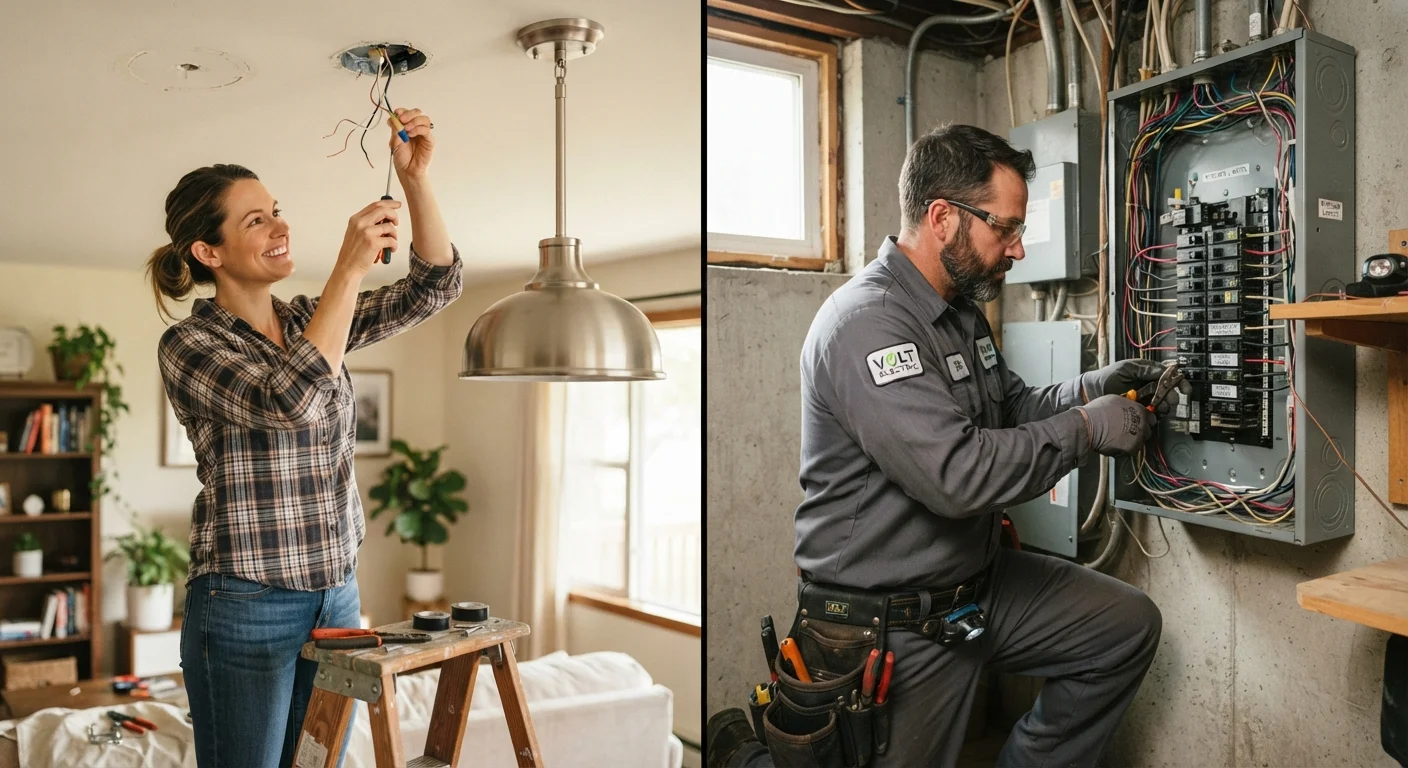
Every homeowner faces the same question when something goes wrong: can I handle this myself, or do I need to call someone? The answer depends on three factors - safety risk, permit requirements, and the consequences of getting it wrong.
In most U.S. states and municipalities, certain types of work legally require a licensed contractor and an approved permit. Doing that work yourself - or hiring an unlicensed person - can void your homeowner's insurance, trigger fines, or complicate a future home sale. It's not just about ability; it's about compliance.
For a broader look at how routine upkeep fits into a homeowner's calendar, see the seasonal home maintenance calendar that breaks tasks down month by month.
| Task Type | DIY-Friendly | Requires Licensed Pro | |
|---|---|---|---|
| Painting interior walls | Yes | No | |
| Electrical panel work | No | Yes - permit required | |
| Replacing a faucet | Yes | No | |
| Gas line repair | No | Yes - licensed gas fitter | |
| Patching drywall | Yes | No | |
| Load-bearing wall removal | No | Yes - structural permit needed | |
| Replacing toilet flapper | Yes | No | |
| Full roof replacement | No | Yes in most jurisdictions | |
| Weatherstripping doors | Yes | No | |
| HVAC installation | No | Yes - certification required |
Tasks Most Homeowners Can Safely DIY
The following tasks are generally low-risk, require no permit in most jurisdictions, and can be completed by a homeowner with basic tools and careful preparation:
- Painting interior walls and trim - no structural or safety risk involved.
- Caulking around tubs, sinks, and windows - a straightforward waterproofing task.
- Replacing faucets or showerheads - involves shutting off water supply, not modifying supply lines behind the wall.
- Patching drywall - small holes and cosmetic damage are well within DIY range.
- Replacing light fixtures or ceiling fans - acceptable in most areas when power is turned off at the breaker, though comfort with basic wiring is needed.
- Unclogging drains - using a drain snake or plunger carries minimal risk.
- Replacing toilet flappers or fill valves - low-risk plumbing that doesn't touch supply lines inside walls.
- Weatherstripping doors and windows - a simple efficiency upgrade with no permit required.
These tasks reward a capable homeowner with real savings. That said, even routine maintenance can quietly escalate. The commonly forgotten maintenance tasks article covers how small oversights compound over time.
Start With a Simple Home Audit
Before diving into any project, walk through your home and categorize deferred maintenance items by type - cosmetic, plumbing, electrical, or structural. This prevents small tasks from getting lumped in with jobs that actually need professional oversight. A clear list also makes it easier to prioritize and get accurate quotes when pros are needed.
Jobs That Legally or Safely Require a Licensed Professional
Certain work falls outside what a homeowner should attempt - not because of skill, but because of the legal framework and safety stakes involved.
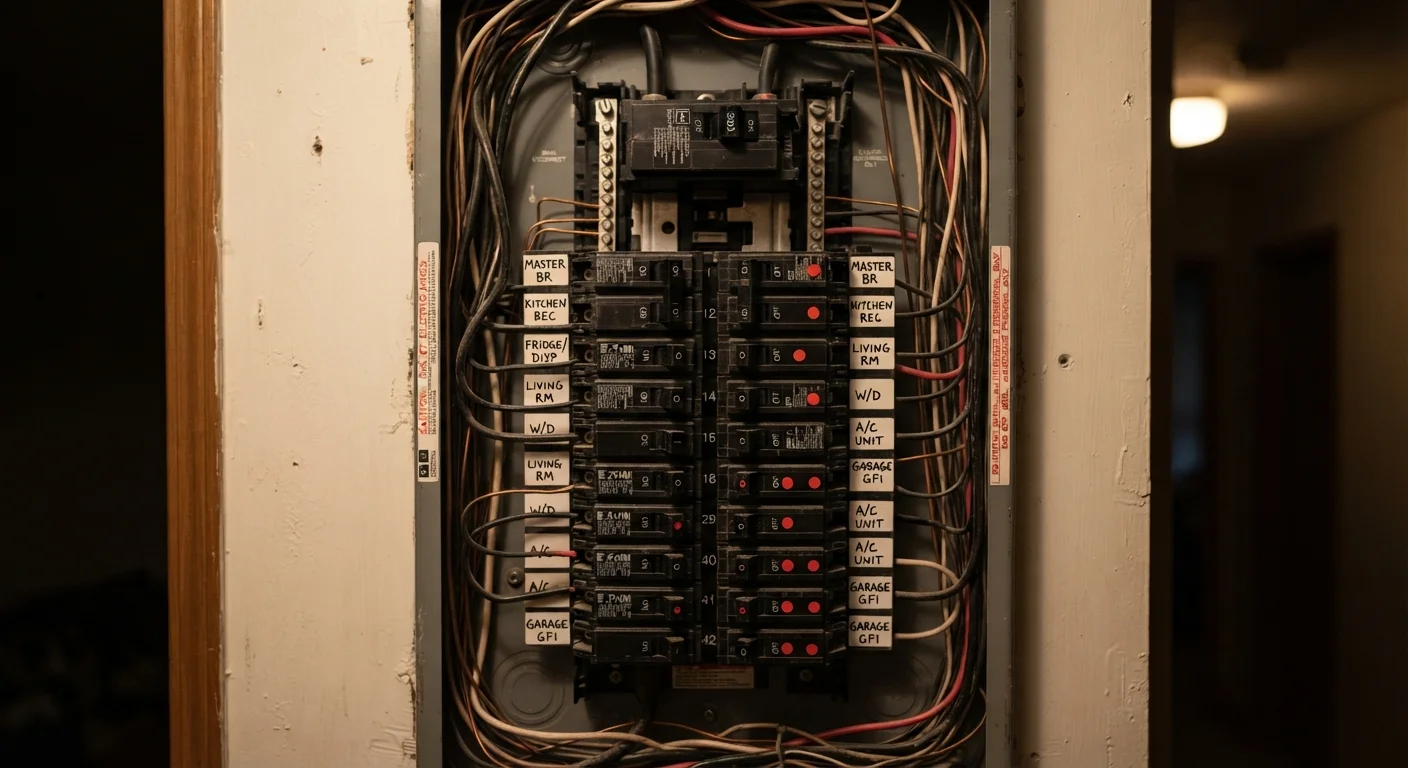
- Main electrical panel upgrades or repairs - working inside a panel carries serious electrocution risk and requires a licensed electrician with a permit in virtually every U.S. jurisdiction. If you're unsure whether your system needs professional attention, review the signs your electrical system needs a professional inspection.
- Gas line installation or repair - any work on natural gas or propane lines must be performed by a licensed plumber or gas fitter. Errors can cause leaks, fires, or carbon monoxide exposure.
- Structural changes - removing or altering load-bearing walls, adding rooms, or modifying the roofline requires engineering review and permits. See key renovation vocabulary if terms like "load-bearing" are unfamiliar.
- Roof replacement - a full tear-off and re-deck typically requires a permit and licensed contractor in most states.
- HVAC installation - new systems require refrigerant handling certification and are permit-required almost universally.
- Plumbing rough-in work - rerouting supply or drain lines inside walls needs a licensed plumber and inspection in most jurisdictions.
Unpermitted Work Has Real Consequences
Work completed without the required permit can create significant problems at resale - buyers' inspectors will flag unpermitted additions or alterations, and lenders may refuse to finance the purchase. Homeowner's insurance may also deny claims tied to unpermitted work. Always verify permit requirements with your local building authority before starting any significant project.
Making the Call on Gray-Area Tasks
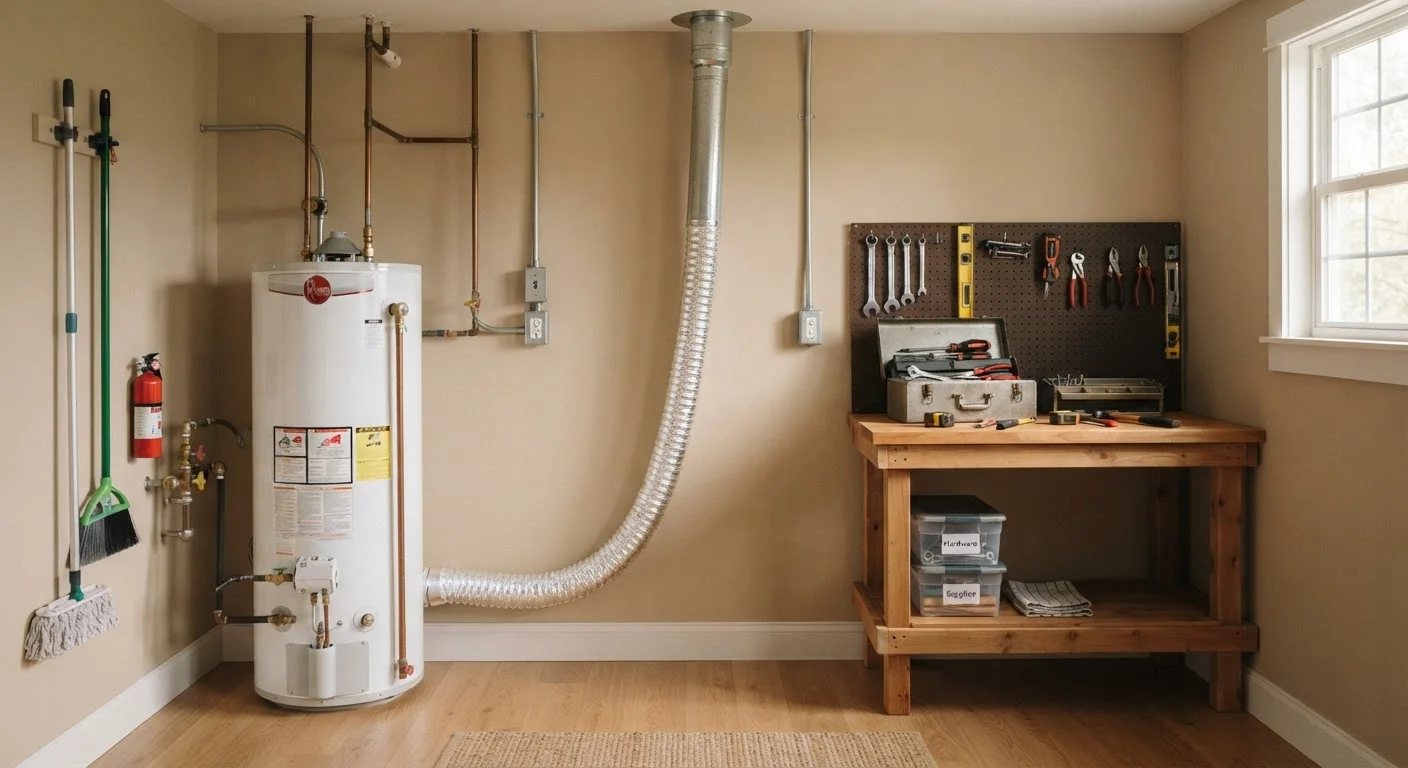
Some tasks sit in the middle - more complex than simple maintenance, but not always permit-required. Installing a new light circuit, replacing a water heater, or adding a bathroom outlet can fall into this zone depending on your local codes.
Before starting any project you're unsure about, take these steps:
- Check your local building department's website - most municipalities list what requires a permit.
- Call 811 before any digging - this free national service marks underground utility lines to prevent accidental damage.
- Get a professional assessment - many licensed contractors offer a brief consultation, which is often far less costly than correcting unpermitted work later.
It's also worth understanding common misconceptions. The DIY myths that lead to costly fixes article addresses assumptions - like painting over mold - that can backfire seriously. And if you want a clear decision framework, the guide on when to DIY vs. call a professional offers a structured approach to making that judgment call confidently.