
The Real Differences Start Before You Leave Home
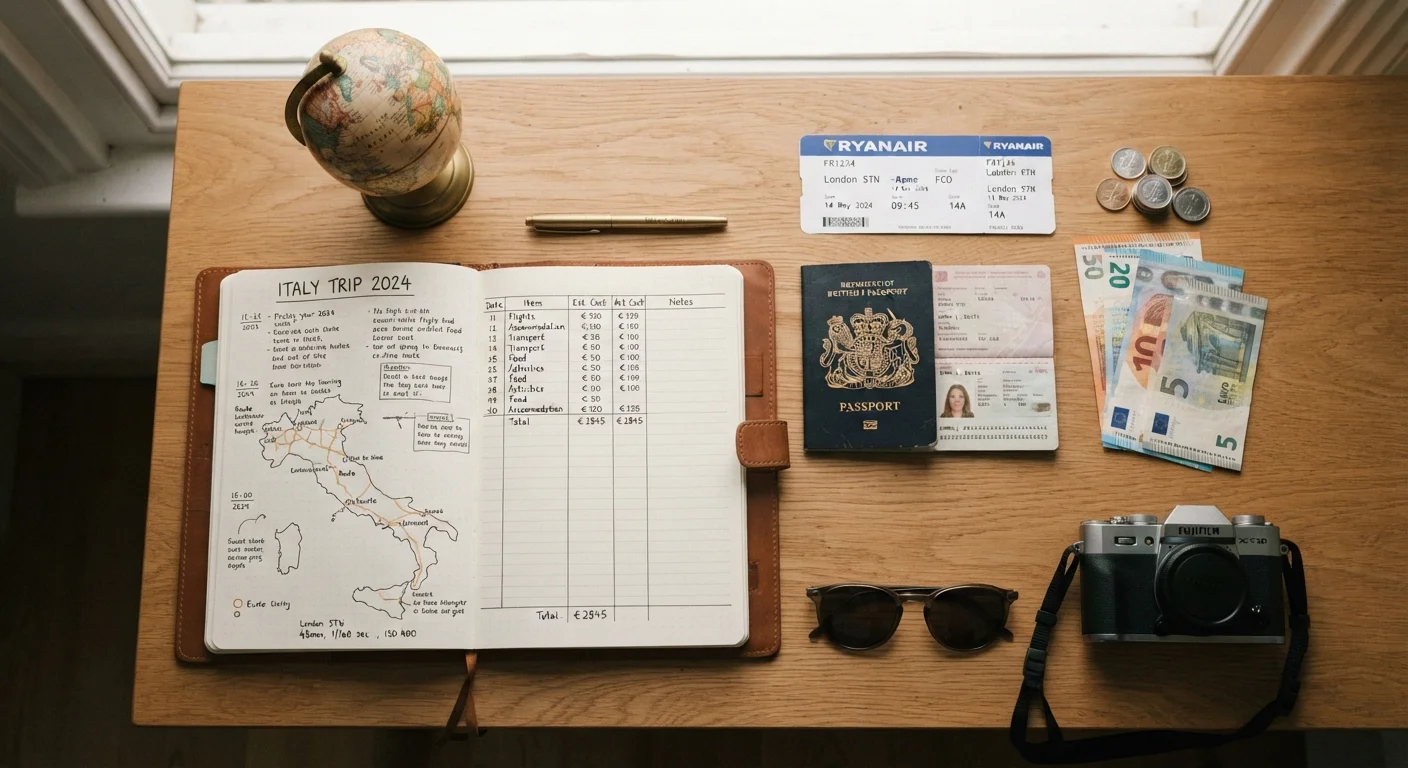
Choosing to travel alone or with others sets off a chain reaction that touches nearly every aspect of your trip - well before the first bag is packed. Planning a solo trip means every decision is yours to make and yours alone: where you stay, how long you linger, when you pivot. That's liberating, but it also means there's no one to share the research load or catch mistakes you might miss.
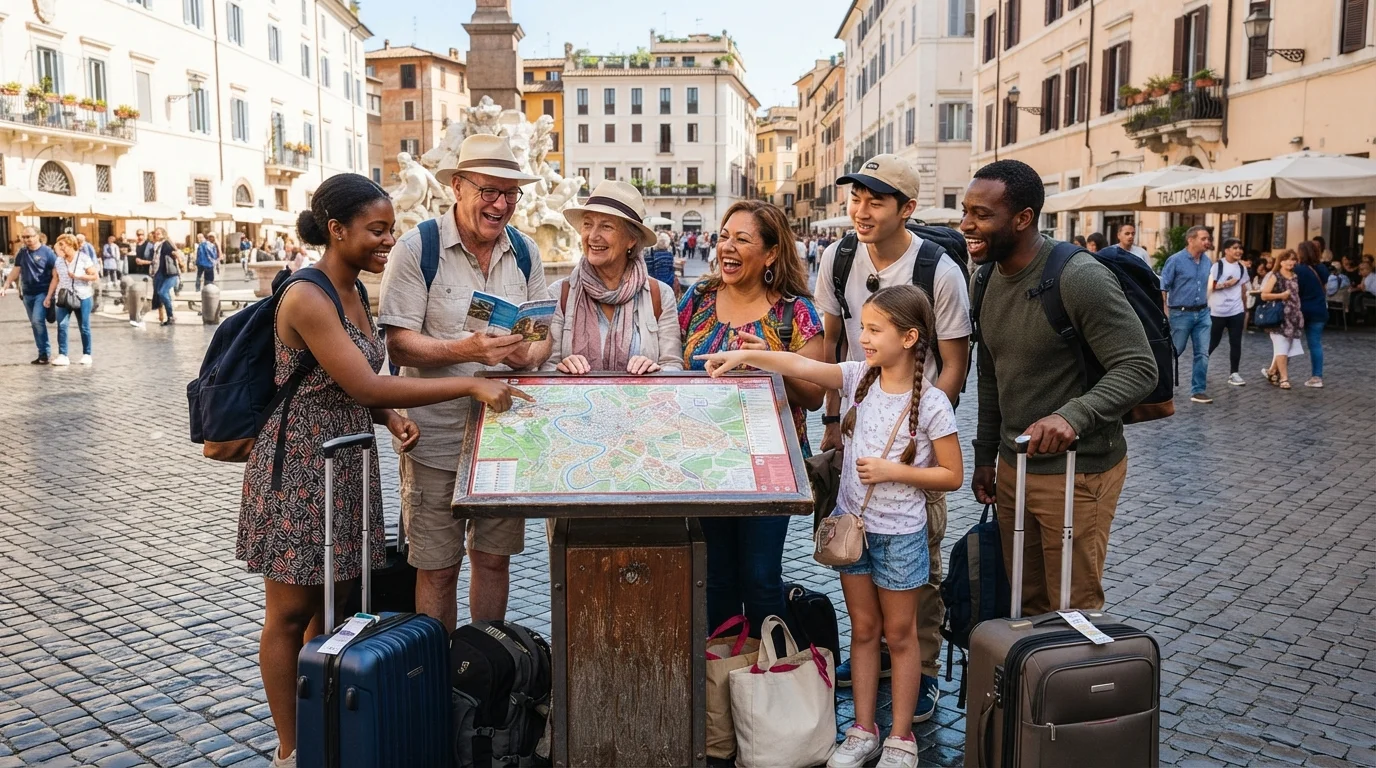
Group planning introduces a different kind of complexity. Aligning schedules, agreeing on a destination, and accounting for varying budgets all require coordination that takes time and occasional compromise. If you're heading out with family members of different ages or interests, the logistics get layered quickly - something explored in depth in planning a trip with a mixed group.
The upside of group planning is shared research: more people checking visa requirements, reading reviews, and catching logistical gaps. The downside is that consensus can be slow, and the final itinerary often reflects compromise rather than anyone's ideal trip.
Cost: Where Solo and Group Diverge Most Sharply
The common assumption is that group travel is cheaper. That's partially true - and partially misleading. Shared hotel rooms, split car rentals, and group dining can meaningfully reduce per-person costs. But those savings depend heavily on how many people are splitting and whether the group actually agrees on the same price tier.
Solo travelers pay a well-documented premium. Single-occupancy hotel rates often run 60-80% of a double-room rate, meaning you pay nearly full price for a room designed for two. There's no one to split a taxi with, no partner to share a vacation rental. These costs add up across a two-week trip.
~75%
Solo traveler single-room premium
Single-occupancy hotel rates commonly run around 75% of a double-room rate, meaning solo travelers pay nearly as much as a pair sharing the same room.
25%
American adults who traveled solo in past year
Survey data from the U.S. Travel Association has consistently shown a notable share of American adults taking at least one solo trip annually in recent years.
That said, solo travelers have flexibility that groups don't: you can take a last-minute deal, downgrade to a hostel without argument, or skip a paid activity without friction. Understanding where your money actually goes - across flights, lodging, food, and hidden fees - is worth working through before committing to either format. The anatomy of a travel budget is a useful framework regardless of your headcount.
Flexibility, Safety, and the Social Equation
Solo travel's biggest functional advantage is agility. You can change plans the morning of, spend three hours in a museum without anyone waiting outside, or skip a city entirely if the vibe doesn't click. For destination-flexible travelers, this openness can lead to some of the most memorable trip experiences.
Safety, however, is a real and legitimate consideration - particularly for solo travelers in unfamiliar destinations and especially for those traveling internationally for the first time. Solo travelers have no built-in backup if something goes wrong: a missed connection, a medical issue, or navigating an unfamiliar area at night. This doesn't mean solo travel is inherently unsafe, but it does mean preparation matters more. For international trips, the dynamics of solo versus group international travel deserve a closer look before booking.
Build a Safety Check-In Habit for Solo Trips
Even on low-risk solo trips, it pays to designate someone at home as your check-in contact - someone who knows your rough itinerary and expects to hear from you at set intervals. Share accommodation details and copies of key documents before you leave. It's a small habit that provides meaningful peace of mind without restricting your freedom on the road.
Group travel distributes risk in practical ways: someone can stay with bags while another handles check-in, someone else speaks the local language better, and decisions that feel risky alone can feel manageable with company. The social dimension also matters for trip satisfaction - some people return from solo trips energized and proud; others return lonely. Knowing which describes you is worth honest reflection before you book.
| Solo Travel | Group Travel | |
|---|---|---|
| Day-to-day flexibility | Complete autonomy, change plans anytime | Requires group consensus; slower pivots |
| Cost per person | Higher - no one to split fixed costs | Lower when costs are shared evenly |
| Safety net | Self-reliant; preparation is critical | Built-in support from companions |
| Social experience | Dependent on meeting people along the way | Built-in companionship; less solitude |
| Planning complexity | Simpler - one set of needs | Higher - aligning schedules and budgets |
| Spontaneity | Very high; easy to seize opportunities | Limited by group agreement |
| Ideal trip length | Any; shorter trips especially accessible | Works well for structured longer trips |
Choosing the Format That Fits the Trip
Neither solo nor group travel is the right default. The format that works best tends to be shaped by three things: the destination, the length of the trip, and your own travel personality.
Destinations with strong independent infrastructure - reliable public transit, well-marked trails, widely spoken English - tend to suit solo travelers well. Destinations where language barriers, safety considerations, or remote logistics are more pronounced can shift the calculus toward group travel or at least a guided component.
Trip length matters too. A four-day solo city break and a three-week solo journey through rural areas are very different undertakings. For longer trips, many travelers find a hybrid approach works well: a stretch of solo days bookended by time with friends or family, or joining a group tour for a specific leg of a longer independent journey.
If you're working through how to keep spending in check once you're actually on the road - regardless of whether you're traveling alone or with others - keeping a trip on budget once you've left home offers practical approaches for both formats.
This article provides general travel planning information. Verify all entry requirements, safety conditions, and travel advisories with official government sources before your trip.