What Determines How Long a Battery Lasts
A car battery's lifespan isn't fixed - it's shaped by a combination of chemistry, environment, and how the vehicle is used. The most significant factor is temperature. High heat accelerates the chemical reactions inside the battery, speeding up internal corrosion and causing electrolyte fluid to evaporate. Drivers in consistently hot climates may see batteries wear out closer to the three-year mark. Cold temperatures don't degrade the battery as quickly, but they do reduce the power it can deliver on demand, making an already-weakened battery much more likely to fail on a frigid morning.
Driving habits matter just as much. Short trips - under 20 minutes - don't give the alternator enough time to fully recharge the battery after starting the engine. Drivers who primarily make quick local runs gradually run down battery capacity over many months. Conversely, highway-heavy drivers who log longer trips tend to keep batteries better maintained through consistent recharging.
Electrical load is another consideration. Vehicles with multiple powered accessories - heated seats, large infotainment systems, dashcams running while parked - place higher demand on the battery and charging system. This is worth keeping in mind as part of broader vehicle ownership cost management.
Mark Your Battery's Install Date
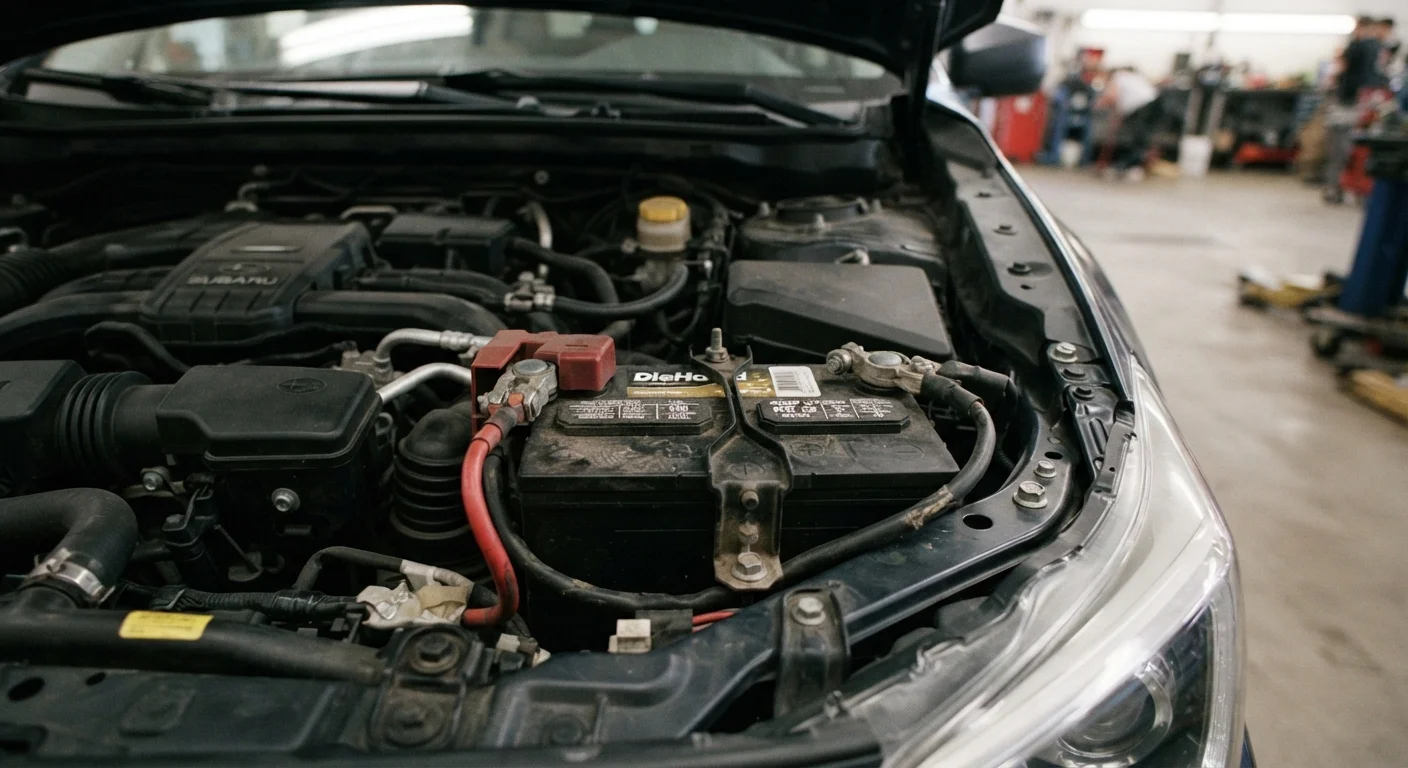
When a new battery is installed, write the month and year on it with a permanent marker or use the sticker that often comes with replacement batteries. This simple step makes it easy to track age at a glance during routine inspections, so you're never guessing when it's time for a test.
Recognizing the Signs of Battery Decline
Batteries rarely fail without warning - the signs simply tend to be gradual enough that drivers dismiss them until the car won't start. Knowing what to watch for gives you the advantage of acting before a breakdown occurs.
- Slow cranking: If the engine turns over more slowly than usual - especially on the first start of the day - that's a classic indicator of reduced battery capacity.
- Dimming lights: Headlights or interior lights that appear noticeably dimmer at idle but brighten when you rev the engine suggest the battery isn't holding adequate charge.
- Warning light: A battery-shaped dashboard warning light signals that the charging system - which includes the battery, alternator, and connections - needs inspection.
- Frequent jump-starts: Needing a jump-start once can be circumstantial. Needing one repeatedly is a clear signal the battery should be tested and likely replaced.
- Swollen or leaking case: Physical deformation or visible corrosion on terminals indicates the battery has been subjected to excessive heat or overcharging and should be inspected by a mechanic.
These symptoms often become more pronounced in seasonal extremes, which is why battery checks are a standard part of seasonal vehicle preparation.
Battery Warning Light vs. Alternator Problems
The battery warning light on your dashboard doesn't always mean the battery itself is faulty. It indicates a problem somewhere in the charging circuit, which includes the alternator, voltage regulator, and wiring. A mechanic can determine whether the battery, the alternator, or another component is the source of the issue - don't assume a jump-start or new battery will resolve the underlying cause without a proper diagnosis.
How Car Batteries Are Tested
There are two practical ways to assess battery health, and they measure different things.
Voltage Test (Resting Voltage)
A multimeter placed across the battery terminals with the engine off gives a voltage reading. A fully charged 12-volt battery should read approximately 12.6 volts. A reading below 12.4 volts suggests partial discharge; below 12.0 volts indicates significant depletion. This test is easy to do at home but doesn't reveal how the battery performs under load - which is when most failures actually happen.
Load Test
A load test draws a controlled current from the battery - simulating engine cranking - while measuring how well voltage holds up. This is the more meaningful test for real-world reliability. Many auto parts retailers and service shops offer load testing at no charge. A battery that shows adequate resting voltage can still fail a load test, which is why this method is the standard used by professional technicians.
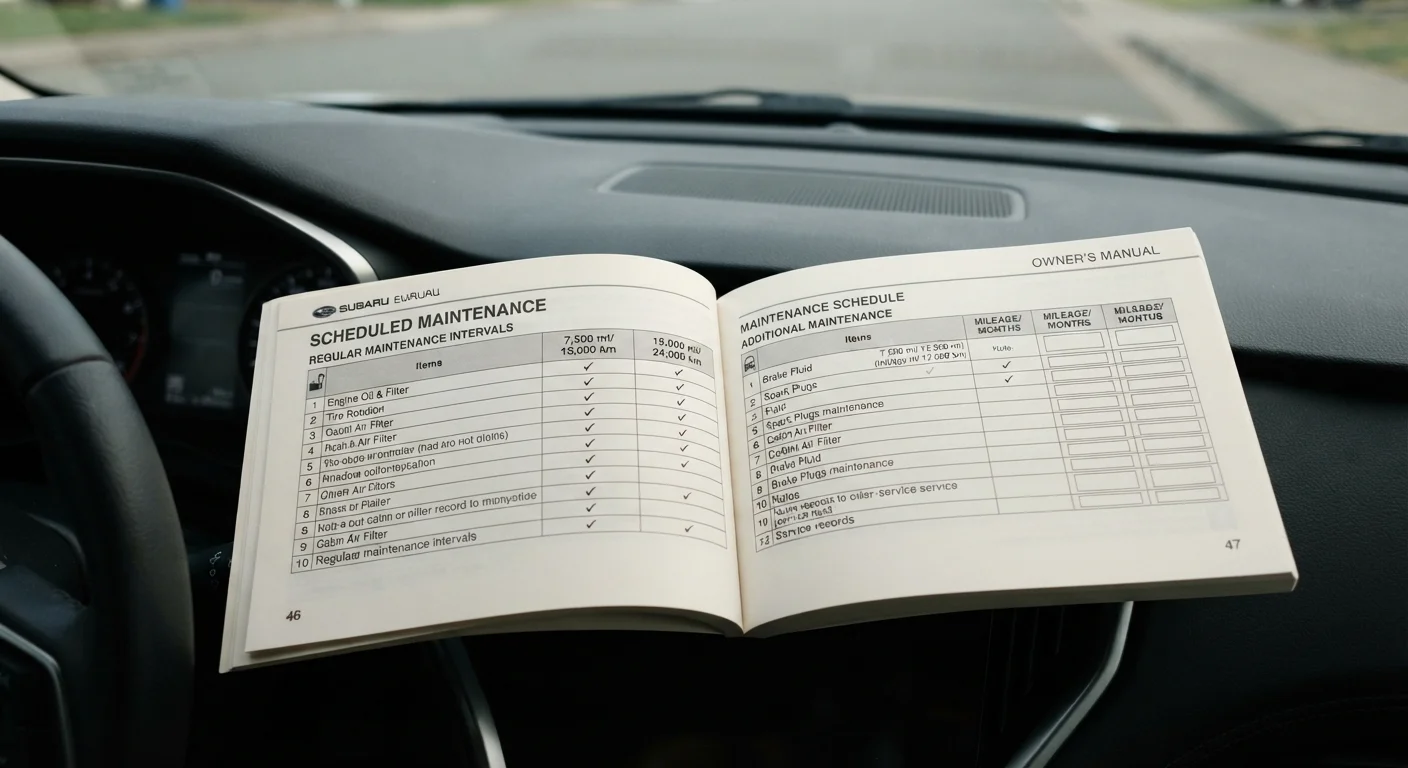
Battery testing is a straightforward item to include in your regular service routine. Your owner's manual is the most accurate guide to service intervals for your specific vehicle - see our overview of the maintenance sections most drivers overlook for context on how to use that resource effectively.
3-5 years
Typical car battery lifespan
Industry guidance from AAA and vehicle manufacturers consistently places conventional lead-acid battery life in this range under normal US driving conditions.
12.6 V
Resting voltage of a fully charged battery
A reading below 12.4 volts at rest indicates partial discharge; below 12.0 volts signals significant depletion requiring immediate attention.
~50%
Reduction in cranking power at 0°F
Battery cranking capacity can drop by roughly half in extreme cold, according to automotive engineering data, which is why cold-weather failures are disproportionately common.
Extending Battery Life Through Basic Maintenance
While no battery lasts forever, simple habits can help you get the most out of the one you have. Keeping terminals clean and free of corrosion - the white or bluish buildup sometimes visible around the posts - ensures a solid electrical connection. A loose or corroded terminal creates resistance that makes the battery and charging system work harder.
If a vehicle sits unused for extended periods, a battery maintainer (sometimes called a trickle charger) can keep the charge topped off without overcharging. This is especially useful for seasonal vehicles or cars that spend weeks parked.
Avoiding deep discharges extends battery life. If you regularly drain the battery by leaving lights or accessories on with the engine off, you're cycling it through deep discharge, which shortens the overall number of charge cycles it can handle. Catching these habits early is a straightforward way to reduce unplanned expenses - consistent with the broader principle of following your car's maintenance schedule rather than waiting for problems to appear.
When a battery does reach the end of its service life, used batteries are recyclable. Most retailers that sell batteries will accept old ones for proper disposal - an important environmental consideration, given that lead-acid batteries contain hazardous materials.