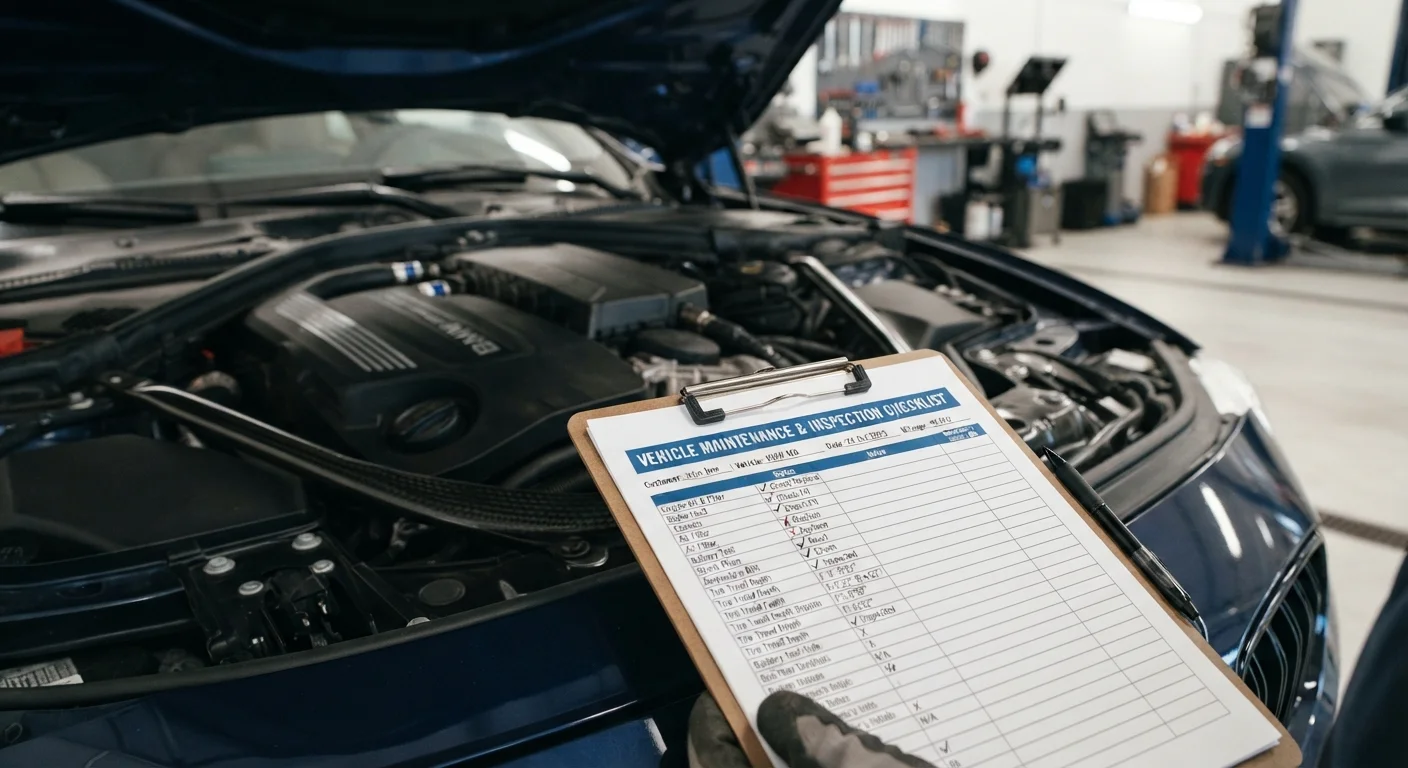

Why Seasonal Maintenance Matters
Your vehicle is engineered to operate within a range of conditions, but extreme temperatures push components toward the edges of that range. Summer heat accelerates rubber degradation, raises fluid operating temperatures, and can trigger overheating. Winter cold thickens lubricants, weakens batteries, and reduces tire air pressure. Ignoring these seasonal stresses is one of the most common reasons drivers end up stranded or face repair bills that could have been avoided.
Seasonal maintenance isn't about doing extra work - it's about doing the right work at the right time. For a broader view of how service intervals fit together, see your car's full maintenance schedule.
~1 PSI
Tire pressure change per 10°F temperature shift
A widely cited engineering rule of thumb used by tire manufacturers and the National Highway Traffic Safety Administration.
~35%
Battery power loss at 32°F vs. 80°F
Battery Council International data indicates cold temperatures significantly reduce a battery's available cranking power.
50/50
Antifreeze-to-water ratio for most climates
A 50/50 mix of ethylene glycol antifreeze and distilled water protects most cooling systems to approximately -34°F.
Getting Your Car Ready for Summer Heat
High ambient temperatures place your cooling system under sustained stress. Before summer arrives, inspect the coolant level and condition - coolant degrades over time and loses its ability to transfer heat efficiently. Check hoses for cracking or softness and the radiator cap for a worn seal. A system that holds pressure properly is far less likely to overheat on a long summer drive.
Tires are equally critical. Tire pressure increases roughly 1 PSI for every 10°F rise in temperature. Overinflated tires reduce the contact patch with the road, affecting handling and increasing blowout risk. Check pressure in the morning before driving - that reading is closest to the manufacturer's recommended cold inflation pressure.
Air conditioning should be tested early. If the system takes noticeably longer to cool the cabin, or produces weak airflow, a refrigerant or component issue may be developing. AC systems that sit idle all winter can develop minor leaks or compressor wear.
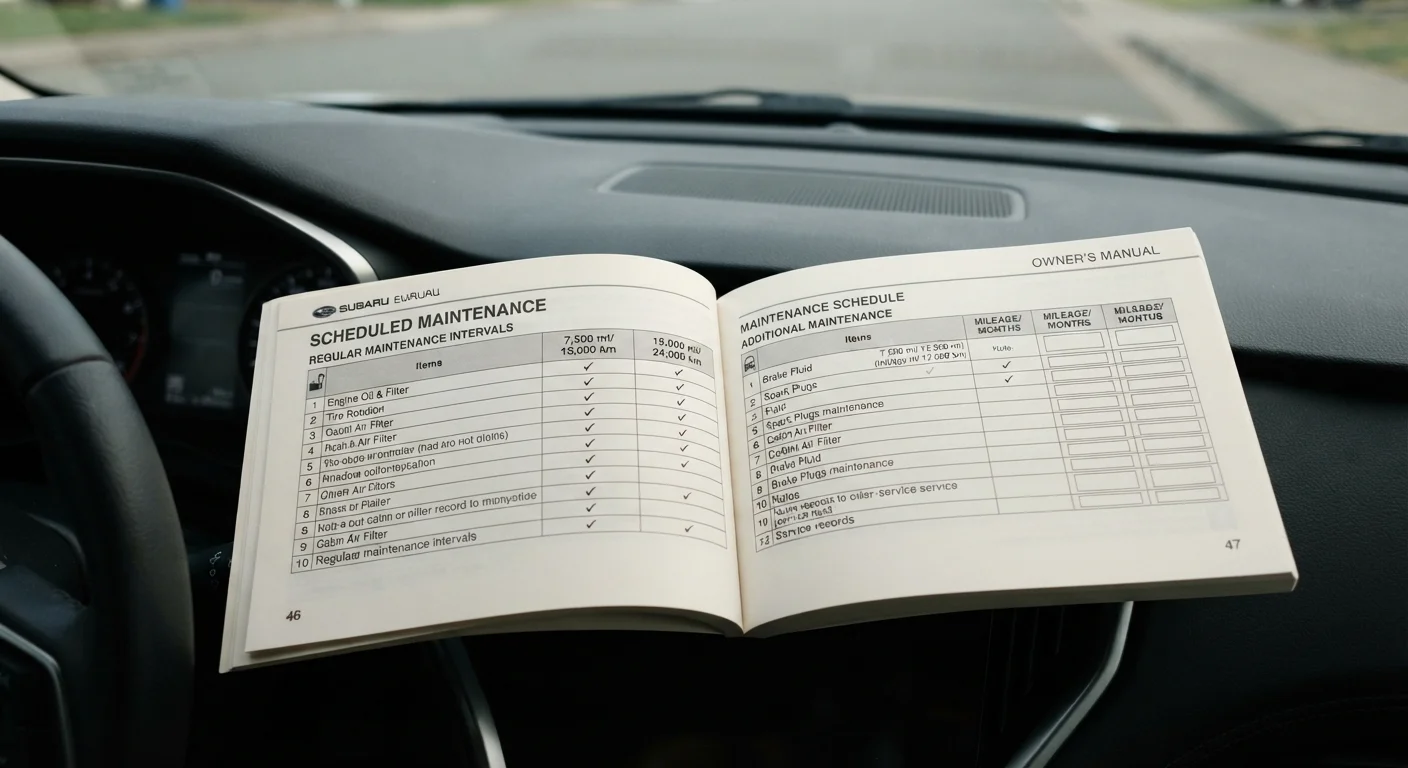
Oil viscosity is worth revisiting. Some multi-grade oils perform adequately across seasons, but drivers in extremely hot climates may find that their owner's manual recommends a higher-viscosity grade for summer. Consult the maintenance sections of your owner's manual - it will specify the grades appropriate for your region's temperatures.
Run your AC for at least 10 minutes once a month, even in winter. This keeps the compressor seals lubricated and helps you catch refrigerant leaks before summer demand reveals them.
Compressor seals dry out during prolonged disuse, leading to small leaks that go unnoticed until the system is needed in peak heat.
Check tire pressure first thing in the morning before you've driven more than a mile - that's the only time you'll get an accurate cold inflation reading to compare against the placard in your door jamb.
Driving even a short distance heats tires and raises pressure, which can mask underinflation and give a falsely acceptable reading.
Preparing Your Vehicle for Winter Cold
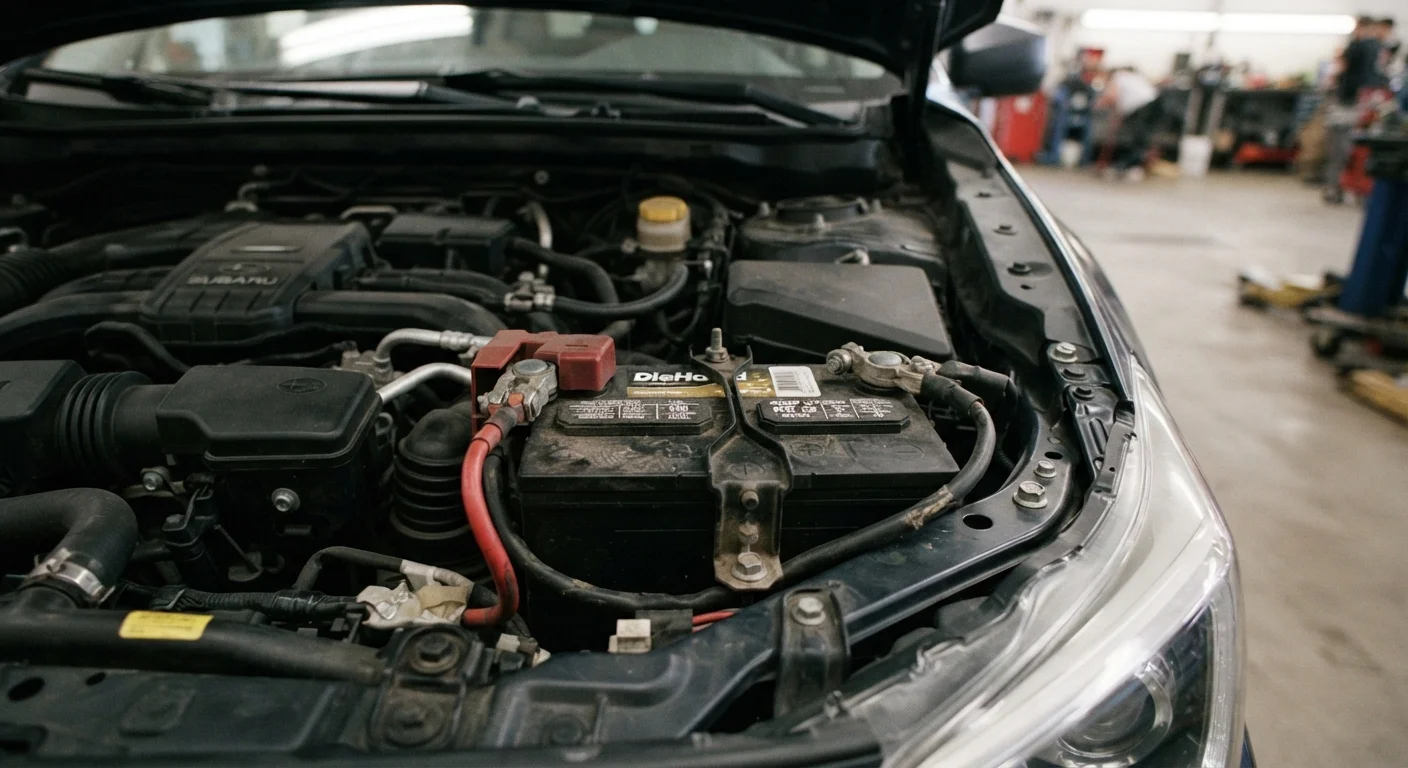
Cold weather is hardest on your battery. Lead-acid batteries lose a significant portion of their cranking power as temperatures drop - a battery that tests at the lower edge of acceptable in autumn may not start your car on a January morning. Have your battery load-tested before winter; most auto parts stores offer this at no charge. For a deeper look at battery health indicators, see understanding your car's battery lifespan and testing.
Engine oil thickens in cold temperatures, meaning it flows more slowly on startup - the moment when most engine wear occurs. Conventional oils with a higher cold-viscosity rating (the "W" number in designations like 5W-30) take longer to circulate. Your owner's manual may recommend a lower-viscosity winter grade; this is worth checking if you live in a region that regularly sees sub-freezing temperatures.
Antifreeze concentration should be verified with an inexpensive tester or by a shop. A 50/50 mix of antifreeze and distilled water protects most vehicles to around -34°F, though different climates may call for different ratios.
Tires lose roughly 1 PSI for every 10°F temperature drop, meaning tires that were correctly inflated in October may be underinflated by December. Underinflated tires increase stopping distances - a serious concern on icy roads. If you drive regularly on snow or ice, a dedicated set of winter tires provides measurably better traction than all-season tires. For guidance on adjusting your driving behavior in winter conditions, see how weather changes safe driving behavior.
Don't Top Off Coolant on a Hot Engine
Opening the coolant reservoir or radiator cap on a hot engine releases pressurized steam and scalding fluid. Always allow the engine to cool completely before inspecting or adding coolant. If your temperature gauge is climbing or you see steam from under the hood, pull over safely and wait - do not open the hood immediately.
Year-Round Systems That Need Seasonal Attention
Some vehicle systems need inspection at every seasonal transition rather than just once a year. Brake fluid is hygroscopic - it absorbs moisture over time, which lowers its boiling point and can cause brake fade under heavy use. Checking all fluids between service visits is a straightforward habit that pays off in reliability.
Wiper blades take a beating from summer UV exposure and winter ice scraping. Streaking or skipping during rain is a clear signal they need replacement. Winter-specific blades with rubber boot covers prevent ice accumulation in the blade arm.
Lights matter more in winter when days are shorter and visibility is reduced. Check that all exterior lights - headlights, tail lights, brake lights, and turn signals - are functioning. Headlight lenses that have yellowed or fogged over reduce output substantially and can often be restored with a polishing kit.
Drivers with higher-mileage vehicles should note that seasonal transitions are a natural opportunity to review additional checks. High-mileage cars have specific maintenance needs that become more important as components age.
Winter Blends at the Gas Pump
Fuel refiners typically reformulate gasoline for winter, adjusting the blend to improve cold-weather starting and reduce vapor lock. This happens automatically at the pump in most US regions and doesn't require any action from drivers. It's worth knowing because winter fuel has a slightly lower energy density, which can produce a modest, temporary dip in fuel economy.
When to DIY and When to Call a Mechanic
Checking tire pressure, topping off washer fluid, and inspecting wiper blades are tasks most drivers can handle without tools or specialized knowledge. Verifying battery voltage with a multimeter or testing coolant concentration with an inexpensive tester is within reach for anyone willing to spend 15 minutes in the driveway.
However, tasks involving pressurized systems - the AC refrigerant circuit, the cooling system under pressure, or brake hydraulics - carry real risk of injury or component damage if performed incorrectly. Recharging an AC system improperly can result in overcharging, which damages the compressor. Brake fluid replacement involves bleeding the system, which requires attention to avoid introducing air. These are jobs best handled by a qualified mechanic unless you have verified training and the correct equipment.
When in doubt, visit the driving safety hub for practical guidance, and always defer to a licensed technician for any task that involves safety-critical systems or work you're uncertain about.
This article is for general informational purposes only. Always consult a qualified mechanic for diagnosis, repair decisions, or any maintenance work involving safety-critical vehicle systems.