The Visibility Gap: What Darkness Actually Does to Drivers
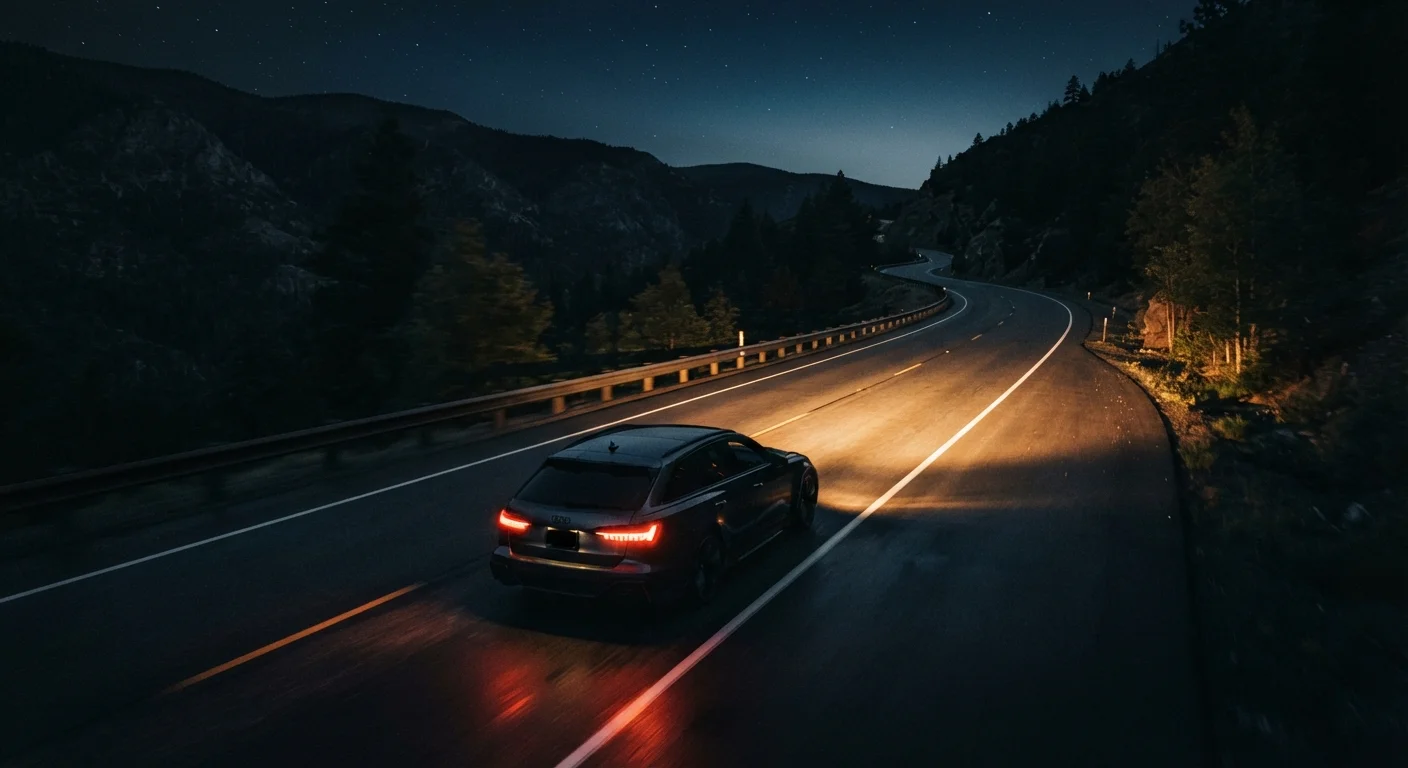
Most drivers understand intellectually that night is darker than day. Fewer appreciate just how dramatically that darkness degrades what the eye can detect and process. In full daylight, a driver can see hazards hundreds of feet ahead and pick up peripheral movement easily. At night, the usable field of vision collapses to whatever the headlights can reach - typically 160 to 250 feet on low beams.
That distance sounds adequate until you do the math. At 60 mph, a vehicle travels about 88 feet per second. At low-beam range, a driver has roughly two seconds to spot a hazard, decide to brake, and stop - before accounting for actual stopping distance. The result is a phenomenon safety researchers call overdriving your headlights: traveling faster than your ability to stop within the illuminated area ahead.
Depth perception also suffers at night. The visual cues the brain uses to judge distance - contrast, color, shadow - are all weakened in low-light conditions. A pedestrian in dark clothing crossing a street may be nearly invisible until dangerously close.
~50%
Of fatal crashes occur at night
The NHTSA estimates that roughly half of all traffic fatalities occur in the dark despite nighttime accounting for a fraction of total vehicle miles traveled.
160-250 ft
Typical low-beam headlight range
Standard low-beam headlights illuminate the road ahead to approximately 160-250 feet - often less than a driver's full stopping distance at highway speeds.
3x
Higher pedestrian fatality risk at night
According to NHTSA data, pedestrians are roughly three times more likely to be killed in traffic crashes at night than during daylight hours.
Glare, Fatigue, and the Biology Behind the Risk
Two additional forces compound the visibility problem: glare and fatigue, both of which have real physiological explanations.
Oncoming headlights - especially modern high-intensity LEDs - can temporarily overwhelm the rod cells in your retina that handle low-light vision. Recovery takes several seconds, during which a driver may be operating in a partially blinded state. This effect worsens with age, as the eye's lens becomes less transparent and scatters incoming light more broadly.
Fatigue is equally consequential. Human alertness follows a circadian rhythm, with pronounced dips between midnight and 6 a.m. During those hours, reaction time slows, attention narrows, and microsleeps - involuntary lapses of one to four seconds - become possible even without the driver feeling particularly tired. At highway speeds, even a two-second microsleep covers the length of nearly two basketball courts.
Practical Ways to Reduce Night Driving Fatigue
If you must drive during high-fatigue hours, keep the cabin cool and take a 15-20 minute break every two hours. Share driving duties with a passenger if possible. Recognizing the early signs of fatigue - heavy eyelids, drifting within the lane, missing exits - and stopping promptly is far safer than pushing through.
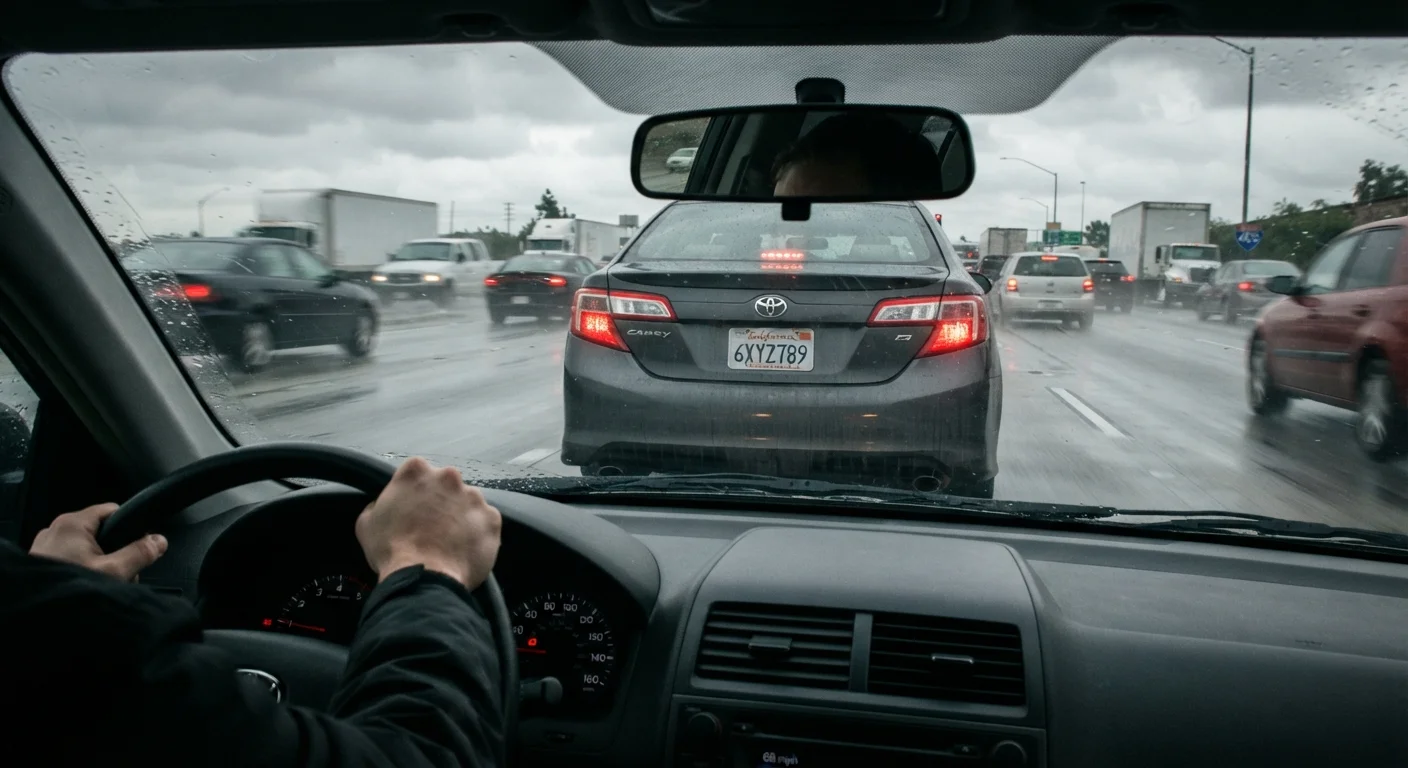
For a deeper look at how limited visibility and stopping distances interact with driving behavior, see our article on how tailgating dramatically reduces your margin for error.
What Experienced Night Drivers Do Differently
Experienced drivers don't rely on better instincts alone - they make deliberate adjustments that compensate for the specific hazards darkness introduces.
- Slow down: Reducing speed directly extends the time available to react within a fixed headlight range. Even 5-10 mph less can meaningfully change whether a driver can stop in time.
- Use high beams strategically: On unlit roads with no oncoming traffic, high beams extend visibility to 350-500 feet. Dimming them promptly when another vehicle approaches is both courteous and legally required in most states.
- Increase following distance: The three-second rule is a daytime baseline; night conditions justify adding more buffer.
- Scan wider: Rather than fixating on the center of the road, experienced drivers sweep their gaze to catch movement at the edge of their headlights - particularly useful for detecting animals or pedestrians.
- Pull over if fatigued: No amount of coffee or open windows reliably prevents microsleep. The only effective countermeasure is rest.
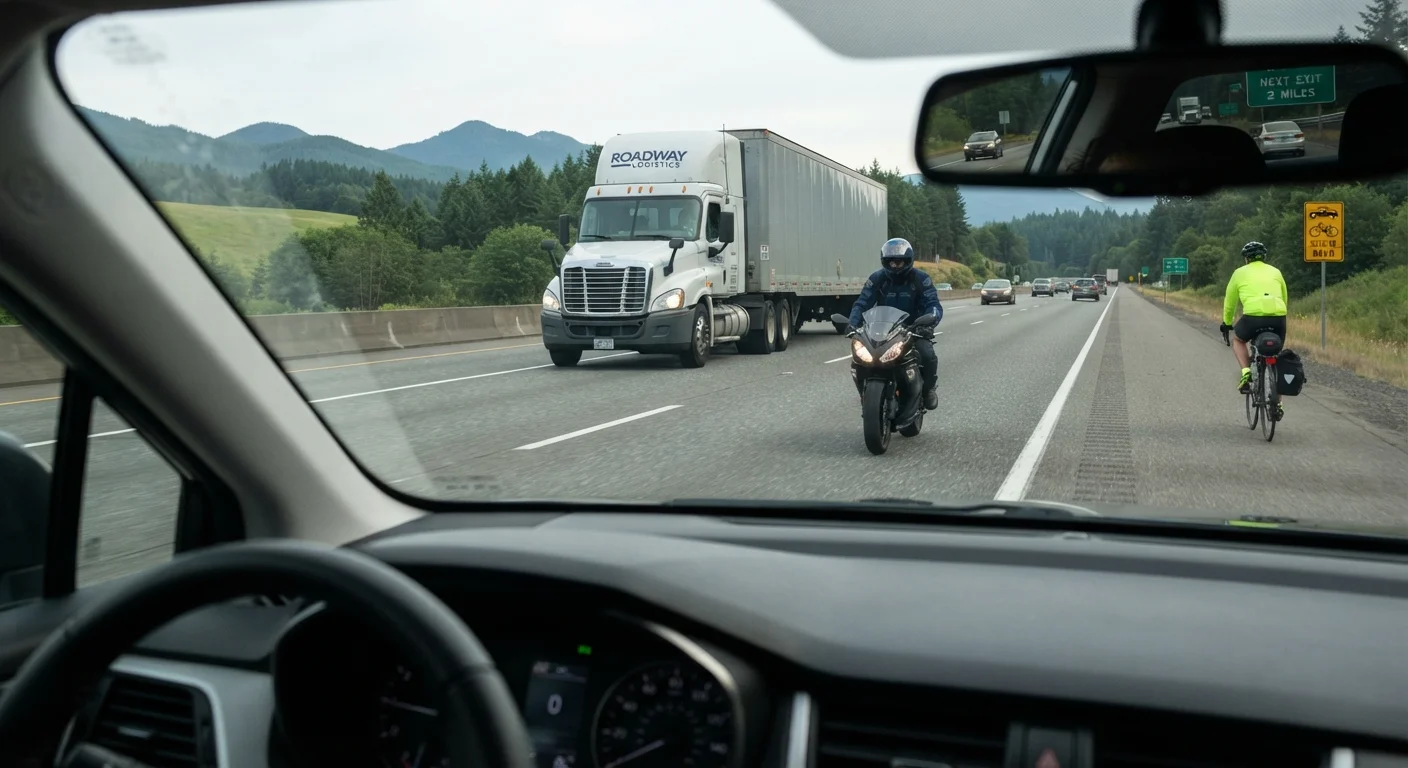
Nighttime driving also demands greater awareness of other road users who are harder to see. Motorcycles, cyclists, and pedestrians are far less visible after dark - a topic explored in depth in our guide to sharing the road with motorcycles and cyclists.
Conditions That Make Night Driving Even More Demanding
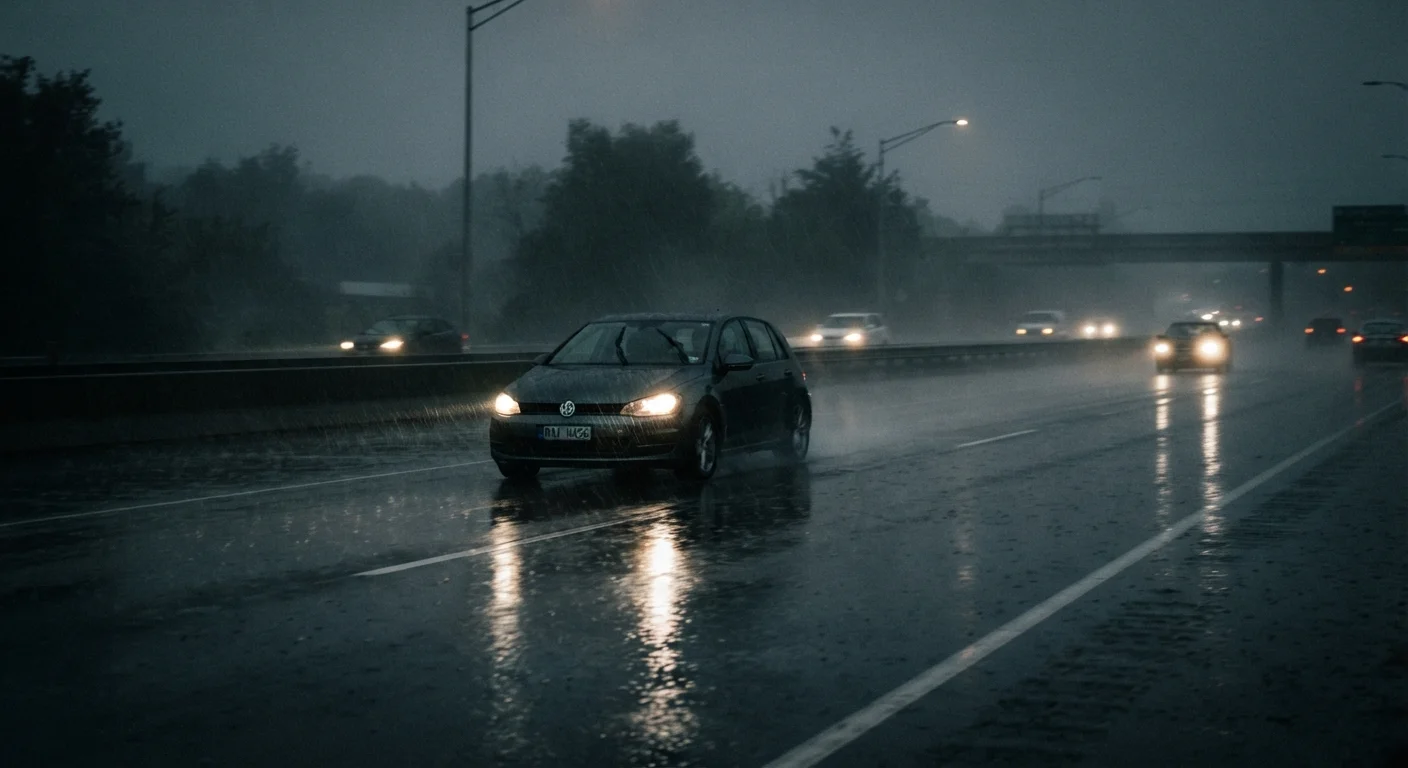
Night driving alone is challenging enough. Add rain, fog, or snow, and the difficulty compounds sharply. Wet pavement reflects headlights back unpredictably, making lane markings harder to read. Fog scatters light rather than transmitting it, meaning high beams can actually reduce visibility by creating a wall of glare. Snow covers road edges, removing reference points entirely.
Drivers who understand these layered risks adjust accordingly. Our guide to driving in rain, snow, and fog covers the specific behavioral adjustments each condition requires.
New and younger drivers are particularly vulnerable to overestimating their ability in these combined conditions. If you're in your first few years behind the wheel, the common mistakes new drivers make are worth understanding - many of them become significantly more consequential at night.
Clean Headlights and Windshields Matter More at Night
Cloudy headlight lenses can reduce light output by as much as 80%, dramatically shrinking effective visibility range. Similarly, a dirty or hazy windshield that's tolerable in daylight scatters oncoming light at night, creating significant glare. Keeping both clean is a low-effort, high-impact maintenance habit.