The Physics Behind Following Distance
Stopping a vehicle is not an instant event. From the moment a driver perceives a hazard to the moment the car comes to a full stop, two distinct phases must occur: the reaction phase and the braking phase. At 60 mph, a vehicle travels approximately 88 feet per second. With an average human reaction time of 1.5 seconds, a driver covers around 132 feet before the brakes are even applied - and then the vehicle needs additional distance to fully decelerate.
Under ideal dry-road conditions, total stopping distance at 60 mph is often cited by traffic safety researchers as exceeding 240 feet. In wet conditions, that figure climbs substantially. When a tailgating driver is only 30 or 40 feet behind the vehicle in front, a physics problem with no good solution is created.
~29%
Of all U.S. crashes that are rear-end collisions
Rear-end crashes are one of the most frequent collision types on American roads, according to data from the National Highway Traffic Safety Administration.
240+ ft
Typical stopping distance at 60 mph
Under ideal dry-road conditions, total stopping distance at 60 mph - combining reaction and braking - commonly exceeds 240 feet, per traffic safety engineering references.
1.5 sec
Average driver reaction time
Traffic safety research commonly cites 1.5 seconds as an average human perception-reaction time, though fatigue, distraction, and impairment can increase this significantly.
Speed compounds the problem non-linearly. Braking distance roughly quadruples when speed doubles, meaning the margin for error at highway speeds is far smaller than most drivers feel while behind the wheel.
The 3-Second Rule - and When It's Not Enough
Traffic safety educators commonly teach the 3-second rule as the minimum safe following distance. To apply it: identify a stationary object on the roadside, then count the seconds between when the vehicle ahead passes it and when your own vehicle passes the same point. If you reach it in fewer than three seconds, you're too close.
Three seconds is a floor, not a ceiling. Several conditions call for a larger cushion:
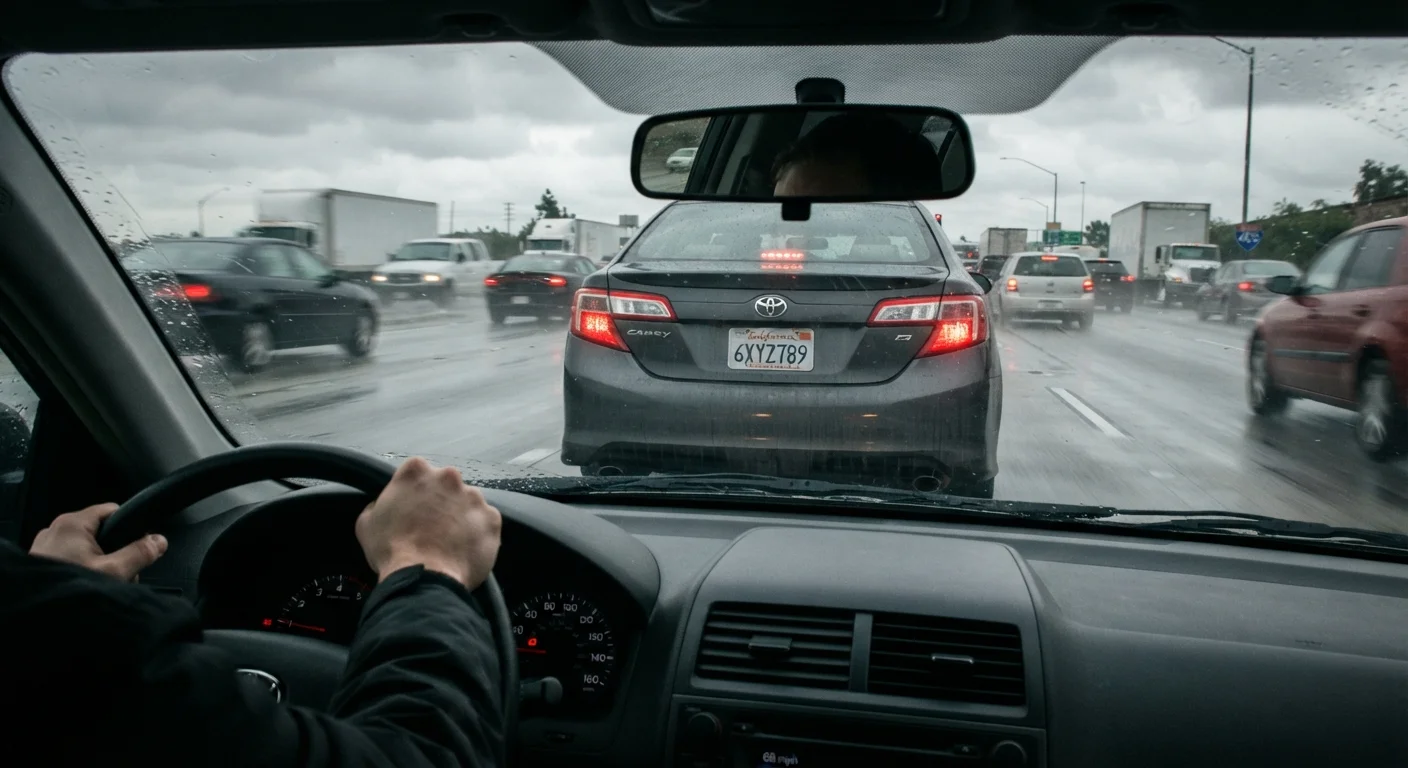
- Rain, snow, or ice: Wet roads can double stopping distances; icy roads can increase them by ten times or more.
- Night driving: Reduced visibility means hazards appear later. See our guide to night driving risks for more on how darkness affects your ability to react in time.
- Towing or hauling heavy loads: Added weight dramatically increases braking distance.
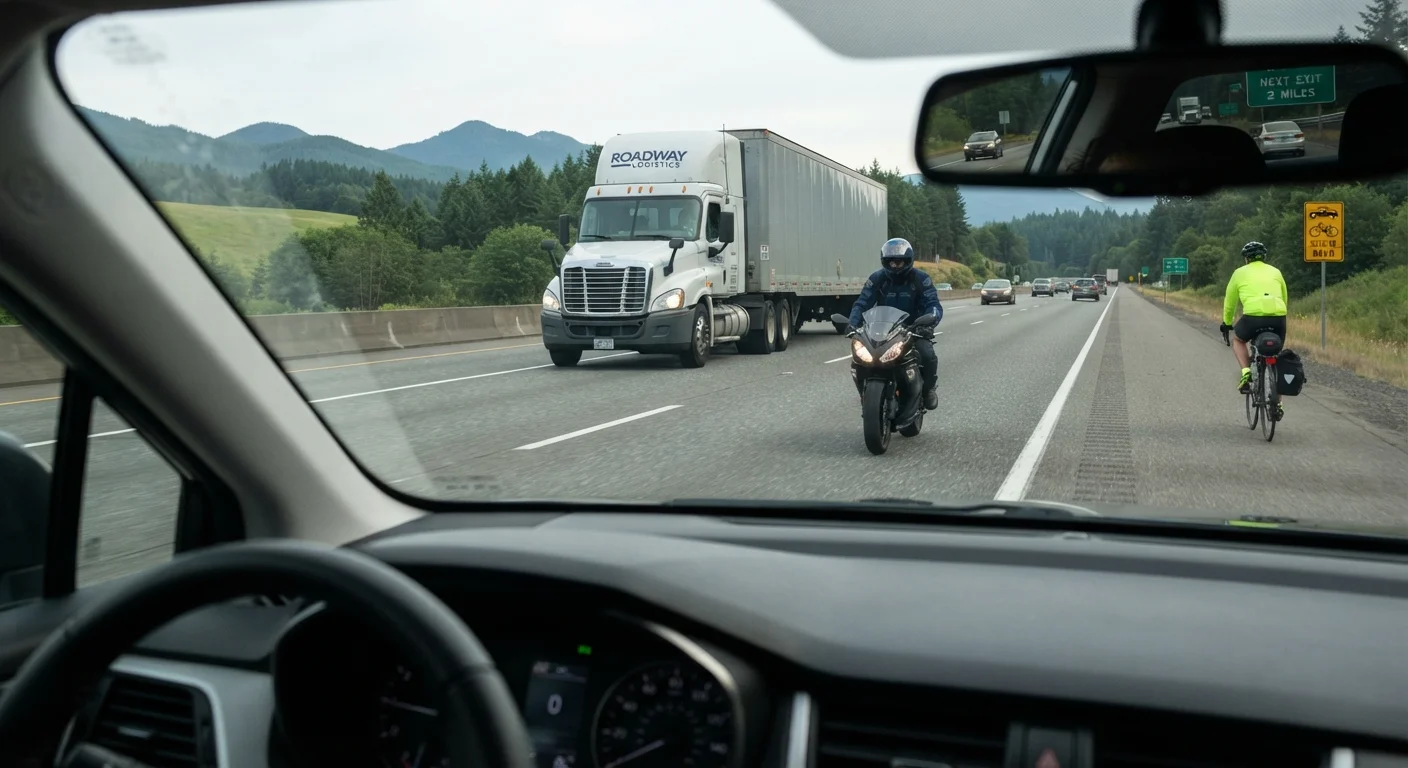
- Following large trucks: Semi-trucks need significantly more stopping distance and create blind spots. Sharing the road with trucks requires a different following strategy than following a passenger car.
Apply the 4-Second Rule at Highway Speeds
On freeways and highways - especially at speeds above 55 mph - consider using a 4-second following interval instead of three. The additional buffer accounts for the increased braking distance at high speed and gives you meaningful extra time to react to sudden stops or debris in the road.
Why Drivers Tailgate - and Why the Reasons Don't Hold Up
Tailgating is rarely random. Drivers typically follow too closely because they are running late, frustrated by a slow driver ahead, or simply not paying close enough attention to their spacing. In some cases it's an expression of aggression - an intentional attempt to pressure another driver to move over or speed up.
None of these motivations produce meaningful time savings. Traffic flow research consistently shows that maintaining safe gaps actually smooths overall traffic movement, while aggressive following contributes to the accordion-like stop-and-go waves that slow everyone down.
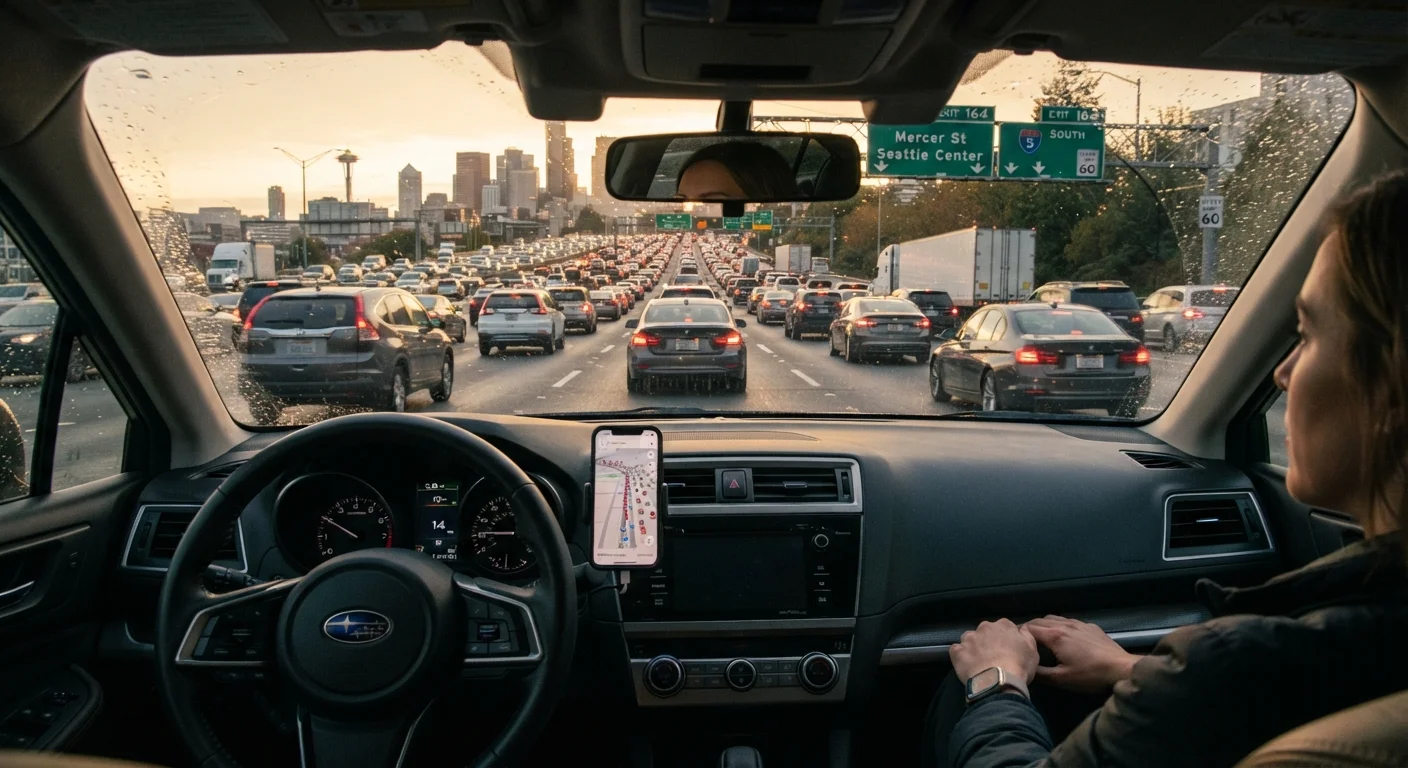
The frustration angle is worth examining directly. Being stuck behind a slow-moving vehicle is genuinely aggravating, but allowing that frustration to push you into dangerous following distances puts both you and the driver ahead at risk. Strategies for managing traffic frustration can help drivers recognize when emotions are influencing their driving behavior.
“Space is your most valuable safety resource on the road. It gives you time to see, decide, and act. Remove it, and you've eliminated your margin for error.”
— National Safety Council, U.S. nonprofit focused on workplace and road safety education
Defensive driving principles specifically address space management as a core hazard-avoidance tool - maintaining a gap isn't just politeness, it's a calculated safety buffer.
Legal Consequences and Liability
Every U.S. state prohibits following too closely, though specific language varies. Most statutes require drivers to maintain a following distance that is "reasonable and prudent" given speed, traffic, and road conditions. A citation for following too closely typically carries fines and license points, and repeated violations can affect insurance premiums.
In a crash, the legal consequences extend further. When a rear-end collision occurs, the following driver generally bears the presumption of fault in most states, because the legal duty to maintain a safe gap rests with them. Even if the lead driver braked unexpectedly, investigators will assess whether the following vehicle was at a distance from which stopping was reasonably possible.
State Laws Vary on Following Distance
While all U.S. states prohibit following too closely, the specific language in traffic codes differs. Some states set numeric distance requirements for commercial vehicles, while others apply a 'reasonable and prudent' standard for all drivers. Check your state's Department of Motor Vehicles or traffic statutes for the precise wording that applies where you drive.
From an insurance standpoint, being found at fault in a rear-end collision can result in rate increases that persist for three to five years depending on your insurer and state. The financial cost of a single moment of inattention frequently outweighs any time savings the tailgating was ever going to produce.
This article is for general informational purposes only and does not constitute legal advice. Consult a qualified attorney or review your state's traffic statutes for guidance specific to your situation.