Why New Drivers Crash More - and It's Not Just Inexperience
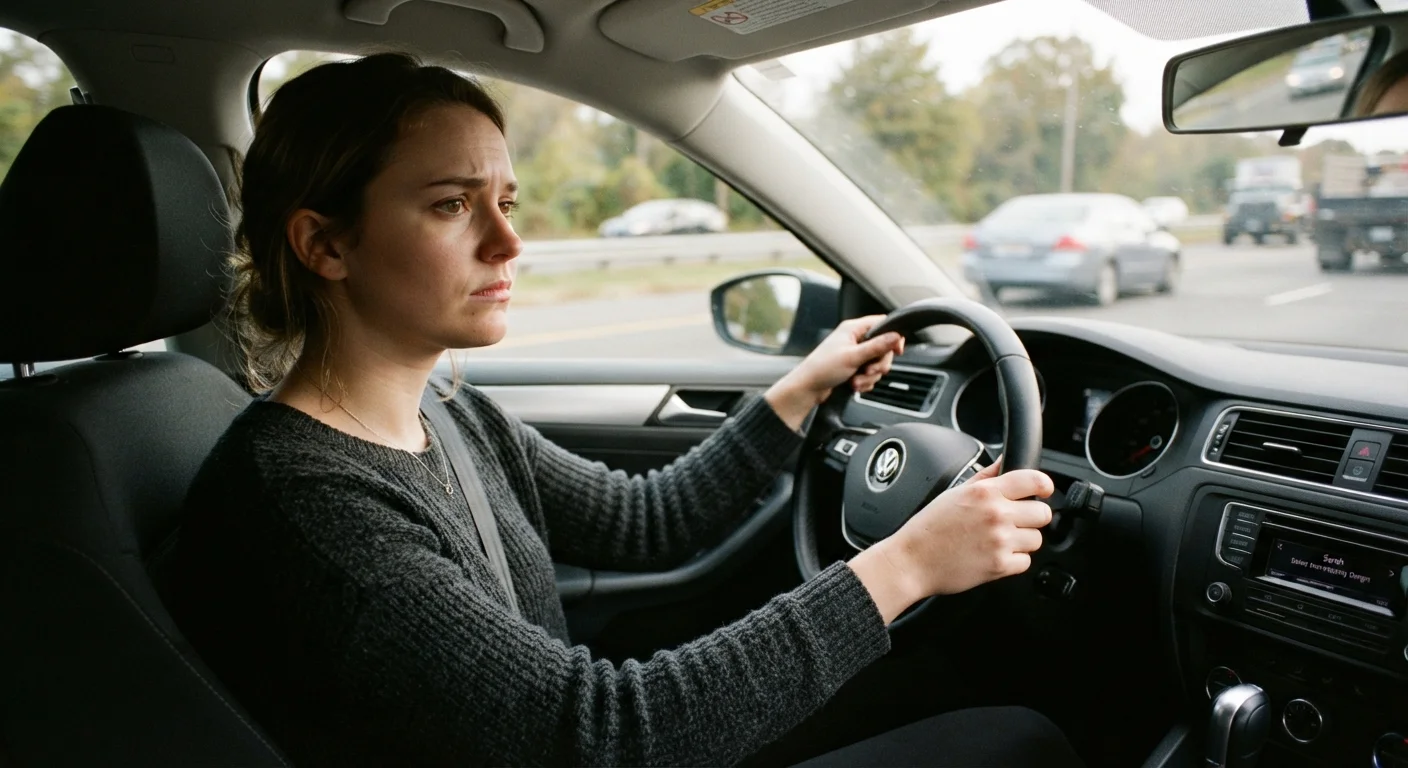
A driver's license is a legal document, not a competence certificate. Passing the knowledge test and skills exam means a new driver has demonstrated minimum threshold ability - not that they're prepared for every situation American roads deliver. What fills the gap between the test and real proficiency is accumulated experience, and that gap is statistically dangerous.
The errors that show up most frequently in new-driver crashes are not freak occurrences. They're predictable, well-documented patterns that researchers, driving instructors, and insurers have tracked for decades. Understanding them before they become habits is far more effective than unlearning them after a close call.
Crash Risk Is Highest in the First Year
According to the CDC, teen drivers aged 16-17 are involved in fatal crashes at nearly three times the rate of drivers aged 20 and older per mile driven. This elevated risk persists through the first 12-18 months for most new drivers, regardless of age at licensure. The errors described in this article are not just inconveniences - several are directly linked to serious collisions. Take each one seriously from your very first solo drive.
For context on the legal rules that underpin safe driving, a thorough grounding in U.S. traffic laws is a practical starting point every new driver should revisit even after licensing.
The Mistakes That Matter Most
Treating the driving test as the finish line rather than the starting point.
Why it happens: Passing the test delivers a real sense of accomplishment, and it's easy to mistake legal permission to drive for full competence behind the wheel. The test covers the basics, but real-world driving involves far more variability than any exam can simulate.
Not checking mirrors frequently or systematically enough.
Why it happens: New drivers concentrate so heavily on the road ahead that mirrors get neglected. Scanning rearward feels unnatural at first and can seem like a distraction rather than a safety tool.
Misjudging following distance and leaving too little space behind the car ahead.
Why it happens: Tailgating often happens unconsciously - new drivers anchor to the visual gap that feels normal from the passenger seat, which is almost always too short for a safe stopping distance.
Underestimating the vehicle's physical dimensions when parking, turning, or changing lanes.
Why it happens: Without experience, drivers have a weak mental model of how wide, long, and tall their vehicle actually is. This leads to clipped curbs, misjudged lane changes, and parking lot scrapes.
Avoiding or mishandling highway merging.
Why it happens: Merging onto a highway at speed feels high-stakes, so new drivers often brake on the on-ramp or merge too slowly - both of which create dangerous speed differentials with highway traffic.
Driving as though conditions don't change - applying dry-road habits to wet, icy, or night-time roads.
Why it happens: New drivers lack the reference experience that teaches how dramatically stopping distances and vehicle control change when conditions deteriorate. What worked on a dry afternoon does not translate automatically.
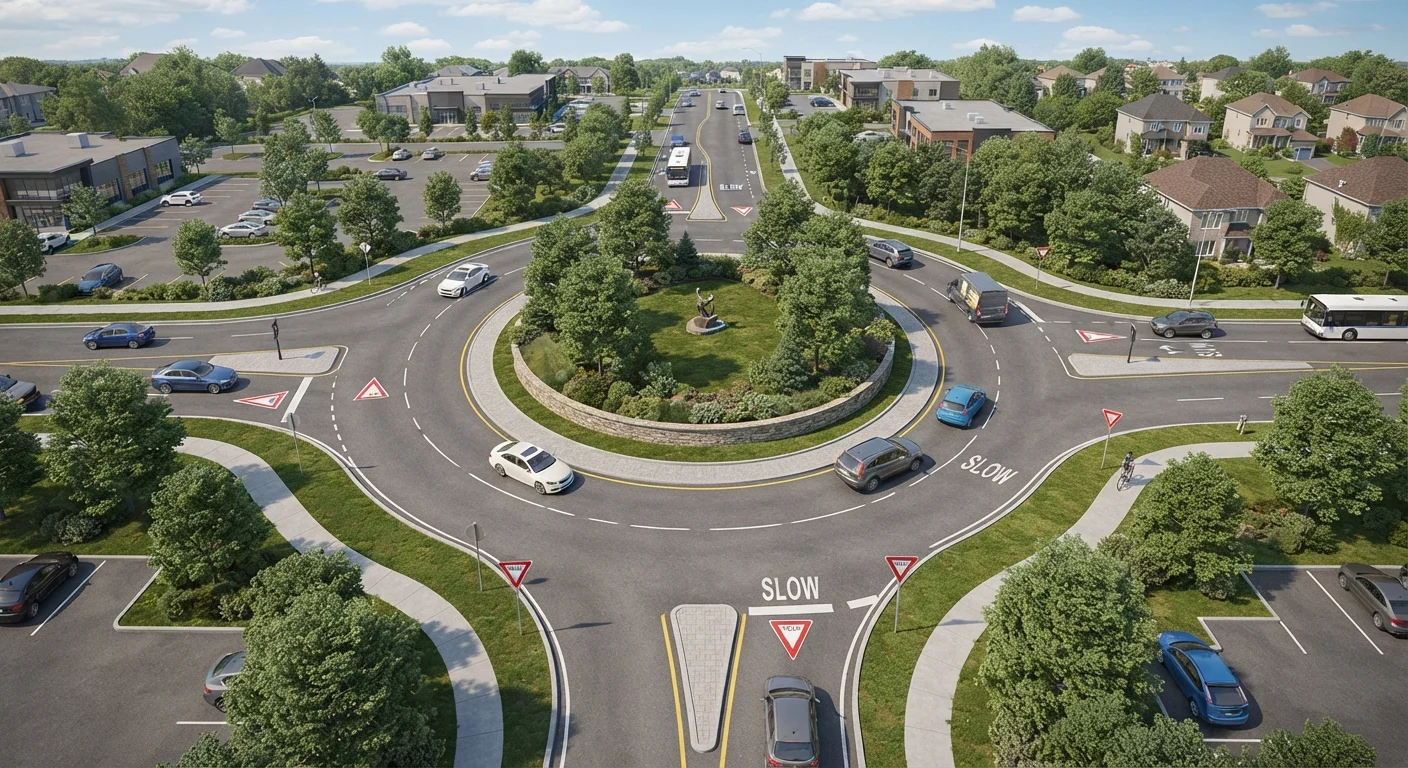
New drivers who encounter roundabouts for the first time often make yield and lane-use errors that compound existing anxiety. How roundabouts actually work is worth understanding separately - they're appearing on more American roads every year.
3x
Crash rate: teen drivers vs. drivers aged 20+
The CDC reports that drivers aged 16-17 are involved in fatal crashes at roughly three times the rate of drivers aged 20 and older, per mile driven.
56%
Teen crashes involving driver recognition errors
Research published by the AAA Foundation for Traffic Safety found that recognition errors - failing to adequately scan or notice hazards - were the most common factor in teen driver crashes studied.
Building Better Habits Before Bad Ones Stick
The common thread running through nearly all new-driver mistakes is a reliance on passive experience - assuming skill will accumulate automatically through routine driving. It won't, at least not reliably. Deliberate practice in varied conditions, honest self-assessment after difficult situations, and a willingness to accept feedback are what actually accelerate competence.
Practical considerations compound the challenge. New drivers also frequently underestimate what vehicle ownership actually costs, which can lead to deferred maintenance and mechanical issues that create additional risk. The costs first-time car owners routinely underestimate covers the financial picture worth understanding early. For the mechanical side, car maintenance habits for new drivers outlines the upkeep routines that keep a vehicle safe and roadworthy.
Passenger Distraction Is a Real and Measurable Risk
Studies consistently show that carrying peer passengers significantly increases crash risk for new drivers, particularly teenagers. Many states address this through Graduated Driver Licensing (GDL) laws that restrict passenger numbers during the first months of solo driving. Check your state's specific GDL restrictions - violating them can carry legal penalties and, more importantly, genuinely increases your exposure to distraction-related errors.
The first year is the highest-risk window. Treating it as an ongoing learning phase - rather than a formality to get through - is the single most effective shift a new driver can make.