Beyond the Rules: What Defensive Driving Really Means
Most drivers understand that following traffic laws is the baseline - stop at red lights, signal before turning, observe speed limits. Defensive driving starts where those rules end. It's the discipline of actively managing risk rather than passively complying with regulations.
The core shift is from reactive to proactive. A reactive driver brakes when they see brake lights. A defensive driver notices slowing traffic several cars ahead, lifts off the accelerator early, and never needs to brake hard. That gap in perception and response time is where accidents happen - or don't.
Traffic safety educators often summarize defensive driving around three principles: see the hazard, understand the risk, and act in time. Each step depends on the one before it. You can't respond to a risk you haven't identified, and identifying it only helps if you've given yourself room and time to act.
Start with the SIPDE Process
Many driver education programs teach a framework called SIPDE: Scan, Identify, Predict, Decide, Execute. It gives drivers a structured mental loop for continuously reading traffic. Practicing this deliberately - even on familiar routes - builds the habit until it becomes automatic.
The Core Habits That Define a Defensive Driver
Scanning ahead, not just immediately in front. Experienced drivers consistently look 10-15 seconds down the road - roughly a city block at urban speeds, or a quarter mile on the highway. This gives your brain time to process developing situations before they require emergency action.
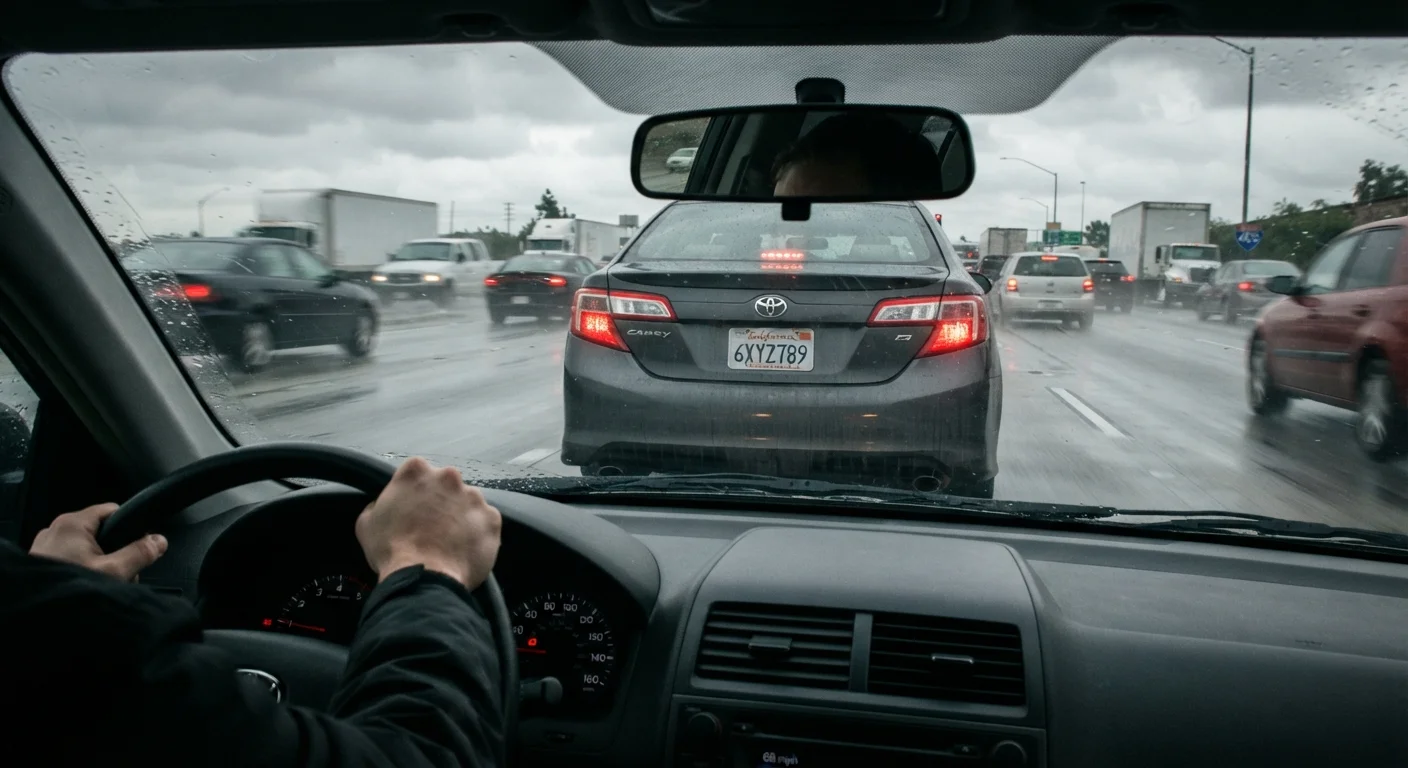
Managing following distance deliberately. Tailgating is one of the most documented contributors to rear-end collisions. The 3-second rule for following distance is a practical benchmark: count the gap between you and the car ahead, and extend it in rain, fog, or at highway speeds. See our guide on why tailgating is more dangerous than most drivers realize for a deeper look at stopping distances.
Accounting for other drivers' behavior. Defensive drivers assume that someone around them may run a yellow light, change lanes without signaling, or brake unexpectedly. This isn't pessimism - it's preparation. You can't control other drivers, but you can position yourself to absorb their mistakes.
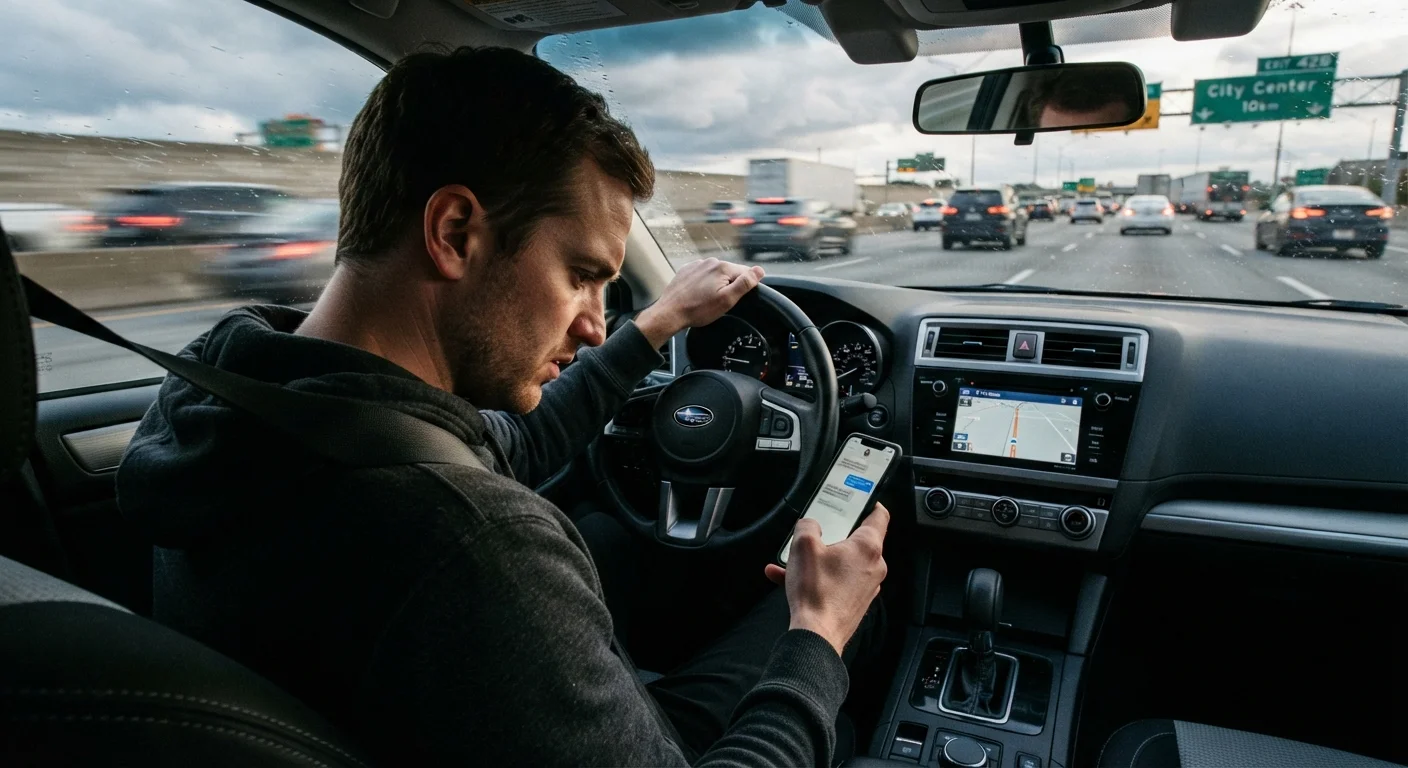
Minimizing distractions. Even brief inattention dramatically increases crash risk. Hands-free calls are not as safe as many drivers assume - common distracted driving myths persist despite strong evidence to the contrary.
~94%
Crashes involving human error
According to the National Highway Traffic Safety Administration (NHTSA), approximately 94% of serious crashes involve human choice or error as a contributing factor.
3 sec
Minimum recommended following distance
Traffic safety organizations widely recommend a minimum 3-second gap behind the vehicle ahead, extended to 4-6 seconds in adverse conditions.
40%+
Fatal crashes occurring at intersections
The Federal Highway Administration has reported that a significant share of traffic fatalities and injuries occur at or near intersections, underscoring the importance of vigilance at crossing points.
Adjusting for Conditions and Environment
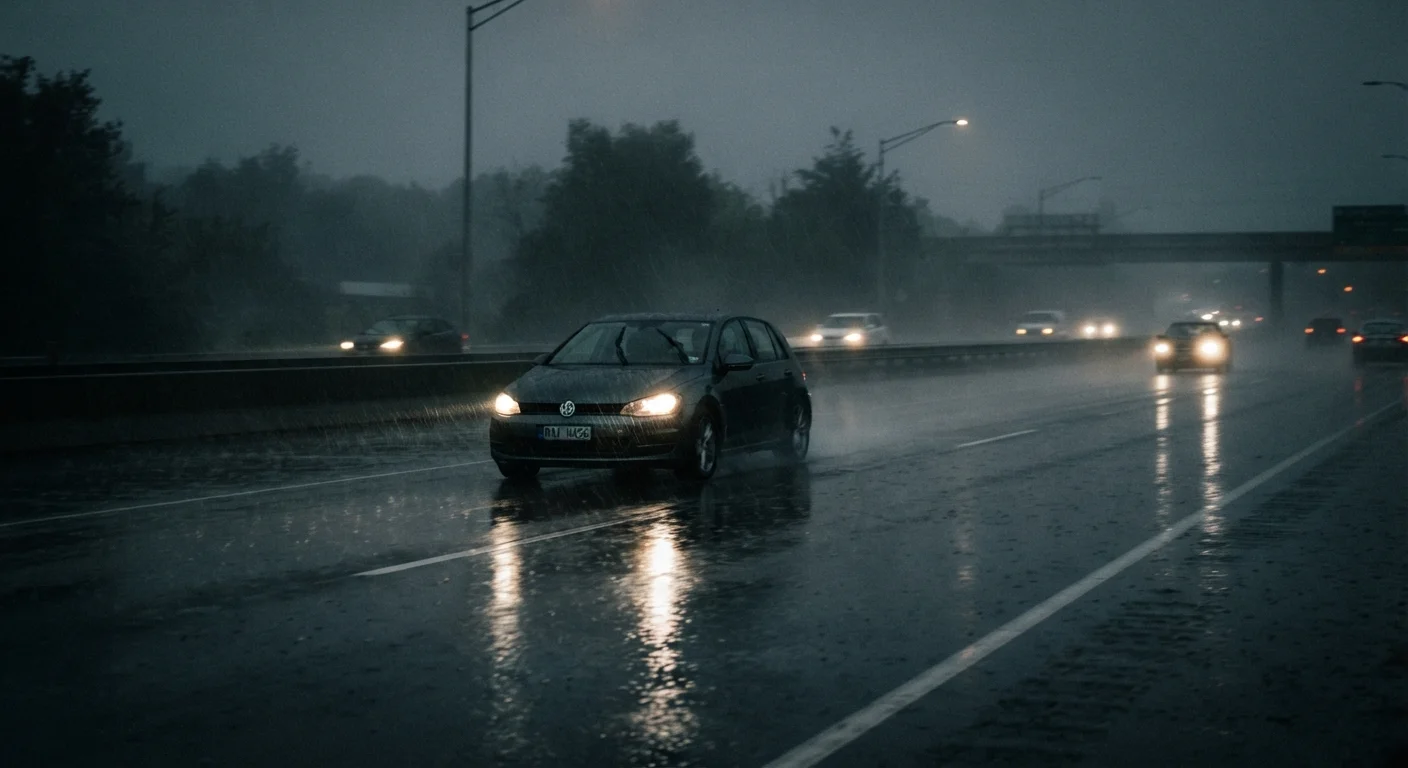
Defensive driving isn't a fixed behavior - it scales with conditions. Rain, snow, and fog each introduce specific hazards that require deliberate adjustments in speed, following distance, and lane position. Weather changes what safe driving looks like in ways that go beyond simply slowing down.
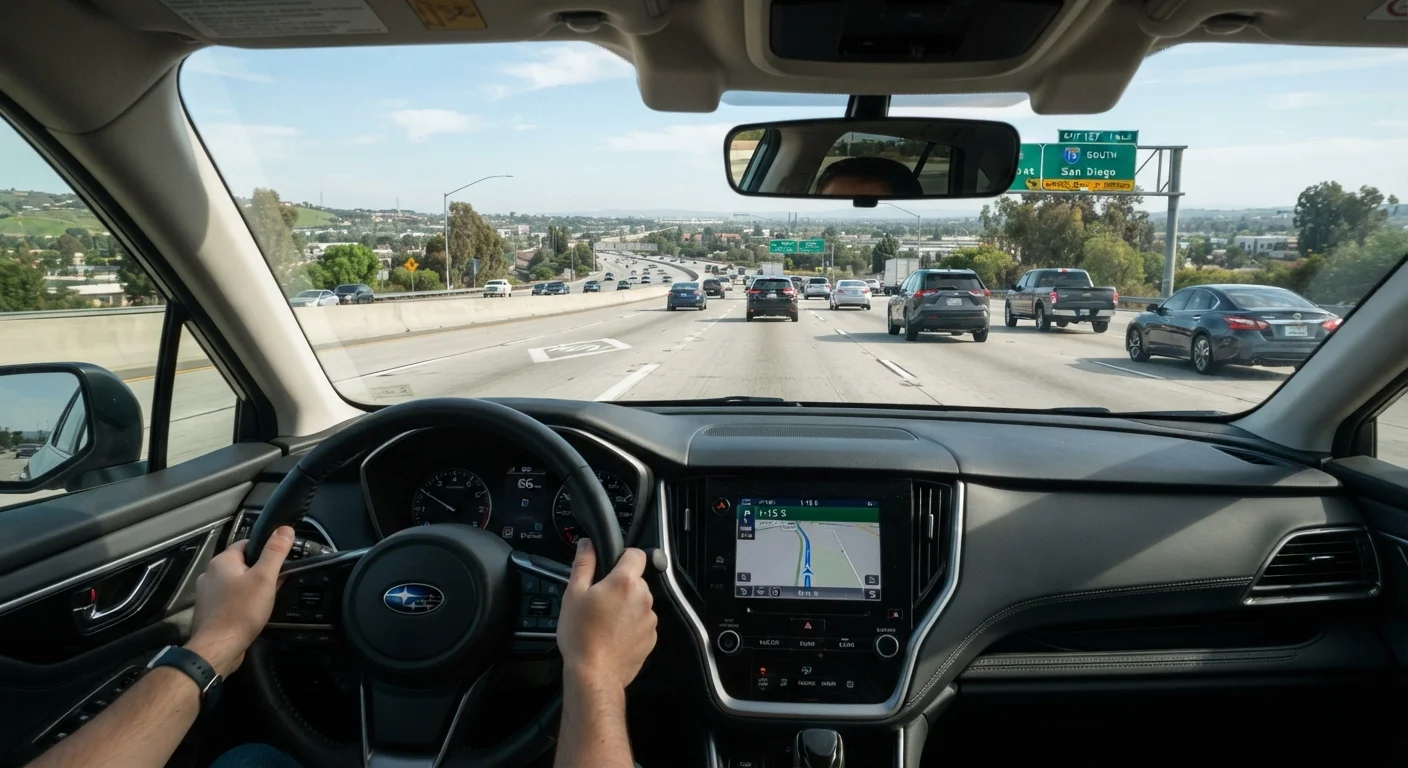
The same principle applies to environment. A defensive approach on a multi-lane interstate looks different from navigating dense city intersections. Highway and urban driving demand different instincts, and recognizing which mode you're in is itself a defensive skill.
Intersections deserve special mention - they're statistically among the most dangerous locations on any road. A defensive driver covers the brake approaching a green light (rather than accelerating through it), checks cross-traffic before proceeding on a fresh green, and watches for pedestrians at every crossing.
Vehicle Condition and Legal Knowledge as Defensive Tools
Defensive driving doesn't stop when you park. A vehicle with worn tires, faded headlights, or poorly adjusted mirrors limits your ability to respond - no matter how skilled you are behind the wheel. Routine maintenance is an extension of defensive practice. Our car maintenance guide for new drivers covers the habits that keep vehicles mechanically ready for real-world conditions.
Understanding the rules of the road is equally foundational. Knowing right-of-way laws, how to interpret lane markings, and how highway merging actually works removes hesitation in moments that demand confident action. Drivers new to American roads should start with a comprehensive overview of U.S. traffic laws before building on defensive techniques.
Finally, knowing what to do when things go wrong is part of the defensive mindset. Even the most careful driver can be involved in a collision caused by someone else. Having a clear plan - as outlined in our guide on what to do immediately after a car accident - means you stay composed and protected even in the worst scenarios.
“The goal of defensive driving is to reduce risk by anticipating what other drivers will do - and positioning yourself so their mistakes don't become your emergency.”
— Cars & Driving Editorial Team, Automotive safety contributors