What the Law Actually Says About Merging
Merging is one of the most routine highway maneuvers, yet it generates more confusion - and road rage - than almost any other driving situation. The core legal principle is consistent across U.S. states: the driver entering a lane of traffic must yield to vehicles already in that lane. This applies whether you are coming off an on-ramp or moving out of a lane marked with "lane ends ahead" signage.
What many drivers misread is that this yield requirement does not give highway traffic the right to actively block a merge. Traffic codes broadly expect all drivers to adjust speed and position when it is safe and practical to support smooth flow. A driver who speeds up to close a gap and prevent someone from merging may be contributing to an unsafe condition - even if the merging driver bears primary yield responsibility.
For a broader foundation on how right-of-way works across different situations, see our guide to U.S. traffic laws.
State Laws Vary on Yield Language
While the general principle - merging drivers yield to through traffic - is consistent nationwide, the exact statutory language differs by state. Some states explicitly require highway drivers to facilitate merges when safe to do so; others place the burden entirely on the merging driver. Checking your state's driver's handbook is the most reliable way to know the precise rule where you drive.
Zipper Merging: What It Is and Why It Works
Zipper merging describes the practice of drivers using a closing or ending lane all the way to the designated merge point, then alternating one-for-one with traffic in the continuing lane - like the teeth of a zipper. Research from transportation agencies, including findings published by the Minnesota Department of Transportation, indicates zipper merging can reduce the length of traffic backups by roughly 40 percent compared with the common habit of merging as early as possible.
Despite its effectiveness, zipper merging remains widely misunderstood. Drivers who move over early often view late mergers as "cutters," when in reality those drivers are using the lane exactly as road engineers intended. When both lanes keep moving until the merge point, throughput increases for everyone.
~40%
Reduction in traffic backup length with zipper merging
Research cited by the Minnesota Department of Transportation found zipper merging can cut backup length by approximately 40% compared with early-merge behavior.
6%
Of all highway crashes involve lane-change or merge conflicts
The Federal Highway Administration has identified improper lane changes and merging errors as a consistent contributor to non-intersection highway crashes.
The key behaviors for effective zipper merging: maintain your speed in the closing lane, refrain from tailgating the car ahead, and be prepared to smoothly alternate at the designated point. Highway drivers in the continuing lane should leave approximately one car length of space at the merge point to allow alternation.
The Mechanics of a Safe Merge
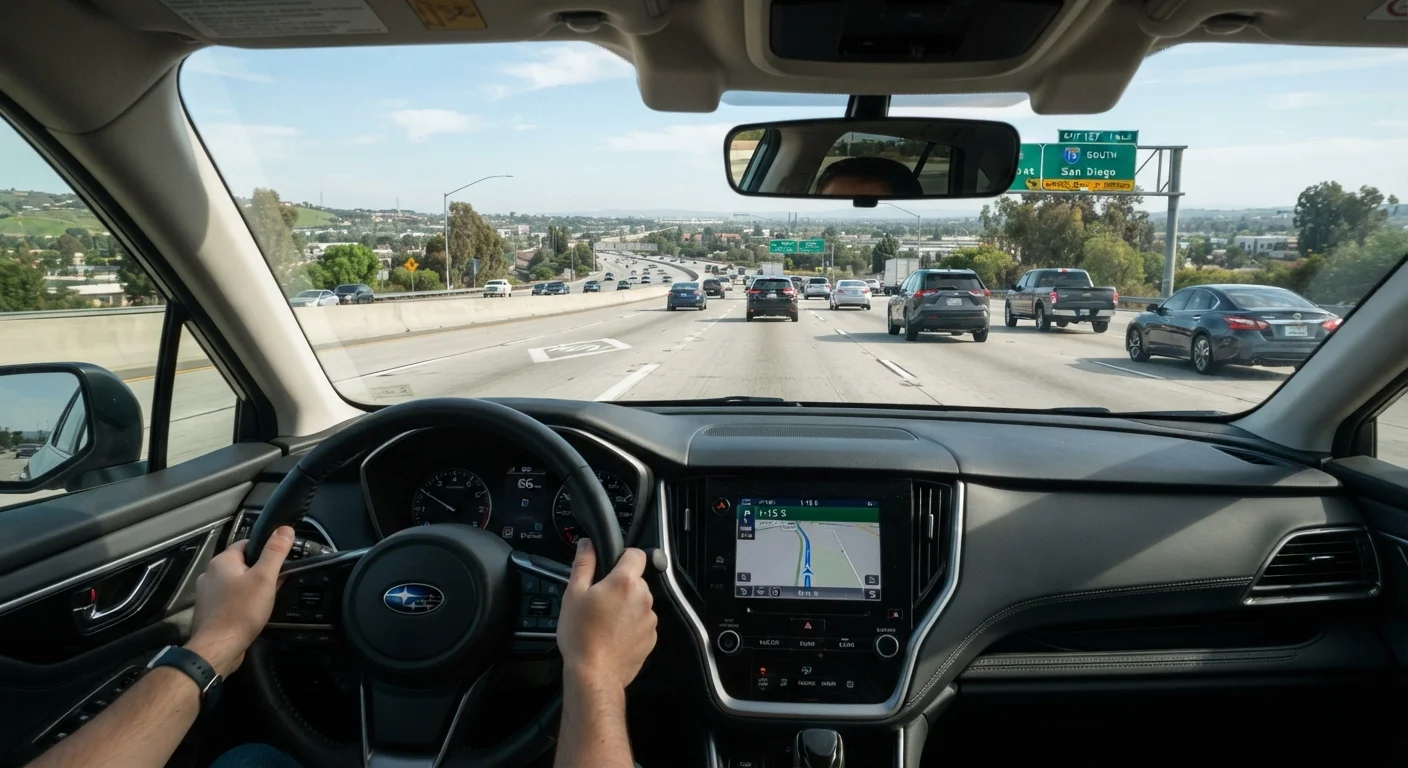
Regardless of whether you are zipper merging or entering from an on-ramp, the physical steps of a safe merge follow the same sequence:
- Accelerate to match traffic speed. Entering a 65 mph flow at 40 mph creates a dangerous speed differential. Use the full length of the on-ramp to build speed.
- Signal early. Activate your turn signal to communicate intent before you need the gap, not after.
- Check mirrors and blind spots. Shoulder-check even after mirror-checking - highway blind spots can hide entire vehicles.
- Identify a safe gap and commit. Hesitating mid-merge is more dangerous than a firm, deliberate move into a gap. Avoid braking once you begin the lane change.
Merging is one component of the broader skill set covered in defensive driving on American roads - the ability to read traffic ahead, anticipate closures, and position your vehicle proactively rather than reactively.
Use the Ramp's Full Length
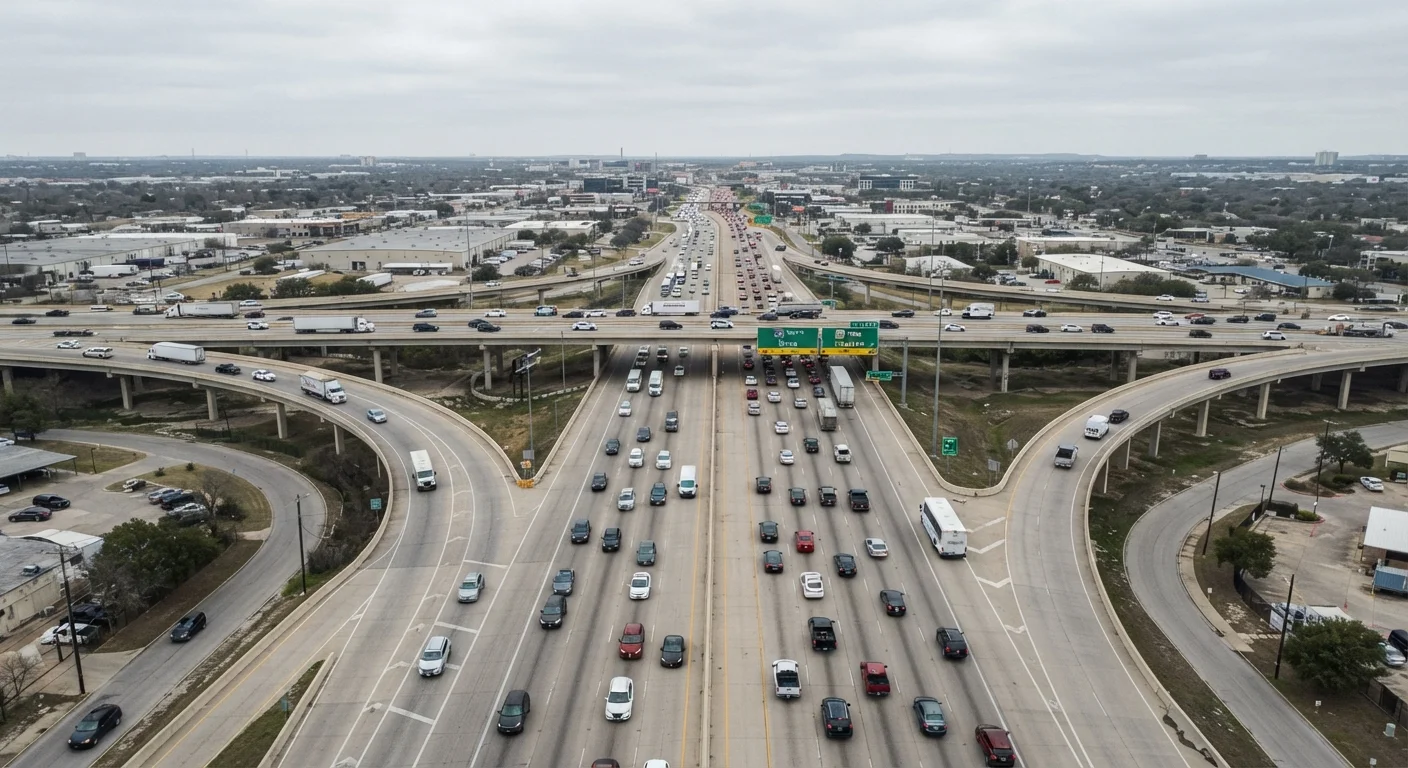
On-ramps are designed to give merging vehicles room to reach highway speed - use all of it. Beginning your speed-matching early means you arrive at the merge point with less distance to cover and more time to identify a safe gap. Entering at close to traffic speed is the single most effective thing you can do to make a merge go smoothly.
Common Merge Mistakes and How to Avoid Them
Most merge-related near-misses stem from a handful of repeatable errors. Stopping at the end of an on-ramp is among the most dangerous: it forces you to accelerate from zero into 65 mph traffic while leaving no space buffer. Only stop if traffic is at a complete standstill - otherwise, slow and look for a gap while still rolling.
Merging without checking blind spots is another frequent cause of sideswipe crashes. Mirrors cover most of your field of view, but the zone alongside and slightly behind your rear quarter panel is not reflected - always turn your head briefly before committing.
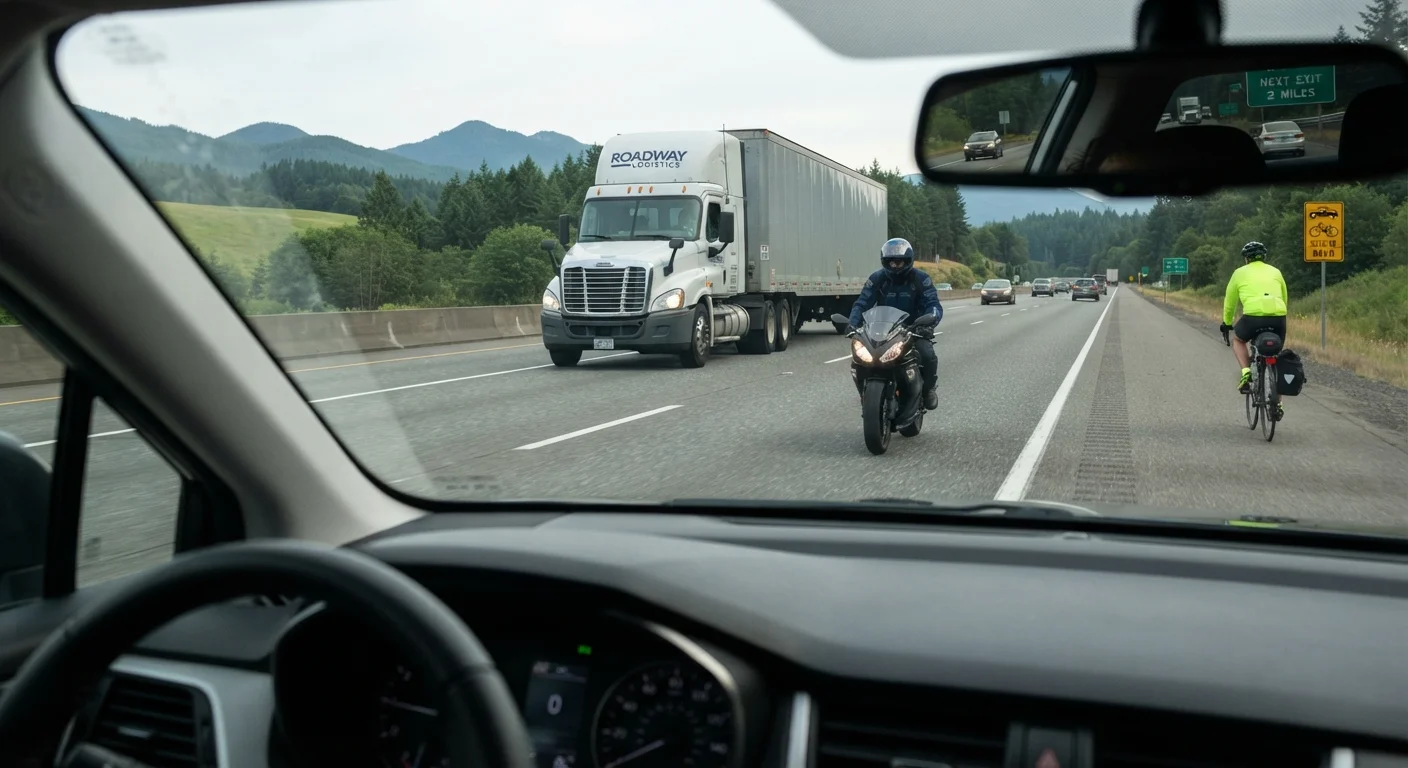
Large vehicles present a specific challenge at merge points. Trucks have longer stopping distances and fewer options to swerve. For more on sharing space with commercial trucks and other road users, the guide to sharing the road with trucks, motorcycles, and cyclists covers blind-spot dynamics in detail.
Finally, highway driving requires a different mental mode than city driving. The speeds involved mean errors have less reaction time to correct. Understanding how highway and city driving differ helps drivers calibrate their awareness appropriately before they even reach the on-ramp.