Two Roads, Two Mental Models
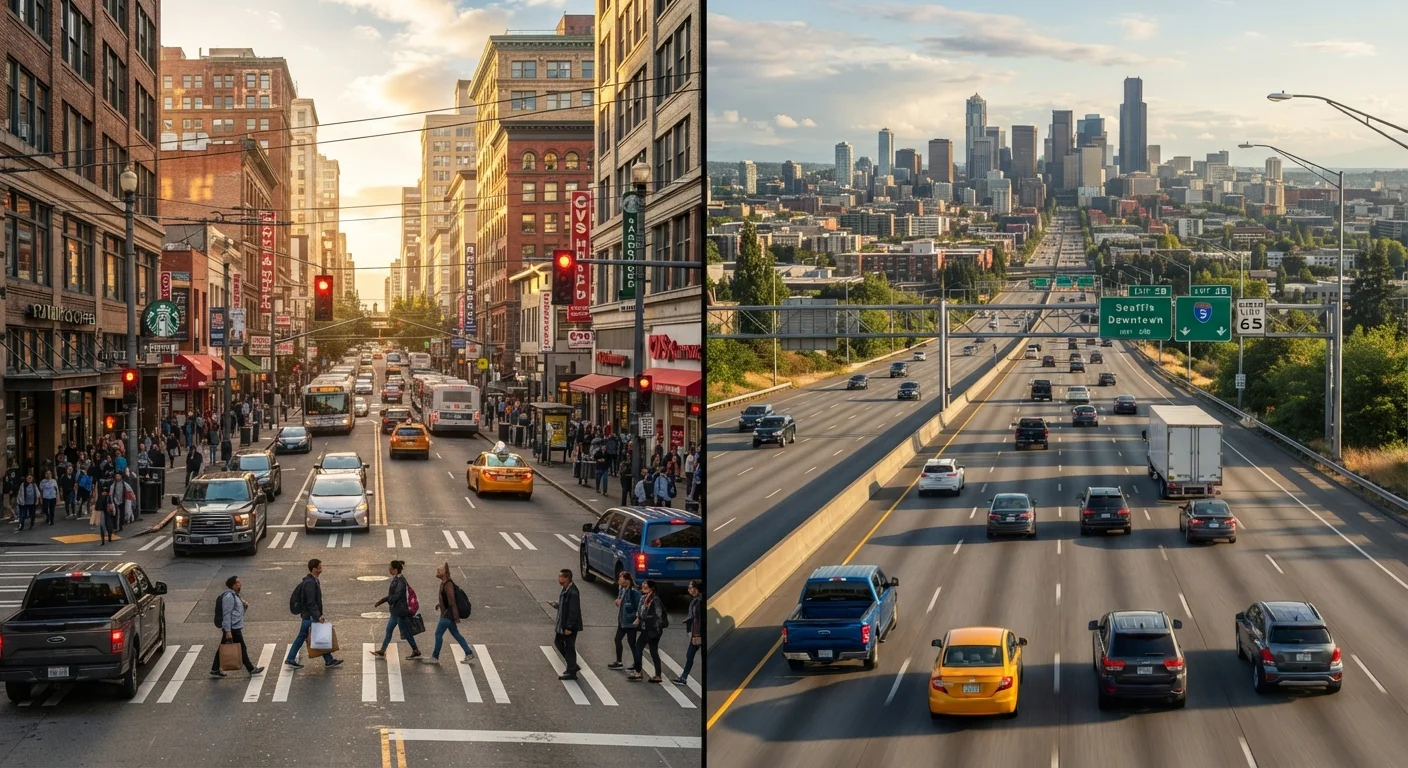
Most American drivers spend time on both highways and city streets - sometimes within the same commute. Yet the skills each environment demands are genuinely different, and treating them as interchangeable is where many drivers run into trouble.
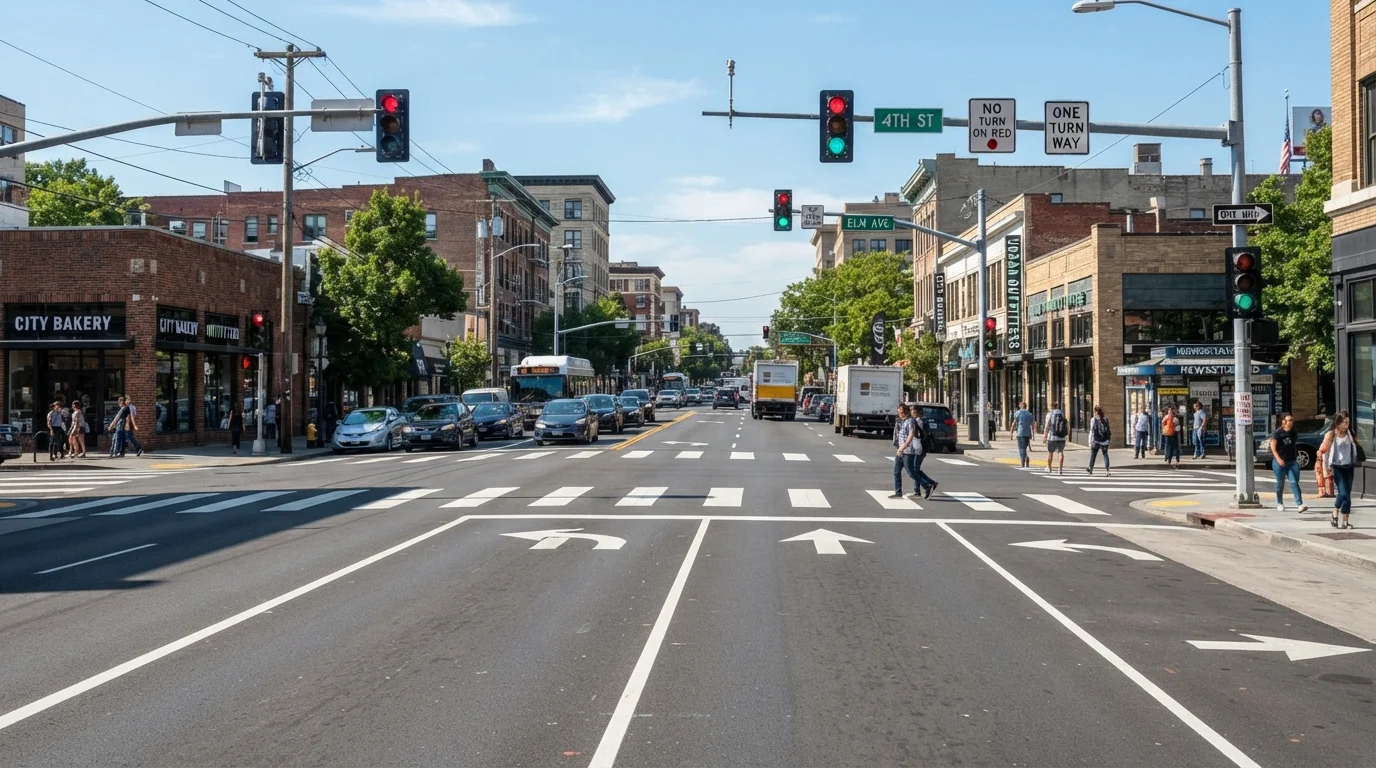
Highway driving is defined by speed and sustained attention. You're managing long sight lines, high closing speeds, and the physical reality that a lapse in focus at 70 mph has consequences far beyond the same lapse at 30 mph. City driving, by contrast, is defined by complexity and frequency of decision-making - intersections, jaywalking pedestrians, cyclists filtering through lanes, delivery vehicles double-parked, and signals that change before you expected them to.
Understanding US traffic laws and right-of-way rules is the baseline. But applying that knowledge correctly means reading the environment you're actually in - not defaulting to a one-size-fits-all driving style.
| Criterion | Highway Driving | City Street Driving |
|---|---|---|
| Typical speed range | 55-80 mph | 15-45 mph |
| Primary attention demand | Sustained focus over distance | Rapid decision-switching |
| Recommended following distance | 3-4+ seconds | 1-2 car lengths |
| Key high-risk scenario | High-speed lane changes, fatigue | Intersection conflicts, pedestrians |
| Lane discipline focus | Keep right, signal merges early | Correct turn lanes, no blocking |
| Primary other-road-user concern | Large trucks, motorcycles | Cyclists, pedestrians, delivery vehicles |
| Weather impact | Amplified - high speed × reduced traction | Significant but managed at lower speeds |
Speed, Space, and Following Distance
One of the clearest differences between highway and city driving is how you should think about space. On the highway, the standard guidance is to maintain at least a three-to-four-second following gap under normal conditions - more in wet weather or heavy traffic. At 65 mph, that translates to well over 250 feet of clearance. It sounds like a lot, but at those speeds, your reaction time alone consumes much of that buffer before your brakes even engage.
City streets operate on a different scale. Following distances are shorter simply because speeds are lower, but stop-and-go traffic introduces its own hazard: rear-end collisions at low speed are a leading cause of urban crashes. Keeping one to two car lengths behind the vehicle ahead - and watching the car in front of that car for brake lights - gives you the predictive edge you need.
Speed management also diverges. Posted limits reflect ideal conditions, but neither environment should be driven at the posted maximum without assessing actual conditions. Speed limits and safe speeds are not always the same thing - a point that matters whether you're on an interstate or a residential boulevard.
~43%
Fatal crashes occurring at intersections
According to the Federal Highway Administration, intersections account for roughly 43% of all reported traffic crashes in the United States.
1.5 sec
Average driver reaction time
At 65 mph, a 1.5-second reaction time means a vehicle travels approximately 143 feet before braking even begins - underscoring the importance of highway following distance.
Top cause
Distracted driving on highways
The NHTSA consistently identifies driver inattention and distraction as a leading contributing factor in highway fatalities, particularly on long, monotonous interstate stretches.
Attention Demands: Sustained vs. Rapid-Fire
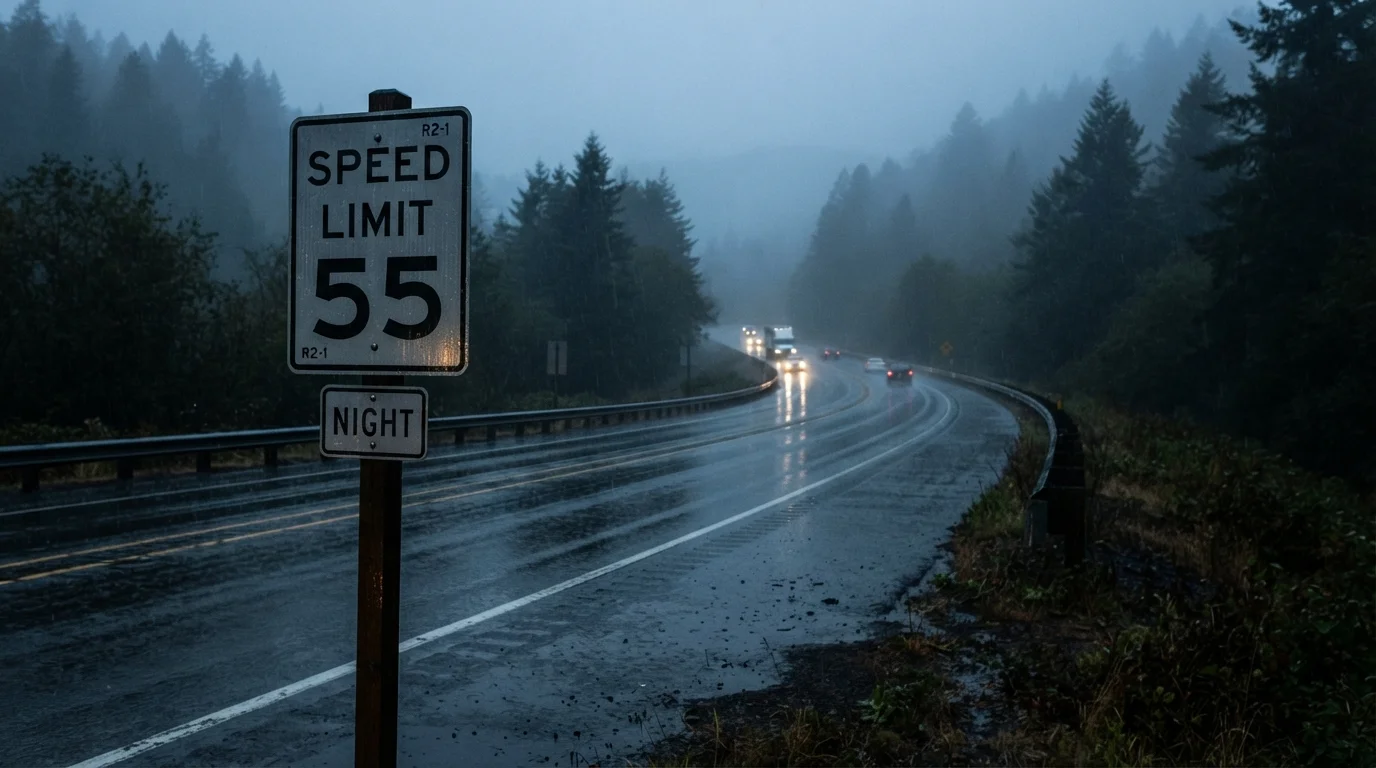
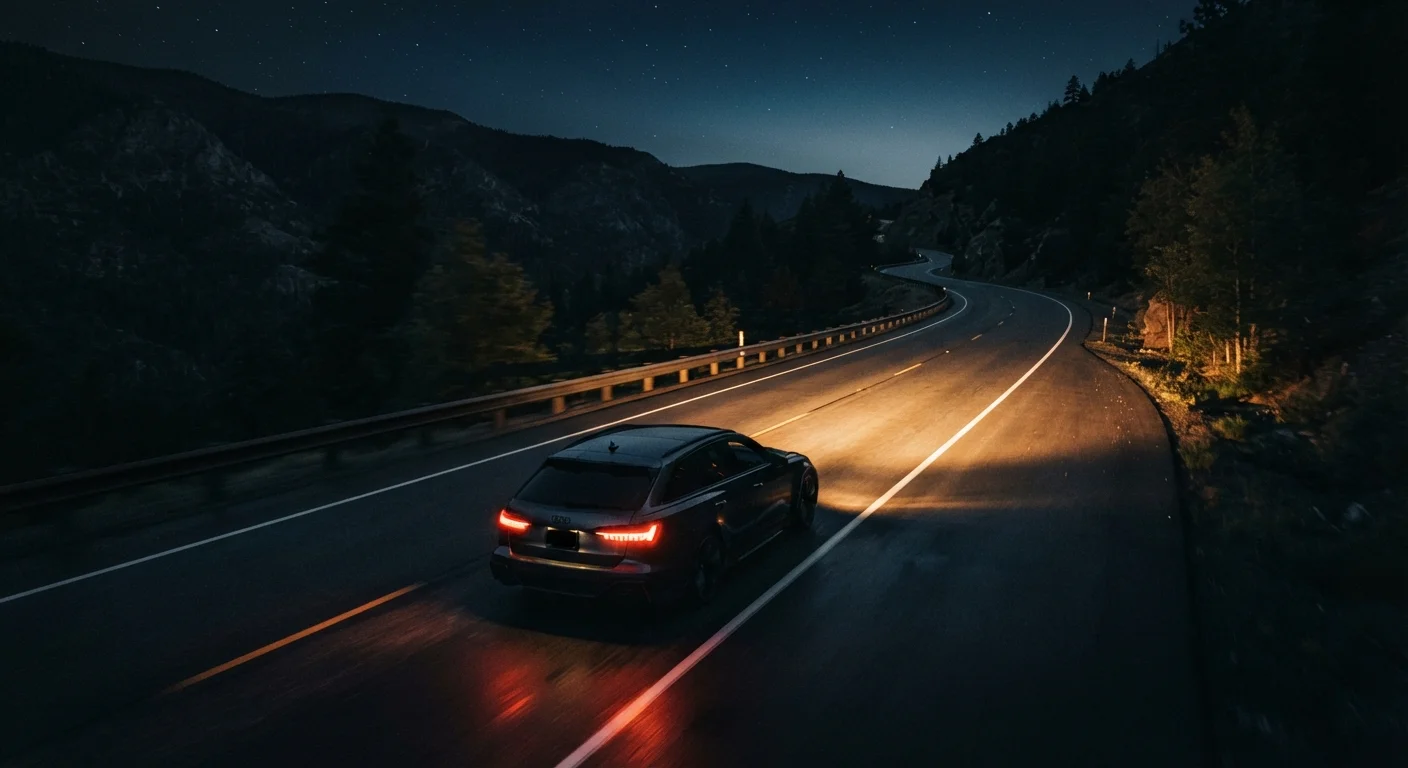
Highway driving places a heavy tax on sustained attention. Monotonous stretches, cruise control, and the absence of frequent signals can lull drivers into a false sense of low effort. In reality, attention must stay anchored on the road ahead, mirrors must be scanned every five to eight seconds, and drivers need to identify hazards - a slowing truck, debris in the lane, a vehicle merging without signaling - well in advance. Nighttime highway driving compounds this: reduced visibility at high speed shrinks your reaction window dramatically.
City driving demands rapid-fire attention switching. At any given intersection you may be tracking a pedestrian stepping off the curb, a cyclist on your right, a left-turn signal, oncoming traffic, and your own speed simultaneously. The cognitive load is genuinely high. Drivers who struggle with urban environments often benefit from slowing down slightly below the flow of traffic to buy more processing time - a legal and effective strategy on most city streets.
Both environments also require awareness of other road users beyond cars. Sharing the road with trucks, motorcycles, and cyclists is a skill set that applies in both settings, though the specific hazards differ: large trucks dominate highway blind-spot concerns, while cyclists and pedestrians are the primary focus in urban zones.
Lane Discipline, Merging, and Intersections
Highway-specific skills center on lane discipline and merging. Entering a highway requires matching the speed of existing traffic before merging - not stopping at the end of an on-ramp and hoping for a gap. Staying out of the left lane unless actively passing is both a legal requirement in many states and a safety practice that reduces conflict. Signaling well in advance and checking blind spots are non-negotiable at speed.
City driving substitutes intersections for merge points as the primary high-risk zone. Running a yellow light that has already turned red, failing to yield on an unprotected left turn, and misreading a four-way stop sequence are among the most common urban crash contributors. Slowing as you approach any intersection - even on a green - gives you the ability to respond if another driver doesn't stop as expected.
If high-pressure city traffic is a persistent source of stress, building deliberate coping strategies pays off. Staying composed in high-stress traffic is a learnable skill, not a personality trait - and composure directly improves decision quality under pressure.
Transitioning Between Environments Matters
One underappreciated risk occurs at the moment of transition - exiting a highway onto a city surface street. After sustained high-speed travel, 40 mph can feel deceptively slow, and drivers frequently exceed urban speed limits without realizing it. This phenomenon, sometimes called 'speed adaptation,' means you should actively check your speedometer rather than relying on feel when moving from highway to city conditions. Give yourself a few blocks to recalibrate before entering dense pedestrian zones.